Daksheshwar Temple Varanasi: History, Darshan Timings & Guide
Receive daily temple updates, divine darshan, and morning bhajans directly on WhatsApp.
Contents
- 1 The Definitive Pilgrimage Guide: Daksheshwar Temple, Varanasi
- 1.1 1. Introduction & Spiritual Essence: The Destroyer of Sins
- 1.2 2. Historical Origins & Scriptural Legend
- 1.3 3. Architectural Marvels: Dravidian Grandeur in Kashi
- 1.4 4. Darshan & Ritual Logistics
- 1.5 5. Practical Visitor Guidance
- 1.6 6. Pilgrimage Connectivity
- 1.7 7. Frequently Asked Questions (FAQs)
- 1.8 Photo Gallery
- 1.9 Contact Details
The Definitive Pilgrimage Guide: Daksheshwar Temple, Varanasi
As the Lead Heritage Architect and SEO Strategist for bharattemples.com, I present this devotional guide to the sacred Daksheshwar Temple in Varanasi. This guide is meticulously structured for the modern pilgrim, blending ancient wisdom with practical logistics for 2026 and beyond.
1. Introduction & Spiritual Essence: The Destroyer of Sins
Nestled in the spiritual labyrinth of Kashi (Varanasi), the Daksheshwar Temple stands as a testament to Lord Shiva’s grace as the Adideva (Primordial Deity). The name “Daksheshwar” translates to the “Lord of the South” (Dakshina), signifying Shiva’s sovereignty over the cardinal direction associated with Yama (the deity of death) and ancestral realms.
The primary deity here is a Swayambhu (self-manifested) Shiva Lingam. In the ancient text Kashi Khand (a portion of the Skanda Purana), this Lingam is revered for its immense spiritual potency.
Phalaśruti: The Spiritual Benefits
Why do devotees undertake this pilgrimage? According to the sacred scriptures, Phalaśruti (the promised spiritual rewards) for worshipping at Daksheshwar Temple are profound:
- Cleansing Ancestral Karma: It is believed that offering prayers here liberates the devotee’s lineage from Pitra Dosha (ancestral afflictions).
- Removal of Sins: As per the Kashi Khand, worshipping the Daksheshwar Ling cleanses sins committed knowingly or unknowingly.
- Health and Healing: Adjacent to the temple lies the Kalodak Koop (Well). Devotees believe that the water from this well is capable of curing diseases and granting physical well-being.
📖 Related: Dehli Vinayak Temple, Varanasi: History, Darshan Timings & Guide
2. Historical Origins & Scriptural Legend
Dating the exact century of many Kashi temples is complex due to the cyclical nature of destruction and reconstruction over millennia. However, the spiritual existence of Daksheshwar is ancient, rooted in the Skanda Purana.
The Legend of Kashi Khand (Chapter 97)
Tradition holds that while Lord Shiva was narrating the sacred geography of Kashi to Parvati, he described the Teerths (Ponds), Koops (Wells), and places of worship with immense pleasure. The Daksheshwar Ling is one of these eternal forms mentioned in the text.
Historical Context: While the structural temple has been renovated over centuries by devout patrons and the local community, the spiritual potency of the site remains unchanged. The temple embodies the Dravidian architectural style, indicating historical integration of South Indian temple design principles into the holy city of Varanasi.
3. Architectural Marvels: Dravidian Grandeur in Kashi
While Varanasi is predominantly known for its Nagara-style temples, the Daksheshwar Temple is a striking example of Dravidian architecture influences.
Key Architectural Elements
- The Vimana: The temple features a towering Shikhara (spire) typical of Dravidian style, characterized by horizontal gradation and a pyramidal roof.
- Sanctum Sanctorum (Garbhagriha): The inner sanctum houses the Swayambhu Lingam, designed to focus the devotee’s energy inward toward the divine.
- Mandapas: The temple includes pillared Mandapas (halls) that facilitate ritual gatherings and meditation.
- Sculptural Details: The exterior walls feature niches housing deities, though the specific carvings depict traditional South Indian motifs blended with North Indian iconography.
4. Darshan & Ritual Logistics
To ensure a seamless darshan experience, we have compiled the daily schedule and seva details for 2026. Please note that timings may vary slightly during festivals.
📖 Related: Kandukeshwar Temple, Varanasi: History, Darshan Timings & Guide
Daily Darshan Timings
| Session | Timing |
|---|---|
| Morning Darshan | 05:00 AM – 12:00 PM |
| Afternoon Break | 12:00 PM – 3:00 PM |
| Evening Darshan | 3:00 PM – 10:00 PM |
Key Sevas and Online Booking
Devotees can book specific Sevas (ritual services) in advance. Given the high demand for Abhishekam (ritual bathing of the deity) and Archana (offering of flowers), online booking is highly recommended.
- Abhishekam: Performed with water, milk, honey, and bilva leaves.
- Maha Rudra Abhishekam: A potent Vedic ritual for major life blessings.
- Online Portal: Visit the official Varanasi temple trusts or trusted partners like bharattemples.com for booking slots.
2026 Major Festival Calendar
Planning your visit around these festivals offers a heightened spiritual experience:
- Maha Shivaratri (Feb 26, 2026): A night-long vigil of worship; the temple is illuminated and crowded with pilgrims.
- Sravana Mondays (July – Aug 2026): The holiest month for Shiva devotees. Special darshan lines and offerings are available.
- Kartik Purnima (Nov 5, 2026): Celebrated with Ganga Aarti and temple decorations.
5. Practical Visitor Guidance
As an architect focused on the visitor experience, I recommend the following protocols to ensure a peaceful visit.
Code of Conduct & Dress
- Dress Code: Traditional attire is encouraged. Men should wear dhotis or long trousers; women should opt for sarees or salwar kameez. Avoid shorts and sleeveless tops.
- Photography: Photography is strictly prohibited inside the Garbhagriha (sanctum). Exterior photography may be permitted, but ask the temple priest for confirmation.
- Mobile Lockers: Electronic devices should be kept on silent. While there is no official locker system at this specific smaller shrine, carry minimal valuables.
Crowd Management & Best Hours
- Best Time to Visit: 6:00 AM to 9:00 AM is ideal for a serene darshan without the midday rush.
- Seasonal Advice: Varanasi summers (May–June) are intense. Carry water and a head covering. The temple floors can get hot; light cotton socks are recommended.
6. Pilgrimage Connectivity
Reaching the Daksheshwar Temple is an adventure in itself, navigating the historic lanes of Varanasi.
📖 Related: Dharmeshwar Temple, Varanasi: History, Darshan Timings & Complete Guide
How to Reach
- Nearest Airport: Lal Bahadur Shastri International Airport (LBS) (approx. 25 km from city center).
- Nearest Railway Station: Varanasi Junction (BSB) (approx. 5 km).
- By Road: The temple is located at K-52/39, Vriddha Kal. Auto-rickshaws can navigate up to a certain point; from there, walking through the narrow bylanes of Bisheshwarganj/GPO is necessary.
Nearby Sacred Sites
Enhance your pilgrimage circuit by visiting these nearby temples:
- Mrityunjeshwar Temple: Located in the immediate vicinity, dedicated to the conqueror of death.
- Kedarnath Temple (Kashi: A major Jyotirlinga shrine just a short distance away.
- Manikarnika Ghat: The holiest cremation ground in Hinduism, located on the banks of the Ganga.
7. Frequently Asked Questions (FAQs)
Is there a VIP Darshan entry at Daksheshwar Temple?
Given the smaller, community-centric nature of the Daksheshwar Temple, there is no formal VIP entry system like at larger commercial temples. However, respecting local customs and maintaining silence ensures a swift and smooth darshan experience.
What is the significance of the Kalodak Koop (Well)?
According to local legends, the water from the Kalodak Koop is imbued with healing properties. It is traditionally believed to cure chronic diseases and purify the soul of the devotee.
Can I perform a Shradh ceremony here?
Yes, being a temple of Lord Shiva in Kashi, performing Shradh (ancestral rites) here is considered highly auspicious. It is advisable to consult the local pandits (priests) available at the temple complex to perform the rituals correctly.
What is the best mode of transport inside the old city?
Rickshaws are the best option to reach the periphery of the old city. Walking is mandatory to enter the inner sanctum of Kashi’s streets.
Photo Gallery
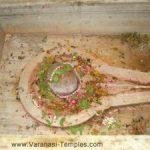
Daksheshwar2-300×225, Daksheshwar Temple, Varanasi
Contact Details
For specific inquiries regarding rituals or donations, please contact the temple administration at the address below.
Address: K-52/39, Vriddha Kal, Varanasi, Uttar Pradesh.
Note: Specific contact numbers may vary. It is recommended to verify via the local Varanasi temple trust websites prior to your visit.