
Contents
1. Introduction & Spiritual Essence
Nestled in the serene village of Thamaraipakkam, the Dharanishwarar Temple stands as a beacon of spiritual solace and architectural heritage. Dedicated to Lord Shiva, this temple is revered as the Nithya Pushkarani (Eternal Pond) of the region. The primary deity, Dharanishwarar, is a self-manifested (Swayambhu) Shiva Lingam. Legend holds that the very soil here is charged with spiritual energy, making it a potent site for cleansing ancestral karma and resolving long-standing disputes.
Why Devotees Visit:
- Moksha Siddhi: It is believed that circumambulating the shrine grants liberation from the cycle of birth and death.
- Graha Shanti: The temple is particularly famous for alleviating the malefic effects of planetary alignments, especially related to Rahu and Ketu.
- Ancestral Peace: Performing rituals here is said to bring peace to departed souls, making it a vital stop during Tharpana periods.
2. Historical Origins & Scriptural Legend
The Legend of Sage Dharani
According to the Sthala Purana, the temple derives its name from Sage Dharani, a devout worshipper of Lord Shiva. Tradition holds that the sage performed intense penance (Tapas) at this location to seek salvation for his ancestors. Pleased by his devotion, Lord Shiva appeared as a Shiva Lingam. Since the Lingam manifested through the earth (Dharani), it came to be known as Dharanishwarar. The sacred pond near the temple, known as Dharani Theertham, is believed to have been created by the Sage himself.
Architectural Timeline
While specific inscriptions regarding the initial construction are sparse, the temple architecture suggests origins dating back to the late Chola period or the early Vijayanagara era (approximately 13th–15th century). The structure has undergone significant renovations over the centuries, notably by local chieftains and the Archaeological Survey of India (ASI), which has helped preserve the intricate carvings and structural integrity of the main sanctum.
3. Architectural Marvels
The Dharanishwarar Temple is a classic example of Dravidian Architecture, characterized by its towering gateways (Gopurams) and spacious courtyards. The temple complex is designed according to Vastu Shastra, aligning the sanctum with the magnetic north.
- The Sanctum (Garbhagriha): The main deity faces East. The Swayambhu Lingam is slightly oval, representing the formless nature of the divine.
- The Vimanam: The roof over the sanctum is built in the classic Dravida style, adorned with gold-plated Kalasam (finial).
- Nandi Mandapam: A distinct feature of this temple is the Nandi (Bull) statue, which is positioned directly opposite the main deity, gazing intently at the Lord. Unlike many temples where Nandi is carved from a single rock, here the Nandi is situated in a separate mandapam, creating a majestic visual axis.
- Outer Prakaram: The outer corridor houses shrines for Lord Murugan, Goddess Durga, and Narasimha. The pillars in the Raja Gopuram feature sculptures depicting stories from the Shiva Purana.
4. Darshan & Ritual Logistics (2026 Guide)
Visitors are encouraged to check for any seasonal variations in timings, especially during festivals. Below are the projected daily timings for 2026.
| Ritual / Darshan | Timing |
|---|---|
| Morning Opening (Thirukkai Poojai) | 6:00 AM |
| Morning Abhishekam | 6:30 AM – 7:30 AM |
| Mid-day Closure | 12:00 PM – 4:00 PM |
| Evening Opening (Sayaraksha) | 4:00 PM |
| Archana / Nithya Homam | 4:30 PM – 6:00 PM |
| Night Closing (Arthajama Poojai) | 7:30 PM |
Key Sevas & Online Booking
To streamline devotee access, the temple trust facilitates online booking for major sevas. Assume current date is 2026 for the following schedule:
- Maha Abhishekam: Performed on Pradosham days.
2026 Dates: January 14th, February 11th, March 12th. - Shiva Rudram: Ideal for family well-being. Booking window opens 30 days in advance.
- Online Portal: Devotees can book via the official Tamil Nadu Temples Portal or the temple’s dedicated website. Look for “Dharanishwarar Thamaraipakkam Seva” in the search.
Major Festivals 2026
- Arudra Darshanam: Celebrated in December/January (Month of Margazhi). This is the grandest festival here, celebrating the cosmic dance of Shiva.
- Maha Shivaratri: February 2026. The temple remains open throughout the night with special abhishekams.
- Navarathri: September/October 2026. Special decorations for Goddess Durga.
5. Practical Visitor Guidance
Code of Conduct & Dress Code
As this is an active place of worship, strict dress codes are enforced. Men should wear Dhotis or formal trousers with shirts; women should wear sarees or salwar kameez. shorts and sleeveless tops are prohibited.
Photography & Mobile
Photography is strictly prohibited inside the inner sanctum (Garbhagriha). Mobile phones must be silenced during darshan. Some temples in the region offer mobile lockers; however, it is advisable to carry minimal valuables.
Accessibility & Crowd Management
The temple floor is level but unpaved in some outer sections. Wheelchair access is available in the main mandapam but difficult in the inner sanctum.
Best Hours to Visit:
- Winter (Nov-Feb): 6:00 AM – 8:00 AM (Pleasant weather).
- Summer (Mar-Jun): 4:30 PM – 6:00 PM (To avoid the midday heat).
- Tip: Carry a water bottle, as the temple is located slightly away from the main town center.
6. Pilgrimage Connectivity
How to Reach
The Dharanishwarar Temple is located in Thamaraipakkam, Thiruvallur District, on the route between Thiruninravur and Periyapalayam.
- By Air: Chennai International Airport (MAA) is the nearest airport, approximately 43 Kms away.
- By Rail: The nearest railway junction is Thiruninravur (TIVR), located 11 Kms from the temple. Taxis and local buses are readily available.
- By Road: The temple is located 300 meters from the Thamaraipakkam Bus Stop. It is accessible via NH 115 (Chennai–Tirupati Highway) via the Thiruninravur branching road.
Nearby Sacred Sites (Pilgrimage Circuit)
Devotees are encouraged to visit these nearby temples to complete their spiritual journey:
- Sholinghur Narasimha Swamy Temple: Famous for the Yoga Narasimha Swamy and Lakshmi Narasimha Swamy hilltop shrines.
- Periyapalayam Temple: Located just a few kilometers away, this is a renowned shrine for the angry form of Amman (Bhadrakali).
- Thiruninravur Adikesava Perumal Temple: An ancient Vaishnava temple dedicated to Lord Vishnu.
7. Frequently Asked Questions (FAQ)
Is there a VIP darshan entry available?
Yes, the temple administration offers a special entry darshan ticket (usually nominal fee) which allows devotees to bypass the general queue during non-peak hours. Tickets can be purchased at the counter or booked online.
Are there accommodation facilities near the temple?
The temple does not have an in-house guest house. However, basic lodgings are available in the nearby town of Thiruninravur (12 km). For luxury stays, devotees prefer staying in Chennai (Redhills/Avadi) or Thiruvallur.
What is the significance of the Nandi here?
The Nandi statue in Dharanishwarar Temple is unique due to its positioning and size. It is believed that offering prayers to the Nandi before the main deity ensures that the devotee’s petitions are heard by Lord Shiva swiftly.
Is the temple open on all days?
Generally, yes. However, temple doors may remain closed on specific Tamil calendar new moon days (Amavasya) or full moon days (Pournami) for maintenance. It is recommended to call ahead before planning a visit.
Is there a facility for carrying mobile phones?
While general mobile usage is restricted inside the sanctum, lockers are generally not available at the entrance. It is advised to leave valuables in your vehicle or hotel safe before visiting.
Photo Gallery
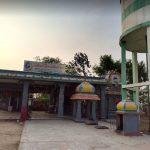
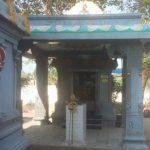
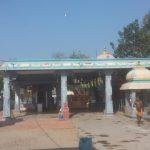

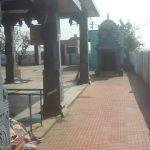


Contact Details
Official Address:
Dharanishwarar Temple,
Thamaraipakkam, Thiruvallur District,
Tamil Nadu – 602002.
Note: For specific queries regarding donations or seva bookings, please contact the temple administrative office during working hours.
Recent Posts

ओ सांवरे तूने ही मुझको संभाला – Lyrics & Meaning
ओ सांवरे तूने ही मुझको संभाला – A Prayer to Shyam Origin & Spiritual Essence Why This Bhajan Resonates Devotees chant this when overwhelmed by life’s storms—the refrain ‘तूने ही मुझको संभाला’ is the soul’s sigh of relief: “You…

कथा ये है महाराज मेरे की – Lyrics & Meaning
कथा ये है महाराज मेरे की छत्रपति संभाजी महाराज – A Prayer to Chhatrapati Sambhaji Maharaj Origin & Spiritual Essence Why This Bhajan Resonates Devotees chant this when their spirit feels tested—its powerful refrain “महाराज मेरे” is a soul’s…

Rigveda Samhita Yathartha Anuvada (ऋग्वेद संहिता यथार्थ अनुवाद) – Complete Set with Anvayartha & Hindi/English Translation
The Rigveda is the oldest surviving scripture of humanity and the foundational text of Sanātana Dharma. For serious students, scholars, UPSC aspirants studying ancient Indian history, Sanskrit learners, and spiritual seekers, a precise and grammatically structured translation is indispensable.…

आना भी अकेला है जाना भी अकेला है – Lyrics & Meaning | BharatTemples
आना भी अकेला है जाना भी अकेला है – A Prayer to the Divine Witness Origin & Spiritual Essence Why This Bhajan Resonates Devotees turn to this bhajan in moments of deep reflection—when life’s attachments begin to ache. The…

माता शेरावाली के द्वार जो भी जाता है – Lyrics & Meaning
माता शेरावाली के द्वार जो भी जाता है – A Prayer to Maa Sherawali Origin & Spiritual Essence Why This Bhajan Resonates Devotees turn to this bhajan in times of fear or uncertainty—its promise that no one leaves Maa’s…

मार लेना सपणी उबार लेणा भवरा – Lyrics & Meaning
मार लेना सपणी उबार लेणा भवरा – A Prayer to the Divine Beloved Origin & Spiritual Essence Why This Bhajan Resonates Devotees chant this in moments of deep vulnerability—its cry of “मार लेना सपणी, उबार लेणा भवरा” is the…

हमें श्याम सुंदर भरोसा तुम्हारा – Lyrics & Meaning
हमें श्याम सुंदर भरोसा तुम्हारा – A Prayer to Shyam Sundar Origin & Spiritual Essence Why This Bhajan Resonates Devotees chant this when feeling alone—its refrain ‘de do sahara’ is the soul’s cry for divine support. Lyrics in Hindi…

Mere Satguru Ne Di Thi Davai Lyrics in Hindi & Meaning
Mere Satguru Ne Di Thi Davai: Invoking the Guru’s Liberating Wisdom This soul-stirring bhajan venerates the Satguru (True Spiritual Master) as the divine physician who dispenses the only remedy for life’s deepest sufferings. Composed by Sant Karmaveer Tufani, it…

Janm Diyo Thari Maa Dukh Dekhiyo Lyrics in Hindi & Meaning
जन्म दियो थारी माँ दुख देखियो (Maa’s Grief Upon Birthing You) This soul-stirring Chetavani Bhajan (admonitory hymn) is addressed to the Divine Mother (Maa) – a call for repentance when children forget their filial duties in the dark age…
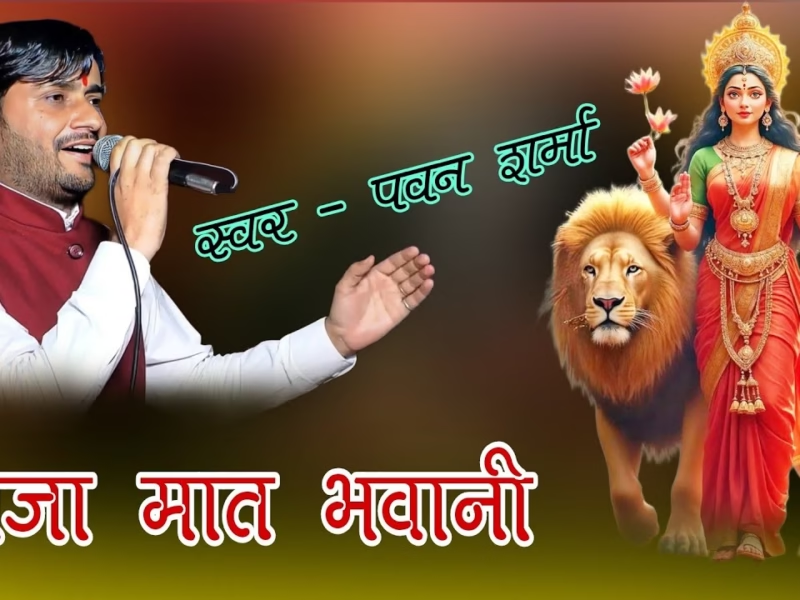
Bhadi Sabha Mein Thane Manaun Lyrics in Hindi & Meaning
Bhadi Sabha Mein Thane Manaun: Invoking the Spear-Wielding Mother Mata Bhawani (श्री ज्वाला भवानी), the fiery manifestation of Shakti worshipped as the Protector of Dharma in Her Dhaulagarh sanctum. Origin & Spiritual Essence Composed in Rajasthani folk tradition by…