
Contents
Introduction & Spiritual Essence
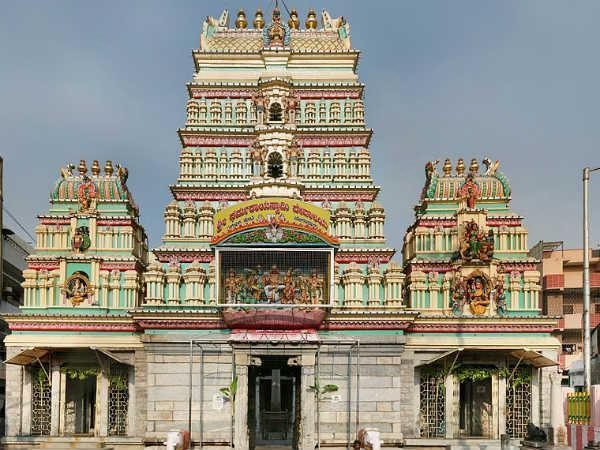
Dharmaraya Swamy Temple, located in the heart of Bengaluru’s Thigalarpete, is a sanctuary of timeless devotion and unique mythology. Unlike most South Indian temples dedicated to a singular deity, this architectural marvel venerates the Pandavas (the five brothers from the epic Mahabharata) as the primary deities. The presiding form is known as Dharmaraya, interpreted as the “King of Righteousness,” often associated with Yudhishthira.
Why Devotees Visit (Phalaśruti)
According to temple lore and devotional belief, visiting Dharmaraya Swamy Temple brings specific spiritual benefits:
- Ancestral Cleansing: It is believed that offering prayers here helps cleanse ancestral karma (Pitru Dosha), ensuring peace for forefathers.
- Victory Over Odds: Since the temple is dedicated to the Pandavas—who overcame immense adversity—devotees visit seeking resilience and victory over life’s battles.
- Protection of Dharma: As the abode of “Dharma” (righteousness), it is a powerful place for those seeking clarity in ethical dilemmas and legal matters.
Historical Origins & Scriptural Legend
The history of Dharmaraya Swamy Temple is a tapestry woven through dynasties, dating back approximately 800 years. While exact architectural dates are debated, stone masonry studies suggest origins in the 12th or 13th century.
Builders and Renovations
According to historical records, the temple was constructed by the Ganga Arasu people, also known as Vanhi Kula Kshatriyas or the Thigalas. This community is responsible for the foundational structure, which sits on the bed of the former Sidhikatte Lake. Over the centuries, the temple saw architectural additions from the Pallavas and the Vijayanagara empires.
Connection to Kempe Gowda
Tradition holds that Kempe Gowda I, the founder of modern Bangalore in 1530 A.D., was an ardent devotee of Dharmaraya Swamy. The strategic layout of Bengaluru’s four watchtowers (Gopuras) was centered around the temple’s Vimanagopura Kalasa (the dome over the sanctum), highlighting the shrine’s geographic and spiritual centrality to the city.
Architectural Marvels
The temple is a textbook example of evolving South Indian temple architecture, blending multiple styles.
Multi-Era Styles
- Garbhagruha (Sanctum): Built in the classic Ganga style (valley civilization influence).
- Vimanagopura: Exhibits Pallava style carvings, similar to the Halasuru Someshwara Temple.
- Mukhamantapa (Mandapa): Built in the Vijayanagara style, featuring robust pillars and pavilions.
- 20th Century Additions: The Rajagopura (main gateway) was expanded in the last century, and the Ashtalakshmi idols were installed in the outer chambers.
UNESCO & ASI Status
While the temple is a protected monument under the Archaeological Survey of India (ASI), it is not a UNESCO World Heritage Site. It stands as a protected heritage structure within the urban chaos of Bengaluru.
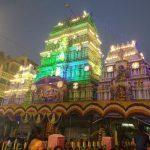
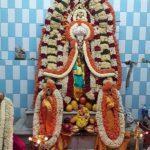
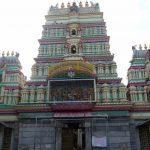
Here is a glimpse of the temple’s intricate stone carvings and sanctum:
Darshan & Ritual Logistics (2026 Guide)
Planning your visit requires attention to daily rituals and the grand annual festival. The temple follows standard South Indian opening hours.
Daily Timings
| Period | Timings |
|---|---|
| Morning Darshan | 06:00 AM – 12:00 PM |
| Afternoon Break | 12:00 PM – 05:30 PM |
| Evening Darshan | 05:30 PM – 08:30 PM |
| Special Note | Timings may vary during Karaga Festival. |
Key Sevas & Online Booking
Devotees can participate in various Sevas (offerings). As of 2026, bookings are managed digitally to reduce crowding.
- Abhishekam: Ritual bathing of the deity. Best performed in the morning.
- Archana: Individual prayers using Sanskrit mantras.
- Kumkumarchana: Special offering of vermilion powder.
- Booking Platform: Visit the official temple website or the Karnataka Tourism portal to book online seva slots at least 48 hours in advance.
2026 Festival Dates
The temple is most famous for the Bangalore Karaga, a night-long festival rooted in the Tamil month of Panguni.
- Bangalore Karaga: April 6, 2026 (Monday). Expect massive crowds; darshan may be restricted to procession viewing on this day.
- Maha Shivaratri: March 1, 2026.
- Deepavali: October 21, 2026.
Practical Visitor Guidance
Dress Code and Etiquette
Visitors must adhere to traditional dress codes. Men should wear Dhoti or trousers with a shirt; women should wear Saree, Salwar Kameez, or long skirts. Avoid shorts and sleeveless tops.
Crowd Management & Accessibility
- Best Time to Visit: Weekday mornings (Tuesday–Friday) are the least crowded. Avoid Mondays and Fridays if possible.
- Summer (March–May): Bangalore can get quite warm; carry a water bottle. The temple floor can be hot during peak afternoon hours.
- Mobile Lockers: The temple provides storage for electronic devices. Photography is strictly prohibited inside the sanctum and near the presiding deities.
Pilgrimage Connectivity
How to Reach
The temple is centrally located in Thigalarpete, near KR Market.
- By Air: Kempegowda International Airport (BLR) is approximately 36 km away. A taxi or Uber takes 60–90 minutes depending on traffic.
- By Rail: Krantivira Sangolli Rayanna (KSR) Bengaluru Station (Bangalore City Railway Station) is the nearest major hub, roughly 3–4 km away (15 mins by auto).
- By Road: The temple is accessible via NH 44 (Bellary Road) and connects to the Inner Ring Road. BMTC buses frequently stop at Thigalarpete.
Nearby Sacred Sites
Create a pilgrimage circuit by visiting these nearby temples:
- Halasuru Someshwara Temple: Located 2 km away, this is another ancient temple showcasing Pallava architecture.
- Shivoham Shiva Temple (Kempegowda Layout): A massive modern temple dedicated to Lord Shiva, located 4 km north.
- Kote Venkataramana Temple: Located near the Bangalore Fort, showcasing Vijayanagara style architecture.
Frequently Asked Questions (FAQs)
1. Is there a VIP Darshan entry?
Yes, the temple trust facilitates a “Special Entry” or VIP Darshan for a nominal fee. This allows devotees to bypass the general queue during peak hours. Tickets can be purchased at the counter or online.
2. What is the significance of the Bangalore Karaga?
The Bangalore Karaga is a unique festival where a male priest (dressed as a woman) carries the goddess’s pot on his head, balancing a sword and a whip. It is a ritual of fulfillment of vows and protects the city from harm.
3. Is there a parking facility available?
Parking is limited near the temple due to its location in the narrow lanes of Thigalarpete. It is highly recommended to use public transportation or park at designated lots near KR Market and walk to the temple.
4. Can non-Hindus visit the temple?
While the temple is primarily a place of Hindu worship, the sanctum is usually restricted to Hindus. However, the courtyard and architecture can often be viewed by all visitors, subject to current religious guidelines.
5. What are the contact details for emergency queries?
For administrative inquiries or emergencies during darshan, you can contact the temple trust at 09360017000.
Recent Posts

ओ सांवरे तूने ही मुझको संभाला – Lyrics & Meaning
ओ सांवरे तूने ही मुझको संभाला – A Prayer to Shyam Origin & Spiritual Essence Why This Bhajan Resonates Devotees chant this when overwhelmed by life’s storms—the refrain ‘तूने ही मुझको संभाला’ is the soul’s sigh of relief: “You…

कथा ये है महाराज मेरे की – Lyrics & Meaning
कथा ये है महाराज मेरे की छत्रपति संभाजी महाराज – A Prayer to Chhatrapati Sambhaji Maharaj Origin & Spiritual Essence Why This Bhajan Resonates Devotees chant this when their spirit feels tested—its powerful refrain “महाराज मेरे” is a soul’s…

Rigveda Samhita Yathartha Anuvada (ऋग्वेद संहिता यथार्थ अनुवाद) – Complete Set with Anvayartha & Hindi/English Translation
The Rigveda is the oldest surviving scripture of humanity and the foundational text of Sanātana Dharma. For serious students, scholars, UPSC aspirants studying ancient Indian history, Sanskrit learners, and spiritual seekers, a precise and grammatically structured translation is indispensable.…

आना भी अकेला है जाना भी अकेला है – Lyrics & Meaning | BharatTemples
आना भी अकेला है जाना भी अकेला है – A Prayer to the Divine Witness Origin & Spiritual Essence Why This Bhajan Resonates Devotees turn to this bhajan in moments of deep reflection—when life’s attachments begin to ache. The…

माता शेरावाली के द्वार जो भी जाता है – Lyrics & Meaning
माता शेरावाली के द्वार जो भी जाता है – A Prayer to Maa Sherawali Origin & Spiritual Essence Why This Bhajan Resonates Devotees turn to this bhajan in times of fear or uncertainty—its promise that no one leaves Maa’s…

मार लेना सपणी उबार लेणा भवरा – Lyrics & Meaning
मार लेना सपणी उबार लेणा भवरा – A Prayer to the Divine Beloved Origin & Spiritual Essence Why This Bhajan Resonates Devotees chant this in moments of deep vulnerability—its cry of “मार लेना सपणी, उबार लेणा भवरा” is the…

हमें श्याम सुंदर भरोसा तुम्हारा – Lyrics & Meaning
हमें श्याम सुंदर भरोसा तुम्हारा – A Prayer to Shyam Sundar Origin & Spiritual Essence Why This Bhajan Resonates Devotees chant this when feeling alone—its refrain ‘de do sahara’ is the soul’s cry for divine support. Lyrics in Hindi…

Mere Satguru Ne Di Thi Davai Lyrics in Hindi & Meaning
Mere Satguru Ne Di Thi Davai: Invoking the Guru’s Liberating Wisdom This soul-stirring bhajan venerates the Satguru (True Spiritual Master) as the divine physician who dispenses the only remedy for life’s deepest sufferings. Composed by Sant Karmaveer Tufani, it…

Janm Diyo Thari Maa Dukh Dekhiyo Lyrics in Hindi & Meaning
जन्म दियो थारी माँ दुख देखियो (Maa’s Grief Upon Birthing You) This soul-stirring Chetavani Bhajan (admonitory hymn) is addressed to the Divine Mother (Maa) – a call for repentance when children forget their filial duties in the dark age…
Bhadi Sabha Mein Thane Manaun Lyrics in Hindi & Meaning
Bhadi Sabha Mein Thane Manaun: Invoking the Spear-Wielding Mother Mata Bhawani (श्री ज्वाला भवानी), the fiery manifestation of Shakti worshipped as the Protector of Dharma in Her Dhaulagarh sanctum. Origin & Spiritual Essence Composed in Rajasthani folk tradition by…