
Contents
- 1 Introduction & Spiritual Essence: The Eternal Light of Assam
- 2 Historical Origins & Scriptural Legend
- 3 Architectural Marvels: The Bornamghar Style
- 4 Darshan & Ritual Logistics
- 5 Visual Journey: Photo Gallery
- 6 Practical Visitor Guidance
- 7 Pilgrimage Connectivity
- 8 Frequently Asked Questions (FAQ)
- 9 Contact Details
Introduction & Spiritual Essence: The Eternal Light of Assam
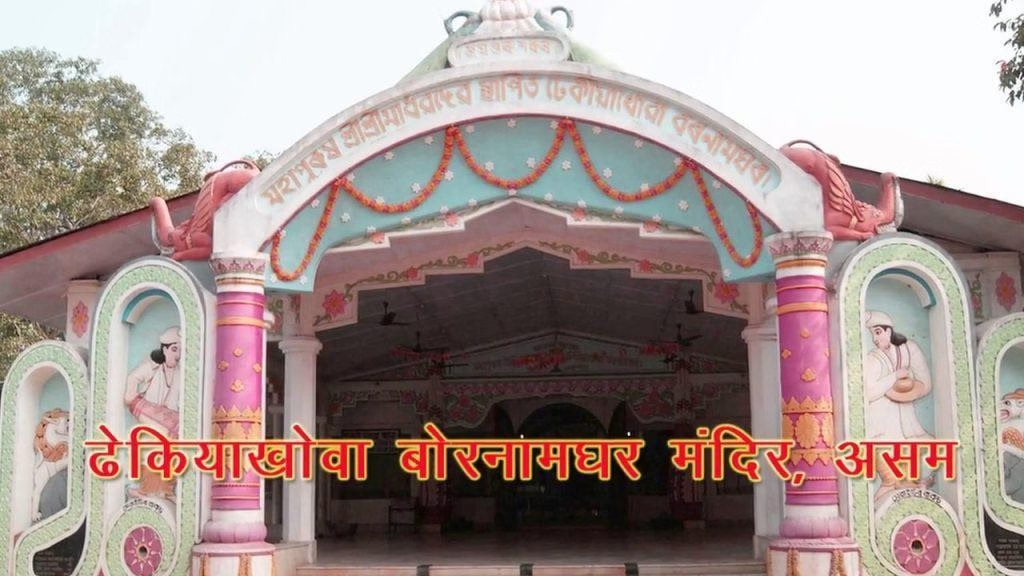
Standing amidst the serene landscapes of Jorhat, the Dhekiakhowa Bornamghar is not merely a structure of wood and stone; it is a living testament to the enduring spirit of the Ekasarana movement in Assam. Established in the year 1528 AD, this holy site is dedicated to the worship of Lord Vishnu and serves as a monumental pillar in the devotional history of Northeast India.
The primary deity here is the Formless Divine, worshipped through the medium of the Holy Name (Nam). Unlike conventional temples housing murtis (idols), Dhekiakhowa Bornamghar is a Naamghar—a prayer hall designed for congregational chanting. Its spiritual heart is the Sacred Earthen Lamp (Deepa), lit by the revered saint-reformer Madhavdeva. According to temple records, this lamp has been burning continuously for nearly five centuries, illuminating the spiritual path of millions.
Phalaśruti: Why Visit?
Devotees flock to Dhekiakhowa with profound faith, seeking specific spiritual benefits:
- Removal of Ignorance: The eternal flame is believed to symbolize the destruction of darkness and ignorance (Avidya).
- Ancestral Blessings: Chanting the Naam (holy names) here is considered highly meritorious, helping to cleanse ancestral karma and bring peace to departed souls.
- Protection: Tradition holds that a visit to this Bornamghar safeguards devotees from worldly miseries and guides them toward salvation (Moksha).
Historical Origins & Scriptural Legend
The history of Dhekiakhowa Bornamghar is inextricably linked to the great Mahapurush Srimanta Sankardeva and his prime disciple, Madhavdeva. While Sankardeva laid the foundation of Ekasarana Dharma, Madhavdeva carried its torch across the Brahmaputra valley.
The Origin: 1528 AD
According to temple records, Madhavdeva arrived in the area known today as Dhekiakhowa during his missionary travels. The village was small and economically poor. Seeking shelter for the night, he stayed at the hut of an elderly woman.
The Legend of the Name
The local oral tradition (Sthala Purana) narrates a touching incident. The old hostess, deeply embarrassed by her poverty, could offer the saint nothing but rice accompanied by Dhekia Saak (a wild spinach, botanical name Enhydra fluctuans). To her surprise, Guru Madhavdeva was immensely pleased by this humble meal. To honor her devotion, he established a Namghar on that very spot. The site was named Dhekiakhowa—combining “Dhekia” (the vegetable) and “Khowa” (the place where it was eaten).
The Eternal Lamp
Madhavdeva entrusted the old woman with a sacred responsibility: to kindle an earthen lamp using mustard oil. He prophesied that as long as the lamp burned, the essence of Naam would remain alive in the region. Tradition holds that the lamp has been refueled religiously by generations of priests and devotees ever since, without a single moment of darkness.
Architectural Marvels: The Bornamghar Style
The Dhekiakhowa Bornamghar exemplifies the traditional Assamese Vernacular Architecture adapted for religious purposes. While many temples in Assam follow the Nagara or Dravida styles (influenced by Ahom and Koch dynasties), the Bornamghar represents a unique vernacular style suited for congregational worship.
Structural Components
- The Central Sanctum (Garbhagriha): Here rests the Hol Lamp. It is the focal point of the complex, positioned to ensure the flame remains undisturbed by wind.
- The Prayer Hall: A massive open space designed to accommodate hundreds of devotees sitting on the floor, facilitating the rhythmic chanting of Naam Kirtan.
- Roofing: The structure features the distinctive steep thatched or tiled roofs common in Assamese architecture, designed to withstand the heavy monsoons of the region.
- Wooden Pillars: Massive wooden beams and pillars, often carved with motifs reflecting indigenous aesthetics, support the large hall.
The entire complex is spread over 13 Bighas of land, encompassing the main Namghar, residential quarters for priests, and open spaces for cultural gatherings.
Darshan & Ritual Logistics
Visitors are encouraged to align their schedule with the daily rituals to experience the sanctity of the Bornamghar fully. The atmosphere is particularly vibrant during the evening Aarti.
Daily Timings
| Session | Activity | Timing |
|---|---|---|
| Morning | Opening & Prayers | 06:00 AM |
| Morning | Naam Kirtan (Session 1) | 06:30 AM – 07:30 AM |
| Afternoon | Mid-day Rituals | 12:00 PM – 02:00 PM |
| Evening | Evening Aarti (Deepa Prajwalan) | 05:30 PM (Seasonal) |
| Evening | Naam Kirtan (Session 2) | 07:00 PM – 08:30 PM |
Key Sevas & Offerings
Due to the nature of the Ekasarana faith, offerings are typically simple but deeply symbolic.
- Deepa Daan (Oil Offering): Devotees often bring mustard oil to feed the eternal lamp. This is the most auspicious offering here.
- Naam Joga: Participating in the collective chanting of the Lord’s name.
- Bhog Offering: Offering of Naamghar Prasad (usually rice and lentils).
2026 Festival Calendar
The Bornamghar comes alive during specific observances. Mark your calendar for:
- Magh Bihu (Mid-January 2026): Special prayers and community feasts.
- Bhado Month (August-September 2026): This is the most significant period, marking the death anniversaries (Sraaddha) of both Srimanta Sankardeva and Madhavdeva. Massive congregations gather here.
- Janmashtami (August 14, 2026): Celebration of Lord Krishna’s birth, integral to the Vaishnavite tradition.
- Paal Naam (November 2026): A festive occasion celebrated with equal fervor.
Visual Journey: Photo Gallery
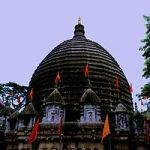
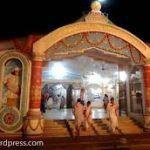
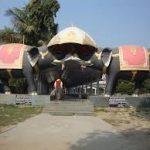
Experience the architectural beauty and the serene environment of Dhekiakhowa Bornamghar through these images.
Practical Visitor Guidance
Etiquette & Dress Code
As a traditional Naamghar, modesty is paramount. Men should wear dhoti or formal trousers/shirts; women should wear sarees or modest cultural attire. Footwear is to be removed outside the main entrance.
Crowd Management & Best Time to Visit
- Best Time: Weekday mornings (6 AM – 9 AM) offer the most peaceful darshan.
- Avoid: Weekends and festival dates (especially during Bhado month) can see massive crowds. Arrive early to secure a spot in the prayer hall.
- Accessibility: The complex is on level ground, making it accessible for senior citizens, though the inner sanctum may have steps.
Logistics
There are no paid lockers for mobile phones, but devotees are expected to maintain silence and switch off devices inside the prayer hall. Photography inside the main sanctum is strictly prohibited to preserve the sanctity of the eternal lamp.
Pilgrimage Connectivity
How to Reach Dhekiakhowa Bornamghar
Located in the Kaibarta Salatdia area, the Bornamghar is well-connected to Jorhat city.
- By Air: The nearest airport is Jorhat Airport (JRH) (Lokpriya Gopinath Bordoloi International Airport is in Guwahati, approx. 310 km away).
- By Rail: The nearest major railway station is Jorhat Town Railway Station (approx. 15 km away).
- By Road: The site is located 3.5 km from National Highway 37. Visitors can take a taxi or local bus from Jorhat town center heading towards the eastern outskirts. The drive takes approximately 25-30 minutes.
Nearby Sacred Sites
Enhance your pilgrimage by visiting these nearby spiritual centers:
- Srimanta Sankardeva Kalakshetra (Guwahati): Although a bit further, this is the premier cultural complex dedicated to the saint.
- Nimati Ghat: A significant river port on the Brahmaputra, often associated with ancient pilgrimage routes.
- Majuli Island (via Jorhat): The world’s largest river island, home to ancient Vaishnavite Satras (monasteries) established by Sankardeva.
Frequently Asked Questions (FAQ)
1. What is the difference between a Temple and a Naamghar?
While both are sacred, a temple (Mandir) typically houses a deity idol (Murti), whereas a Naamghar is a prayer hall primarily used for congregational chanting (Naam Kirtan) of the Lord’s name. Dhekiakhowa Bornamghar focuses on the formless worship through sound and light (the lamp).
2. Is there a VIP darshan entry available?
No. The philosophy of Ekasarana Dharma emphasizes equality. All devotees, regardless of status, are treated equally. Darshan is open to everyone during visiting hours.
3. Can I book sevas online?
As of 2026, most rituals at Dhekiakhowa Bornamghar are conducted physically, relying on direct participation and offerings of oil or prasad. For specific donations or sponsorships, you may contact the managing committee via the phone number listed in the contact section.
4. Is photography allowed?
Photography is allowed in the outer complex. However, strict rules apply inside the prayer hall. Flash photography and filming near the eternal lamp are prohibited.
5. What is the significance of the mustard oil?
Mustard oil is the fuel for the eternal lamp. Offering mustard oil is considered a direct service to the light of knowledge. It is also used to prepare the community meal (Prasad) in the traditional kitchen.
Contact Details
For inquiries regarding donations, events, or specific rituals:
Dhekiakhowa Bornamghar Managing CommitteeVillage: Kaibarta Salatdia
District: Jorhat, Assam
Pin Code: 785700
Phone: Available upon request via local administration
Email: [Contact via Temple Office]
Recent Posts

ओ सांवरे तूने ही मुझको संभाला – Lyrics & Meaning
ओ सांवरे तूने ही मुझको संभाला – A Prayer to Shyam Origin & Spiritual Essence Why This Bhajan Resonates Devotees chant this when overwhelmed by life’s storms—the refrain ‘तूने ही मुझको संभाला’ is the soul’s sigh of relief: “You…

कथा ये है महाराज मेरे की – Lyrics & Meaning
कथा ये है महाराज मेरे की छत्रपति संभाजी महाराज – A Prayer to Chhatrapati Sambhaji Maharaj Origin & Spiritual Essence Why This Bhajan Resonates Devotees chant this when their spirit feels tested—its powerful refrain “महाराज मेरे” is a soul’s…

Rigveda Samhita Yathartha Anuvada (ऋग्वेद संहिता यथार्थ अनुवाद) – Complete Set with Anvayartha & Hindi/English Translation
The Rigveda is the oldest surviving scripture of humanity and the foundational text of Sanātana Dharma. For serious students, scholars, UPSC aspirants studying ancient Indian history, Sanskrit learners, and spiritual seekers, a precise and grammatically structured translation is indispensable.…

आना भी अकेला है जाना भी अकेला है – Lyrics & Meaning | BharatTemples
आना भी अकेला है जाना भी अकेला है – A Prayer to the Divine Witness Origin & Spiritual Essence Why This Bhajan Resonates Devotees turn to this bhajan in moments of deep reflection—when life’s attachments begin to ache. The…

माता शेरावाली के द्वार जो भी जाता है – Lyrics & Meaning
माता शेरावाली के द्वार जो भी जाता है – A Prayer to Maa Sherawali Origin & Spiritual Essence Why This Bhajan Resonates Devotees turn to this bhajan in times of fear or uncertainty—its promise that no one leaves Maa’s…

मार लेना सपणी उबार लेणा भवरा – Lyrics & Meaning
मार लेना सपणी उबार लेणा भवरा – A Prayer to the Divine Beloved Origin & Spiritual Essence Why This Bhajan Resonates Devotees chant this in moments of deep vulnerability—its cry of “मार लेना सपणी, उबार लेणा भवरा” is the…

हमें श्याम सुंदर भरोसा तुम्हारा – Lyrics & Meaning
हमें श्याम सुंदर भरोसा तुम्हारा – A Prayer to Shyam Sundar Origin & Spiritual Essence Why This Bhajan Resonates Devotees chant this when feeling alone—its refrain ‘de do sahara’ is the soul’s cry for divine support. Lyrics in Hindi…

Mere Satguru Ne Di Thi Davai Lyrics in Hindi & Meaning
Mere Satguru Ne Di Thi Davai: Invoking the Guru’s Liberating Wisdom This soul-stirring bhajan venerates the Satguru (True Spiritual Master) as the divine physician who dispenses the only remedy for life’s deepest sufferings. Composed by Sant Karmaveer Tufani, it…

Janm Diyo Thari Maa Dukh Dekhiyo Lyrics in Hindi & Meaning
जन्म दियो थारी माँ दुख देखियो (Maa’s Grief Upon Birthing You) This soul-stirring Chetavani Bhajan (admonitory hymn) is addressed to the Divine Mother (Maa) – a call for repentance when children forget their filial duties in the dark age…
Bhadi Sabha Mein Thane Manaun Lyrics in Hindi & Meaning
Bhadi Sabha Mein Thane Manaun: Invoking the Spear-Wielding Mother Mata Bhawani (श्री ज्वाला भवानी), the fiery manifestation of Shakti worshipped as the Protector of Dharma in Her Dhaulagarh sanctum. Origin & Spiritual Essence Composed in Rajasthani folk tradition by…