
Contents
- 1 Introduction & Spiritual Essence of Edaganathar Temple
- 2 Historical Origins & Scriptural Legend
- 3 Architectural Marvels
- 4 Darshan & Ritual Logistics
- 5 Practical Visitor Guidance
- 6 Pilgrimage Connectivity
- 7 Frequently Asked Questions (FAQ)
- 7.1 1. What is the significance of the North-flowing Vaigai River here?
- 7.2 2. Is there a VIP darshan entry available?
- 7.3 3. What is the best time to visit for the Muthu Pandal festival?
- 7.4 4. Is there a specific ritual for stomach ailments?
- 7.5 5. How can I contact the temple for special permissions?
- 8 Contact Details
Introduction & Spiritual Essence of Edaganathar Temple
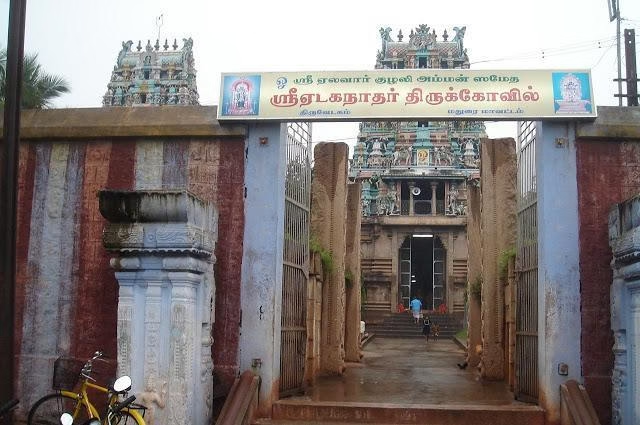
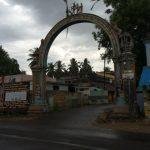
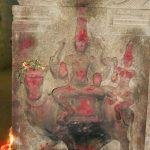
Nestled on the banks of the river Vaigai in the historic village of Thiruvedagam, the Edaganathar Temple stands as a monumental testament to Saivism. Dedicated to Lord Shiva, worshipped here as Edaganathar (also known as Edakanatheswarar), the temple is highly revered as a Paadal Petra Sthalam. The presiding deity is a Swayambhu Lingam, believed to have manifested naturally.
The mother deity is known as Elavarkuzhali (meaning “Goddess with beautiful hair”) or Sugandha Kundalambikai. The temple is not merely a structure of stone but a living spiritual entity where the Vaigai flows north to south—a rare and auspicious geographical alignment noted by seers.
| Date built: | – |
|---|---|
| Deity: | Edaganathar, Shiva |
| Architectural style: | Dravidian architecture |
| Major festivals | – |
| Locale: | Thiruvedagam |
| District:: | Madurai |
| Address: | Edaganathar Temple,Thiruvedagam – 624 234,Vadipatti Taluk, Madurai District, |
| Phone | +91 4543 259 311 / +91 99432 61487 |
Phalaśruti: The Spiritual Benefits
Devotees flock to Edaganathar Temple for specific spiritual remedies. It is strongly believed that offering prayers here alleviates the ill-effects of the planet Shani (Saturn) and Rahu-Ketu.
- Marriage Obstacles: Similar to the famous Tirumananjeri temple, this shrine is known for removing delays in marriage. Devotees offer garlands to Elavarkuzhali and perform a 48-day puja at home to fulfill matrimonial wishes.
- Ancestral Karma: Performing rituals here is said to liberate ancestors from sins, offering them a higher spiritual plane.
- Victory and Success: Historically a site where Saivism triumphed over Jainism, it is a powerful place for overcoming legal disputes and winning professional battles.
Historical Origins & Scriptural Legend
According to temple records and historical analysis, the original complex was constructed by the mighty Pandyan Empire. The current masonry and structural layout were fortified during the Nayak period in the 16th century. The temple is maintained by the Hindu Religious and Charitable Endowments (HR&CE) Department of Tamil Nadu.
The Legend of Thirugnana Sambandar
The Sthala Purana is deeply intertwined with the life of the child saint Thirugnana Sambandar. During the reign of the hunchbacked Pandyan king, Koon Pandian, Jainism was dominant. When Sambandar visited Madurai, the Jains set fire to his camp. In response, Sambandar sang verses that diverted the heat to the king, who was then afflicted by smallpox.
The Jains challenged Sambandar to a contest on the banks of the Vaigai: whoever’s written verse, placed on the water, floated upstream would be the victor. The Jains’ leaf washed away, while Sambandar’s palm leaf (Yedu) floated against the current and landed on the shore. The village was thus named Thiru (Holy) + Yedu (Leaf) = Thiruvedagam.
Interestingly, a group of six boys here used to carry the saint to the temple. To repay their kindness, Sattainathar Siddha (a sage) is said to have transformed river sands into rice, teaching the locals a lesson in self-reliance.
Architectural Marvels
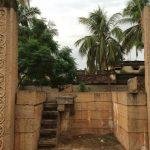
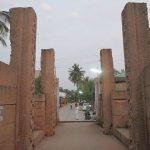
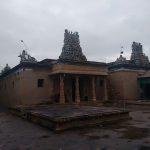
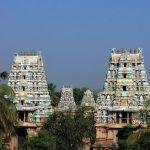
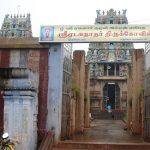
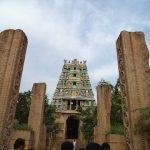
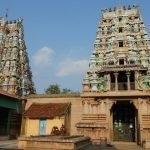
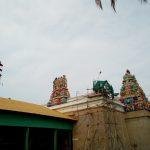
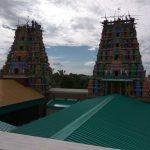
The temple is a quintessential example of Dravidian architecture. It covers five acres, featuring two primary Gopurams (gateway towers) facing East and North. The towering Rajagopuram dominates the skyline, adorned with intricate stucco figures and painted vignettes from Hindu mythology.
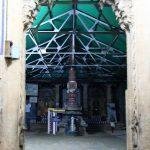
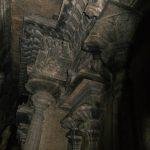
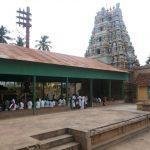
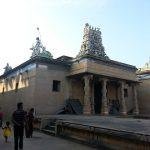
Inside the complex, the sanctum sanctorum houses the Edaganathar Lingam. The Mandapas (halls) feature sculpted pillars depicting deities like Nandi, Dwarapalakas, and various forms of Shiva. The temple tank is located near the North Gopuram.
Historical Note: This site is mentioned in the 7th-century Tamil Saiva canonical work, the Thevaram, and the 13th-century Thirupugazh by Arunagirinathar, classifying it as a Paadal Petra Sthalam.
Darshan & Ritual Logistics
The temple follows a strict daily schedule of rituals, comprising four steps: Abhishekam (sacred bath), Alangaram (decoration), Neivethanam (food offering), and Deepa Aradanai (lamp waving).
Daily Timings
| Session | Timing |
|---|---|
| Morning Opening | 6:00 AM |
| Kalasanthi (First Pooja) | 6:30 AM |
| Irandam Kalm (Second Pooja) | 9:00 AM |
| Uchikalam (Mid-day Pooja) | 12:00 PM |
| Closing (Noon) | 12:30 PM – 4:00 PM |
| Re-opening | 4:00 PM |
| Sayarakshai (Evening Pooja) | 6:00 PM |
| Irandam Kalm (Night Pooja) | 7:30 PM |
| Arthajamam (Closing) | 9:00 PM |
Key Sevas and Online Booking
While the temple’s primary deity is Edaganathar, the goddess Elavarkuzhali is the center of attraction for devotees seeking matrimonial harmony. Standard Sevas include Abhishekam, Archana, and Deepa Aradanai. For online booking and updated rates, devotees can visit the official HR&CE portal or call the temple administration directly at +91 4543 259 311.
2026 Festival Calendar
- January: Margazhi Arudra Darshan
- March (Magam Star): Muthu Pandal Festival (Major Annual Festival). This commemorates the floating of the palm leaf.
- April (Chithirai 1): Tamil New Year & Panchanga Reading.
- May-June (Vaikasi Visakam): Eduthireriya Utsavam (Celebrating the Miracle).
- July-August (Aadi Amavasya): Special Guru Puja for Sattainathar Siddha.
- November (Karthikai): Sankabishekam & Deepam.
Practical Visitor Guidance
- Dress Code: Traditional attire is mandatory. Men should wear Dhoti or pants with a shirt; Women should wear Saree, Salwar Kameez, or traditional half-saree.
- Photography: Photography is strictly prohibited inside the inner sanctum (Garbhagriha). Usage of mobile phones is restricted in the main shrine.
- Accessibility: The temple has steps at the entrance. It is not fully wheelchair accessible due to the ancient nature of the flooring.
- Crowd Management: Weekends and Pradosham days see significant crowds. For a peaceful Darshan, visit between 9:00 AM and 11:00 AM on weekdays. Avoid visiting during the noon closure (12:30 PM – 4:00 PM).
- Locker Facilities: Mobile lockers and footwear storage are available near the entrance for a nominal fee.
Pilgrimage Connectivity
How to Reach Edaganathar Temple
The temple is located 20 km northwest of Madurai on the banks of the Vaigai River.
- By Road: Located on the Madurai-Sholavandan route via NH 36. Frequent town buses (No. 63, 68, 54) are available from Madurai Periyar Bus Stand.
- By Train: The nearest railway station is Sholavandan (5 km). Major rail connectivity is available via Madurai Junction (20 km).
- By Air: Madurai International Airport is the nearest airport, approximately 30 km away.
Nearby Sacred Sites (Pilgrimage Circuit)
Extend your pilgrimage to these nearby destinations:
- Kallazhagar Temple (Azhar Kovil): Dedicated to Lord Vishnu, located roughly 15 km from Thiruvedagam.
- Koodal Azhagar Temple: A central Madurai temple dedicated to Vishnu in a seated posture.
- Thiruparankundram Murugan Temple: One of the six abodes of Lord Murugan, located about 24 km away.
Frequently Asked Questions (FAQ)
1. What is the significance of the North-flowing Vaigai River here?
The North-flowing river is considered highly auspicious in Vastu Shastra. At Edaganathar Temple, it signifies the flow of spiritual energy (Jnana) from the divine to the devotee.
2. Is there a VIP darshan entry available?
The temple administration does not typically advertise a separate VIP quota. However, donations to the temple fund or prior requests through the Executive Officer can sometimes facilitate special entry during non-peak hours.
3. What is the best time to visit for the Muthu Pandal festival?
The Muthu Pandal festival occurs during the Magam star in the Tamil month of Panguni (March-April). It is advisable to book accommodation in Madurai well in advance, as devotees flock from all over Tamil Nadu.
4. Is there a specific ritual for stomach ailments?
Yes, following the legend of Sattainathar, devotees bring water-soaked rice (Neeraharam), place it on the Sattainathar Lingam, and consume it as a remedy for stomach aches.
5. How can I contact the temple for special permissions?
You can contact the temple administration directly at +91 4543 259 311 or email edaganaathaswami@gmail.com.


Contact Details
Edaganathar Temple
Thiruvedagam – 624 234,
Vadipatti Taluk, Madurai District,
Phone: +91 4543 259 311
Mobile: +91 99432 61487
Email: edaganaathaswami@gmail.com
Web: thiruvedagamedaganaathar.tinfo.in
Recent Posts

ओ सांवरे तूने ही मुझको संभाला – Lyrics & Meaning
ओ सांवरे तूने ही मुझको संभाला – A Prayer to Shyam Origin & Spiritual Essence Why This Bhajan Resonates Devotees chant this when overwhelmed by life’s storms—the refrain ‘तूने ही मुझको संभाला’ is the soul’s sigh of relief: “You…

कथा ये है महाराज मेरे की – Lyrics & Meaning
कथा ये है महाराज मेरे की छत्रपति संभाजी महाराज – A Prayer to Chhatrapati Sambhaji Maharaj Origin & Spiritual Essence Why This Bhajan Resonates Devotees chant this when their spirit feels tested—its powerful refrain “महाराज मेरे” is a soul’s…

Rigveda Samhita Yathartha Anuvada (ऋग्वेद संहिता यथार्थ अनुवाद) – Complete Set with Anvayartha & Hindi/English Translation
The Rigveda is the oldest surviving scripture of humanity and the foundational text of Sanātana Dharma. For serious students, scholars, UPSC aspirants studying ancient Indian history, Sanskrit learners, and spiritual seekers, a precise and grammatically structured translation is indispensable.…

आना भी अकेला है जाना भी अकेला है – Lyrics & Meaning | BharatTemples
आना भी अकेला है जाना भी अकेला है – A Prayer to the Divine Witness Origin & Spiritual Essence Why This Bhajan Resonates Devotees turn to this bhajan in moments of deep reflection—when life’s attachments begin to ache. The…

माता शेरावाली के द्वार जो भी जाता है – Lyrics & Meaning
माता शेरावाली के द्वार जो भी जाता है – A Prayer to Maa Sherawali Origin & Spiritual Essence Why This Bhajan Resonates Devotees turn to this bhajan in times of fear or uncertainty—its promise that no one leaves Maa’s…

मार लेना सपणी उबार लेणा भवरा – Lyrics & Meaning
मार लेना सपणी उबार लेणा भवरा – A Prayer to the Divine Beloved Origin & Spiritual Essence Why This Bhajan Resonates Devotees chant this in moments of deep vulnerability—its cry of “मार लेना सपणी, उबार लेणा भवरा” is the…

हमें श्याम सुंदर भरोसा तुम्हारा – Lyrics & Meaning
हमें श्याम सुंदर भरोसा तुम्हारा – A Prayer to Shyam Sundar Origin & Spiritual Essence Why This Bhajan Resonates Devotees chant this when feeling alone—its refrain ‘de do sahara’ is the soul’s cry for divine support. Lyrics in Hindi…

Mere Satguru Ne Di Thi Davai Lyrics in Hindi & Meaning
Mere Satguru Ne Di Thi Davai: Invoking the Guru’s Liberating Wisdom This soul-stirring bhajan venerates the Satguru (True Spiritual Master) as the divine physician who dispenses the only remedy for life’s deepest sufferings. Composed by Sant Karmaveer Tufani, it…

Janm Diyo Thari Maa Dukh Dekhiyo Lyrics in Hindi & Meaning
जन्म दियो थारी माँ दुख देखियो (Maa’s Grief Upon Birthing You) This soul-stirring Chetavani Bhajan (admonitory hymn) is addressed to the Divine Mother (Maa) – a call for repentance when children forget their filial duties in the dark age…
Bhadi Sabha Mein Thane Manaun Lyrics in Hindi & Meaning
Bhadi Sabha Mein Thane Manaun: Invoking the Spear-Wielding Mother Mata Bhawani (श्री ज्वाला भवानी), the fiery manifestation of Shakti worshipped as the Protector of Dharma in Her Dhaulagarh sanctum. Origin & Spiritual Essence Composed in Rajasthani folk tradition by…