
Contents
Introduction & Spiritual Essence: The Abode of Edumalai Shiva
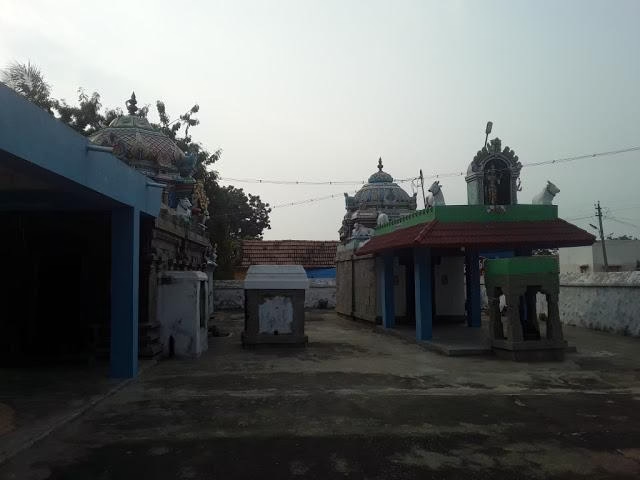
Nestled in the serene village of Edumalai near Thirupattur, the Edumalai Shiva Temple stands as a testament to ancient Dravidian heritage and unwavering faith. Dedicated to Lord Shiva, known here as Edumalai Nathar or Munnetreeswarar, this temple is a sanctuary for seekers of spiritual liberation and earthly prosperity.
Phalaśruti: The Fruits of Worship
According to devout belief, worshipping at Edumalai brings specific blessings. The temple is renowned for:
- Removal of Doshas: Devotees believe that performing abhishekam here washes away ancestral karma and planetary afflictions (Graha Dosha).
- Health and Prosperity: Lord Munnetreeswarar is said to bless childless couples with progeny and cure chronic illnesses.
- Spiritual Liberation: As a Swayambhu (self-manifested) lingam, the deity is considered extremely powerful, granting moksha to sincere devotees.
Historical Origins & Scriptural Legend
While specific inscriptions regarding the dynasty that built the temple are sparse in public records, the architecture and local lore point to the Medieval Chola period or the Pandyas, who were prolific temple builders in the Trichy region.
The Sthala Purana: The Legend of the Self-Existent
Tradition holds that this is a Swayambhu Lingam (one that emerged naturally from the earth, not carved). Legends narrate that Lord Brahma and Indra worshipped the lingam to seek forgiveness for their transgressions. The very ground of Edumalai is believed to radiate a unique spiritual energy that guides devotees toward righteousness.
Local oral stories suggest that sages and rishis (forest dwellers) performed intense penance here, attracting the divine presence of Lord Shiva in the form of a lingam to bless them.
Architectural Marvels
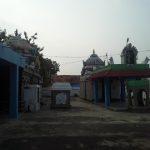
The Edumalai Shiva Temple is a classic example of Dravidian Architecture, characterized by its pyramidal tower (Vimana) and elaborate sculptural work.
Key Architectural Elements
- The Vimana (Shikhara): The tower over the sanctum sanctorum (Garbhagriha) displays the tiers (talas) typical of early Dravidian styles, adorned with potikas (ornamental niches).
- Sanctum Layout: The temple consists of the Garbhagriha (inner sanctum) and an Artha Mandapa (vestibule), leading to a smaller Maha Mandapa (main hall). The architecture focuses on the vertical rise of the tower, symbolizing the ascent to the divine.
- Sculptures: The outer walls and pillars feature intricate carvings of deities from the Hindu pantheon, showcasing the craftsmanship of the era.
Darshan & Ritual Logistics
To ensure a smooth pilgrimage experience in 2026, we have compiled the daily schedules and ritual information. Note that timings are subject to change during festival seasons.
Daily Darshan Timings
| Session | Timing | Duration |
|---|---|---|
| Morning Opening | 6:00 AM | – |
| Morning Abhishekam | 7:00 AM – 8:00 AM | 60 Minutes |
| Midday Closing | 12:00 PM | – |
| Evening Opening | 4:00 PM | – |
| Evening Pooja | 6:30 PM | 30 Minutes |
| Closing | 8:30 PM | – |
Key Sevas and 2026 Festivals
- Abhishekam: Performed daily with water, milk, and honey. A special Rudrabhishekam is performed on Mondays.
- Archana: Recitation of Shiva’s names. Available in Tamil and Sanskrit.
- Online Seva Booking: While local temple administration manages specific slots, devotees are advised to check the Tourism Department of Tamil Nadu portal or local trust boards for digital booking links for upcoming 2026 festivals.
2026 Festival Dates (Tentative)
- Maha Shivaratri: February 26, 2026
- Arudra Darshanam: July 14, 2026
- Aadi Perukku: August 2, 2026
- Skanda Shashti: October 27 – November 2, 2026
Practical Visitor Guidance
Adhering to the temple etiquette ensures respect for the sanctity of the space and a hassle-free darshan.
Rules and Regulations
- Dress Code: Traditional attire is mandatory. Men should wear dhotis or pants with shirts; women should wear sarees, salwar kameez, or traditional skirts.
- Photography: Photography is strictly prohibited inside the sanctum sanctorum (Garbhagriha). You may take photos in the outer prakaram (corridor).
- Mobile Lockers: While there is no complex locker system in this village temple, visitors are advised to carry minimal luggage. Secure storage might be available at the nearby shop.
- Accessibility: The temple has steps leading to the main entrance. It is not fully wheelchair accessible, but the ground level is flat.
Crowd Management
- Best Hours: For a peaceful darshan, visit between 9:00 AM and 11:00 AM, or after 6:00 PM on weekdays.
- Weekends: Expect moderate crowds on Saturdays and Sundays.
- Seasonal Advice: During the summer months (April-June), Trichy temperatures can be high. Carry a water bottle and a head covering.
Pilgrimage Connectivity
Edumalai is strategically located in the Trichy district, making it accessible via major transportation hubs.
How to Reach
- By Air: Trichy International Airport (TRZ) is the nearest airport, approximately 43 km away.
- By Rail: The nearest railway junction is Trichy (Tiruchirappalli). From the station, you can hire a taxi or take a bus to Thirupattur/Edumalai.
- By Road: The temple is located about 6 km from Thirupattur and 38 km from Trichy. It is accessible via State Highway 21. Buses frequently ply from Trichy (Chatram Bus Stand) to Thirupattur.
Nearby Sacred Sites (Pilgrimage Circuit)
While in the region, devotees often visit the following nearby temples:
- Samayapuram Mariamman Temple: (Approx. 16 km) One of the most powerful temples dedicated to Goddess Mariamman.
- Thiruvanaikaval (Jambukeswarar Temple): (Approx. 30 km) One of the Pancha Bhoota Stalam (Water element).
- Uchipillayar Temple: (Approx. 35 km) A hilltop temple offering panoramic views of Trichy.
Photo Gallery

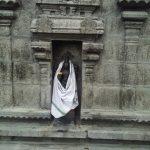
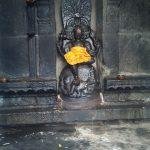

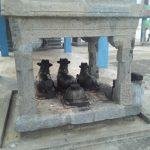
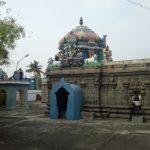
Contact Details
Address: Edumalai Village, Thirupattur Taluk, Trichy District, Tamil Nadu 621110.
Frequently Asked Questions (FAQ)
1. What is the primary deity of Edumalai Temple?
The primary deity is Lord Shiva, worshipped as Edumalai Nathar or Munnetreeswarar. The goddess is known as Periyanayagi (or Goddess Parvati).
2. Is there a VIP darshan entry available?
Being a village temple, Edumalai Temple does not typically have a formalized online VIP ticket system like mega-temples. However, devotees contributing significantly to temple welfare may be granted special access by the trustees during busy hours.
3. Is the temple open 24/7?
No, the temple follows specific timings as listed above. It remains closed between 12:00 PM and 4:00 PM.
4. What is the significance of the name “Edumalai”?
“Edumalai” roughly translates to the “Hill of the Dart” or “Arrow Hill” in local folklore, likely referring to legends involving Lord Murugan (who holds a Vel/dart) or the natural rock formations resembling an arrowhead.
5. Are there accommodation facilities nearby?
There are no lodges directly at the temple. However, Thirupattur (6 km) and Trichy (38 km) offer ample hotel and guest house options for pilgrims.
Recent Posts

ओ सांवरे तूने ही मुझको संभाला – Lyrics & Meaning
ओ सांवरे तूने ही मुझको संभाला – A Prayer to Shyam Origin & Spiritual Essence Why This Bhajan Resonates Devotees chant this when overwhelmed by life’s storms—the refrain ‘तूने ही मुझको संभाला’ is the soul’s sigh of relief: “You…

कथा ये है महाराज मेरे की – Lyrics & Meaning
कथा ये है महाराज मेरे की छत्रपति संभाजी महाराज – A Prayer to Chhatrapati Sambhaji Maharaj Origin & Spiritual Essence Why This Bhajan Resonates Devotees chant this when their spirit feels tested—its powerful refrain “महाराज मेरे” is a soul’s…

Rigveda Samhita Yathartha Anuvada (ऋग्वेद संहिता यथार्थ अनुवाद) – Complete Set with Anvayartha & Hindi/English Translation
The Rigveda is the oldest surviving scripture of humanity and the foundational text of Sanātana Dharma. For serious students, scholars, UPSC aspirants studying ancient Indian history, Sanskrit learners, and spiritual seekers, a precise and grammatically structured translation is indispensable.…

आना भी अकेला है जाना भी अकेला है – Lyrics & Meaning | BharatTemples
आना भी अकेला है जाना भी अकेला है – A Prayer to the Divine Witness Origin & Spiritual Essence Why This Bhajan Resonates Devotees turn to this bhajan in moments of deep reflection—when life’s attachments begin to ache. The…

माता शेरावाली के द्वार जो भी जाता है – Lyrics & Meaning
माता शेरावाली के द्वार जो भी जाता है – A Prayer to Maa Sherawali Origin & Spiritual Essence Why This Bhajan Resonates Devotees turn to this bhajan in times of fear or uncertainty—its promise that no one leaves Maa’s…

मार लेना सपणी उबार लेणा भवरा – Lyrics & Meaning
मार लेना सपणी उबार लेणा भवरा – A Prayer to the Divine Beloved Origin & Spiritual Essence Why This Bhajan Resonates Devotees chant this in moments of deep vulnerability—its cry of “मार लेना सपणी, उबार लेणा भवरा” is the…

हमें श्याम सुंदर भरोसा तुम्हारा – Lyrics & Meaning
हमें श्याम सुंदर भरोसा तुम्हारा – A Prayer to Shyam Sundar Origin & Spiritual Essence Why This Bhajan Resonates Devotees chant this when feeling alone—its refrain ‘de do sahara’ is the soul’s cry for divine support. Lyrics in Hindi…

Mere Satguru Ne Di Thi Davai Lyrics in Hindi & Meaning
Mere Satguru Ne Di Thi Davai: Invoking the Guru’s Liberating Wisdom This soul-stirring bhajan venerates the Satguru (True Spiritual Master) as the divine physician who dispenses the only remedy for life’s deepest sufferings. Composed by Sant Karmaveer Tufani, it…

Janm Diyo Thari Maa Dukh Dekhiyo Lyrics in Hindi & Meaning
जन्म दियो थारी माँ दुख देखियो (Maa’s Grief Upon Birthing You) This soul-stirring Chetavani Bhajan (admonitory hymn) is addressed to the Divine Mother (Maa) – a call for repentance when children forget their filial duties in the dark age…
Bhadi Sabha Mein Thane Manaun Lyrics in Hindi & Meaning
Bhadi Sabha Mein Thane Manaun: Invoking the Spear-Wielding Mother Mata Bhawani (श्री ज्वाला भवानी), the fiery manifestation of Shakti worshipped as the Protector of Dharma in Her Dhaulagarh sanctum. Origin & Spiritual Essence Composed in Rajasthani folk tradition by…