
Contents
- 1 The Definitive Guide to Gangotri Temple: Origin of the Ganges
- 1.1 1. Introduction & Spiritual Essence
- 1.2 2. Historical Origins & Scriptural Legend
- 1.3 3. Architectural Marvels
- 1.4 4. Darshan & Ritual Logistics (2026 Guide)
- 1.5 5. Practical Visitor Guidance
- 1.6 6. Pilgrimage Connectivity
- 1.7 7. Frequently Asked Questions (FAQ)
- 1.7.1 Is there a VIP darshan entry at Gangotri?
- 1.7.2 What is the temperature in Gangotri during the pilgrimage season?
- 1.7.3 Can we carry our own food for Puja?
- 1.7.4 Is there a trek involved to reach the main temple?
- 1.7.5 What is the significance of Bhagirathi Shila?
- 1.7.6 What medical facilities are available?
The Definitive Guide to Gangotri Temple: Origin of the Ganges
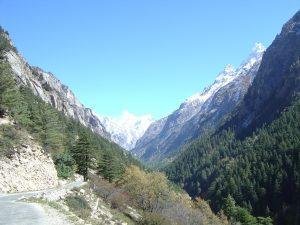
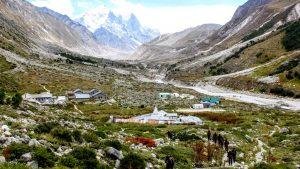
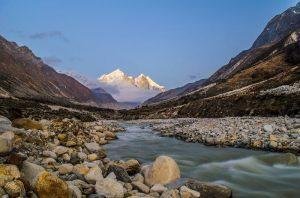
Gangotri, a sacred town and Nagar Panchayat in the Uttarkashi district of Uttarakhand, stands as one of the holiest pilgrimage sites in Hinduism. Perched at an elevation of 3,100 meters (10,200 ft) on the Greater Himalayan Range, it is the winter seat of Goddess Ganga and the origin point of the mighty River Ganges (locally known as Bhagirathi). This guide serves as your spiritual roadmap, designed for the modern pilgrim navigating the ancient paths of the Himalayas.
1. Introduction & Spiritual Essence
The Divine Descent
The primary deity at Gangotri is Goddess Ganga in her anthropomorphic form. The temple houses a stunning marble idol of the Goddess, adorned with a silver crown and a flower bouquet. According to Hindu tradition, Gangotri is the spot where the Ganges descended from heaven to earth, released from the matted locks of Lord Shiva.
Phalaśruti: Spiritual Benefits
Why do millions undertake the arduous journey to Gangotri? The Phalaśruti (scriptural fruits of pilgrimage) associated with this site are profound:
- Purification of Ancestral Karma: It is believed that offering Pinda (rice balls) and performing rituals here liberates ancestors from the cycle of rebirth.
- Removal of Sins: A dip in the icy waters of Bhagirathi washes away lifetime sins.
- Chakra Activation: The Mooladhara (root chakra) energy of the earth is strongest here, aiding spiritual awakening.
2. Historical Origins & Scriptural Legend
Historical Construction
The current Gangotri Temple structure was built in the early 18th century. The renowned Nepalese general, Amar Singh Thapa, constructed the temple around 1810 AD. While the exact date of the initial temple construction is not recorded in stone, the present structure has undergone renovations to preserve its sanctity against the harsh Himalayan climate.
The Legend of Bhagirath
Tradition holds that King Bhagirath performed severe penance here for thousands of years to bring the Ganges down to earth to purify the ashes of his ancestors, King Dasharatha’s sons. It was Lord Shiva who caught the mighty river in his hair to break her fall, leading to the formation of the Bhagirathi river, which later joins the Alaknanda at Devprayag to become the Ganga.
3. Architectural Marvels
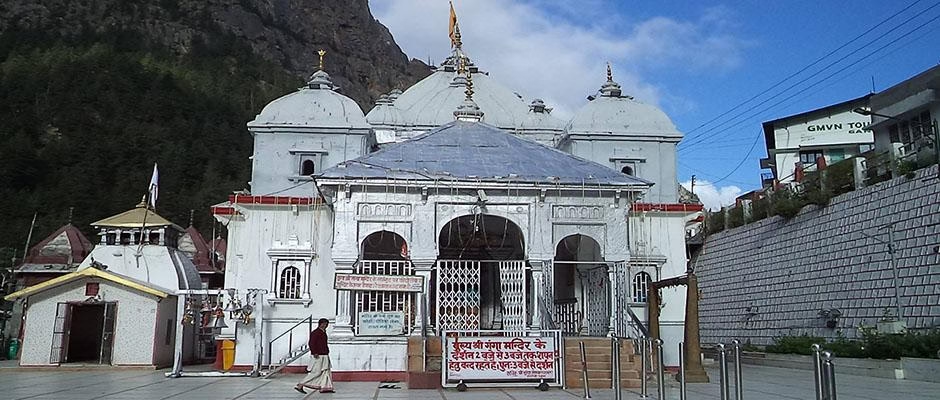
The Gangotri Temple exemplifies the Nagara style of architecture, typical of North Indian temples, adapted to the high-altitude environment.
- Material: Constructed primarily from white marble, reflecting the purity of the snow-clad peaks surrounding it.
- Shikhara: The temple features a tiered Shikhara (spire) culminating in a spherical dome, symbolizing the cosmic mountain.
- Sanctum Sanctorum (Garbhagriha): The inner sanctum houses the idol of Goddess Ganga, flanked by idols of Goddess Yamuna and Goddess Saraswati.
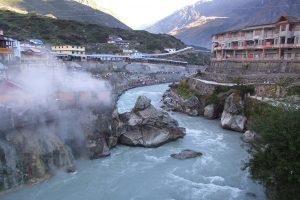
- Surroundings: The temple complex is surrounded by towering deodar trees and overlooks the roaring Bhagirathi river.
4. Darshan & Ritual Logistics (2026 Guide)
The temple generally opens on Akshaya Tritiya (late April or early May) and closes on Diwali (October/November), after which the idol is moved to Mukhba village for winter worship. For 2026, expect the opening date around April 30, 2026, and closing around October 22, 2026.
Daily Darshan Timings
Timings may vary slightly based on weather conditions and religious calendars.
| Session | Timings | Activity |
|---|---|---|
| Morning | 06:00 AM – 12:00 PM | Mangala Aarti, Abhishek, Darshan |
| Afternoon | 12:00 PM – 03:00 PM | Sahasranamavari Puja (Closed) |
| Evening | 03:00 PM – 08:30 PM | Shayan Aarti, Darshan |
Key Sevas & Online Booking
Devotees can book specific Sevas (rituals) such as Abhishekam (ritual bathing of the deity) and Archana (recitation of names) via the official Uttarakhand Char Dham Portal.
- Website: https://www.chardhamyatraonline.gov.in/
- Registration: Mandatory for all pilgrims entering Uttarakhand (Inner Line Permit).
5. Practical Visitor Guidance
Dress Code & Etiquette
- Attire: Traditional Indian clothing (Kurta-Salwar, Saree, Dhoti) is recommended. Western attire should be modest and covered.
- Footwear: Remove shoes before entering the temple premises. Designated shoe stands are available.
- Photography: Strictly prohibited inside the inner sanctum. Photography is allowed in the outer courtyards, but avoid flash near the idol.
- Lockers: Mobile phones, bags, and leather items must be deposited in free lockers provided at the entry gate.
Crowd Management & Seasonal Advice
- Best Hours: Visit between 6:00 AM – 8:00 AM or after 6:00 PM to avoid the heavy pilgrim rush between 10:00 AM and 4:00 PM.
- May/June: Peak season with heavy traffic. Book accommodations months in advance.
- July/August: Monsoon season. Carry rain gear and beware of landslides on the approach roads.
- May/September: Carry water and dry fruits. The high altitude can cause fatigue; walk slowly (pace matters more than speed).
6. Pilgrimage Connectivity
How to Reach Gangotri
Gangotri is connected by motorable roads. The journey begins from Rishikesh or Dehradun.
- Nearest Airport: Jolly Grant Airport, Dehradun (approx. 220 km / 10-11 hours drive).
- Nearest Railway Station: Rishikesh Railway Station (approx. 210 km / 9-10 hours drive).
- By Road: The route follows National Highway 94 (Rishikesh – Tehri – Uttarkashi – Harsil – Gangotri). Shared taxis and buses are available from Rishikesh and Uttarkashi.
Nearby Sacred Sites
Expand your pilgrimage circuit with these nearby destinations:
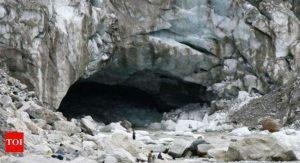
- Gaumukh Glacier (19 km trek): The actual snout of the Gangotri Glacier where the Bhagirathi river originates. Permits required from Gangotri Temple office.
- Tapovan (24 km trek): A high-altitude meadow known for its medicinal grass and Shiva lingam naturally formed by ice.
- Kedarnath & Yamunotri: Along with Gangotri and Badrinath, these form the revered Char Dham circuit.
7. Frequently Asked Questions (FAQ)
Is there a VIP darshan entry at Gangotri?
Yes, the temple committee facilitates a ‘VIP Darshan’ lane for senior citizens, differently-abled pilgrims, and those with special permits (often included in luxury tour packages). However, general darshan is open to all and moving steadily.
What is the temperature in Gangotri during the pilgrimage season?
During the peak season (May–June), days are pleasant (15°C to 20°C) but nights are cold (5°C to 0°C). In October, temperatures drop below freezing, with snowfall possible.
Can we carry our own food for Puja?
Yes, you can carry fruits, sweets, and flowers for offering. However, the temple pantry (Bhandara) provides free food (Prasad) to all devotees. Non-vegetarian food and alcohol are strictly prohibited within the temple town.
Is there a trek involved to reach the main temple?
No, the Gangotri Temple is accessible by vehicle up to the town. From the parking area, it is a short walk (approx. 100 meters) on paved steps to the temple entrance.
What is the significance of Bhagirathi Shila?
Located near the temple, this is a rock slab where King Bhagirath is believed to have meditated to bring Ganga to earth. It is a major point of spiritual interest.
What medical facilities are available?
A primary health center (PHC) exists in Gangotri town. For serious emergencies, patients are evacuated to Uttarkashi or Dehradun. Altitude sickness is common; acclimatize properly before traveling.
Recent Posts

आना भी अकेला है जाना भी अकेला है – Lyrics & Meaning | BharatTemples
आना भी अकेला है जाना भी अकेला है – A Prayer to the Divine Witness Origin & Spiritual Essence Why This Bhajan Resonates Devotees turn to this bhajan in moments of deep reflection—when life’s attachments begin to ache. The…

माता शेरावाली के द्वार जो भी जाता है – Lyrics & Meaning
माता शेरावाली के द्वार जो भी जाता है – A Prayer to Maa Sherawali Origin & Spiritual Essence Why This Bhajan Resonates Devotees turn to this bhajan in times of fear or uncertainty—its promise that no one leaves Maa’s…

मार लेना सपणी उबार लेणा भवरा – Lyrics & Meaning
मार लेना सपणी उबार लेणा भवरा – A Prayer to the Divine Beloved Origin & Spiritual Essence Why This Bhajan Resonates Devotees chant this in moments of deep vulnerability—its cry of “मार लेना सपणी, उबार लेणा भवरा” is the…

हमें श्याम सुंदर भरोसा तुम्हारा – Lyrics & Meaning
हमें श्याम सुंदर भरोसा तुम्हारा – A Prayer to Shyam Sundar Origin & Spiritual Essence Why This Bhajan Resonates Devotees chant this when feeling alone—its refrain ‘de do sahara’ is the soul’s cry for divine support. Lyrics in Hindi…

Mere Satguru Ne Di Thi Davai Lyrics in Hindi & Meaning
Mere Satguru Ne Di Thi Davai: Invoking the Guru’s Liberating Wisdom This soul-stirring bhajan venerates the Satguru (True Spiritual Master) as the divine physician who dispenses the only remedy for life’s deepest sufferings. Composed by Sant Karmaveer Tufani, it…

Janm Diyo Thari Maa Dukh Dekhiyo Lyrics in Hindi & Meaning
जन्म दियो थारी माँ दुख देखियो (Maa’s Grief Upon Birthing You) This soul-stirring Chetavani Bhajan (admonitory hymn) is addressed to the Divine Mother (Maa) – a call for repentance when children forget their filial duties in the dark age…
Bhadi Sabha Mein Thane Manaun Lyrics in Hindi & Meaning
Bhadi Sabha Mein Thane Manaun: Invoking the Spear-Wielding Mother Mata Bhawani (श्री ज्वाला भवानी), the fiery manifestation of Shakti worshipped as the Protector of Dharma in Her Dhaulagarh sanctum. Origin & Spiritual Essence Composed in Rajasthani folk tradition by…
श्याम सुन्दरवा छोटे छोटे कनुवा Lyrics & Meaning
श्याम सुन्दरवा छोटे छोटे कनुवा (Shyam Sundarva Chhote Chhote Kanuva) is a heartfelt invocation to Lord Krishna in his most enchanting form—Shyam Sundar (the dark, beautiful one). This bhajan is a plea for the divine child Kanha to grace…
Maat Meri Chintapurni Lyrics in Hindi & Meaning
Maat Meri Chintapurni is a heartfelt devotional prayer dedicated to Maa Chintapurni, a form of the Divine Mother. She is revered as the remover of worries and the granter of wishes, especially venerated in the Himalayan region of Himachal…
थारी रे नदियां का ढावा पे खीची राजा Lyrics & Meaning
खीची राजा का अद्भुत युद्ध: एक शौर्य गाथा यह भजन एक पौराणिक या ऐतिहासिक शूरवीर राजा की वीरता का वर्णन करता है, जो प्रायः गुजराती लोक संस्कृति में लोककथाओं का हिस्सा है। इसकी रचना दुर्गेश कटारा ने की है…