
Contents
- 1 Definitive Pilgrimage Guide: Gopinath Mandir, Ningthoukhong, Manipur
Definitive Pilgrimage Guide: Gopinath Mandir, Ningthoukhong, Manipur
By the Lead Heritage Architect, BharatTemples.com
1. Introduction & Spiritual Essence
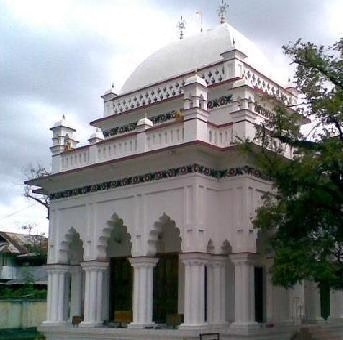
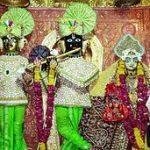
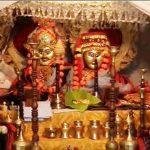
Standing as a bastion of devotion in the heart of Manipur, the Gopinath Mandir in Ningthoukhong is not merely a structure of stone and mortar; it is a living chronicle of faith. Dedicated to Lord Krishna (Gopinath), this temple holds the distinction of being the second-largest temple in the state of Manipur. The presiding deity, Lord Gopinath (a form of Krishna representing the “Enchanter of the Gopis”), is venerated here as a Swayambhu (self-manifested) idol, believed to have appeared naturally rather than being carved by human hands.
Phalaśruti (Spiritual Benefits): Devotees flock to the Gopinath Mandir with specific spiritual intentions. According to the Shastras, worshipping Lord Krishna in the form of Gopinath helps in:
- Cleansing Ancestral Karma: Performing rituals here is believed to liberate ancestors from the cycle of karma, ensuring peace for the departed souls.
- Mental Peace & Devotion: As the deity of divine love, darshan here is said to instill Bhakti Rasa (flavor of devotion) in the heart, alleviating anxiety and stress.
- Removal of Planetary Obstacles: Worship on specific days is traditionally linked to pacifying the ill effects of malefic planets in one’s horoscope.
2. Historical Origins & Scriptural Legend
Builders and Epoch:
According to temple records and historical archives of the Manipuri Kingdom, the Gopinath Mandir traces its origins back to the 18th century. It is closely associated with the reign of King Gambhir Singh (Maharaja Nara Singh) and the historical capital shifting of Manipur. The temple was originally established in the ancient capital of Kangla before being relocated to Ningthoukhong to safeguard the kingdom’s spiritual heritage during turbulent times. The current structural complex, however, bears the marks of renovations carried out in the early 20th century.
Sthala Purana (Local Legends):
Tradition holds that the idol of Lord Gopinath was originally installed by King Bhadra Maniyan in the 18th century. The legend speaks of the deity granting divine visions to the royal family. A prominent local narrative involves the migration of the deity; during the devastating famines and political shifts of the past, the idol was moved for protection, yet it always returned to Ningthoukhong by the divine will of the Lord, cementing the location’s spiritual potency.
3. Architectural Marvels
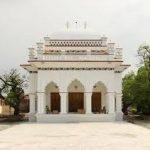
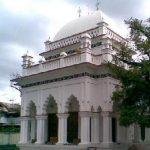
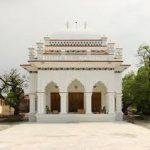
The Gopinath Mandir is a stunning example of the Manipur architectural style, a unique blend of traditional Hindu Nagara styles adapted to the local geography. The temple is built on a raised plinth, oriented eastward to catch the first rays of the sun.
- Shikhara (Tower): Unlike the towering spires of South Indian temples, the Shikhara here is distinct—curved and ornate, built with white concrete and adorned with gold-leaf finials. It symbolizes the peaks of Mount Meru.
- Mandapas (Halls): The temple features expansive Mandapas used for congregational worship. The pillared halls display intricate wood carvings depicting scenes from the Ramayana and Mahabharata, alongside motifs from Manipuri folklore.
- The Sanctum (Garbhagriha): The inner sanctum is designed to dampen sound, creating a resonance of chanting that heightens the meditative experience.
Preservation Status: While specific ASI (Archaeological Survey of India) status varies by structure, the temple is protected under the state’s heritage conservation acts and is a landmark of Ningthoukhong.
4. Darshan & Ritual Logistics
Visiting Gopinath Mandir requires an understanding of the daily rituals. The temple follows traditional timings, split between morning and evening sessions.
| Time Slot | Opening Time | Closing Time |
|---|---|---|
| Morning Darshan | 06:00 AM | 12:00 PM |
| Afternoon Break | 12:00 PM | 04:00 PM |
| Evening Darshan | 04:00 PM | 08:30 PM |
Key Sevas (Rituals)
- Mangala Arati: The first morning ritual (approx. 6:00 AM) featuring the waving of lamps.
- Abhishekam: Ritual bathing of the deity. This is usually performed on auspicious days like Ekadashi.
- Archana/Naivedyam: Offering of flowers and food (usually Makhan Mishri for Krishna).
Online Seva Booking
To facilitate pilgrims, the temple administration (under the Ningthoukhong Gopinath Mandir Committee) has digitized bookings. You can book specific Sevas via the official state temple portal or the designated counter at the temple entrance.
2026 Festival Calendar
Major festivals are celebrated with grandeur. Key dates for 2026 are:
- Janmashtami: August 14, 2026 (Main celebration on this date).
- Rath Yatra (Snana Yatra): June 1, 2026.
- Holi (Yaosang): March 13-14, 2026.
- Gaura Purnima: March 13, 2026.
5. Practical Visitor Guidance
Dress Code: Modest attire is mandatory. Men should wear dhotis or trousers with shirts; women should wear sarees or traditional Manipuri attire (Phanek/Innaphi). Shorts and sleeveless tops are discouraged.
Photography & Electronics: Photography inside the Garbhagriha is strictly prohibited. Mobile phones are allowed but must be kept on silent mode. Some areas may require you to deposit phones in lockers.
Crowd Management:
– Best Hours: Weekday mornings (Tuesday to Thursday) are least crowded.
– Weekends & Festivals: Expect heavy crowds; arrival by 5:30 AM is advised.
– Seasonal Advice: Manipur can be humid. In summer (April-May), carry a water bottle (plastic not allowed, bring steel/glass) and a handkerchief. Monsoon (June-August) requires an umbrella and raincoat.
6. Pilgrimage Connectivity
How to Reach:
Ningthoukhong is located roughly 8 km from the district headquarters of Bishnupur and approximately 140 km from Imphal, the state capital.
- By Air: Imphal International Airport (142 km away). Taxis and shared Sumos are available from the airport to Bishnupur/Ningthoukhong.
- By Rail: Manipur does not have a broad-gauge railway line yet. The nearest major railhead is in Jiribam (approx 200 km), but it is easier to fly. However, trains to Dimapur (Nagaland) or Guwahati (Assam) are viable options, followed by a bus taxi to Imphal.
- By Road: NH-102 connects Imphal to Bishnupur. State Transport buses and private taxis run regularly. The roads are well-maintained.
Nearby Sacred Sites (Pilgrimage Circuit)
- Shri Shri Govindajee Temple (Imphal): The largest and most famous Vaishnav temple in Manipur (45 mins drive).
- Loktak Lake & Sendra Island: Home to the sacred Keibul Lamjao National Park and floating temples; a natural wonder.
- Kaina Temple: Located on a hillock about 30 km from Imphal, this is a sacred site where Lord Govindajee appeared in a dream.
7. Frequently Asked Questions (FAQ)
Is there a VIP darshan entry at Gopinath Mandir?
While the temple does not have a commercialized “VIP ticket” system like some major South Indian shrines, there is a separate entry lane for senior citizens, differently-abled devotees, and those performing specific Sevas (Abhishekam).
Is non-vegetarian food allowed near the temple?
No. Since Gopinath Mandir is a Vaishnav shrine, the entire complex and surrounding vicinity are strictly vegetarian zones. Alcohol and non-vegetarian food are prohibited.
What is the best time to visit the temple?
The best weather is from October to March. However, for devotees, Janmashtami (August) is the most spiritually vibrant time, though very crowded.
Are there accommodation facilities nearby?
Yes, Dharamshalas (pilgrim rest houses) are available in Ningthoukhong and Bishnupur. For better amenities, hotels in Imphal are recommended (30-40 min drive).
What is the significance of the name “Gopinath”?
“Gopinath” translates to “The Lord of the Gopis” (cowherd maidens). It refers to the divine play (Leela) of Lord Krishna in Vrindavan, representing the highest form of pure, transcendental love.
Address: Gopinath Mandir, Ningthoukhong Town, Bishnupur District, Manipur, India.
Photo Gallery:
Recent Posts

माता शेरावाली के द्वार जो भी जाता है – Lyrics & Meaning
माता शेरावाली के द्वार जो भी जाता है – A Prayer to Maa Sherawali Origin & Spiritual Essence Why This Bhajan Resonates Devotees turn to this bhajan in times of fear or uncertainty—its promise that no one leaves Maa’s…

मार लेना सपणी उबार लेणा भवरा – Lyrics & Meaning
मार लेना सपणी उबार लेणा भवरा – A Prayer to the Divine Beloved Origin & Spiritual Essence Why This Bhajan Resonates Devotees chant this in moments of deep vulnerability—its cry of “मार लेना सपणी, उबार लेणा भवरा” is the…

हमें श्याम सुंदर भरोसा तुम्हारा – Lyrics & Meaning
हमें श्याम सुंदर भरोसा तुम्हारा – A Prayer to Shyam Sundar Origin & Spiritual Essence Why This Bhajan Resonates Devotees chant this when feeling alone—its refrain ‘de do sahara’ is the soul’s cry for divine support. Lyrics in Hindi…

Mere Satguru Ne Di Thi Davai Lyrics in Hindi & Meaning
Mere Satguru Ne Di Thi Davai: Invoking the Guru’s Liberating Wisdom This soul-stirring bhajan venerates the Satguru (True Spiritual Master) as the divine physician who dispenses the only remedy for life’s deepest sufferings. Composed by Sant Karmaveer Tufani, it…

Janm Diyo Thari Maa Dukh Dekhiyo Lyrics in Hindi & Meaning
जन्म दियो थारी माँ दुख देखियो (Maa’s Grief Upon Birthing You) This soul-stirring Chetavani Bhajan (admonitory hymn) is addressed to the Divine Mother (Maa) – a call for repentance when children forget their filial duties in the dark age…
Bhadi Sabha Mein Thane Manaun Lyrics in Hindi & Meaning
Bhadi Sabha Mein Thane Manaun: Invoking the Spear-Wielding Mother Mata Bhawani (श्री ज्वाला भवानी), the fiery manifestation of Shakti worshipped as the Protector of Dharma in Her Dhaulagarh sanctum. Origin & Spiritual Essence Composed in Rajasthani folk tradition by…
श्याम सुन्दरवा छोटे छोटे कनुवा Lyrics & Meaning
श्याम सुन्दरवा छोटे छोटे कनुवा (Shyam Sundarva Chhote Chhote Kanuva) is a heartfelt invocation to Lord Krishna in his most enchanting form—Shyam Sundar (the dark, beautiful one). This bhajan is a plea for the divine child Kanha to grace…
Maat Meri Chintapurni Lyrics in Hindi & Meaning
Maat Meri Chintapurni is a heartfelt devotional prayer dedicated to Maa Chintapurni, a form of the Divine Mother. She is revered as the remover of worries and the granter of wishes, especially venerated in the Himalayan region of Himachal…
थारी रे नदियां का ढावा पे खीची राजा Lyrics & Meaning
खीची राजा का अद्भुत युद्ध: एक शौर्य गाथा यह भजन एक पौराणिक या ऐतिहासिक शूरवीर राजा की वीरता का वर्णन करता है, जो प्रायः गुजराती लोक संस्कृति में लोककथाओं का हिस्सा है। इसकी रचना दुर्गेश कटारा ने की है…
बेगो बेगो चाल श्याम सिंगोली बुलावे रे Lyrics in Hindi & Meaning
Bhajan Title & Deity This bhajan, बेगो बेगो चाल श्याम सिंगोली बुलावे रे, is dedicated to Lord Shyam, a revered form of Lord Krishna. Origin & Spiritual Essence The composer of this bhajan is not specified, but it is…