Guruvayur Temple: History, Darshan Timings & Complete Pilgrimage Guide
Receive daily temple updates, divine darshan, and morning bhajans directly on WhatsApp.
Contents
- 1 Introduction & Spiritual Essence
- 2 Historical Origins & Scriptural Legend
- 3 Architectural Marvels
- 4 Darshan & Ritual Logistics
- 5 Practical Visitor Guidance
- 6 Pilgrimage Connectivity
Introduction & Spiritual Essence
Located in the serene town of Thrissur, Kerala, the Guruvayur Temple stands as a timeless beacon of devotion. Known famously as Bhuloka Vaikunta (The Holy Abode of Vishnu on Earth), this ancient sanctuary is dedicated to Lord Guruvayurappan, a majestic four-armed form of Lord Vishnu.
Unlike the abstract symbolism found in some Vedic rituals, the Sree Guruvayurappan icon represents the divine form revealed to Vasudeva and Devaki at the moment of Lord Krishna’s birth. He is worshipped here in his baby form (Balagopala), radiating a unique blend of innocence and omnipotence. Adorned with the holy Tulasi garland and a pearl necklace, the deity exudes a magnetic spiritual energy that draws millions of devotees annually.
Phalaśruti: The Benefits of Visiting
According to Vedic scriptures and devotee traditions, a pilgrimage to Guruvayur offers profound spiritual benefits:
- Removal of Ancestral Karma: It is believed that offering prayers here liberates ancestors from Pitru Dosha, granting them peace.
- Healing and Health: Lord Guruvayurappan is revered as a divine healer. Many devotees visit seeking recovery from prolonged illnesses.
- Family Harmony: The temple is traditionally associated with blessings for marriage, childbirth, and the well-being of the family unit.
Historical Origins & Scriptural Legend
The history of Guruvayur is a tapestry of mythology and recorded chronology. While the temple’s primary identity is linked to the Dwapara Yuga (the era of Lord Krishna), its current structural form has evolved over millennia.
The Divine Legend
The Sthala Purana (local legend) states that the idol of Guruvayurappan was personally sanctified by Lord Brahma and later worshipped by him. It was subsequently handed over to the Guru of the Gods, Brihaspati (Guru), who installed it on Earth. The name “Guruvayur” is a portmanteau of “Guru” (Brihaspati) and “Vayu” (the Wind God), signifying their joint role in bringing the idol to this sacred spot.
Historically, the temple finds mention in various ancient texts, including the Brahmanda Purana and Varaha Purana. The current sanctum structure is believed to have been established around 14th century AD, though legends suggest the original idol dates back 5,000 years. The temple was expanded significantly by various rulers, including the Zamorin of Calicut and later the rulers of Cochin. It was also an early stronghold of Sri Adi Shankaracharya‘s spiritual influence; it is said he worshipped here before establishing the Sri Krishna Yantra (Vidhyarambham) ritual, which is still performed today.
Today, the temple is managed by the Guruvayur Devaswom, a board appointed by the Government of Kerala, ensuring the strict adherence to Agamic rituals.
Architectural Marvels
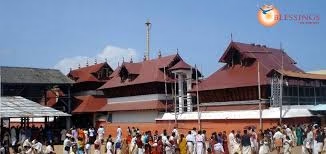
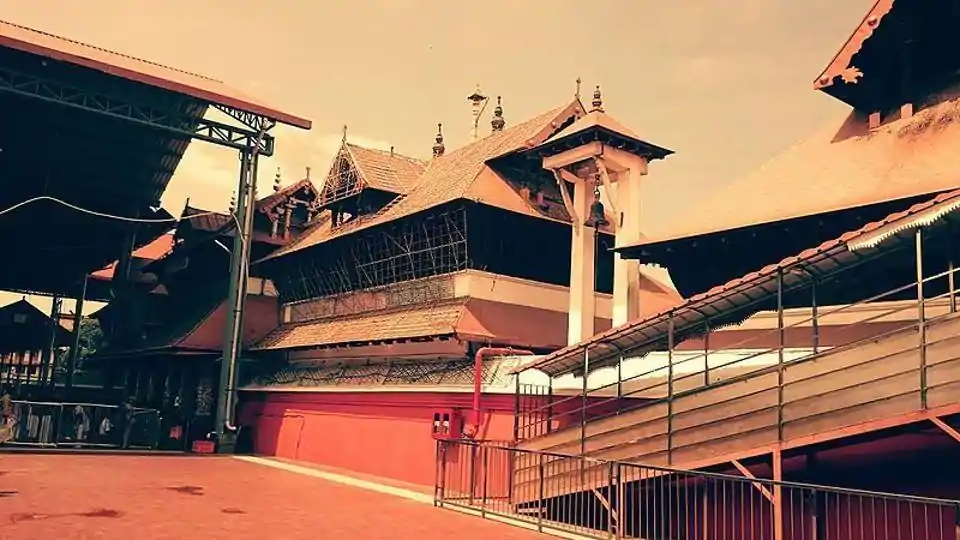
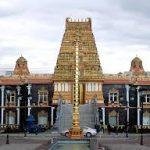
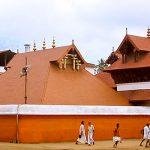
The Guruvayur Temple is a supreme example of the traditional Architecture of Kerala, blending Dravidian influences with local aesthetics. The temple complex is a self-contained universe, designed according to Vastu Shastra principles to channel positive energy toward the central sanctum.
The Sanctum and Mandapas
The core shrine is a square structure built in granite. The Garbhagriha (inner sanctum) houses the idol, which stands about 4 feet tall. Surrounding the sanctum are the Mandapas (pillared halls), including the Mukhamandapa (front hall) and the Nadu Mandapa (central hall), where the Utsava Vigraha (processional deity) is placed during festivals.
The flooring of the temple is done with the unique Pathinettam Padi (18 steps), each carved from a single stone. Climbing these steps is considered a highly meritorious act. The outer walls are adorned with intricate wood carvings and laterite stone work, while the inner sanctum has silver-plated walls reflecting the divine aura of the lamp.
While the temple is not a UNESCO heritage site, it is a protected monument under the Indian Trust for Rural Development (ITRD) guidelines, preserving its heritage status.
📖 Related: Vaikom Mahadeva Temple: History, Darshan Timings & Pilgrimage Guide
Darshan & Ritual Logistics
Visiting Guruvayur requires planning, as the temple draws massive crowds, especially on weekends and festivals. Below are the daily timings and key rituals for 2026.
Daily Darshan Timings
| Session | Timing | Description |
|---|---|---|
| Morning | 03:00 AM – 12:30 PM | Opens with Nirmalyam. The temple closes briefly after noon prayers. |
| Evening | 04:00 PM – 09:30 PM | Reopens with Deeparadhana. Closes after Thrikala Sandhya. |
| Ucha Puja | 12:00 PM – 12:30 PM | The noon offering when the sanctum is open. |
Key Sevas and Online Booking
Devotees can book Sevas (ritual services) online through the official Devaswom website. Key Sevas include:
- Abhishekam: Ritual bathing of the deity (performed at 2:30 PM daily).
- Archana: Recitation of the Lord’s names (can be performed by devotees or priests).
- Annadhanam: Offering meals to the deity and devotees.
Note: Seva bookings for 2026 festivals should be made at least 3 months in advance.
2026 Festival Calendar (Highlights)
Assuming the current year is 2026, mark these dates:
- Janmashtami (Birth of Krishna): August 14-15, 2026. This is the grandest festival at Guruvayur.
- Kumbham Utsavam: February/March (The 10-day festival dedicated to Lord Krishna).
- Ekadasi: Observed twice a month (11th day of lunar fortnight). Particularly significant: Vaikuntha Ekadasi (January 2026).
Practical Visitor Guidance
To ensure a smooth pilgrimage, adhere to the following guidelines:
- Dress Code: Strict adherence to traditional attire is mandatory. Men must wear Mundu (dhoti) or trousers (no shorts). Women must wear sarees, salwar kameez, or long skirts.
- Photography: Strictly prohibited inside the temple complex. Mobile phones should be kept on silent or deposited at the free locker facilities.
- Crowd Management: The best time to visit for a peaceful Darshan is early morning (3:30 AM – 5:00 AM) or late evening (8:00 PM – 9:30 PM). Avoid weekends if possible.
- Seasonal Advice: Kerala can be humid. Carry a water bottle (available inside), and wear light cotton clothing. During the monsoon (June-September), carry an umbrella.
Pilgrimage Connectivity
How to Reach Guruvayur
Guruvayur is well-connected by road, rail, and air.
- By Air: The nearest airport is Kochi International Airport (COK), approximately 85 km away (2 hours drive). Calicut International Airport (CCJ) is about 90 km away.
- By Rail: Guruvayur Railway Station is the terminus of the Guruvayur – Thrissur railway line. Major railhead is Thrissur (TCR) (29 km), which connects to all major cities in India.
- By Road: Located on NH 544 (formerly NH 47). Regular buses run from Ernakulam, Thrissur, and Palakkad. State Highways connect to Tamil Nadu border.
📖 Related: Thiruvanchikulam Temple: History, Paadal Petra Sthalam & Darshan Timings
Nearby Sacred Sites
Enhance your spiritual journey by visiting these nearby locations:
- Parthasarathy Temple: Located in nearby Kodungallur (Cherai Beach side), dedicated to Lord Krishna in his charioteer role.
- Vadakkunnathan Temple: Located in Thrissur (29 km away), a UNESCO World Heritage Site dedicated to Lord Shiva.
- Cherai Beach: A serene spot for reflection, located roughly 30 km away, blending spirituality with nature.
images, Guruvayur Temple, Thrissur, Kerala
images, Guruvayur Temple, Thrissur, Kerala
main-qimg-32e02759be4ad83e1262e4201b1f5ac1
guruvayor-onam-2k16, Guruvayur Temple, Thrissur, Kerala
08TV_SREE_PADMANABHA_SWAMY_TEMPLE, Guruvayur Temple, Thrissur, Kerala
_4c4da36a-3d41-11e7-99bd-b9a47f5fadca
guruvayoordne, Guruvayur Temple, Thrissur, Kerala
download, Guruvayur Temple, Thrissur, Kerala
guruvayur, Guruvayur Temple, Thrissur, Kerala
Frequently Asked Questions (FAQs)
1. Is there a VIP darshan entry?
Yes, the Guruvayur Devaswom offers a Special Entry Darshan for ₹50 (subject to change in 2026). Additionally, VIP tickets can be booked through the Devaswom office for faster access, though general devotees are given priority during most rituals.
2. What is the significance of the name ‘Guruvayurappan’?
The term combines “Guru” (Brihaspati), “Vayu” (Wind God), and “Appan” (Father). It signifies the idol installed by these two deities, representing the combined wisdom (Guru) and spiritual force (Vayu) of the universe.
3. Can foreigners visit the temple?
Yes, but only those of Indian origin or those who follow the Hindu faith are permitted inside the sanctum sanctorum. Others may view the outer complex and architecture. Removal of footwear and adherence to the dress code is strictly enforced for everyone.
4. How far in advance should I book accommodation?
For visits during major festivals like Janmashtami, booking 6 months in advance is advisable. The Devaswom runs guest houses (Guruvayur Devaswom Guest House) which are affordable and clean; these can be booked online.
5. What is the ‘Vidhyarambham’ ceremony?
Guruvayur is the primary center for Vidhyarambham (initiation of education). It is a ritual where children write their first letters on rice grains. This is performed on the last day of the Navaratri festival (Vijaya Dashami) every year, and is highly auspicious.