
Contents
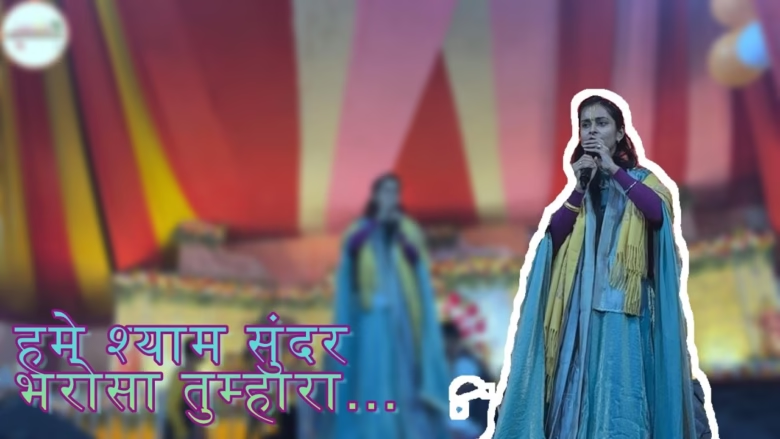
हमें श्याम सुंदर भरोसा तुम्हारा – A Prayer to Shyam Sundar
Origin & Spiritual Essence
- Composer/Tradition: This bhajan flows from the timeless oral tradition of Shyam Sundar devotion.
- Phalaśruti: Sung to dissolve anxiety and awaken surrender.
Why This Bhajan Resonates
Devotees chant this when feeling alone—its refrain ‘de do sahara’ is the soul’s cry for divine support.
Lyrics in Hindi (Devanagari)
तर्ज – तुम्ही मेरे मंदिर।
हमें श्याम सुंदर,
भरोसा तुम्हारा,
दे दो सहारा,
ना कोई हमारा।।
विष प्याला ले कर में,
मीरा पुकारी,
विष भोग आकर के,
लगाओ मुरारी,
मीरा ने प्याले में,
तुमको निहारा,
दे दो सहारा
ना कोई हमारा।।
जमाने के आगे,
बहुत बार रोया,
पापों की गठरी,
सर पे है ढोया,
दर दर पे भटका मैं,
बनके बेचारा,
दे दो सहारा
ना कोई हमारा।।
मैं हूं दुखी और,
तुम दुख हारी,
क्या जोड़ी बनी है,
हमारी तुम्हारी,
प्रभु नाम है,
दीन बंधु तुम्हारा,
दे दो सहारा
ना कोई हमारा।।
हमें श्याम सुंदर,
भरोसा तुम्हारा,
दे दो सहारा,
ना कोई हमारा।।
Simple English Meaning (Bhava-Focused)
“Hamen Shyam Sundar” is the cry of a soul that has nowhere else to turn. The devotee places complete bhava—emotional surrender—on Krishna, the dark-complexioned beloved, trusting only in His grace.
Invoking Meera’s story, the bhajan recalls how she drank poison but saw only Krishna in the cup. “Tumko nihara” means: even in suffering, the devotee sees only the Divine. Pain becomes prasad when offered with love.
The lines “pap ki gathari sar pe” speak of the weight of past mistakes. Yet the devotee doesn’t hide. They come to God burdened, broken, and still call out—”de do sahara”—give me support, for I have no one else.
“Tum dukh hara, hum dukhi”—You remove sorrow, yet I remain in pain. This paradox is the heart of devotion: not asking to escape suffering, but to feel God’s presence within it.
The refrain returns like a heartbeat: “De do sahara, na koi hamara.” In a world of fleeting relationships, only Shyam Sundar remains. This is the ultimate surrender—to admit helplessness and still believe in love.
When & How to Chant
- Ideal time: Any moment of longing, especially evenings or during personal hardship.
- Simple offerings: A tulsi leaf, a ghee lamp, or silent tears.
- Repetition: Chant 11x when seeking comfort; 108x during Shravan or times of deep surrender.
Cultural Legacy
This bhajan is lovingly sung in homes and satsangs across India.
Devotees Ask (FAQs)
Absolutely. The divine hears the heart’s intention. Start with listening, and let the melody carry your prayer.
Meera chose Krishna over poison—and survived. Her faith turned death into devotion. This stanza reminds us: when God is seen in all, even pain becomes sacred.
Yes. This bhajan was born from despair. Your helplessness is not weakness—it’s an invitation for grace.
Shyam Sundar is Krishna, the dark-complexioned, eternally beautiful Lord. He is the protector of the helpless and the joy of the surrendered.
Yes. Let Surbhi Chaturvedi’s voice elevate your home into a temple. Play it with folded hands and an open heart.
Recent Posts

माता शेरावाली के द्वार जो भी जाता है – Lyrics & Meaning
माता शेरावाली के द्वार जो भी जाता है – A Prayer to Maa Sherawali Origin & Spiritual Essence Why This Bhajan Resonates Devotees turn to this bhajan in times of fear or uncertainty—its promise that no one leaves Maa’s…

मार लेना सपणी उबार लेणा भवरा – Lyrics & Meaning
मार लेना सपणी उबार लेणा भवरा – A Prayer to the Divine Beloved Origin & Spiritual Essence Why This Bhajan Resonates Devotees chant this in moments of deep vulnerability—its cry of “मार लेना सपणी, उबार लेणा भवरा” is the…

Mere Satguru Ne Di Thi Davai Lyrics in Hindi & Meaning
Mere Satguru Ne Di Thi Davai: Invoking the Guru’s Liberating Wisdom This soul-stirring bhajan venerates the Satguru (True Spiritual Master) as the divine physician who dispenses the only remedy for life’s deepest sufferings. Composed by Sant Karmaveer Tufani, it…

Janm Diyo Thari Maa Dukh Dekhiyo Lyrics in Hindi & Meaning
जन्म दियो थारी माँ दुख देखियो (Maa’s Grief Upon Birthing You) This soul-stirring Chetavani Bhajan (admonitory hymn) is addressed to the Divine Mother (Maa) – a call for repentance when children forget their filial duties in the dark age…
Bhadi Sabha Mein Thane Manaun Lyrics in Hindi & Meaning
Bhadi Sabha Mein Thane Manaun: Invoking the Spear-Wielding Mother Mata Bhawani (श्री ज्वाला भवानी), the fiery manifestation of Shakti worshipped as the Protector of Dharma in Her Dhaulagarh sanctum. Origin & Spiritual Essence Composed in Rajasthani folk tradition by…

श्याम सुन्दरवा छोटे छोटे कनुवा Lyrics & Meaning
श्याम सुन्दरवा छोटे छोटे कनुवा (Shyam Sundarva Chhote Chhote Kanuva) is a heartfelt invocation to Lord Krishna in his most enchanting form—Shyam Sundar (the dark, beautiful one). This bhajan is a plea for the divine child Kanha to grace…
Maat Meri Chintapurni Lyrics in Hindi & Meaning
Maat Meri Chintapurni is a heartfelt devotional prayer dedicated to Maa Chintapurni, a form of the Divine Mother. She is revered as the remover of worries and the granter of wishes, especially venerated in the Himalayan region of Himachal…
थारी रे नदियां का ढावा पे खीची राजा Lyrics & Meaning
खीची राजा का अद्भुत युद्ध: एक शौर्य गाथा यह भजन एक पौराणिक या ऐतिहासिक शूरवीर राजा की वीरता का वर्णन करता है, जो प्रायः गुजराती लोक संस्कृति में लोककथाओं का हिस्सा है। इसकी रचना दुर्गेश कटारा ने की है…
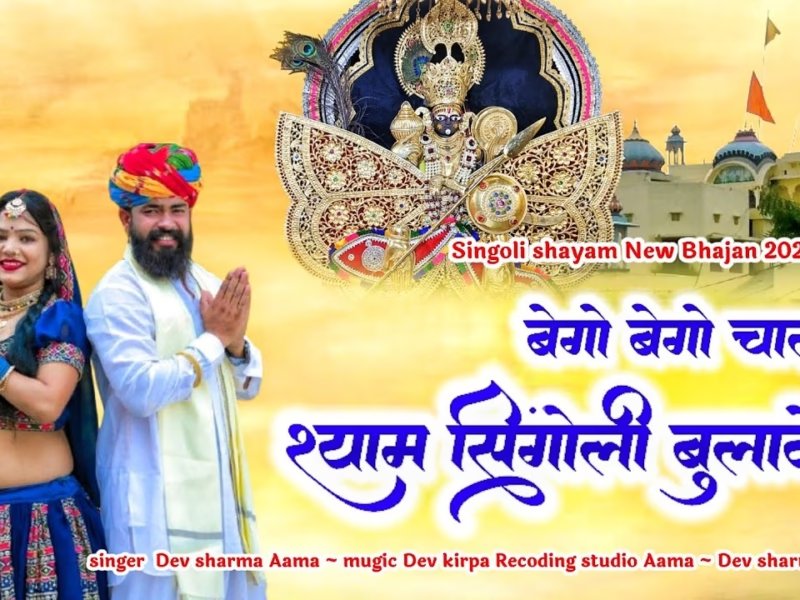
बेगो बेगो चाल श्याम सिंगोली बुलावे रे Lyrics in Hindi & Meaning
Bhajan Title & Deity This bhajan, बेगो बेगो चाल श्याम सिंगोली बुलावे रे, is dedicated to Lord Shyam, a revered form of Lord Krishna. Origin & Spiritual Essence The composer of this bhajan is not specified, but it is…
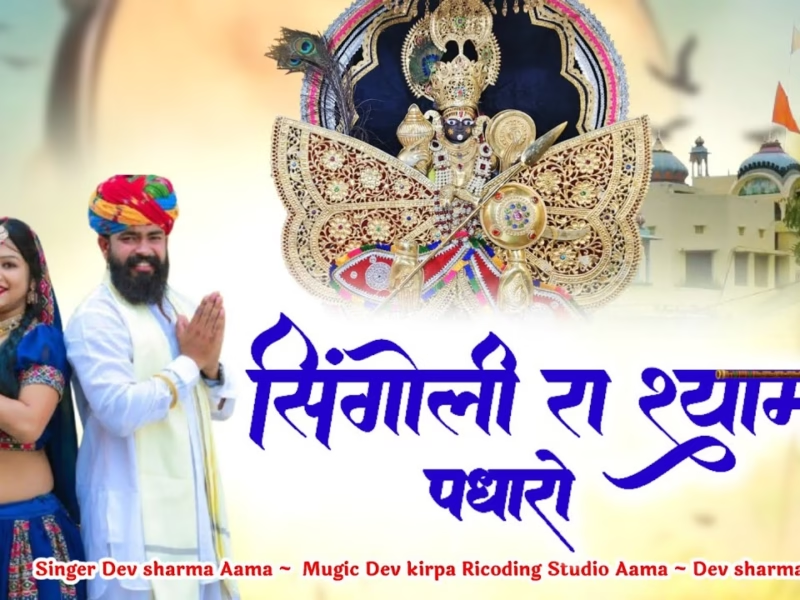
सिंगोली रा श्याम पधारो Lyrics in Hindi & Meaning
सिंगोली रा श्याम पधारो Bhajan & Deity This sacred bhajan, सिंगोली रा श्याम पधारो, is dedicated to Lord Shyam, a revered deity in the Hindu tradition. The composer of this bhajan is Dev Sharma Aama. Origin & Spiritual Significance…