

Contents
Introduction & Spiritual Essence
The Hayagriva Madhava Temple, perched atop the Monikut hill in Hajo, Kamrup, Assam, stands as a profound symbol of religious harmony and ancient devotion. While primarily a Hindu shrine dedicated to Lord Vishnu, it is revered equally by Buddhist communities who visit to honor the site where Lord Buddha is believed to have attained Nirvana. The temple complex is a spiritual oasis where the distinct traditions of both faiths coalesce.
Primary Deity & Form
The presiding deity is Hayagriva Madhava, an incarnation of Lord Vishnu depicted with a horse’s head (Hayagriva) and a human body (Madhava). This form is revered as the bestower of knowledge, wisdom, and eloquence. The murti (idol) is considered a Swayambhu (self-manifested) representation, adding to its potency and sanctity.
Phalaśruti: The Benefits of Pilgrimage
Devotees undertake this pilgrimage to:
- Gain Wisdom: Hayagriva is the Adhipati (Lord) of education. Students and scholars visit to seek blessings for academic success and clear articulation.
- Cleanse Ancestral Karma: Rituals performed here, particularly Shraddha and Tarpana, are believed to bring peace to the souls of ancestors and liberate them from the cycle of rebirth.
- Religious Harmony: The temple embodies the convergence of Vaishnavism and Mahayana Buddhism, offering a unique spiritual experience that transcends religious boundaries.
Historical Origins & Scriptural Legend
The history of the Hayagriva Madhava Temple is a tapestry woven from myth, royal patronage, and historical renovation.
Construction and Renovation
According to established records, the current stone structure of the temple was constructed in 1583 AD by King Raghudeva Narayan of the Koch dynasty. However, historians suggest that a temple existed on this site as early as the 10th century, likely built by the Pala dynasty kings. The temple underwent significant restoration in the 19th century under the patronage of Kalia Bhomora Borphukan and his wife Sayani.
Scriptural & Oral Legends
The Hindu Tradition: Legend holds that the demon king Hiranyakashipu, after receiving a boon of immortality, challenged the existence of Vishnu. His son, Prahlada, remained a devout follower of Vishnu. Vishnu appeared in the form of Narasimha (half-man, half-lion) to slay the demon. The Hayagriva form is considered a subsequent incarnation used to restore the Vedas, which were stolen by two demons named Madhu and Kaitabha. Thus, the temple is a guardian of divine knowledge.
The Buddhist Legend: Local lore states that on this very hill, Buddha in his previous incarnation as Hayagriva vanquished the demon Hayagriva (a buffalo-headed beast). Later, Buddha attained Nirvana at this sacred spot. Consequently, Tibetan and Mahayana Buddhist monks frequently visit, believing it to be one of the most significant Buddhist pilgrimage sites in Assam.
Architectural Marvels
The temple is a masterpiece of the Assamese architectural style, influenced by the Nagara tradition of North India and Vastu Shastra principles.
Structural Details
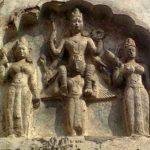
Built entirely of stone, the temple rests on a massive stone plinth. The most distinctive feature is the series of elephant sculptures (Gajathara) carved in relief along the base and walls of the sanctum. These carvings are considered a hallmark of Assamese art and symbolize stability and strength.
The Shikhara (tower) rises above the sanctum sanctorum, housing the main deity. The exterior walls are adorned with intricate carvings of deities, floral motifs, and geometric patterns. While the temple does not hold an ASI or UNESCO status, its historical significance has led to government-protected heritage status.
| Date built: | 1583 AD (Current Structure) |
|---|---|
| Deity: | Hayagriva Madhava (Vishnu) |
| Architectural style: | Assamese / Nagara |
| Major festivals | Doul Utsav, Bihu, Janmastami |
| Locale: | Hajo |
| District:: | Kamrup |
| Address: | Monikut Hill, Hajo, Assam 781102 |
| Phone | +91 99545 09438 |
Darshan & Ritual Logistics (2026 Update)
Visitors can perform various Sevas and attend daily rituals. The atmosphere is generally serene, though it gets crowded during festivals.
Daily Timings
| Session | Time Slot | Details |
|---|---|---|
| Morning Darshan | 05:30 AM – 12:00 PM | Commences with Mangala Aarti. |
| Afternoon Break | 12:00 PM – 2:30 PM | Temple sanctum closed for ritual bath (Snanam) and rest. |
| Evening Darshan | 02:30 PM – 07:30 PM | Includes Sandhya Aarti (sunset). |
Key Sevas & Online Booking
While local bookings are available at the temple counter, advance online booking is recommended for major festivals. The primary Sevas include:
- Madhava Archana: Chanting of the 108 names of Vishnu.
- Hayagriva Abhishekam: Ritual bathing of the deity with milk, honey, and ghee (usually performed on special Saturdays).
- Sahasranama Archana: Recitation of 1000 names of Lord Vishnu.
Booking Portal: Assam Government Tourism or the temple’s official district website typically hosts the booking link for Online Seva Booking.
Major Festival Dates for 2026
- Janmastami (Birth of Lord Krishna): September 13, 2026. This is the biggest celebration here, drawing devotees from across the state.
- Holi (Doul Utsav): March 13-14, 2026. Known locally as Doul Utsav, it is celebrated with Phaguram Pali in the courtyard.
- Rongali Bihu: April 14, 2026. The Assamese New Year, celebrated with cultural music and dance within the temple premises.
Photo Gallery



Practical Visitor Guidance
To ensure a respectful and smooth visit, please adhere to the following guidelines:
- Dress Code: Traditional modest clothing is preferred. Men should wear dhotis or trousers/shirts, and women should wear sarees, salwar kameez, or skirts. Avoid shorts and sleeveless tops.
- Photography: Photography is restricted inside the sanctum sanctorum (Garbhagriha) where the deity resides. It is generally permitted in the courtyard and outer corridors.
- Luggage & Mobiles: Mobile lockers are available near the entrance (usually for a nominal fee). It is mandatory to deposit mobile phones and electronic devices before entering the inner shrine. The use of footwear is strictly prohibited throughout the temple complex.
- Crowd Management: The temple is located on a hill, requiring a steep walk. The best time to visit is early morning (6:00 AM) to avoid crowds and heat. During the summer months (May–June), carry a water bottle and cover your head with a scarf/cap.
Pilgrimage Connectivity
How to Reach
The temple is located approximately 30 km west of Guwahati.
- By Air: Lokpriya Gopinath Bordoloi International Airport in Guwahati is the nearest airport (approx. 45 minutes by taxi).
- By Rail: Guwahati Railway Station (GHY) is the major railhead. From there, hire a cab or take a bus to Hajo.
- By Road: Located on NH-27. Regular buses and private taxis are available from ISBT Betkuchi and Paltan Bazar in Guwahati. The drive is scenic, crossing the Brahmaputra via the Saraighat Bridge.
Nearby Sacred Sites (Pilgrimage Circuit)
Completing a circuit of these sites is considered highly meritorious:
- Hojo Poreshwar Temple: Located just a few meters from the Hayagriva Madhava Temple, this shrine is dedicated to Lord Shiva (the local deity Poreshwar).
- Kedareswar Temple: Also in Hajo, this is another ancient Shiva temple located on a river island nearby, known for its Shivalinga.
- Sukreswar Temple: Located on the banks of the Brahmaputra in Guwahati (before crossing the bridge), this temple is dedicated to Lord Shiva and is known for its association with the sage Sukrate (Sukracarya).
Frequently Asked Questions (FAQ)
1. Is Hayagriva Madhava Temple a Hindu or Buddhist temple?
The temple is primarily dedicated to Lord Vishnu (Hayagriva form) in Hinduism. However, it holds immense significance in Buddhism as the site where Buddha is believed to have attained Nirvana. It is a unique symbol of harmony where both faiths worship respectfully.
2. Is there a VIP darshan entry?
There is no exclusive VIP entry lane for general tourists. However, priority is given to elderly devotees (above 65 years), differently-abled visitors, and those who have booked specific Sevas/Pujas online in advance.
3. What is the best time of year to visit?
The ideal time is between October and March when the weather in Assam is pleasant and dry. Avoid the peak monsoon (July–August) due to slippery stone steps on the hill.
4. Is parking available at the temple?
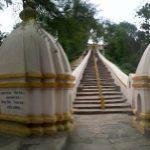
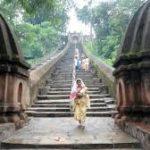
Yes, there is a designated parking area at the base of the Monikut hill. From there, visitors must ascend a flight of stone steps to reach the temple entrance.
5. Are there accommodation facilities nearby?
While there are limited lodges in Hajo, most pilgrims prefer staying in Guwahati (30 km away) which offers a wide range of hotels and guesthouses. The Assam Tourism Development Corporation (ATDC) runs the Hotel Purbashree in Hajo for accommodation.
Contact Details
Official Address:
Hayagriva Madhava Temple Committee
Hajo, District Kamrup
Assam, India – 781102
Phone: +91 99545 09438 (Enquiry)
Recent Posts

ओ सांवरे तूने ही मुझको संभाला – Lyrics & Meaning
ओ सांवरे तूने ही मुझको संभाला – A Prayer to Shyam Origin & Spiritual Essence Why This Bhajan Resonates Devotees chant this when overwhelmed by life’s storms—the refrain ‘तूने ही मुझको संभाला’ is the soul’s sigh of relief: “You…

कथा ये है महाराज मेरे की – Lyrics & Meaning
कथा ये है महाराज मेरे की छत्रपति संभाजी महाराज – A Prayer to Chhatrapati Sambhaji Maharaj Origin & Spiritual Essence Why This Bhajan Resonates Devotees chant this when their spirit feels tested—its powerful refrain “महाराज मेरे” is a soul’s…

Rigveda Samhita Yathartha Anuvada (ऋग्वेद संहिता यथार्थ अनुवाद) – Complete Set with Anvayartha & Hindi/English Translation
The Rigveda is the oldest surviving scripture of humanity and the foundational text of Sanātana Dharma. For serious students, scholars, UPSC aspirants studying ancient Indian history, Sanskrit learners, and spiritual seekers, a precise and grammatically structured translation is indispensable.…

आना भी अकेला है जाना भी अकेला है – Lyrics & Meaning | BharatTemples
आना भी अकेला है जाना भी अकेला है – A Prayer to the Divine Witness Origin & Spiritual Essence Why This Bhajan Resonates Devotees turn to this bhajan in moments of deep reflection—when life’s attachments begin to ache. The…

माता शेरावाली के द्वार जो भी जाता है – Lyrics & Meaning
माता शेरावाली के द्वार जो भी जाता है – A Prayer to Maa Sherawali Origin & Spiritual Essence Why This Bhajan Resonates Devotees turn to this bhajan in times of fear or uncertainty—its promise that no one leaves Maa’s…

मार लेना सपणी उबार लेणा भवरा – Lyrics & Meaning
मार लेना सपणी उबार लेणा भवरा – A Prayer to the Divine Beloved Origin & Spiritual Essence Why This Bhajan Resonates Devotees chant this in moments of deep vulnerability—its cry of “मार लेना सपणी, उबार लेणा भवरा” is the…

हमें श्याम सुंदर भरोसा तुम्हारा – Lyrics & Meaning
हमें श्याम सुंदर भरोसा तुम्हारा – A Prayer to Shyam Sundar Origin & Spiritual Essence Why This Bhajan Resonates Devotees chant this when feeling alone—its refrain ‘de do sahara’ is the soul’s cry for divine support. Lyrics in Hindi…

Mere Satguru Ne Di Thi Davai Lyrics in Hindi & Meaning
Mere Satguru Ne Di Thi Davai: Invoking the Guru’s Liberating Wisdom This soul-stirring bhajan venerates the Satguru (True Spiritual Master) as the divine physician who dispenses the only remedy for life’s deepest sufferings. Composed by Sant Karmaveer Tufani, it…

Janm Diyo Thari Maa Dukh Dekhiyo Lyrics in Hindi & Meaning
जन्म दियो थारी माँ दुख देखियो (Maa’s Grief Upon Birthing You) This soul-stirring Chetavani Bhajan (admonitory hymn) is addressed to the Divine Mother (Maa) – a call for repentance when children forget their filial duties in the dark age…

Bhadi Sabha Mein Thane Manaun Lyrics in Hindi & Meaning
Bhadi Sabha Mein Thane Manaun: Invoking the Spear-Wielding Mother Mata Bhawani (श्री ज्वाला भवानी), the fiery manifestation of Shakti worshipped as the Protector of Dharma in Her Dhaulagarh sanctum. Origin & Spiritual Essence Composed in Rajasthani folk tradition by…