Himani Chamunda Temple History, Darshan Timings & Complete Trekking Guide (2026)

Receive daily temple updates, divine darshan, and morning bhajans directly on WhatsApp.
Contents
- 1 Definitive Pilgrimage Guide: Himani Chamunda, Kangra
Definitive Pilgrimage Guide: Himani Chamunda, Kangra
Nestled high in the Dhauladhar range of the Himalayas lies a shrine of immense power and spiritual gravitas. The Himani Chamunda Temple, also revered as Aadi Himani Chamunda, stands as a beacon of devotion for devotees seeking the blessings of Goddess Chamunda—the fierce aspect of Shakti. Located at an altitude of approximately 2,810 meters, this temple is not merely a destination but a journey of surrender.
Unlike the more accessible Chamunda Devi Temple below, the Himani Chamunda Mandir requires a spiritual trek, making the pilgrimage a test of devotion and endurance. This guide is engineered to assist devotees and travelers in 2026, providing historical context, architectural insights, and logistical precision for a seamless darshan experience.
1. Introduction & Spiritual Essence
The Form of the Deity
The temple is dedicated to Maa Chamunda, a fierce avatar of Goddess Durga. She is the slayer of demons Chanda and Munda and the destroyer of all evil. The murti (idol) here is a Swayambhu (self-manifested) stone encased in silver. The atmosphere at the summit, surrounded by the towering peaks of the Dhauladhar, creates a palpable sense of divine energy.
Phalaśruti: Why Devotees Visit
According to Hindu scriptures, visiting this temple yields profound spiritual benefits:
- Destruction of Enemies: Chamunda is known for protecting her devotees from external and internal threats.
- Ancestral Peace: Performing Shradh or Tarpan here is believed to liberate ancestors from the cycle of rebirth.
- Overcoming Fear: The trek itself is a metaphor for conquering life’s obstacles, and the darshan instills a deep sense of fearlessness.
📖 Related: Thiruvanchikulam Temple: History, Paadal Petra Sthalam & Darshan Timings
2. Historical Origins & Scriptural Legend
The Legend of Chand and Mund
The Devi Mahatmyam and Markandeya Purana narrate the battle of Goddess Chamunda against the demons. Tradition holds that upon defeating the demons Chand and Mund, the Goddess stood atop this mountain to subdue the remaining negative energies. Locals believe the name “Kangra” itself is derived from “Kangra,” meaning “granary,” blessed by the Goddess after her victory.
Historical Timeline & Restoration
According to temple records and local history:
- Ancient Origins: The temple is believed to be of great antiquity, standing close to the ruins of the palace of Raja Chandar Bhan Chand Katoch (who ruled until 1660 AD). The structure is likely older than the surrounding ruins.
- The Restoration Era: Until 1992, the temple lay in a state of neglect. It was primarily through the tireless efforts of Mr. P. D. Saini, a retired Class 1 officer, that the temple was restored over two decades of dedicated work.
- Recent Challenges: A devastating fire in 2014 destroyed the recently built structures. However, true to the resilience of Chamunda’s devotees, reconstruction began immediately with the help of the Temple Trust and local pilgrims.
3. Architectural Marvels
Style and Vastu
The temple follows the North Indian (Nagara) architectural style, though the high-altitude setting has necessitated a robust, rugged design to withstand the Himalayan weather.
Structural Highlights
- The Sanctum (Garbhagriha): The inner sanctum houses the silver-plated murti. The architecture focuses inward, drawing the devotee’s gaze directly to the deity.
- Natural Setting: Unlike urban temples, the architecture here harmonizes with nature. The temple is built on a ridge that offers panoramic views of the Kangra Valley.
- The Approach: The stone-paved steps leading up to the temple are a feat of traditional masonry, winding through pine forests.
“The temple stands at an elevation of 3185 meters, offering a direct line of sight to the lower Chamunda Devi temple—symbolizing the connection between the earthly and the celestial.”
4. Darshan & Ritual Logistics (2026 Season)
Note: As of 2026, the temple is fully operational for pilgrims. However, winter months may see temporary closures due to heavy snowfall.
Daily Timings
| Session | Timing | Activity |
|---|---|---|
| Morning | 6:00 AM – 12:00 PM | Mangala Aarti & Abhishekam |
| Afternoon | 12:00 PM – 4:00 PM | General Darshan (Closed for Aarti) |
| Evening | 4:00 PM – 7:00 PM | Sandhya Aarti & Closing |
📖 Related: Mudikkode Shiva Temple, Thrissur, Kerala
Key Sevas & Online Booking
To perform specific rituals, devotees can book online seva via the official Himachal Tourism portal or the Temple Trust website (links typically found via the contact details section below).
- Abhishekam: Performing ritual bathing of the deity (requires prior permission).
- Archana: Recitation of individual names of the Goddess.
- Chunri Offering: Draping the goddess in a red veil (popular during Navratri).
Major 2026 Festival Dates
- Navratri (Chaitra): March 30 – April 7, 2026 (Highly crowded; book accommodation early).
- Navratri (Shardiya): October 2 – October 10, 2026 (Peak pilgrimage season).
- Diwali: November 5, 2026 (Special night aarti).
5. Practical Visitor Guidance
Dress Code & Etiquette
Modesty is paramount. Devotees are advised to wear traditional Indian attire (Saree, Salwar Kameez, Kurta-Pajama). Western clothing like shorts or tank tops is discouraged. Leather items are strictly prohibited.
Trekking & Safety
The trek from Jadrangal village to the summit takes approximately 2.5 to 3 hours. The path is stone-paved but steep.
- Footwear: Strong, grip-based trekking shoes are mandatory.
- Hydration: While water is available at intervals, it is advisable to carry 1 liter of water per person.
- Winter Travel: Between December and February, the temple is buried under snow and is closed. Trekking is extremely hazardous during this period.
Mobile Lockers & Facilities
Mobile phones and cameras are often restricted near the sanctum. Small locker facilities are available at the base camp (Jadrangal) and near the temple entrance, but availability is limited. It is best to travel light.
Accessibility
The steep nature of the trek makes it challenging for elderly devotees. Palanquins (Doli) are available at the base for those unable to walk, but this requires hiring extra porters.
6. Pilgrimage Connectivity
How to Reach Himani Chamunda (2026)
Nearest Airport:
Gaggal Airport (Dharamshala), Himachal Pradesh (IATA: DHM).
Distance: Approx. 65 km from Jadrangal Base.
Nearest Railway Station:
Pathankot Railway Station (PTK), Punjab.
Distance: Approx. 85 km (3 hours drive).
By Road:
From Dharamshala or Palampur, take the State Highway towards Jadrangal Village. Private taxis and HRTC buses ply on the main route. The drive offers stunning views of the Dhauladhar range.
📖 Related: Sabarimala Temple History and Darshan Timings: The Definitive Pilgrimage Guide
Nearby Sacred Sites (Pilgrimage Circuit)
To make the most of your journey to Kangra, consider visiting these nearby shrines:
- Chamunda Devi Temple (Lower): Located at the foot of the hill, this is the starting point for the trek. A must-visit for a complete darshan.
- Brajeshwari Devi Temple (Kangra): One of the 51 Shakti Peethas, located in Kangra town. It is renowned for its legendary wealth and architectural splendor.
- Jwala Ji Temple: An ancient temple dedicated to the Goddess with the flaming mouth. Located about 30 km from Kangra.

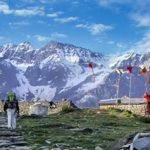
The scenic trek through pine forests towards the summit.
24177481_896088193892690_4363969630692179968_n
2329-main-entrance-shri-chamunda-kangra-ji-temple-himachal-pradesh-india
images, Himani Chamunda, Kangra, Himachal Pradesh
Himachal-s-hill33615, Himani Chamunda, Kangra, Himachal Pradesh
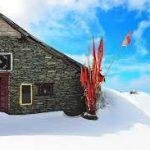
download, Himani Chamunda, Kangra, Himachal Pradesh
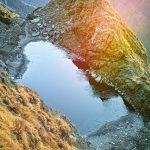
lake+near+the+temple, Himani Chamunda, Kangra, Himachal Pradesh
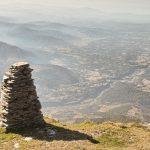
Cairn+overlooking+Kangra+valley, Himani Chamunda, Kangra, Himachal Pradesh
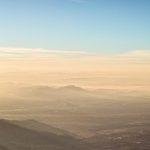
overlooking+kangra+valley+at+sunrise
7. Frequently Asked Questions (FAQ)
Is there a VIP Darshan entry available?
At Himani Chamunda, the concept of VIP entry is limited due to the small size of the sanctum. However, devotees with physical disabilities or severe health issues can arrange a Doli (palanquin) service to bypass the trek, which allows for a more direct approach. Prior permission from the temple trust is recommended.
What is the best time of day to visit to avoid crowds?
Weekdays (Tuesday to Thursday) are generally less crowded than weekends. The best time to start the trek is at 6:00 AM from the base to reach the summit by 9:00 AM, avoiding the midday sun and the afternoon rush.
Are there accommodation facilities at the hilltop?
There is no formal hotel or guest house at the summit of Himani Chamunda. Basic pilgrim rest houses (Dharamshalas) are available at the lower Chamunda town and Jadrangal. For comfort, staying in Dharamshala or Palampur is recommended.
Can we carry our own food and water?
Yes. It is highly recommended to carry dry fruits, energy bars, and water. Small tea stalls and snack shops are available along the trek route, but they may be closed during off-seasons or bad weather.
Is the trek safe for children?
Yes, children above 10 years who are physically active usually manage the trek well. However, constant supervision is required as the path has steep drops in some sections. For younger children, the Doli service is advised.
Disclaimer: While every effort is made to ensure the accuracy of this guide, timings and protocols are subject to change by the Temple Trust. Please check official sources before planning your travel.