Ilampalamukku Mahadevar Temple: History, Darshan Timings & Complete Pilgrimage Guide
Receive daily temple updates, divine darshan, and morning bhajans directly on WhatsApp.
Contents
- 1 Introduction & Spiritual Essence: The Abode of the Ila-Mala-Izhundhu
- 2 Historical Origins & Scriptural Legend
- 3 Architectural Marvels
- 4 Darshan & Ritual Logistics (2026 Guide)
- 5 Practical Visitor Guidance
- 6 Pilgrimage Connectivity
- 7 Photo Gallery
- 8 Frequently Asked Questions (FAQs)
- 9 Contact Details
Introduction & Spiritual Essence: The Abode of the Ila-Mala-Izhundhu
In the serene landscape of Kollemcode, Kanyakumari, stands the Ilampalamukku Mahadevar Temple, a sanctuary of profound spiritual vibrations. Dedicated to Lord Shiva, worshipped here as the Mahadevar, this temple represents the benevolent aspect of the Cosmic Destroyer.
Phalaśruti: The Divine Benefits of Visitation
Devotees flock to this shrine seeking the grace of Lord Shiva to resolve planetary afflictions and attain inner peace. According to temple lore and the faith of the locals, a sincere darshan (viewing) of the Swayambhu idol here is believed to:
- Cleanse Ancestral Karma: Offering Gangai Jal (Ganga water) at the Ilampalamukku Mahadevar is believed to absolve Pitru Dosha and bring peace to ancestors.
- Grant Marital Harmony: Unmarried individuals and couples facing obstacles often visit to perform specific archanas seeking blessings for a harmonious union.
- Alleviate Health Issues: Lord Shiva, in his form as Vaidyanathar (Healer), is worshipped here for physical well-being.
Historical Origins & Scriptural Legend
While specific architectural dating remains elusive in official records, the temple’s existence is deeply woven into the fabric of ancient Kanyakumari traditions. The temple stands as a testament to the region’s rich Saivite heritage.
📖 Related: Manikka Vinayakar Temple, Rockfort: History, Darshan Timings & Guide
Scriptural References and The Sthala Purana
While the temple may not appear in major Vedic texts, its significance is derived from the Stala Purana (local mythology). Tradition holds that the name “Ilampalamukku” derives from the union of sacred elements: “Ilam” (referencing the roots of the Banyan tree, symbolizing stability) and “Palam” (fruit/fruitfulness), signifying the granting of boons.
The Swayambhu (self-manifested) nature of the Shiva Lingam indicates that the deity was not carved by human hands but discovered naturally. The temple is owned and managed by an independently selected committee within the region of Ilampalamukku and Kollemcode, preserving its traditional governance structures.
Architectural Marvels
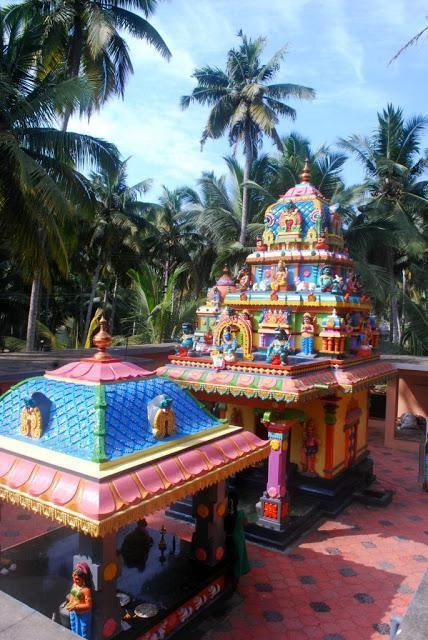
The Ilampalamukku Mahadevar Temple is a classic example of the Dravidian style of architecture. The structure emphasizes horizontal lines and steps, creating a pyramid-like structure that leads the eye upward towards the heavens.
Sanctum and Mandapas
The inner sanctum (Garbhagriha) houses the Mahadevar Lingam, which is the focal point of worship. The Ardha Mandapa (front porch) features intricately carved pillars depicting scenes from Shaivite lore. The roof structures are designed to allow natural ventilation and light, adhering to traditional Vastu Shastra principles which ensure a flow of positive energy.
Darshan & Ritual Logistics (2026 Guide)
To facilitate a smooth pilgrimage experience, we have compiled the daily schedule and key rituals. Please note that timings may vary slightly during festivals.
Daily Timings
| Session | Timings | Activity |
|---|---|---|
| Morning | 06:00 AM – 12:00 PM | Ushathkala Puja, Sreevili, Abhishekam |
| Afternoon | 12:00 PM – 04:30 PM | Deeparadhana (Closure) |
| Evening | 05:00 PM – 08:00 PM | Athazha Puja, Deeparadhana |
Key Sevas and Online Booking
While the temple is managed locally, standard Sevas can be performed. For 2026, devotees are encouraged to contact the temple office directly for specific rituals.
- Abhishekam: Performed with water, milk, and honey. Timing: 7:00 AM – 9:00 AM.
- Archana: Recitation of names. Timing: Throughout the day.
- Online Seva Booking: While a dedicated online portal is under construction for 2026, bookings can currently be managed via the contact details provided below.
📖 Related: Dharmasastha Temple, Choozhal: History, Darshan Timings & Ayyappan Significance
2026 Festival Calendar (Major Events)
Plan your visit around these auspicious days for enhanced spiritual merit:
- Maha Shivaratri: February 26, 2026 (Wednesday) – Special night-long darshan and homams.
- Pradosham: Occurring twice monthly; specifically March 11 and March 25, 2026.
- Arudra Darshanam: Expected in December 2026 (Date based on Tamil Calendar).
Practical Visitor Guidance
Ensuring a respectful and comfortable visit is paramount.
- Dress Code: Traditional attire is mandatory. Men should wear dhotis or trousers with shirts; women should wear sarees, churidars, or long skirts. Avoid shorts and sleeveless tops.
- Photography & Mobiles: Photography is restricted inside the inner sanctum. It is advisable to switch off mobile phones or keep them in silent mode within the temple premises.
- Crowd Management: The temple attracts moderate crowds. Best hours to visit: 7:00 AM (morning opening) or 6:00 PM (evening ritual). Weekends and Mondays tend to be busier.
- Accessibility: The temple premises are relatively flat, but steps lead to the sanctum. Assistants are available for elderly devotees upon request.
Pilgrimage Connectivity
Located on the Pazhaya Uchakkada Kanyakumari West Coast Road, the temple is easily accessible.
How to Reach
- By Road: The temple is located at about 2 Kms from Kollemcode. It is situated right next to the Ilampalamukku Bus Stop. Major highways connecting the region include NH 66 and SH 176.
- Nearest Railway Station: Kuzhithurai (approx. 15 Kms). Alternatively, Nagercoil Junction is 42 Kms away.
- Nearest Airport: Trivandrum International Airport (TIV), Thiruvananthapuram, located approximately 40–45 Kms away.
Nearby Sacred Sites
Expand your pilgrimage circuit with these nearby spiritual destinations:
- Thanumalayan Temple (Suchindram): Located roughly 15 Kms away. Famous for its musical pillars and Hanuman statue.
- Kumarakovil Temple: Approximately 12 Kms away. A hill temple dedicated to Lord Murugan, offering panoramic views.
- Kanyakumari Amman Temple: Located 63 Kms south. The southernmost tip of India where the three oceans meet.
📖 Related: Adikesava Perumal Temple Sriperumpudur: History, Darshan Timings & Guide
Photo Gallery
Ilampalamukku Mahadevar Temple, Kollemcode, Kanyakumari
Frequently Asked Questions (FAQs)
1. Is there a VIP Darshan entry at Ilampalamukku Mahadevar Temple?
As a local temple managed by a committee, there is no formal online VIP entry system found in mega-temples. However, devotees arriving early for morning Puja generally face minimal waiting times.
2. What is the best time of year to visit Kanyakumari for a temple tour?
The ideal months are October to March. The weather is cool and pleasant. May and June are very hot; if visiting then, carry plenty of water and an umbrella.
3. Are there accommodation facilities near the temple?
Lodging options are available in Marthandam (16 Kms) and Nagercoil (42 Kms). Kollemcode has limited guest houses. We recommend booking hotels in advance during festival seasons.
4. Is the temple open on all days?
Yes, the temple is open daily. However, it may close briefly during mid-afternoon for cleaning and priest rest (approx. 12:00 PM – 4:30 PM).
5. Can international tourists visit?
Absolutely. Non-Hindus are welcome to view the architecture and receive blessings, though entry into the inner sanctum may be restricted based on temple tradition at the time of visit.
Contact Details
Ilampalamukku Mahadevar Temple
Ilampalamukku, Kollemcode,
Kanyakumari – 629 160
Phone: +91 4651 246 021
Email: Ilampalamukkumahadevan@gmail.com
Original Source: https://tamilnadu-favtourism.blogspot.com/2018/01/ilampalamukku-mahadevar-temple-kollemcode-kanyakumari.html