Jagannath Temple Baripada: History, Darshan Timings & Complete Guide (2026)

Receive daily temple updates, divine darshan, and morning bhajans directly on WhatsApp.
Contents
- 1 Jagannath Temple Baripada: The Second Srikhetra of Odisha
Jagannath Temple Baripada: The Second Srikhetra of Odisha
Nestled in the cultural heart of Mayurbhanj, the Jagannath Temple in Baripada stands as a monumental testament to Odisha’s spiritual heritage. Often revered as the “Second Srikhetra,” this temple mirrors the sanctity of the Puri Jagannath Temple, offering a profound pilgrimage experience filled with devotion, history, and architectural splendor. Unlike the bustling crowds of Puri, Baripada offers a slightly more serene yet deeply traditional atmosphere, making it a sacred destination for Lord Jagannath devotees.
| Date built: | 12th century CE |
|---|---|
| Deity: | – |
| Architectural style: | Hindu temple architecture |
| Major festivals | – |
| Locale: | – |
| District:: | Mayurbhanj |
| Address: | Deulasahi, Huduco Colony, Bhanjpur, Baripada, Odisha 757001 |
| Phone | – |
1. Introduction & Spiritual Essence
The Jagannath Temple in Baripada is dedicated to Lord Jagannath (the Lord of the Universe), his elder brother Lord Balabhadra, and their sister Devi Subhadra. The name Jagannath is derived from Sanskrit: Jagat (Universe) and Nath (Master/Lord).
Phalaśruti (Spiritual Benefits):
Devotees believe that a pilgrimage to this temple, known as the Dakshina Kashi (Southern Kashi) of the region, helps in cleansing ancestral karma. It is specifically renowned for fulfilling the wishes of childless couples and providing mental peace. The temple follows the ancient rituals established by the Gauda Vaishnava tradition, ensuring the spiritual potency remains intact.
2. Historical Origins & Scriptural Legend
Origins of the Second Srikhetra
While specific historical records vary, temple historians and local tradition suggest the temple’s roots trace back to the 12th century CE, potentially established during the Ganga Dynasty rule in Odisha. It was likely expanded or renovated by the Bhanja rulers of Mayurbhanj, who were ardent devotees of Lord Jagannath.
📖 Related: Sarala Temple, Jagatsinghpur: History, Darshan Timings & Guide (2026)
Sthala Purana (Local Legend):
According to local lore, the idols in this temple are believed to be carved from the same divine logs as the deities in Puri. Tradition holds that the temple was established to allow devotees in the northern part of Odisha to access the divine grace of Lord Jagannath without making the arduous journey to Puri. The rituals are identical to those in Puri, earning it the title “Srikhetra,” meaning the holy field of Lord Vishnu.
3. Architectural Marvels
The temple exemplifies the classic Kalinga style of Hindu architecture, characterized by its towering spires and intricate carvings.
- The Shikhara (Tower): The temple features a Pancharatha style Vimana (sanctum tower), meaning it consists of five chariots or sections arranged in a pyramidal structure. This is distinct from the Puri temple which is Rekha Deul style, yet it retains the grandeur typical of Odishan temples.
- Deul and Jagamohana: The sanctum (Deul) is preceded by a larger hall (Jagamohana) for assembly and prayers. The outer walls are adorned with stone carvings depicting deities, floral motifs, and mythological scenes.
- Preservation: While not a UNESCO site, the temple is maintained by the Archaeological Survey of India (ASI) to some extent, preserving the ancient stone work that has survived centuries of weathering.
4. Darshan & Ritual Logistics
The rituals in the Jagannath Temple, Baripada, strictly adhere to the Niti Kanda (ritual procedures) found in the Puri temple. The Gumuta Seva (priestly service) is performed by a specific lineage of priests.
Daily Darshan Timings
Timings are subject to change during festivals. It is advisable to check local listings before visiting.
| Session | Timing | Activity |
|---|---|---|
| Morning | 05:00 AM – 12:00 PM | Mangala Alati, Abhishek, Gopalastami |
| Afternoon Break | 12:00 PM – 03:00 PM | Deity Rest (Sandhya Alati at 4 PM) |
| Evening | 03:00 PM – 09:00 PM | Darshan, Bada Simha, Pahuda |
Key Sevas & Booking
- Mangala Alati: The morning ritual to wake the deity.
- Abhishekam: Ritual bathing of the idols (usually done on specific Ekadashi days).
- Anna Prasana: Offering of food to the Lord.
📖 Related: Panchalingeshwar Temple, Balasore: History, Darshan Timings & Complete Pilgrimage Guide
Online Booking: Currently, the Odisha Government’s Shree Jagannath Temple Administration (SJTA) portal focuses heavily on Puri. For Baripada, it is recommended to visit the temple office in person for special Seva bookings, or contact the local administration.
2026 Festival Highlights
The Baripada temple is world-famous for its Rathayatra (Chariot Festival). Unlike Puri, Baripada has a unique tradition regarding the chariots of Maa Subhadra.
- Rathayatra (June 27, 2026): The Chariots of Lord Jagannath and Balabhadra proceed from the main gate, while Maa Subhadra’s chariot (Padma Ratha) starts from the ISKCON temple premises (due to an ancient royal decree forbidding her chariot from leaving the main temple grounds).
- Shree Gundicha Yatra: A unique feature is that only female devotees are allowed to pull the ropes of Maa Subhadra’s chariot, making it a major attraction for women pilgrims.
- Return Car Festival (Bahuda Yatra): July 5, 2026.
- Sunabesa: July 6, 2026 (The meeting of the siblings).
5. Practical Visitor Guidance
Rules & Etiquette
- Dress Code: Traditional Indian attire is preferred (Dhoti/Kurta for men, Saree/Salwar for women). Avoid shorts and sleeveless tops.
- Footwear: Shoes must be removed outside the temple complex. Use the designated paid shoe-keeping stalls.
- Electronics: Photography is strictly prohibited inside the sanctum sanctorum. Mobile lockers are available near the entrance for depositing phones.
- Accessibility: The temple has steps leading to the entrance. Senior citizens and differently-abled visitors can request assistance from temple volunteers.
Crowd Management & Seasons
- Best Time to Visit: Early morning (5:30 AM) or late evening (7:00 PM) for a peaceful darshan.
- Seasonal Advice:
- Summer (April-June): Odisha is hot and humid. Carry a water bottle and an umbrella. Seek shade in the Jagamohana.
- Monsoon (July-September): Carry rain gear. The Rathayatra occurs here; expect massive crowds during these days.
- Winter (November-February): Ideal time to visit. Weather is pleasant.
6. Pilgrimage Connectivity
How to Reach Baripada
Baripada is well-connected by road and rail. It serves as the gateway to Similipal National Park.
- By Air: The nearest airport is Biju Patnaik International Airport, Bhubaneswar (approx. 250 km away). The alternative is Netaji Subhas Chandra Bose International Airport, Kolkata (approx. 240 km away).
- By Rail: Baripada Railway Station is a terminal station well connected to Bhubaneswar, Howrah, and Delhi. Major trains like the Utkal Express stop here.
- By Road: Baripada lies on National Highway NH-18 (formerly NH-5). It is a 4-hour drive from Bhubaneswar and a 4.5-hour drive from Kolkata.
📖 Related: Patali Srikhetra Temple History & Darshan Timings: Complete 2026 Guide
Nearby Sacred Sites
Extend your pilgrimage to these nearby spiritual destinations:
- Maa Ambika Temple (Jaleswar): Located on the outskirts of Baripada, dedicated to Goddess Kali.
- Kharasrota Temple: A serene temple complex located near the banks of the Subarnarekha river.
- Similipal Biosphere Reserve: Though primarily a wildlife sanctuary, it houses ancient shrines like the Bakula (Barkul) Mahadev Temple and the Chandaneswar Temple deep within the forest.
Photo Gallery
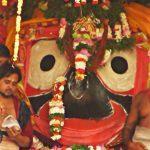
Jagannath_9_-_Close_up, Jagannath Temple, Baripada, Mayurbhanj, Odisha
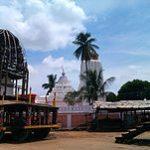
200px-Jagannath_Temple_baripada_Side_view
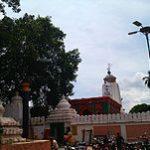
200px-Jagannath_Temple_baripada_Front_view
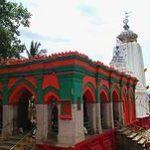
Jagannath_Temple_baripada_1, Jagannath Temple, Baripada, Mayurbhanj, Odisha
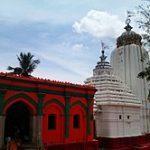
220px-Jagannath_Temple_baripada_3, Jagannath Temple, Baripada, Mayurbhanj, Odisha
7. Frequently Asked Questions (FAQ)
1. Is there a VIP Darshan entry at Jagannath Temple Baripada?
Unlike Puri, Baripada does not have a highly commercialized VIP ticket system. However, senior citizens and physically challenged devotees are given priority access. For special access, it is best to consult the temple secretary.
2. Can I find accommodation near the temple?
Yes, Baripada has multiple hotels and guest houses. The OTDC Panthanivas is a government-run option that offers comfortable stay. Additionally, there are several private hotels near the railway station and bus stand.
3. What is the significance of the Baripada Rathayatra?
The Baripada Rathayatra is the oldest and second largest after the Puri Rathayatra. Its unique feature is the female-only rope pulling for Maa Subhadra’s chariot, celebrating the feminine power.
4. Is non-vegetarian food allowed in the town?
As this is a temple town, consumption of non-vegetarian food and alcohol is strictly prohibited within the temple precincts and generally avoided by locals. Stick to vegetarian meals during your stay.
5. What are the emergency contact numbers?
While the original provided data lacked a direct number, visitors can contact the Mayurbhanj District Control Room or the Baripada Police Station for assistance.
Conclusion
The Jagannath Temple in Baripada is not just a monument of stone but a living heartbeat of Odisha’s devotion. Whether you are drawn by the architectural grandeur of the Pancharatha Shikhara, the ancient legends of the Srikhetra, or the unique female-centric traditions of the Rathayatra, a visit here promises spiritual renewal. As you plan your 2026 pilgrimage, remember to embrace the silence of the sanctum and the rhythmic chanting of the priests, for in Baripada, the Lord of the Universe awaits.