
Contents
Introduction & Spiritual Essence
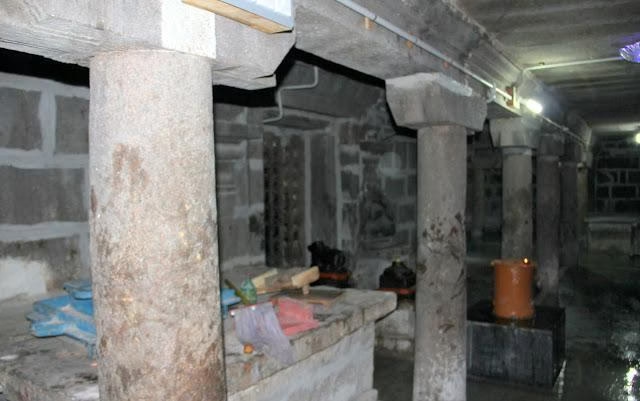
Jalanatheeswarar Temple, Thakkolam, Vellore stands as a celestial beacon for devotees, holding the revered status of the 12th among the Devara Paadal Petra Sthalams (274 most important Shiva temples) in the historic Thondai region. The presiding deity, Jalanatheeswarar (also known as Umapatheeswarar and Gangadheeswarar), is a Swayambhu (self-manifested) Prithvi Linga made of sacred sand. The Mother Goddess here is worshipped as Giriraja Kanni (also known as Mohanavalli).
Phalaśruti (Spiritual Benefits): Why do devotees visit this potent Guru Sthalam? According to the Sthala Purana, the divine cow Kamadhenu worshipped the Lord here, bestowing a 100-fold benefit on prayers offered with honesty. It is particularly renowned for relieving devotees from ancestral karma, skin afflictions (referencing the legend of Chandra), and obstacles in agricultural prosperity. The lingam, believed to have been embraced by Goddess Parvati, is known as Theenda Thirumeni (the “untouchable” form), which devotees revere for its ability to change color from white to red based on seasonal fertility.
Historical Origins & Scriptural Legend
Scriptural Context: The temple is deeply rooted in the Thiruvooral references found in the Thevaram hymns sung by the saint Tirugnanasambandar. It is also revered by Arunagirinathar in the Thiruppugazh.
Daksha’s Olam & The Naming of Thakkolam
A primary legend involves Daksha, who conducted a grand Yagna without inviting Lord Shiva. Following the self-immolation of Sati Devi and the subsequent punishment of Daksha, he was granted salvation after his head was replaced with that of a goat. Tradition holds that the loud cries (Olam) of repentance emitted by Daksha (now sounding like a goat’s bleat) resonated here, leading to the name Thakkan-olam, which evolved into Thakkolam.
Theenda Thirumeni & The Ganges Legend
Another distinct narrative explains the unique nature of the main deity. When the region was flooded, Goddess Parvati is said to have embraced the sand lingam to protect it, leaving a slight hollow in the idol still visible today. Additionally, the sage Udhadhi (brother of Guru) performed penance here to relieve his son, Theerkathar, from a curse. Lord Shiva instructed him to perform Abhishekam with water flowing from the mouth of the Nandi, which carried the essence of the River Ganges. Hence, the Lord is also called Gangadheeswarar.
Architectural Marvels
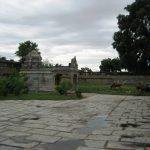
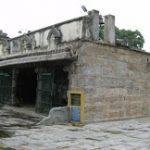
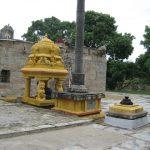
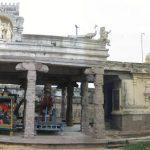
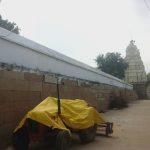
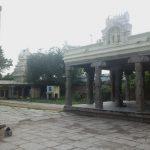
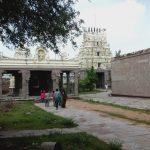
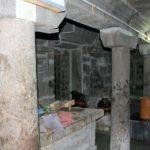
The temple is a classic example of Dravidian Architecture. The complex features a beautiful Rajagopuram and a sanctum that houses the unique sand Lingam. The Vimana (tower above the sanctum) is adorned with intricate carvings depicting various forms of Shiva and scenes from the Puranas.
Notable Features:
- The Nandi Water System: A highlight of the temple’s hydraulic engineering is the channel where water flows from the mouth of one Nandi idol, circulates the sanctum, and exits through another Nandi to merge with the Kallaru river.
- Shrines: Separate shrines exist for Lord Muruga, Goddess Kali (associated with the killing of the demon Thakkan), and a Guru (Jupiter) shrine, affirming its status as a Guru Sthalam.
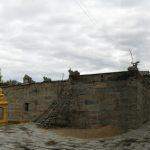
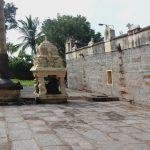
- Preservation: A renovated compound wall inside the temple marks the site of the historic battle where Prince Aditya Chola was killed.
Darshan & Ritual Logistics
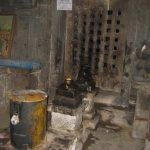
Devotees can perform Abhishekam and Archana to the deity. As the lingam is considered Theenda Thirumeni (untouchable), priests perform rituals without direct physical contact with the main idol.
Daily Timings (2026 Schedule)
| Session | Timing |
|---|---|
| Morning Darshan | 07:00 AM – 10:00 AM |
| Evening Darshan | 05:00 PM – 08:00 PM |
Key Sevas & 2026 Festivals
Online Seva Booking: For specific offerings like Abhishekam or Pongal offering, devotees are advised to contact the temple administration directly via the phone numbers provided below, as standard online portals may vary for historic Panchayat-administered temples.
Major Festivals for 2026:
- Maha Shivaratri: February 26, 2026
- Chithirai Brahmotsavam: April (Tamil Month of Chithirai)
- Vaikasi Visakam: May 2026
- Aadi Pooram: July/August 2026
- Navarathri: September/October 2026
- Skanda Sashti: October/November 2026
- Tiruvadhirai: December 2026/January 2027
Practical Visitor Guidance
Dress Code: Traditional attire is recommended (Dhoti/Shirt for men; Saree/Salwar Kameez for women). Avoid shorts or sleeveless tops.
Photography & Mobiles: Photography is generally restricted inside the sanctum. Mobile phones should be switched to silent mode. Check with the temple trust regarding locker facilities, though small handbags are usually permitted.
Best Time to Visit:
- Time: Early morning (7:00 AM) or late evening (6:00 PM) to avoid crowds.
- Season: October to March offers pleasant weather. If visiting in May, carry ample water as Vellore district temperatures can be high.
Pilgrimage Connectivity
How to Reach: The temple is located on Sannathi Street, roughly 250 meters from the Thakkolam Bus Stand.
- By Road: Located on the Chennai-Bangalore highway (NH 48). From Chennai, take the Kanchipuram route, pass the flyover, turn right at Thakkolam Railway Station, and proceed 5 km.
- By Train: Thakkolam Railway Station is 5 km away. The nearest major junction is Arakkonam (14 km).
- By Air: Chennai International Airport (MAA) is approximately 64 km away.
Nearby Sacred Sites (Pilgrimage Circuit)
- Ilambaiyangkottur (11 km): A nearby Devara Paadal Petra Sthalam.
- Thiruvirkolam (14 km): Another historic Shiva temple in the vicinity.
- Thirumalpur (18 km): Known for its stunning architectural details.
Frequently Asked Questions (FAQ)
1. Is there a VIP Darshan entry?
The Jalanatheeswarar Temple does not typically have a commercial VIP ticket system like massive pilgrim centers. Darshan is generally open to all devotees. However, for large groups or special requests, contacting the temple trustee in advance is advised.
2. What is the significance of the changing lingam color?
The deity is a Prithvi Linga (sand). According to legend and observed phenomena, the lingam turns white during drought and red during fertile/rainy seasons, symbolizing the earth’s condition.
3. Can we touch the main deity?
No. The lingam is known as Theenda Thirumeni because it was embraced by Goddess Parvati. It is considered sacred and untouchable; hence, priests perform pooja without touching it.
4. What is the significance of the Guru (Jupiter) connection?
This temple is known as a Guru Sthalam. The legend of Sage Udhadhi (Guru’s brother) and the relief of curse involves prayers to the Lord here, making it auspicious for those seeking relief from astrological afflictions related to Jupiter.
5. What are the contact details?
Address: Jalanatheeswarar Temple, Thakkolam Post, Arakkonam Taluk, Vellore District – 631 151
Phone: +91 4177 246 427 / +91 9994786919

Recent Posts

ओ सांवरे तूने ही मुझको संभाला – Lyrics & Meaning
ओ सांवरे तूने ही मुझको संभाला – A Prayer to Shyam Origin & Spiritual Essence Why This Bhajan Resonates Devotees chant this when overwhelmed by life’s storms—the refrain ‘तूने ही मुझको संभाला’ is the soul’s sigh of relief: “You…

कथा ये है महाराज मेरे की – Lyrics & Meaning
कथा ये है महाराज मेरे की छत्रपति संभाजी महाराज – A Prayer to Chhatrapati Sambhaji Maharaj Origin & Spiritual Essence Why This Bhajan Resonates Devotees chant this when their spirit feels tested—its powerful refrain “महाराज मेरे” is a soul’s…

Rigveda Samhita Yathartha Anuvada (ऋग्वेद संहिता यथार्थ अनुवाद) – Complete Set with Anvayartha & Hindi/English Translation
The Rigveda is the oldest surviving scripture of humanity and the foundational text of Sanātana Dharma. For serious students, scholars, UPSC aspirants studying ancient Indian history, Sanskrit learners, and spiritual seekers, a precise and grammatically structured translation is indispensable.…

आना भी अकेला है जाना भी अकेला है – Lyrics & Meaning | BharatTemples
आना भी अकेला है जाना भी अकेला है – A Prayer to the Divine Witness Origin & Spiritual Essence Why This Bhajan Resonates Devotees turn to this bhajan in moments of deep reflection—when life’s attachments begin to ache. The…

माता शेरावाली के द्वार जो भी जाता है – Lyrics & Meaning
माता शेरावाली के द्वार जो भी जाता है – A Prayer to Maa Sherawali Origin & Spiritual Essence Why This Bhajan Resonates Devotees turn to this bhajan in times of fear or uncertainty—its promise that no one leaves Maa’s…

मार लेना सपणी उबार लेणा भवरा – Lyrics & Meaning
मार लेना सपणी उबार लेणा भवरा – A Prayer to the Divine Beloved Origin & Spiritual Essence Why This Bhajan Resonates Devotees chant this in moments of deep vulnerability—its cry of “मार लेना सपणी, उबार लेणा भवरा” is the…

हमें श्याम सुंदर भरोसा तुम्हारा – Lyrics & Meaning
हमें श्याम सुंदर भरोसा तुम्हारा – A Prayer to Shyam Sundar Origin & Spiritual Essence Why This Bhajan Resonates Devotees chant this when feeling alone—its refrain ‘de do sahara’ is the soul’s cry for divine support. Lyrics in Hindi…

Mere Satguru Ne Di Thi Davai Lyrics in Hindi & Meaning
Mere Satguru Ne Di Thi Davai: Invoking the Guru’s Liberating Wisdom This soul-stirring bhajan venerates the Satguru (True Spiritual Master) as the divine physician who dispenses the only remedy for life’s deepest sufferings. Composed by Sant Karmaveer Tufani, it…

Janm Diyo Thari Maa Dukh Dekhiyo Lyrics in Hindi & Meaning
जन्म दियो थारी माँ दुख देखियो (Maa’s Grief Upon Birthing You) This soul-stirring Chetavani Bhajan (admonitory hymn) is addressed to the Divine Mother (Maa) – a call for repentance when children forget their filial duties in the dark age…
Bhadi Sabha Mein Thane Manaun Lyrics in Hindi & Meaning
Bhadi Sabha Mein Thane Manaun: Invoking the Spear-Wielding Mother Mata Bhawani (श्री ज्वाला भवानी), the fiery manifestation of Shakti worshipped as the Protector of Dharma in Her Dhaulagarh sanctum. Origin & Spiritual Essence Composed in Rajasthani folk tradition by…