
Contents
Introduction & Spiritual Essence
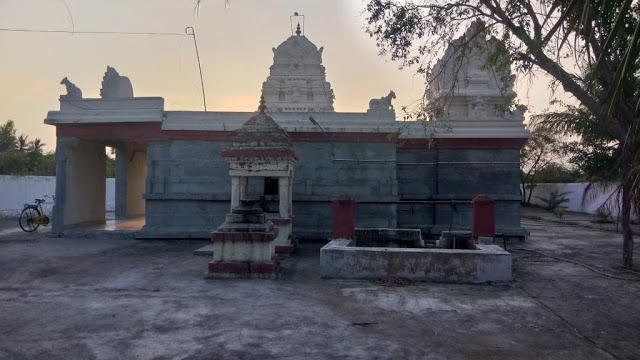
In the serene village of Pazhayanur, near the historical town of Thiruvalangadu, stands the Kailasanathar Temple, a sanctuary dedicated to Lord Shiva. Presiding over this sacred space is Kailasanathar (the Lord of Mount Kailash), revered as a Swayambhu (self-manifested) Lingam. His divine consort is worshipped here as Parvathavarthini (the divine mother Parvati).
Phalaśruti (Spiritual Benefits):
Devotees believe that a pilgrimage to this temple offers profound spiritual merits. The temple is particularly renowned for its power to:
- Cleansing Ancestral Karma: Performing rituals here is believed to help resolve Pitru Dosha (ancestral afflictions), granting peace to forefathers.
- Relief from Kalasarpa Dosha: The temple’s energy is said to mitigate the malefic effects of planetary alignments involving Rahu and Ketu.
- Marital Harmony: Couples seeking blessings for a harmonious married life find solace in the union of Kailasanathar and Parvathavarthini.
Historical Origins & Scriptural Legend
Antiquity and Builders:
While the exact construction date remains shrouded in the mists of time, local temple records and stone inscriptions indicate origins dating back to the Sangam Age. The architecture bears the hallmarks of the Pallava and early Chola dynasties. Although the temple fell into ruins in the late 20th century, it has been painstakingly restored to its former glory through the devotion of the local community.
The Sthala Purana (Local Legend):
Tradition holds that this village was once the site of a celestial event where Lord Shiva appeared before the Saptarishis (seven sages). It is said that the great sage Agastya worshipped the Swayambhu Lingam here to subdue his ego. The name Pazhayanur itself translates to “Old Town,” hinting at its ancient origins as a cradle of Dravidian culture and worship.
Architectural Marvels
The temple is a stunning example of Dravidian Architecture, adhering to the strict principles of Vastu Shastra.
- Orientation: Unique to this temple is its north-facing orientation (while the sanctum faces north, the entrance is from the east), which is rare in Shiva temples.
- The Sanctum (Vimana): The Shikhara (tower) above the sanctum is modest yet ornate, characteristic of early Pallava styles.
- Mandapas: The temple features a sturdy Mukha Mandapa (front hall) with intricately carved pillars. Though smaller than the great Raja Raja temples, the carvings depict celestial dancers and mythical creatures.
- Consort Shrine: The shrine for Parvathavarthini is situated to the left of the sanctum, facing east, completing the sacred Ashtanga layout.
Unlike mega-temple complexes, the Kailasanathar Temple offers an intimate, ancient atmosphere that allows for deep meditation.
Darshan & Ritual Logistics
Experience the divine rhythm of rituals at Kailasanathar Temple. Below are the standard timings for 2026.
| Session | Timing | Details |
|---|---|---|
| Morning Darshan | 06:00 AM – 12:00 PM | Morning Abhishekam & Archana |
| Afternoon Break | 12:00 PM – 04:00 PM | Temple remains closed |
| Evening Darshan | 04:00 PM – 08:00 PM | Deeparadhana & Nataraja Sevai |
| Weekly Ritual | Monday | Special Abhishekam (Mondays are highly auspicious) |
Key Sevas & Booking:
Devotees can perform the following Sevas. While physical booking is available at the temple counter, it is advisable to check for online booking integration via the Tamil Nadu HR&CE department portal.
- Abhishekam: Ritual bathing of the Lingam (Milk, Honey, Sandalwood).
- Archana: Recitation of names (e.g., Om Namah Shivaya).
- Deepa Aradhana: Offering of camphor lamps.
2026 Festival Calendar
Mark your calendars for these significant celebrations:
- Arudra Darshanam: January 2026 (Celebrating Nataraja form of Shiva).
- Maha Shivaratri: February 26, 2026 (Night-long vigil and special abhishekams).
- Pradosham: Every 13th lunar day (Highly auspicious for removing sins).
- Aadi Perukku: August 2026 (Monsoon rituals dedicated to Mother Parvathavarthini).
Practical Visitor Guidance
To ensure a peaceful visit, please adhere to the following guidelines:
- Dress Code: Traditional attire is mandatory. Men should wear dhotis or pants with a shirt; women should wear sarees or salwar kameez. Avoid shorts and sleeveless tops.
- Photography: Photography is prohibited inside the inner sanctum (Garbha Griha). You may take photos of the outer mandapas and architecture.
- Mobile Phones: Please switch off your phone or silence it during darshan. Lockers are available near the entrance for electronic devices.
- Accessibility: The temple is located on a slightly elevated platform. While there are steps, temporary ramps have been installed for senior citizens. Please contact the temple priest for assistance.
Crowd Management:
The temple is generally peaceful on weekdays. For the best experience, visit between 9:00 AM and 11:00 AM. Avoid weekends and public holidays if you prefer a quiet darshan. In summer (April–June), carry a water bottle and an umbrella as the courtyard can get warm.
Pilgrimage Connectivity
How to Reach
By Road:
The temple is located about 2 Kms from Thiruvalangadu Bus Stop. It is accessible via NH 205 (Chennai – Avadi – Thiruvallur – Renigunta route). Take the detour at Narayanapuram Koot road. Regular buses ply from Chennai (T. Nagar, Broadway) and Thiruvallur.
By Train:
The nearest major railway station is Thiruvalangadu (approx. 7 km), which lies on the Chennai – Arakkonam route. Share autos are readily available from the station to the temple. Manavur Railway Station is also nearby (approx. 5 km).
By Air:
The nearest airport is Chennai International Airport (MAA), approximately 65 km away.
Nearby Sacred Sites
Enhance your pilgrimage by visiting these nearby temples:
- Vadaranyeswarar Temple (Thiruvalangadu): Located 2.5 km away. Famous for its massive temple complex and the legend of Vadaranyeswarar.
- Saatchi Boodeshwarar Temple: Just 1.5 km away. A unique temple dedicated to truth and witness.
- Tazuvikuzandheswarar Temple: Located 750 meters away, known for its architectural intricacy.
Frequently Asked Questions (FAQ)
1. Is there a VIP Darshan entry available?
Currently, the Kailasanathar Temple operates on a general darshan basis to maintain equality among devotees. However, elderly citizens and physically challenged visitors are given priority entry.
2. Can I perform Tarpanam (ancestral rites) here?
Yes, this is one of the primary temples in the region known for ancestral rituals. It is recommended to bring your own sesame seeds and rice, or consult the local priests for performing a full Tarpanam ceremony.
3. Is accommodation available near the temple?
While there are no lodges within Pazhayanur village, basic hotels and choultries are available in Thiruvalangadu (3 km) and Thiruvallur (17 km). For better amenities, Kanchipuram or Chennai are preferred options.
4. What is the best time of year to visit?
The ideal time is between October and March when the weather is cool. The month of Arpasi (October/November) is particularly vibrant due to local festivals.
5. Are there restaurants nearby?
Small local eateries (Saravana Bhavan types) are available in Thiruvalangadu. Pilgrims are advised to carry light snacks and water, as dining options within Pazhayanur are limited.
Photo Gallery

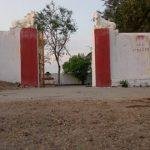
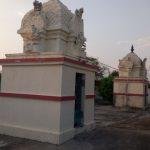
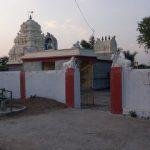
Contact Details
Official Address:
Kailasanathar Temple,
Pazhayanur, Thiruvallur District,
Tamil Nadu – 602001
Note: For specific ritual inquiries, it is recommended to contact the temple executive officer or the local priest council.
Recent Posts

ओ सांवरे तूने ही मुझको संभाला – Lyrics & Meaning
ओ सांवरे तूने ही मुझको संभाला – A Prayer to Shyam Origin & Spiritual Essence Why This Bhajan Resonates Devotees chant this when overwhelmed by life’s storms—the refrain ‘तूने ही मुझको संभाला’ is the soul’s sigh of relief: “You…

कथा ये है महाराज मेरे की – Lyrics & Meaning
कथा ये है महाराज मेरे की छत्रपति संभाजी महाराज – A Prayer to Chhatrapati Sambhaji Maharaj Origin & Spiritual Essence Why This Bhajan Resonates Devotees chant this when their spirit feels tested—its powerful refrain “महाराज मेरे” is a soul’s…

Rigveda Samhita Yathartha Anuvada (ऋग्वेद संहिता यथार्थ अनुवाद) – Complete Set with Anvayartha & Hindi/English Translation
The Rigveda is the oldest surviving scripture of humanity and the foundational text of Sanātana Dharma. For serious students, scholars, UPSC aspirants studying ancient Indian history, Sanskrit learners, and spiritual seekers, a precise and grammatically structured translation is indispensable.…

आना भी अकेला है जाना भी अकेला है – Lyrics & Meaning | BharatTemples
आना भी अकेला है जाना भी अकेला है – A Prayer to the Divine Witness Origin & Spiritual Essence Why This Bhajan Resonates Devotees turn to this bhajan in moments of deep reflection—when life’s attachments begin to ache. The…

माता शेरावाली के द्वार जो भी जाता है – Lyrics & Meaning
माता शेरावाली के द्वार जो भी जाता है – A Prayer to Maa Sherawali Origin & Spiritual Essence Why This Bhajan Resonates Devotees turn to this bhajan in times of fear or uncertainty—its promise that no one leaves Maa’s…

मार लेना सपणी उबार लेणा भवरा – Lyrics & Meaning
मार लेना सपणी उबार लेणा भवरा – A Prayer to the Divine Beloved Origin & Spiritual Essence Why This Bhajan Resonates Devotees chant this in moments of deep vulnerability—its cry of “मार लेना सपणी, उबार लेणा भवरा” is the…

हमें श्याम सुंदर भरोसा तुम्हारा – Lyrics & Meaning
हमें श्याम सुंदर भरोसा तुम्हारा – A Prayer to Shyam Sundar Origin & Spiritual Essence Why This Bhajan Resonates Devotees chant this when feeling alone—its refrain ‘de do sahara’ is the soul’s cry for divine support. Lyrics in Hindi…

Mere Satguru Ne Di Thi Davai Lyrics in Hindi & Meaning
Mere Satguru Ne Di Thi Davai: Invoking the Guru’s Liberating Wisdom This soul-stirring bhajan venerates the Satguru (True Spiritual Master) as the divine physician who dispenses the only remedy for life’s deepest sufferings. Composed by Sant Karmaveer Tufani, it…

Janm Diyo Thari Maa Dukh Dekhiyo Lyrics in Hindi & Meaning
जन्म दियो थारी माँ दुख देखियो (Maa’s Grief Upon Birthing You) This soul-stirring Chetavani Bhajan (admonitory hymn) is addressed to the Divine Mother (Maa) – a call for repentance when children forget their filial duties in the dark age…
Bhadi Sabha Mein Thane Manaun Lyrics in Hindi & Meaning
Bhadi Sabha Mein Thane Manaun: Invoking the Spear-Wielding Mother Mata Bhawani (श्री ज्वाला भवानी), the fiery manifestation of Shakti worshipped as the Protector of Dharma in Her Dhaulagarh sanctum. Origin & Spiritual Essence Composed in Rajasthani folk tradition by…