
Contents
Introduction & Spiritual Essence
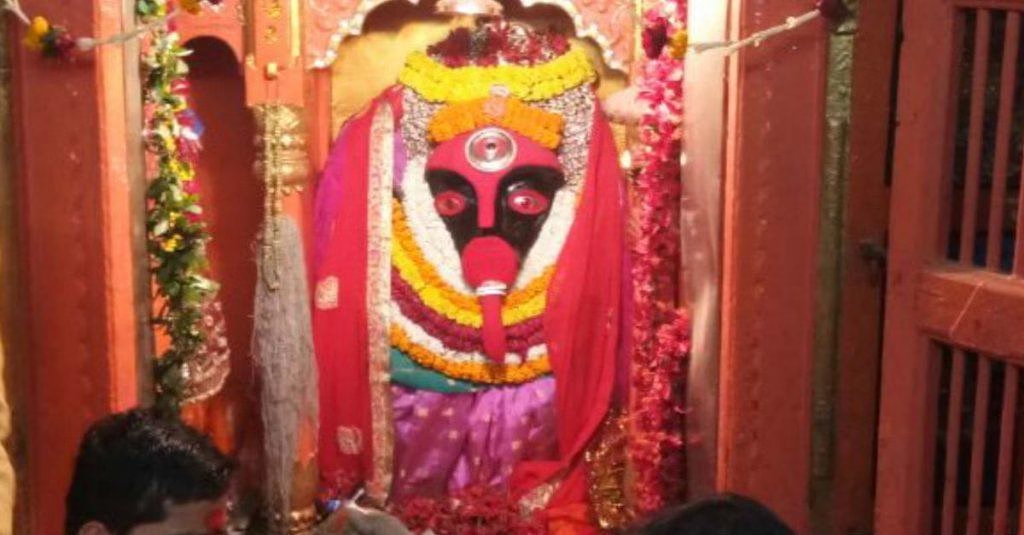
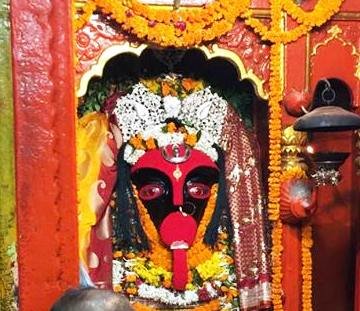
Kalratri Devi Temple in Varanasi stands as a profound testament to the Shakti (Divine Feminine) energy that permeates the holy city of Kashi. As the seventh incarnation of Goddess Durga, Maa Kalratri is revered as the embodiment of cosmic power and destruction of darkness. Located in the labyrinthine lanes of the old city, specifically in Kalika Galli, this temple is a vital stop on the ancient Kashi Khand pilgrimage circuit.
Phalaśruti (Spiritual Benefits): Devotees flock to Kalratri Devi Temple to seek liberation from fear and ancestral karma. The goddess, known as Shubhkari (the bestower of auspiciousness), is believed to destroy the negative energies of ghosts, spirits, and black magic. It is said that a sincere darshan here cleanses the devotee’s aura of the “Rahu-Ketu” dosha and grants protection from fire, water, and animal-related fears.
The Divine Form
While her appearance is fierce—possessing a pitch-black body, disordered hair, and a garland of skulls resembling lightning—her heart is benevolent. Unlike the fierce Kali who is often worshipped for destruction, Kalratri is the protector. Her vehicle is a donkey, symbolizing strength and the grounding of spiritual energies. In this temple, her upper right hand grants blessings (Abhaya), while the lower right hand assures protection. The iron thorn and dagger in her left hands represent her power to pierce through ignorance and cut the bonds of material suffering.
Historical Origins & Scriptural Legend
The history of Kalratri Devi Temple is deeply intertwined with the Kashi Khand of the Skanda Purana. According to ancient texts, when the demon Durgasur threatened the universe, Goddess Parvati manifested her wrath as Kalratri. Tradition holds that with a single exhalation, she generated massive fireballs that incinerated the demon’s army, restoring Dharma in Kashi.
Scriptural Context: After slaying Durgasur, the Goddess took the form of Durga and vowed to guard Kashi in various forms of Shakti. Kalratri is one of these primary guardians stationed in Varanasi. The temple is recognized as one of the Shakti Peethas within the city boundaries, where the energy is particularly potent for removing planetary afflictions, specifically those ruled by Saturn (Shani) and the lunar nodes (Rahu-Ketu).
According to temple records and oral tradition: The temple structure has been restored over centuries by local devotees and royal patrons, maintaining the sanctity of the ancient energy grid (Sri Chakra) installed within the sanctum.
Architectural Marvels
Despite the chaotic urban density of Varanasi, the Kalratri Devi Temple preserves a unique architectural lineage. As noted in historical inventories, the temple follows the Dravidian architectural style, characterized by its stepped pyramidal roof and intricate stone carvings that differ from the standard North Indian Nagara style found elsewhere in Kashi.
- Sanctum Sanctorum (Garbhagriha): The inner shrine is compact, designed to amplify the acoustic resonance of chants. The idol of Kalratri is carved from dark stone, emphasizing her complexion.
- Mandapa: The pillared hall allows devotees to sit for meditation. The pillars feature motifs of the lotus (symbolizing purity) and the thunderbolt (symbolizing indestructibility).
- Sculptural Details: The exterior walls feature depictions of the eight forms of Durga (Ashtanika), though weathered by time, the craftsmanship remains distinct.
While the temple is not listed as a standalone UNESCO heritage site, it contributes significantly to the “Cultural Landscape of Varanasi,” which is a collective World Heritage entity.
Darshan & Ritual Logistics
The temple follows a strict Vedic schedule, opening for the first Pratah Kal (Morning Era) and the Sayam Sandhya (Evening Twilight). The current darshan timings for 2026 are as follows:
| Session | Timings | Ritual Details |
|---|---|---|
| Morning | 06:00 AM – 12:30 PM | Morning Aarti, Abhishekam |
| Afternoon | 12:30 PM – 04:00 PM | Closed (Rest period for the Deity) |
| Evening | 04:00 PM – 10:30 PM | Evening Aarti, Mangala Arati |
Key Sevas & Booking
Devotees can perform specific Sevas to invoke the protective energy of Maa Kalratri. As of 2026, the temple administration has digitized the process for major festivals.
- Abhishekam: Performed with milk, honey, and sacred herbs. It is believed to cool the planetary influence of Saturn.
- Archana: Recitation of the Kalratri Stotram (108 names).
- Online Seva Booking: For the upcoming Navratri festivals in 2026, devotees can book special Pujas via the official temple portal or trusted partners like BharatTemples.com. Advance booking is highly recommended for the following dates:
- Chaitra Navratri: March 30 – April 7, 2026
- Shardiya Navratri: September 22 – October 1, 2026
Practical Visitor Guidance
Visiting Kalratri Devi Temple requires preparation due to its location in the heart of Varanasi’s narrow, bustling alleys.
Dress Code & Rules
- Attire: Traditional Indian wear is preferred. Men should wear dhoti/kurta, and women should wear sarees or salwar kameez. Modesty is strictly enforced.
- Photography: Photography inside the sanctum is strictly prohibited. Visitors may take photos in the courtyard but must avoid disturbing devotees in deep meditation.
- Mobile Lockers: Large bags and leather items are not allowed inside. Small locker facilities are available near the entrance for a nominal fee.
Crowd Management
Best Hours to Visit: To avoid the dense crowds, visit between 07:00 AM and 09:00 AM or after 08:30 PM. The mid-day lull (1:00 PM – 4:00 PM) is best for a peaceful darshan of the exterior architecture.
Seasonal Advice: – Summer (May-June): Temperatures in Varanasi can exceed 40°C. Carry a water bottle and cover your head while walking from Dasaswamedh Ghat. – Monsoon (July-September): The lanes become slippery; wear rubber-soled footwear with good grip.
Pilgrimage Connectivity
How to Reach
The temple is located at D.8/17, Kalika Galli, Varanasi.
- Nearest Airport: Lal Bahadur Shastri International Airport (LBS) is approximately 25 km away. A taxi to Dashashwamedh Ghat takes about 50-60 minutes.
- Nearest Railway Station: Varanasi Junction (BSB) is 6 km away. Auto-rickshaws are readily available.
- Walking Route: From Dashashwamedh Ghat, walk towards the Vishwanath Temple corridor. Pass Sakshi Vinayak, take a right turn, climb the steps, and enter Kalika Galli. The lane is named after the Goddess herself.
Nearby Sacred Sites
To complete your spiritual circuit, visit these nearby Shakti Peethas:
- Annapurna Devi Temple: Located just adjacent to Kalika Galli, this is the kitchen of the universe where food is sanctified.
- Sakshi Vinayak (Ganesh) – A mandatory stop for removing obstacles before entering the main Vishwanath corridor.
- Maa Durga Kund Temple: Located about 2 km away (near Bhelupura), this temple features the iconic red idol of Goddess Durga.
Frequently Asked Questions (FAQs)
Is there a VIP darshan entry?
No, Kalratri Devi Temple does not have a formal VIP or paid entry lane. All devotees are treated equally in the eyes of Maa Kalratri. However, during peak Navratri festivals, the temple administration may issue time-slotted passes for crowd control.
What is the significance of visiting on Saturday?
Saturday is dedicated to Lord Shani, but it is also highly auspicious for worshipping Kalratri Devi. It is believed that worshipping Maa Kalratri on Saturdays nullifies the malefic effects of Shani and removes chronic fears/phobias.
Are foreign tourists allowed inside?
Yes, foreigners are allowed inside. However, they must remove footwear outside and dress modestly. Non-Hindu visitors are usually allowed into the courtyard but may be requested to view the sanctum respectfully from the entrance.
Is there parking available near the temple?
Parking is extremely limited in Kalika Galli. It is recommended to hire an auto-rickshaw to Dashashwamedh Ghat (where paid parking is available) and walk the remaining 5-10 minutes to the temple.
Can we perform rituals for ancestors?
Yes, Kalratri Devi is powerful for removing ancestral curses. The temple priests (Pandits) can perform specific Tarpan and Havan rituals. It is advisable to book these services in advance through the temple office or a registered platform.
Photo Gallery
Contact Details
Official Address:
Kalratri Devi Temple
D.8/17, Kalika Galli
Varanasi, Uttar Pradesh 221001
India
Note: As specific phone numbers were not provided in the historical records, visitors are advised to contact the Varanasi Temple Administration or the BharatTemples.com help desk for current contact information.
Recent Posts

ओ सांवरे तूने ही मुझको संभाला – Lyrics & Meaning
ओ सांवरे तूने ही मुझको संभाला – A Prayer to Shyam Origin & Spiritual Essence Why This Bhajan Resonates Devotees chant this when overwhelmed by life’s storms—the refrain ‘तूने ही मुझको संभाला’ is the soul’s sigh of relief: “You…

कथा ये है महाराज मेरे की – Lyrics & Meaning
कथा ये है महाराज मेरे की छत्रपति संभाजी महाराज – A Prayer to Chhatrapati Sambhaji Maharaj Origin & Spiritual Essence Why This Bhajan Resonates Devotees chant this when their spirit feels tested—its powerful refrain “महाराज मेरे” is a soul’s…

Rigveda Samhita Yathartha Anuvada (ऋग्वेद संहिता यथार्थ अनुवाद) – Complete Set with Anvayartha & Hindi/English Translation
The Rigveda is the oldest surviving scripture of humanity and the foundational text of Sanātana Dharma. For serious students, scholars, UPSC aspirants studying ancient Indian history, Sanskrit learners, and spiritual seekers, a precise and grammatically structured translation is indispensable.…

आना भी अकेला है जाना भी अकेला है – Lyrics & Meaning | BharatTemples
आना भी अकेला है जाना भी अकेला है – A Prayer to the Divine Witness Origin & Spiritual Essence Why This Bhajan Resonates Devotees turn to this bhajan in moments of deep reflection—when life’s attachments begin to ache. The…

माता शेरावाली के द्वार जो भी जाता है – Lyrics & Meaning
माता शेरावाली के द्वार जो भी जाता है – A Prayer to Maa Sherawali Origin & Spiritual Essence Why This Bhajan Resonates Devotees turn to this bhajan in times of fear or uncertainty—its promise that no one leaves Maa’s…

मार लेना सपणी उबार लेणा भवरा – Lyrics & Meaning
मार लेना सपणी उबार लेणा भवरा – A Prayer to the Divine Beloved Origin & Spiritual Essence Why This Bhajan Resonates Devotees chant this in moments of deep vulnerability—its cry of “मार लेना सपणी, उबार लेणा भवरा” is the…

हमें श्याम सुंदर भरोसा तुम्हारा – Lyrics & Meaning
हमें श्याम सुंदर भरोसा तुम्हारा – A Prayer to Shyam Sundar Origin & Spiritual Essence Why This Bhajan Resonates Devotees chant this when feeling alone—its refrain ‘de do sahara’ is the soul’s cry for divine support. Lyrics in Hindi…

Mere Satguru Ne Di Thi Davai Lyrics in Hindi & Meaning
Mere Satguru Ne Di Thi Davai: Invoking the Guru’s Liberating Wisdom This soul-stirring bhajan venerates the Satguru (True Spiritual Master) as the divine physician who dispenses the only remedy for life’s deepest sufferings. Composed by Sant Karmaveer Tufani, it…

Janm Diyo Thari Maa Dukh Dekhiyo Lyrics in Hindi & Meaning
जन्म दियो थारी माँ दुख देखियो (Maa’s Grief Upon Birthing You) This soul-stirring Chetavani Bhajan (admonitory hymn) is addressed to the Divine Mother (Maa) – a call for repentance when children forget their filial duties in the dark age…
Bhadi Sabha Mein Thane Manaun Lyrics in Hindi & Meaning
Bhadi Sabha Mein Thane Manaun: Invoking the Spear-Wielding Mother Mata Bhawani (श्री ज्वाला भवानी), the fiery manifestation of Shakti worshipped as the Protector of Dharma in Her Dhaulagarh sanctum. Origin & Spiritual Essence Composed in Rajasthani folk tradition by…