
Contents
- 1 Kalyanasundareswarar Temple, Tiruvelvikudi: The Definitive Pilgrimage Guide (2026)
Kalyanasundareswarar Temple, Tiruvelvikudi: The Definitive Pilgrimage Guide (2026)
Introduction & Spiritual Essence
Nestled in the cultural heart of Nagapattinam district, the Kalyanasundareswarar Temple in Tiruvelvikudi stands as a monumental testament to divine love and cosmic union. The primary deity, Kalyanasundareswarar (the Beautiful Bridegroom), is a Swayambhu Lingam facing east. His consort, Parimala Sugantha Nayaki (also known as Azhagiyavelar), faces south.
Unlike many other Shiva shrines, this temple is celebrated specifically for the mystical marriage of Shiva and Parvathi. It is the 77th Devaram Paadal Petra Shiva Sthalam and the 23rd on the northern banks of the Cauvery river.
Phalaśruti: The Boon of Swift Marriage
Devotees flock here primarily to resolve delays in marriage caused by planetary adversities (specifically afflictions to Venus/Shukra). According to temple tradition, lighting 48 lamps (Vilakku) or participating in specific Homams here cleanses ancestral karma regarding matrimony, granting devotees the boon of a timely and harmonious union.
Historical Origins & Scriptural Legend
The history of Kalyanasundareswarar Temple is deeply woven into the tapestry of the Thevaram. Revered Nayanmars Sambandar and Sundarar have composed hymns in praise of this Sthalam. The temple is estimated to be over 1,500 years old, with significant contributions from the Chola Dynasty.
Sthala Purana: The Divine Wedding
According to temple records and oral tradition, this is the birthplace of the Ardhanarisvara form (Shiva and Shakti merged into one). Legend holds that Goddess Parvathi performed penance here for 16 Mondays to win Lord Shiva’s hand. On the 17th Monday, Shiva appeared as Manavaleswarar and promised to marry her. Brahma is said to have conducted the celestial marriage rituals (Velvi), which is why the place was named Tiruvelvikudi (The Holy Settlement of Rituals).
Healing Legends
The Agni Theertham within the temple premises is famed for its curative properties. It is recorded that the saint Sundarar bathed here to cure a debilitating illness, regaining his health and devotion.
Architectural Marvels
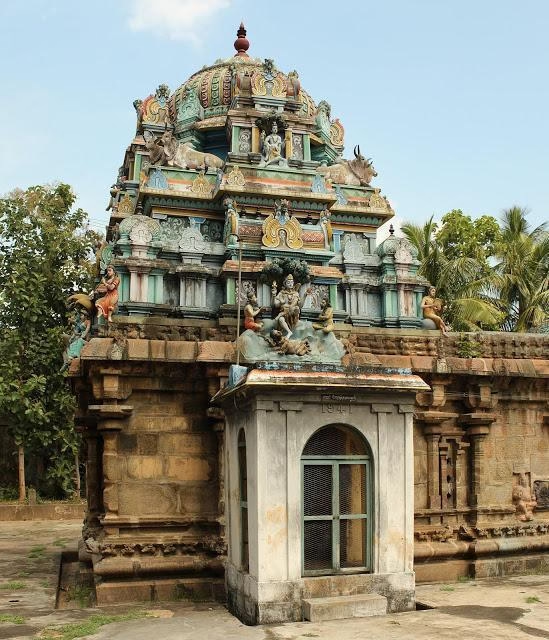
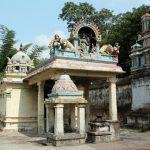
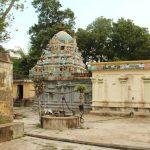
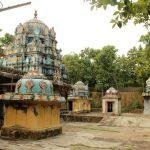
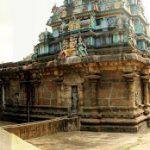
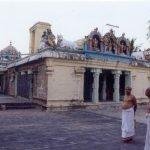
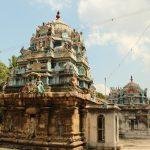
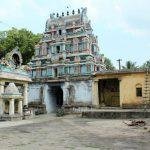
The temple showcases the classic Dravidian architectural style with distinct features from the Chola and Nayaka periods. The structure is compact yet intricate, built on a compacted earthen mound.
Structure & Design
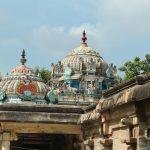
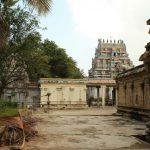
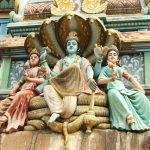
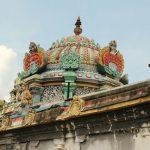
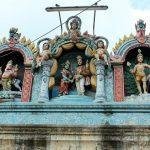
- Two-Tiered Gopuram: The temple features a distinctive two-tiered Rajagopuram with stucco sculptures depicting myths from the Sthala Purana.
- Prakarams (Courtyards): The sanctum is surrounded by two concentric corridors. The outer corridor houses shrines for Dwarabalagars, Valanchuzhi Vinayagar, and Subramaniar (Murugan) with Valli and Deivanai.
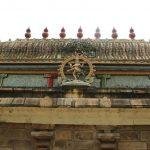
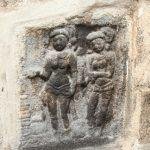
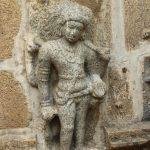
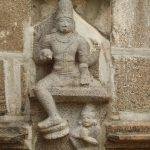
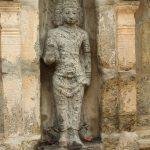
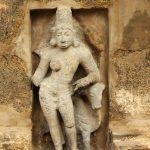
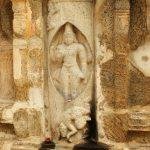
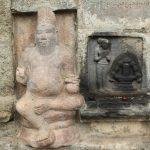
- Ardhanarisvara Niche: A unique sculptural highlight is the carving of Ardhanarisvara on the outer walls of the main sanctum, alongside Nataraja, Dakshinamurthy, and Chandrasekhara.
- The Sannidhi for Sundareswarar: The inner sanctum houses the Swayambhu Lingam. Notably, the main sanctum (Arunachaleswarar form) sits in the Easanya (North-East) corner.
Historical Note: Inscriptions from the reigns of Rajaraja Cholan and Parantaka Cholan have been identified within the temple walls, attesting to its ancient patronage.
Darshan & Ritual Logistics (2026 Update)
To ensure a seamless spiritual experience, devotees are encouraged to review the daily schedule and upcoming festival dates. Note that timings are subject to change during festival seasons.
Daily Timings
| Session | Timings |
|---|---|
| Morning Opening | 06:00 AM |
| Midday Closure | 12:00 PM (Noon) |
| Evening Opening | 04:00 PM |
| Night Closing | 08:00 PM |
Key Sevas & Offerings
- Abhishekam: Performed daily during temple opening hours. Special Abhishekam on Mondays is highly auspicious.
- Archana: Available for Parimala Sugantha Nayaki (Goddess) and Kalyanasundareswarar.
- Homams (Sacrificial Rites): As the “Home of Rituals,” special Kalyana Homams are conducted for devotees facing delays in marriage. These are typically held on full moon days.
- Online Seva Booking: As of 2026, the temple administration (HR&CE) supports online booking for specific Archana and Abhishekam services. Visit the official Tamil Nadu Tourism Temple portal or the local Kuthalam administration office.
Major Festivals 2026
- Arudra Darshanam: Celebrating Lord Nataraja (January 2026). This is a major event here, symbolizing the cosmic dance.
- Maha Shivaratri: February/March 2026. Night-long vigils and special rituals.
- Panguni Uthiram: March/April 2026. Celebrates the celestial wedding of Lord Murugan and Goddess Deivanai.
Practical Visitor Guidance
Planning your visit ensures a peaceful darshan and respect for the sanctity of the space.
Dress Code & Etiquette
- Attire: Traditional Indian wear is preferred. Men should wear dhotis or formal trousers with shirts; women should wear sarees, salwar kameez, or long skirts.
- Footwear: Must be removed at the designated stand outside the temple complex.
Photography & Mobiles
Photography is strictly prohibited inside the inner sanctum (Garbhagriha). However, photography is generally permitted in the outer corridors. Mobile phones should be kept on silent mode.
Crowd Management & Seasonal Advice
- Best Hours: The morning slot between 6:00 AM and 7:30 AM offers the calmest atmosphere for meditation.
- Seasonal Tips: If visiting in May (peak summer), carry a water bottle and an umbrella. The corridors are shaded, but the heat in Nagapattinam can be intense.
- Accessibility: The temple has a level floor in the main corridors, making it accessible for senior citizens. However, the inner sanctum requires bending to enter.
Pilgrimage Connectivity
How to Reach
Address: Sri Kalyana Sundareswarar Temple, Tiruvelvikudi, Kuthalam Post-609 801, Nagapattinam District.
- By Air: The nearest airport is Tiruchirappalli (TRZ), approximately 110 km away.
- By Rail: The nearest railway station is Kuthalam, just 3 km away. The temple lies on the Mayiladuthurai – Kumbakonam railway line.
- By Road: Situated on the Mayiladuthurai – Kumbakonam highway. The temple is 1.5 km from Kuthalam town. Frequent bus services run from Mayiladuthurai and Kumbakonam.
Pilgrimage Circuit: Nearby Tirthas
Devotees are encouraged to complete a circuit of four temples within a single day via auto-rickshaw from Kuthalam:
- Tiruthuruthi (3 km): The Ulagalantha Perumal Temple.
- Tiruedhirkolpadi: Known for Lord Sri Nithya Kalyana Perumal.
- Thirumanancheri: The famous temple for marriage boons, located very close to Tiruvelvikudi.
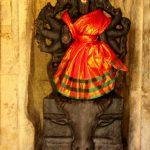
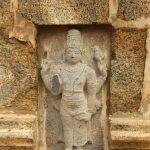
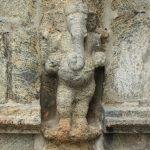
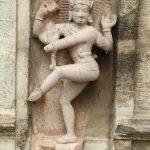
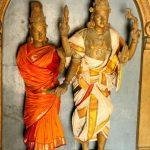
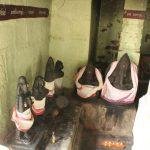
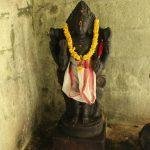
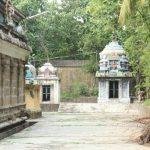
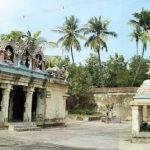
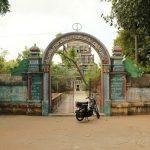
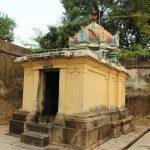
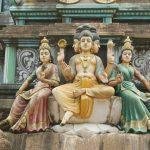
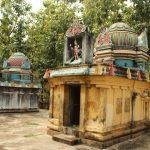
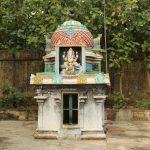
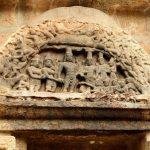
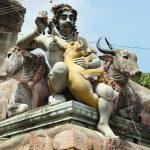
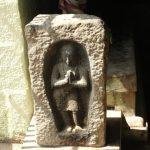
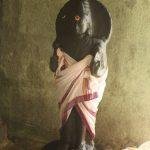
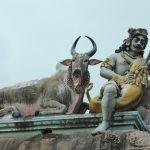
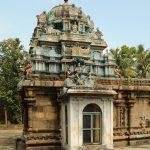
Note: The original image gallery has been preserved at the bottom of the page to showcase the temple’s sculptural heritage.
Photo Gallery



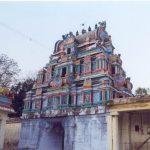

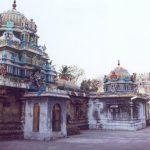
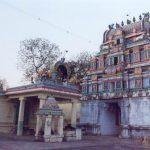
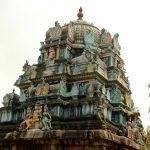
Frequently Asked Questions (FAQ)
1. Is there a VIP or special entry darshan available?
While there is no formal VIP quota, the temple administration facilitates quick darshan for elderly devotees and those with physical disabilities upon request. For large groups or specific rituals, contacting the office (+91-4364-235 462) in advance is recommended.
Yes, but the temple is renowned for specific Homams on full moon days (Pournami). It is best to book these in advance to ensure the presence of the required priests.
3. Is there accommodation available at Tiruvelvikudi?
The temple itself does not have attached guest rooms. However, pilgrims can find decent lodging options in Kumbakonam (15 km) and Mayiladuthurai (18 km), both of which are major hubs with excellent hotels.
This temple is considered a Kouthuka Bandhana Shetram (a sacred spot of solemnization). Because the deity blessed devotees with an “early marriage” (overcoming planetary obstacles), there is no separate shrine for the Navagrahas (nine planets), signifying that the Lord here grants direct relief without mediation.
5. What is the significance of the “Ear Rings” in the temple?
In a unique sculptural feature, during the ritual of Velvi (Yajna), demons sent to interrupt were turned into rings by the Dwarapalakas (gatekeepers) and worn as ear ornaments. This specific representation of the dwarapalakas is rare and found only in this temple.
Sri Kalyana Sundareswarar Temple,
Tiruvelvikudi, Kuthalam Post-609 801,
Nagapattinam District
Phone: +91-4364-235 462
Recent Posts

ओ सांवरे तूने ही मुझको संभाला – Lyrics & Meaning
ओ सांवरे तूने ही मुझको संभाला – A Prayer to Shyam Origin & Spiritual Essence Why This Bhajan Resonates Devotees chant this when overwhelmed by life’s storms—the refrain ‘तूने ही मुझको संभाला’ is the soul’s sigh of relief: “You…

कथा ये है महाराज मेरे की – Lyrics & Meaning
कथा ये है महाराज मेरे की छत्रपति संभाजी महाराज – A Prayer to Chhatrapati Sambhaji Maharaj Origin & Spiritual Essence Why This Bhajan Resonates Devotees chant this when their spirit feels tested—its powerful refrain “महाराज मेरे” is a soul’s…

Rigveda Samhita Yathartha Anuvada (ऋग्वेद संहिता यथार्थ अनुवाद) – Complete Set with Anvayartha & Hindi/English Translation
The Rigveda is the oldest surviving scripture of humanity and the foundational text of Sanātana Dharma. For serious students, scholars, UPSC aspirants studying ancient Indian history, Sanskrit learners, and spiritual seekers, a precise and grammatically structured translation is indispensable.…

आना भी अकेला है जाना भी अकेला है – Lyrics & Meaning | BharatTemples
आना भी अकेला है जाना भी अकेला है – A Prayer to the Divine Witness Origin & Spiritual Essence Why This Bhajan Resonates Devotees turn to this bhajan in moments of deep reflection—when life’s attachments begin to ache. The…

माता शेरावाली के द्वार जो भी जाता है – Lyrics & Meaning
माता शेरावाली के द्वार जो भी जाता है – A Prayer to Maa Sherawali Origin & Spiritual Essence Why This Bhajan Resonates Devotees turn to this bhajan in times of fear or uncertainty—its promise that no one leaves Maa’s…

मार लेना सपणी उबार लेणा भवरा – Lyrics & Meaning
मार लेना सपणी उबार लेणा भवरा – A Prayer to the Divine Beloved Origin & Spiritual Essence Why This Bhajan Resonates Devotees chant this in moments of deep vulnerability—its cry of “मार लेना सपणी, उबार लेणा भवरा” is the…

हमें श्याम सुंदर भरोसा तुम्हारा – Lyrics & Meaning
हमें श्याम सुंदर भरोसा तुम्हारा – A Prayer to Shyam Sundar Origin & Spiritual Essence Why This Bhajan Resonates Devotees chant this when feeling alone—its refrain ‘de do sahara’ is the soul’s cry for divine support. Lyrics in Hindi…

Mere Satguru Ne Di Thi Davai Lyrics in Hindi & Meaning
Mere Satguru Ne Di Thi Davai: Invoking the Guru’s Liberating Wisdom This soul-stirring bhajan venerates the Satguru (True Spiritual Master) as the divine physician who dispenses the only remedy for life’s deepest sufferings. Composed by Sant Karmaveer Tufani, it…

Janm Diyo Thari Maa Dukh Dekhiyo Lyrics in Hindi & Meaning
जन्म दियो थारी माँ दुख देखियो (Maa’s Grief Upon Birthing You) This soul-stirring Chetavani Bhajan (admonitory hymn) is addressed to the Divine Mother (Maa) – a call for repentance when children forget their filial duties in the dark age…
Bhadi Sabha Mein Thane Manaun Lyrics in Hindi & Meaning
Bhadi Sabha Mein Thane Manaun: Invoking the Spear-Wielding Mother Mata Bhawani (श्री ज्वाला भवानी), the fiery manifestation of Shakti worshipped as the Protector of Dharma in Her Dhaulagarh sanctum. Origin & Spiritual Essence Composed in Rajasthani folk tradition by…