Contents
- 1 Kanchanagiri Shiva Temple: A Definitive Pilgrimage Guide
- 1.1 1. Introduction & Spiritual Essence
- 1.2 2. Historical Origins & Scriptural Legend
- 1.3 3. Architectural Marvels
- 1.4 4. Darshan & Ritual Logistics
- 1.5 5. Practical Visitor Guidance
- 1.6 6. Pilgrimage Connectivity
- 1.7 Photo Gallery
- 1.8 Contact Details & Trust Information
Kanchanagiri Shiva Temple: A Definitive Pilgrimage Guide
1. Introduction & Spiritual Essence
Nestled amidst a range of lush mountains in the Vellore district of Tamil Nadu, the Kanchanagiri Shiva Temple (also spelled Kanjanagiri or Kanchanaswarar) stands as a beacon of spiritual tranquility. This ancient shrine is not merely a structure of stone but a living testament to the region’s profound Shaivism heritage.
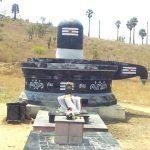
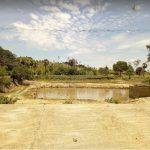
Deity and Form: The primary deity of this temple is Lord Shiva, worshipped here in the form of a Swayambhu Lingam (self-manifested). Known locally as Kanchanaswarar, the presiding deity is believed to be naturally formed rather than sculpted by human hands. The temple is perched on a plateau surrounded by a 60-acre plain, with a large temple pond at its center, creating a natural mandala formation.
Phalaśruti: The Spiritual Benefits
Why do devotees undertake this journey? According to local tradition, the temple is located in an area where Siddhas (ascetic sages with mystical powers) resided for thousands of years. The hills are abundant with wild Cassia trees, which are considered sacred in this region.
Devotees visit this temple to:
- Cleanse Ancestral Karma: Performing rituals here is believed to alleviate Pitra Dosha (ancestral curses).
- Alleviate Shani Effects: The temple energy is said to stabilize planetary alignments for devotees.
- Attain Spiritual Growth: The isolation of the hill provides the perfect environment for meditation and introspection.
2. Historical Origins & Scriptural Legend
While the exact date of construction is not explicitly documented in stone inscriptions, the architectural style and local folklore place its origins in the early medieval period of Tamil Nadu. The temple has been maintained by the Kanchanaswarer Trust and local devotees, ensuring the preservation of its sanctity over the centuries.
The Legend of the Swayambhu Lingam
Tradition holds that the Kanchanagiri hills were a vibrant forest habitat for countless Siddhas. These sages performed intense penance, channeling cosmic energies that naturally formed the Shiva Lingam at the summit. The name “Kanchana” refers to gold or prosperity; legend suggests that this hill once radiated a golden hue during sunrise, signifying the divine presence.
Unlike other temples constructed by dynasties like the Cholas or Pandyas, the Kanchanagiri temple feels organic, as if emerging from the hill itself. It serves as a sanctuary where nature and divinity converge, untouched by heavy imperial expansions.
3. Architectural Marvels
The temple reflects the classical Dravidian architectural style, characterized by its structural harmony with the surrounding topography. The layout of the temple follows the principles of Vastu Shastra, with the main shrine aligned to allow sunlight to fall directly on the Lingam during equinoxes.
Key Architectural Features
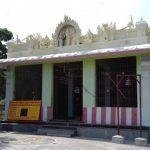
- The Sanctum Sanctorum (Garbhagriha): Unlike towering gopurams found in city temples, the shrine here is modest and integrated into the rocky terrain, preserving the austerity of a hill sanctuary.
- The Mandapa: A spacious pillared hall allows devotees to gather for prayers and repose.
- The Sacred Pond: Located at the base of the plateau, this large water body (theertham) is an essential ritual element used for purification before the ascent.
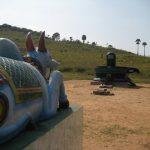
- Surrounding Sculptures: While the main focus is the natural Swayambhu Lingam, the premises feature smaller shrines dedicated to Murugan and Ganesha, adorned with intricate carvings.
Status: While it does not hold an UNESCO or ASI (Archaeological Survey of India) protected monument status, it is a protected heritage site under the state religious board.
4. Darshan & Ritual Logistics
Visitors are encouraged to check specific timings before planning their visit, as hill temple timings can vary based on seasons and local festivals.
Daily Darshan Timings
| Session | Timing |
|---|---|
| Morning | 6:00 AM – 12:00 PM |
| Evening | 4:00 PM – 7:00 PM |
Note: Timings may extend during festivals like Shivarathiri and Karthigai Deepam.
Key Sevas and Online Booking
The temple administration facilitates various Sevas (ritual services) for devotees unable to visit in person. Currently, the following Sevas are popular:
- Abhishekam: Ritual bathing of the Swayambhu Lingam with water, milk, honey, and sandalwood paste.
- Archana: Recitation of hymns and names of the deity in the Tamil language.
- Vilakku (Deepa Aaradhanai): Lamp offerings performed on auspicious days.
How to Book: Devotees can book Online Seva through the official trust channels. Please refer to the contact details section for the current website or mobile application.
2026 Festival Dates (Tamil Calendar)
Mark your calendars for these significant dates in 2026:
- Maha Shivarathiri: February 26, 2026
- Pradosham (Every 13th/28th day of the lunar month): Monthly occurrences.
- Karthigai Deepam: December 4, 2026
- Chitra Pournami: April 13, 2026
- Aadi Perukku: July 30, 2026
5. Practical Visitor Guidance
To ensure a safe and spiritually fulfilling visit, please adhere to the following guidelines:
Dress Code and Conduct
- Attire: Traditional clothing is recommended (e.g., Dhoti for men, Saree or Salwar Kameez for women). Western attire (shorts/tank tops) is discouraged.
- Photography: Photography is prohibited inside the inner sanctum (Sanctum Sanctorum). Photography in the outer complex is allowed but maintain respect for the worship proceedings.
- Mobiles: Electronic devices should be switched to silent mode. Mobile lockers are available at the base camp for storing bags and electronics.
Crowd Management & Accessibility
- Best Hours to Visit: For a peaceful darshan, visit immediately after the morning opening (6:00 AM) or before the evening closure (6:30 PM). Weekends see higher footfall from Vellore and Chennai.
- Seasonal Advice:
- Summer (April–June): Temperatures rise significantly. Carry ample water and wear hats/shades while climbing.
- Monsoon (November–December): The hills become slippery. Use the provided railing and wear shoes with good grip.
- Accessibility: The climb to the top involves steps. The base camp is accessible by vehicle, but the final ascent requires physical effort.
6. Pilgrimage Connectivity
How to Reach Kanchanagiri Temple
The temple is located in Lalapettai village, Walajah Taluk, Vellore District.
- By Air: The nearest airport is Chennai International Airport (MAA), approximately 115 km away.
- By Rail: The nearest railway stations are Ranipet (10 km) and Mukundarayapuram (6 km). Katpadi Junction (Vellore) is also a major hub about 25 km away.
- By Road:
- Take NH 69 (Old NH 4) towards Vellore/Ranipet.
- From Chennai, drive south via Sriperumbudur and Kanchipuram to Ranipet.
- From Lalapettai Bus Stop, a mud road winds up the hill (1.5 km) suitable for two-wheelers and light vehicles. A shuttle facility may be available from the base.
Nearby Sacred Sites (Pilgrimage Circuit)
Extend your spiritual journey by visiting these nearby temples:
- Sholinghur Yoga Narasimhar Temple: Located ~32 km away, famous for its twin hill shrines.
- Elliamman Temple, Ranipet: A significant local deity shrine ~10 km away.
- Melpadi Perumal Temple: A historic Vishnu temple located ~10 km from the hill.
7. Frequently Asked Questions
1. Is there a VIP darshan entry available?
The Kanchanagiri Temple is a community-maintained shrine rather than a high-volume commercial temple. There is no formal “VIP Darshan” ticketing system. However, devotees who have booked specific Sevas (like Abhishekam) are given priority entry to the sanctum during ritual times.
2. Can we perform special homams or rituals?
Yes, special homams (fire rituals) can be arranged upon prior request. Devotees must contact the Kanchanaswarer Trust at least 3 days in advance to procure materials and arrange priests.
3. Is there accommodation available near the temple?
The temple itself does not have guest rooms. However, Ranipet and Vellore (20-30 km away) offer a wide range of hotels and lodges ranging from economy to premium categories.
4. Is the hill climb difficult for the elderly?
The climb is moderately steep. While there are steps, it can be challenging for those with mobility issues. We suggest bringing assistance or visiting during mid-morning when volunteers are present to help. A vehicle can drive partway up the mud road, reducing the walking distance.
5. What is the best time of year to visit?
The ideal months are November to February when the weather in Vellore is cool and pleasant, making the hill climb comfortable.
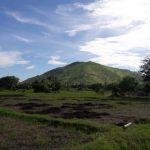
Photo Gallery
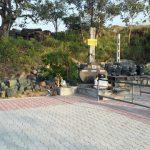
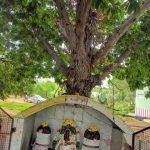
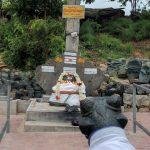
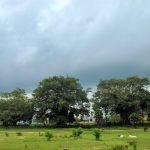
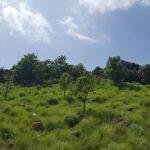
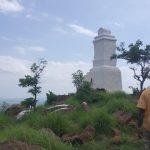
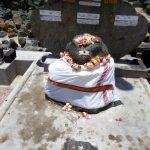
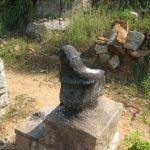
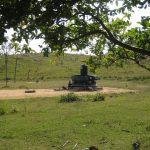
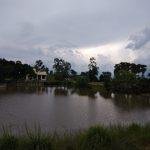
A visual journey through the Kanchanagiri landscape.
Contact Details & Trust Information
For donations, seva inquiries, or emergency assistance, please reach out to the temple administration:
Kanchanaswarer TrustNo.2/178, Thakkan Palayam Saalai,
Lalapettai village, Walajah Taluk,
Vellore District – 632 405
Mobile: +91 9003848655
Email: info@thirukanchanagiri.org
Source Reference: Tamil Nadu Fav Tourism Blog (Archived)