Shri Radha Raman Temple (Kanchipur), Imphal: History, Darshan Timings & Guide
Receive daily temple updates, divine darshan, and morning bhajans directly on WhatsApp.
Contents
- 1 Introduction & Spiritual Essence
- 2 Historical Origins & Scriptural Legend
- 3 Architectural Marvels
- 4 Darshan & Ritual Logistics
- 5 Practical Visitor Guidance
- 6 Pilgrimage Connectivity
- 7 Frequently Asked Questions (FAQs)
- 8 Photo Gallery
- 9 Contact Details
Introduction & Spiritual Essence
The Shri Radha Raman Temple located in the historic town of Kanchipur, Imphal, stands as a serene monument to Manipuri Vaishnavism. Located on the verdant hills of the old Langthabal area, this temple is dedicated to Lord Krishna in his form as Radha Raman—the one who delights in Radha’s company.
Unlike many ancient temples, this shrine is relatively modern, constructed in the early 20th century, yet it carries the spiritual weight of a sacred site. The Phalaśruti (spiritual benefits) of visiting this temple is deeply tied to the preservation of cultural heritage and the seeking of inner peace. Devotees visit to offer prayers in a tranquil setting, removed from the bustle of the main Imphal city, seeking the blessings of the divine couple for harmony and spiritual advancement.
Historical Origins & Scriptural Legend
Historical Context:
According to temple records and local history, the Shri Radha Raman Temple was established in 1917 by the visionary Maharaj Churachand Singh of the Kingdom of Manipur. The temple is situated within the campus of Manipur University, a site that was once the seat of the royal dynasty during the reigns of Maharaja Gambhir Singh and Maharaja Narendrajit Singh (Joy Singh). It served as a strategic and spiritual capital of the state.
📖 Related: Sureswari Temple Subarnapur: History, Darshan Timings & Guide 2026
Scriptural Legend:
While the specific Sthala Purana (local legend) of Kanchipur is rooted in the oral traditions of the Meitei Vaishnava community, theologically, the temple honors the Radha Raman iconography. In Hindu scriptures, “Radha Raman” refers to Lord Krishna as the source of all pleasure and the object of Radha’s intense devotion. The temple structure itself is a testament to the synthesis of traditional Hindu architecture with the local Manipuri aesthetic, reflecting the divine grace that descended upon this region during the Bhakti movement.
Architectural Marvels
The temple exhibits a distinctive architectural style that blends traditional Nagara elements with North-East Indian structural aesthetics. The shrine is raised on a high square pedestal (Adhisthana), facing south, adhering to Vastu Shastra principles which dictate that the deity should face the east or south to receive the morning sun.
The structure features a tiered tower (Shikhara) that, while simplified compared to the towering temples of South India, creates a striking silhouette against the Manipuri skyline. The use of local materials and the integration of the temple into the hill ridge (near the Manipur University campus) demonstrates ancient engineering wisdom, ensuring the structure remains stable in the seismically active zone. While not a UNESCO site, it is a protected heritage structure under the state archaeology department, preserving the distinct Manipuri masonry style.
Darshan & Ritual Logistics
The temple is currently managed by the local deity committee and is active during specific hours. While restoration efforts are ongoing to bring it to full daily capacity, the spiritual atmosphere remains potent.
Daily Darshan Timings (2026)
Below are the standard timings. Please note that timings may vary slightly on festival days.
| Session | Timing |
|---|---|
| Morning Darshan | 06:00 AM – 12:00 PM |
| Afternoon Closure | 12:00 PM – 04:00 PM |
| Evening Darshan | 04:00 PM – 07:00 PM |
Sevas and Offerings
- Mangala Arati: Early morning prayer (6:00 AM).
- Bhoga Offering: Daily food offering to the deity.
- Archana: Personalized chanting of holy names.
📖 Related: Kapilesvara Siva Temple Bhubaneswar: History, Timings & Darshan Guide
Note: While online seva booking systems are currently more prevalent for major national shrines, bookings for this temple can be arranged through the temple trust office on-site or via local priest services in Imphal.
Major Festivals in 2026
- Janmashtami: August 14, 2026 (Grand celebration of Lord Krishna’s birth).
- Holi (Yaosang): March 13-14, 2026 (Celebrated with traditional Manipuri flair).
- Rath Yatra: July 5, 2026 (Chariot procession).
Practical Visitor Guidance
Visiting Kanchipur requires preparation regarding weather and cultural etiquette. The region is known for its heavy monsoons and humid summers.
- Dress Code: Traditional modest attire is preferred. Men should wear Dhoti or full-length trousers and shirts; Women should wear Sarees or Churidars. Avoid shorts and sleeveless tops.
- Photography: Photography inside the sanctum sanctorum is strictly prohibited. Exterior photography is generally allowed but seek permission from the caretaker.
- Mobile Lockers: There are no high-tech digital lockers on site. Visitors are advised to carry minimal valuables.
- Accessibility: The temple is on a hill ridge. While a road leads up to the university area, the final approach may involve steps. It is moderately accessible for those with mobility issues.
- Crowd Management: Weekends and festival days see increased footfall. The best time to visit is early mornings (6 AM – 8 AM) on weekdays. In May and June, temperatures rise; carry water and an umbrella.
Pilgrimage Connectivity
How to Reach Kanchipur
- By Air: The nearest airport is Imphal International Airport (IMF), located approximately 15 km away (30-40 minutes by taxi).
- By Rail: Manipur does not have a broad-gauge railway station yet. The nearest major railhead is in Dimapur, Nagabad (approx. 210 km away). Buses and taxis are available from Dimapur to Imphal.
- By Road: Kanchipur is accessible via NH-2 and local roads leading to Manipur University. Local transport (E-rickshaws and taxis) is easily available from Imphal city center (approx. 7 km).
📖 Related: Durga Temple Motia Cuttack: History, Timings & Complete Guide (Mahishamardini)
Nearby Sacred Sites (Pilgrimage Circuit)
- ISCON Temple (Imphal): A vibrant Krishna temple located in the heart of the city, approximately 8 km away.
- Kaina Temple: A sacred site of the Manipuri Vaishnavites located on a hillock, famous for the unique ritual of performing Raas Leela here.
- Ema Temple (Imphal): One of the oldest and most famous temples in Manipur, dedicated to Goddess Panam Ningthou.
Frequently Asked Questions (FAQs)
1. Is there a VIP Darshan entry at Shri Radha Raman Temple?
Currently, the temple operates on a general darshan basis. Due to the intimate size of the shrine, there is no separate VIP entry. All devotees receive equal access to the sanctum.
2. What is the history of the land on which the temple stands?
The temple is located at the historic Langthabal place, which served as a strategic hilltop location for the Manipuri kings in the 19th century. It is deeply embedded in the history of the royal family’s spiritual practices.
3. Is the temple open year-round?
Yes, the temple is open daily, though hours may be extended during festivals like Janmashtami. It may close temporarily during heavy monsoons if the access road is affected, though this is rare.
4. Are foreign tourists allowed?
Yes, the temple is open to all, regardless of nationality or religion. However, visitors are requested to respect the local customs and remove footwear before entering the temple premises.
5. What is the significance of the name “Radha Raman”?
“Radha Raman” translates to “The Enjoyer of Radha.” It signifies Lord Krishna’s form that is exclusively focused on His eternal consort, Radha, representing the pinnacle of divine love and romance in Hindu theology.
Photo Gallery
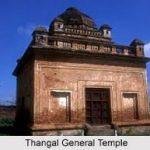
images, Kanchipur, Imphal, Manipur
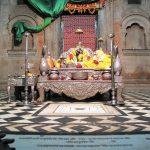
Radha_Raman_Temple, Kanchipur, Imphal, Manipur
MU_Student_20130519_18, Kanchipur, Imphal, Manipur
Contact Details
Official Address:
Shri Radha Raman Temple,
Kanchipur, Langthabal,
Imphal, Manipur 795001
Phone: (Available via Manipur Tourism Office)