Kanniga Parameswari Temple: History, Darshan Timings & Guide
Receive daily temple updates, divine darshan, and morning bhajans directly on WhatsApp.
Contents
- 1 Introduction & Spiritual Essence
- 2 Historical Origins & Scriptural Legend
- 3 Architectural Marvels
- 4 Darshan & Ritual Logistics
- 5 Practical Visitor Guidance
- 6 Pilgrimage Connectivity
- 7 Frequently Asked Questions (FAQ)
- 8 Photo Gallery
- 9 Address & Contact
Introduction & Spiritual Essence
While the French Quarter and Auroville often draw the traveler’s eye, the spiritual heartbeat of Pondicherry resonates deeply within the ancient walls of the Kanniga Parameswari Temple. Located prominently on M.G. Road in the Heritage Town, this temple is a towering beacon of devotion to Goddess Shakti—the primordial cosmic energy and mother of the universe.
In the pantheon of Pondicherry’s sacred sites, the Kanniga Parameswari Temple is revered not just for its divinity but for its unique ability to unify traditions. It is dedicated to Goddess Shakti, worshipped here in her benevolent yet powerful form, akin to Goddess Durga or Parvati. Devotees flock to this sanctum seeking protection from worldly evils and the removal of obstacles. The Phalaśruti (spiritual benefits) of visiting this temple is profound; it is believed that sincere prayers here cleanse ancestral karma and grant mental clarity and strength to navigate life’s challenges.
Historical Origins & Scriptural Legend
The Confluence of Cultures
According to temple records and local historical accounts, the Kanniga Parameswari Temple was constructed in the early 19th century, specifically around 1889. It was built under the patronage of the influential Goubert family, who were significant figures in the region during the French colonial era. The temple stands as a testament to the syncretic culture of Puducherry, where Dravidian spirituality seamlessly blended with colonial-era aesthetics.
📖 Related: Hanuman Temple Connaught Place: History, Darshan Timings & Guide
The Sthala Purana (Local Legend)
Tradition holds that the site was chosen due to the divine appearance of a Swayambhu (self-manifested) idol of the Goddess, which was discovered by a devout woman named Kanniga. It is said that the Goddess appeared in her dreams, instructing her to build a temple at that specific location. The name “Kanniga Parameswari” itself honors this devotee, immortalizing her devotion in the temple’s name. The legend emphasizes the accessibility of the divine—how the Goddess manifests for the common devotee, regardless of status or caste.
Architectural Marvels
The temple is a masterpiece of architectural synthesis, harmonizing the rigid, geometric precision of French design with the flowing, ornate spirituality of South Indian Deccan architecture.
- Style & Vastu: The structure follows the Dravidian style of architecture, adhering to the principles of Vastu Shastra, ensuring the energy flow aligns with the movement of the sun.
- The Shikhara: The towering Shikhara (spire) is visible from afar, featuring intricate carvings that depict various manifestations of the Goddess.
- The French Influence: Unlike traditional temple complexes, the exterior facades and the use of materials reflect a colonial touch. The temple is built with light-colored stone, reminiscent of French neoclassical structures, while the inner sanctum remains purely Dravidian.
- Sculptures: The Mandapas (pillared halls) feature carvings of deities and mythological narratives, showcasing the fine craftsmanship of artisans of that era. While it is not an ASI-protected monument, it remains a protected heritage site under local regulations due to its cultural importance.
Darshan & Ritual Logistics
To ensure a spiritually fulfilling visit, it is essential to understand the daily schedule and ritual offerings. Note: Temple timings may vary slightly during festivals; it is advisable to check the official notices before travel.
| Session | Timings | Activity |
|---|---|---|
| Morning | 06:00 AM – 12:30 PM | Opening, Abhishekam, Archana |
| Afternoon | 12:30 PM – 04:30 PM | Temple Closed |
| Evening | 04:30 PM – 09:00 PM | Evening Darshan, Deeparadhana |
Key Sevas & Offerings
Devotees can participate in various rituals to deepen their connection with the Divine Mother:
- Abhishekam: Ritual bathing of the deity with milk, honey, and holy water (usually performed in the morning).
- Archana: Personalized chanting of the Goddess’s names (Sahasranamam).
- Special Poojas: Conducted on Tuesdays and Fridays, considered highly auspicious for Goddess worship.
📖 Related: ISKCON Temple Delhi: Radha Parthasarathi History, Timings & Darshan Guide
Online Seva Booking
While the temple maintains traditional in-person bookings, many ritual offerings can now be scheduled via third-party pilgrimage platforms or through the local administration’s digital portal. It is recommended to book at least 24 hours in advance for special occasion Abhishekams.
2026 Festival Calendar
Planning your visit around these festivals offers a glimpse into the temple’s vibrant culture:
- Navaratri: March 30 – April 7, 2026 (Nine nights of devotion; the temple is elaborately decorated).
- Aadi Perukku: August 3, 2026 (Celebration of the river and abundance).
- Deepavali: October 20, 2026 (Festival of Lights; special evening lighting).
Practical Visitor Guidance
To ensure your darshan is smooth and respectful, please adhere to the following guidelines:
Etiquette & Rules
- Dress Code: Traditional attire is strictly recommended. Men should wear dhotis or long pants with shirts; women should wear sarees, salwar kameez, or long skirts.
- Photography: Photography is generally restricted inside the inner sanctum (Garbhagriha). It is permitted in the outer halls, but flash photography is discouraged.
- Mobile Phones: Usage of phones inside the sanctum is prohibited. Lockers are available near the entrance for storing personal items.
Crowd Management & Seasonality
- Best Hours: The morning slot between 6:00 AM and 8:00 AM is the most peaceful. Evenings around 6:00 PM are crowded due to the evening Aarti.
- Accessibility: The temple complex has steps leading to the main hall. However, ramps are available for wheelchair access near the side entrances. Please contact the temple office for assistance.
- Seasonal Advice: Pondicherry can be humid. If visiting between May and July, carry a water bottle and an umbrella. Monsoons (October–November) bring a mystical charm but require rain gear.
Pilgrimage Connectivity
How to Reach
Kanniga Parameswari Temple is centrally located in the Heritage Town, making it highly accessible.
- By Air: Puducherry International Airport (PNY) is approximately 6 km away. A taxi or auto-rickshaw takes 15–20 minutes.
- By Train: Puducherry Railway Station is about 2 km from the temple. It is a 5-minute drive or a 15-minute walk through the French Quarter.
- By Road: The temple is situated on M.G. Road (NH 332 Alternate). It is well-connected to Chennai via the East Coast Road (ECR).
📖 Related: Sai Baba Temple Delhi: History, Darshan Timings & Complete Guide
Nearby Sacred Sites (The Circuit)
Expand your spiritual journey by visiting these nearby landmarks within walking distance:
- Aurobindo Ashram: A hub of spiritual practice and serenity (1 km).
- Varadaraja Perumal Temple: One of the oldest temples in Puducherry, showcasing Dravidian architecture (800 m).
- Immaculate Conception Cathedral: The cathedral church of the Roman Catholic Archdiocese of Pondicherry (1.2 km).
Frequently Asked Questions (FAQ)
Is there a VIP darshan entry available at Kanniga Parameswari Temple?
Generally, the temple follows a standard darshan queue for all devotees to maintain equality. However, during major festivals like Navaratri, special tickets may be issued for quicker access. It is best to inquire at the ticket counter upon arrival.
What is the significance of the name “Kanniga”?
The temple is named after a pious devotee named Kanniga, who was instrumental in its construction. It signifies that devotion and service to the Goddess are the highest forms of worship.
Is non-vegetarian food allowed near the temple?
Puducherry is a union territory with relaxed laws, but the immediate vicinity of the temple and the Heritage Town is strictly vegetarian. Devotees are advised to respect the sanctity of the area and refrain from consuming non-vegetarian food or alcohol nearby.
Are there accommodation options nearby?
Yes, the Heritage Town offers a range of accommodations, from budget guesthouses to heritage hotels. Many French Quarter boutique hotels are within walking distance of the temple.
What is the entry fee for the temple?
There is no entry fee for general darshan. However, special sevas and archana tickets have a nominal cost, which varies based on the ritual.
Photo Gallery
Visuals of the temple’s unique French-Dravidian architecture and the divine sanctum.
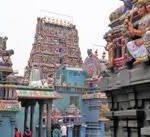
Kanniga Par, Kanniga Parameswari Temple, Pondicherry
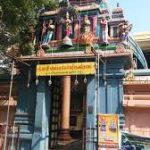
Kannig, Kanniga Parameswari Temple, Pondicherry
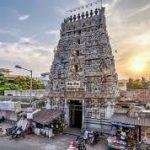
Kanniga Para, Kanniga Parameswari Temple, Pondicherry
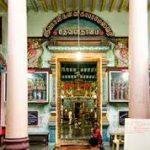
Kanniga Parameswari T, Kanniga Parameswari Temple, Pondicherry
Kanniga Parameswari Templ, Kanniga Parameswari Temple, Pondicherry
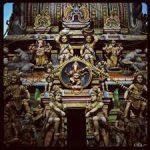
Kanniga Parameswari Temple Pondich, Kanniga Parameswari Temple, Pondicherry
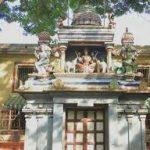
Kanniga Parameswari Temple, Kanniga Parameswari Temple, Pondicherry
Address & Contact
Address:
Kamatchi Amman Kovil St, Heritage Town,
Puducherry, 605001
Contact Details:
For inquiries regarding timings and rituals, please contact the temple administration.