Kari Krishna Perumal Temple: Thiruayarpadi History, Darshan Timings & Guide
Receive daily temple updates, divine darshan, and morning bhajans directly on WhatsApp.
Contents
- 1 Introduction & Spiritual Essence
- 2 Historical Origins & Scriptural Legend
- 3 Architectural Marvels
- 4 Darshan & Ritual Logistics
- 5 Practical Visitor Guidance
- 6 Pilgrimage Connectivity
- 7 Photo Gallery
- 8 Frequently Asked Questions (FAQ)
- 8.1 1. Is there a VIP Darshan entry at Kari Krishna Perumal Temple?
- 8.2 2. What is the significance of the tilted posture of the deity?
- 8.3 3. What are the specific materials required for the childless couples’ prayer?
- 8.4 4. Is this temple connected to the Sri Ramanathaswamy Temple?
- 8.5 5. Is the temple wheelchair accessible?
- 8.6 6. Are non-Hindus allowed?
Introduction & Spiritual Essence
The Kari Krishna Perumal Temple in Thiruayarpadi, Thiruvallur district, is a sanctum of profound spiritual energy dedicated to Lord Vishnu in the form of Krishna. Unlike many temples where Krishna is depicted as an infant or a dancing peacock-feathered deity, this divya desam enshrines a unique swayambhu (self-manifested) idol of the Lord standing in a tilted posture, holding a whip.
Phalaśruti (Spiritual Benefits): This temple is renowned as a powerful Prarthana Sthalam (place of prayer). The primary deity, Kari Krishna Perumal, is specifically worshipped by childless couples seeking the boon of progeny. It is believed that performing specific rituals here cleanses ancestral karma and fulfills deep-seated desires.
Historical Origins & Scriptural Legend
The origins of this temple are steeped in both history and folklore.
The Legend of the Ant Hill: Tradition holds that centuries ago, a villager noticed his cow wandering into the forest and returning with empty udders. Suspicious, the master followed the cow and witnessed it pouring milk onto a large ant hill. Upon investigating, the villagers dug into the mound and discovered a striking idol of Lord Krishna. As they excavated, the crowbar struck the Lord’s shoulder, causing Him to shift His posture slightly to avoid further injury. The mark of this injury is still visible on the deity today and is ritually healed with daily applications of sandalwood paste.
📖 Related: Vaikunda Perumal Temple History and Darshan Timings: Vayalanallur Guide
Historical Builders: According to temple records, the structure was initially built by the Chola king Karikala II, after whom the deity derives the name “Kari” Krishna. While the original shrine may have crumbled over the ages, the current temple with its intricate stone carvings is believed to be a restoration by his descendants, preserving the sanctity of the site.
Architectural Marvels
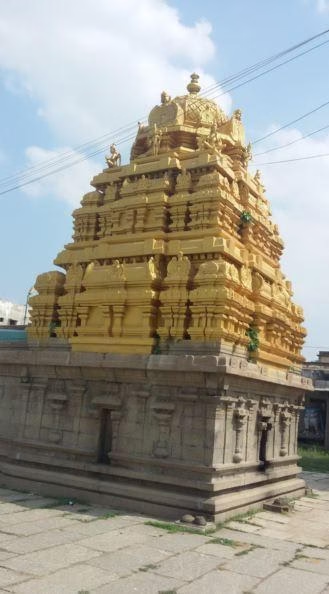
The temple exemplifies the Dravidian architectural style. The complex features a towering gopuram (gateway tower) and pillared mandapas (halls) that depict various scenes from Hindu mythology.
One of the most distinct features is the presiding deity, Kari Krishna Perumal. He stands on the floor without a traditional peetam (base), in a slanted posture with one leg slightly apart, holding a whip. Adjacent to the sanctum is the shrine for the consort, Karuthambigai (Abhimanyu Nayaki).
The temple complex also houses shrines for other deities, including Narasimha, and a distinct presence of Lord Shiva, linking to the unique Hari-Hara (Vishnu-Shiva) legend associated with this region.
Darshan & Ritual Logistics
The temple follows specific timings to facilitate daily pujas and darshan for devotees.
| Session | Timings |
|---|---|
| Morning Darshan | 07:30 AM – 10:30 AM |
| Evening Darshan | 05:30 PM – 08:30 PM |
Key Sevas and Offerings
- Archana: Special Archana can be performed on Rohini star days every month. Devotees are advised to bring two plantains, ½ liter of milk, 100gms of butter, and gingelly oil for the lamp.
- Abhishekam: Performed during temple hours; contact the temple administration for specific slots.
- Hari-Haran Sandhippu Urchavam: A unique festival celebrated on the 5th day of the Tamil month of Chitrai, where Kari Krishna Perumal processes to Ponneri to meet Lord Shiva.
📖 Related: Nithyakalyana Venkatesa Perumal Temple, Arani: History, Timings & Guide
2026 Major Festival Dates
- Brahmotsavam: Begins on Chitra Pournami (April 2026).
- Vaikunta Ekadasi: December 2026 (Specific date based on Tamil Panchangam).
- Rama Navami: April 2026.
- Puratasi Saturdays: Specific Saturdays in the Tamil month of Puratasi (September-October 2026).
Note: Online booking for sevas is generally not widely available for smaller ancient temples. It is recommended to contact the temple trust directly or visit in person for special arrangements.
Practical Visitor Guidance
Dress Code & Etiquette
Visitors are required to wear traditional attire. Men should wear dhoti or trousers with a formal shirt; women should wear sarees, salwar kameez, or long skirts. Shorts and tights are not permitted.
Crowd Management & Best Time to Visit
- Weekdays: Early morning (7:30 AM) offers the most serene darshan.
- Weekends: Expect moderate crowds, especially during the evening session.
- Seasonal Advice: Tamil Nadu summers (April–June) can be scorching. Carry a water bottle and an umbrella. The monsoon (October–December) is lush but check local transit conditions.
Facilities
Photography is strictly prohibited inside the sanctum. Mobile lockers are typically not available, so travel light. The temple is generally accessible, though the inner sanctum requires climbing a few steps.
Pilgrimage Connectivity
How to Reach
Location: Thiruayarpadi Village, near Ponneri, Thiruvallur District.
- By Road: The temple is 1 km from the Ponneri Bus Depot. From Chennai, take the NH16 (Grand Trunk Road) towards Ennore/Karanodai. After the Karanodai toll, take the Thatchur cross road towards Ponneri.
- By Train: The nearest railway station is Ponneri (Chennai Central–Gummidipoondi suburban line), located about 1 km from the temple. Auto-rickshaws are readily available.
- By Air: Chennai International Airport (MAA) is approximately 50 km away.
Nearby Sacred Sites
Enhance your pilgrimage by visiting these nearby temples:
- Arulmigu Prasanna Venkatesa Perumal Temple (Thiruvidandai): Located nearby in Thirupalaivanam.
- Thiruporur Murugan Temple: A famous Murugan temple located about 30 km away.
- Pulicat Lake: Not a temple, but a serene spot for spiritual reflection, located near the district border.
📖 Related: Iluppaipattu Neelakandeswarar Temple History and Darshan Timings | Nagapattinam Guide
Photo Gallery
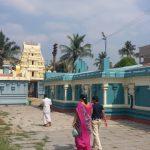
2018-01-20 (7), Kari Krishna Perumal Temple, Thiruayarpadi, Thiruvallur
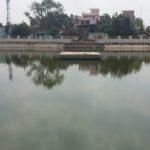
2018-01-ut20 (6), Kari Krishna Perumal Temple, Thiruayarpadi, Thiruvallur
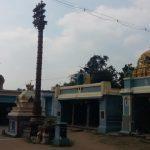
2018-01-20 (5), Kari Krishna Perumal Temple, Thiruayarpadi, Thiruvallur
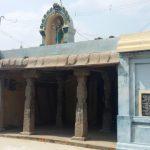
2018-01-ysryd20 (8), Kari Krishna Perumal Temple, Thiruayarpadi, Thiruvallur
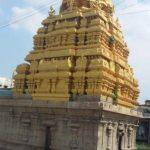
56457547647, Kari Krishna Perumal Temple, Thiruayarpadi, Thiruvallur
Frequently Asked Questions (FAQ)
1. Is there a VIP Darshan entry at Kari Krishna Perumal Temple?
As a traditional temple managed by the local trust, there is no formal VIP darshan system like in large corporate temples. However, devotees can contact the temple office in advance for assistance with special pujas.
2. What is the significance of the tilted posture of the deity?
According to the Sthala Purana, the idol was discovered from an ant hill, and during excavation, the deity shifted slightly to avoid being struck by a crowbar. This posture is maintained as a sign of the miracle of discovery.
3. What are the specific materials required for the childless couples’ prayer?
On the Rohini star day, childless couples should bring two plantains, ½ liter milk, 100gms butter, and gingelly oil. Performing an archana with these items is believed to bring blessings.
4. Is this temple connected to the Sri Ramanathaswamy Temple?
While this temple is in the Ramanathapuram region (historically), it is distinct from the famous Ramanathaswamy Temple in Rameswaram. However, the architectural styles share similarities due to the region’s history.
5. Is the temple wheelchair accessible?
The outer corridors are accessible, but the inner sanctum may be difficult for wheelchair users due to ancient architectural constraints. Please seek assistance from temple staff.
6. Are non-Hindus allowed?
Generally, entry to the inner sanctum of Hindu temples is restricted to followers of Hinduism. However, the outer premises and architecture can often be viewed by all.