
Contents
Introduction & Spiritual Essence
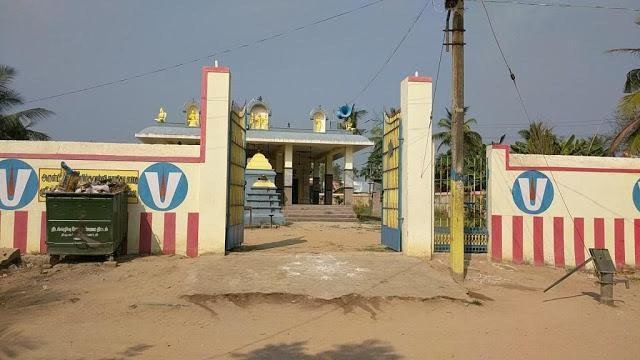
The Kariamanicka Perumal Temple in Pakkam is a revered ancient shrine nestled near Thiruninravur in the Thiruvallur district of Tamil Nadu. Dedicated to Lord Vishnu, this temple is locally celebrated as a place of profound spiritual potency, often referred to by devotees as the “Narasimha Kshetram” of this region. The presiding deity, Kariamanicka Perumal (a manifestation of Vishnu), is enshrined in a standing posture facing east, accompanied by his consorts, Sridevi (Alamelu) and Bhoodevi.
Phalaśruti: The Fruits of Visiting
According to temple records and local oral traditions, a pilgrimage to this shrine offers specific spiritual benefits. The primary Phalaśruti (benefit of listening/visiting) associated with Pakkam is the cleansing of ancestral karma. Devotees believe that worshipping Kariamanicka Perumal here helps alleviate Pitru Dosha (ancestral afflictions), ensuring peace for forefathers. Additionally, the temple is considered highly potent for those seeking relief from litigation hurdles and mental anguish, as the Lord is believed to embody the fierce protective energy of Lord Narasimha while bestowing the grace of Lord Rama.
Historical Origins & Scriptural Legend
While the exact date of construction remains a mystery lost to antiquity, the temple architecture suggests origins dating back over a millennium, likely rebuilt during the Vijayanagara and later Nayak periods (circa 15th–17th centuries), as evidenced by the granite pillars and mandapa structures typical of that era. The village of Pakkam itself is steeped in history as a gateway to the holy shrine of Periyapalayam.
The Sthala Purana: The Legend of the Divine Cow
Tradition holds that the temple derives its name from a miraculous event involving a devout cow (Kamadhenu). As per local legend, a holy cow belonging to a Gurjjar (Golla) community chief grazed this land. Every day, a specific portion of the cow’s milk would mysteriously disappear. The chief, upon investigating, discovered that the cow was spontaneously offering her milk onto a particular spot on the ground. Digging the site, he unearthed a sacred Shaligram (divine stone) or idol of Lord Vishnu. The Lord appeared in the chief’s dream, instructing him to consecrate the idol there. Thus, the location became Pakkam (from Paga or holy spot), and the deity came to be known as Kariamanicka Perumal.
Scripturally, while specific Vedic verses are attached to this smaller shrine, it is part of the larger belief system surrounding Lord Narasimha, the avatar of Vishnu who slayed the demon Hiranyakashipu to protect his devotee Prahlada. The temple is revered for fulfilling the wishes of childless couples and granting prosperity.
Architectural Marvels
The Kariamanicka Perumal Temple is a classic example of Dravidian Architecture, adhering to the principles of Vastu Shastra. The temple faces east, aligning with the rising sun, symbolizing the dispelling of darkness.
- Sanctum Sanctorum (Garbhagriha): The main deity is a Murti (idol) carved from black granite, standing in the Samabhanga posture (balanced stance). The Lord holds the Sudarshana Chakra (discus) and Shankha (conch).
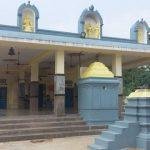
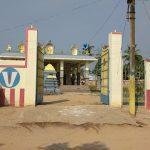
- Mandapas: The temple features a Maha Mandapa and an Ardha Mandapa adorned with intricately carved pillars. These pillars depict various avatars of Vishnu and scenes from Hindu epics, showcasing the craftsmanship of the artisan guilds of the time.
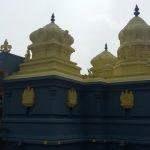
- Shikhara: Unlike the towering Nagara style of the North, the temple follows the Dravida style with a stepped pyramidal roof (Vimana) over the sanctum.
- Sub-Shrines: The complex houses shrines for Vinayaga (Ganesha) and a unique Lakshmi Hayagriva (the horse-headed form of Vishnu representing knowledge). There is also a separate shrine for Lord Narasimha.
Note: While this temple is a heritage site, it is not currently listed under ASI (Archaeological Survey of India) protected monuments or UNESCO World Heritage Sites.
Darshan & Ritual Logistics
Devotees visiting Pakkam can participate in various daily rituals and annual festivals. While specific timings may vary slightly during festivals, the general schedule is as follows.
Daily Darshan Timings
| Session | Timing | Description |
|---|---|---|
| Morning | 08:00 AM – 12:00 PM | Temple opens for general darshan. Ushathkalam (early morning) rituals occur before 8 AM. |
| Afternoon | 12:00 PM – 04:00 PM | Temple remains closed for ritual cleaning and deity rest. |
| Evening | 04:00 PM – 07:30 PM | Reopening for evening darshan. The temple closes after Arthajama Pooja. |
Key Sevas & Online Booking
The temple follows traditional Tamil Nadu temple administration protocols. While online booking for this specific local temple is often managed through the HR & CE Department (Hindu Religious and Charitable Endowments) of Tamil Nadu, it is advisable to check the official portal or contact the temple officer directly for the most current availability.
- Thirumanjanam (Abhishekam): Performed on Tuesdays and Fridays.
- Archana: Available throughout darshan hours.
- Special Deeparadhana: Performed during closing hours.
Festivals in 2026
Devotees planning a visit in 2026 should mark their calendars for these key dates:
- Vaikunta Ekadasi: December 2026 (Exact date varies by Panchangam, usually the 11th month of the Tamil calendar).
- Brahmotsavam: The temple’s annual festival, typically held in the Tamil month of Panguni (March–April). In 2026, this falls around March 15 – March 25.
- Narasimha Jayanthi: A major festival celebrated here, falling in May 2026.
Practical Visitor Guidance
To ensure a smooth pilgrimage experience, please adhere to the following guidelines:
- Dress Code: Traditional attire is mandatory. Men should wear Dhoti or formal trousers with a shirt. Women should wear Saree, Salwar Kameez, or traditional half-saree. Avoid shorts, jeans, or t-shirts.
- Photography & Mobiles: Photography inside the sanctum sanctorum is strictly prohibited. Mobile phones are allowed but must be switched to silent mode. Lockers are generally available at the entrance, though it is advisable to carry minimal valuables.
- Accessibility: The temple has a granite entrance, and wheelchairs may find the inner pathways challenging due to age-old steps. Assistance from priests is available for elderly devotees.
- Crowd Management:
- Best Hours: Weekday mornings (8 AM – 9 AM) are ideal for a peaceful darshan.
- Weekends: Expect moderate crowds due to proximity to Chennai.
- Seasonal Advice: Summers (April–June) in Thiruvallur are hot and humid. Carry a water bottle, umbrella, and wear light cotton clothing. The post-monsoon season (October–January) offers the most pleasant weather.
Pilgrimage Connectivity
How to Reach
The Kariamanicka Perumal Temple is well-connected to major transit hubs:
- Nearest Railway Station: Thiruninravur Railway Station (approx. 5 km). This is a suburban station on the Chennai – Tiruvottiyur line.
- Nearest Airport: Chennai International Airport (MAA) (approx. 36 km). Taxis and cabs are readily available.
- By Road (NH/State Highway): The temple is located off the Thiruninravur – Pakkam Road. From Chennai, take NH 48 (via Poonamallee) or NH 16, diverting towards Thiruninravur. It is approximately 38 km from Chennai Central (George Town).
Nearby Sacred Sites (Pilgrimage Circuit)
Plan a holistic circuit by visiting these nearby temples:
- Periyapalayam Rajarajeshwari Temple: Located just 4 km from Pakkam. This is a renowned Shakthi temple known for its intense energy and animal sacrifice rituals (optional).
- Thiruninravur Adikesava Perumal Temple: A Divya Desam (holy abode) located 5 km away, dedicated to Lord Rama and Sita.
- Maha Prathyangira Devi Temple (Uthukottai): About 20 km away, dedicated to the fierce form of Devi who grants protection from evil.
Photo Gallery
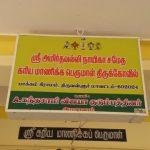
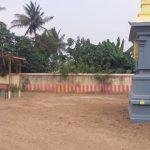

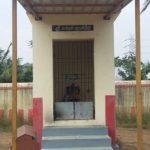
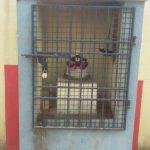
Frequently Asked Questions (FAQs)
1. Is there a VIP Darshan entry at Kariamanicka Perumal Temple?
Generally, this is a traditional temple that does not have a formal VIP or paid entry system like mega-temples. However, devotees performing special Sevas (rituals) are allowed entry during specific slots. It is best to coordinate with the temple priest for early morning access.
2. What is the significance of Lakshmi Hayagriva in this temple?
The shrine for Lakshmi Hayagriva (Vishnu in horse form with Goddess Lakshmi) is a highlight here. Hayagriva is the deity of knowledge and wisdom. Students and those seeking educational excellence often visit to offer prayers here.
3. Are non-Hindus allowed inside the temple?
Similar to most ancient Hindu temples in Tamil Nadu, entry is restricted to those who practice or respect the Hindu faith. However, permissions are granted for heritage researchers upon prior request to the temple administration.
4. Where can we park our vehicles?
There is a dedicated open ground adjacent to the temple used as a parking lot for cars and two-wheelers. It is usually free of charge, but costs may apply during large festival days.
5. What is the best time to visit for a calm experience?
For the most serene darshan, visit on a Tuesday or Friday between 8:00 AM and 9:00 AM, or on weekdays excluding public holidays.
Contact Details
For temple inquiries, rituals, or emergencies:
- Official Address: Kariamanicka Perumal Temple, Pakkam Village, Thiruninravur Taluk, Thiruvallur District, Tamil Nadu – 602024
- Nearest Landmark: Pakkam Village Bus Stop (250 meters)
Recent Posts

ओ सांवरे तूने ही मुझको संभाला – Lyrics & Meaning
ओ सांवरे तूने ही मुझको संभाला – A Prayer to Shyam Origin & Spiritual Essence Why This Bhajan Resonates Devotees chant this when overwhelmed by life’s storms—the refrain ‘तूने ही मुझको संभाला’ is the soul’s sigh of relief: “You…

कथा ये है महाराज मेरे की – Lyrics & Meaning
कथा ये है महाराज मेरे की छत्रपति संभाजी महाराज – A Prayer to Chhatrapati Sambhaji Maharaj Origin & Spiritual Essence Why This Bhajan Resonates Devotees chant this when their spirit feels tested—its powerful refrain “महाराज मेरे” is a soul’s…

Rigveda Samhita Yathartha Anuvada (ऋग्वेद संहिता यथार्थ अनुवाद) – Complete Set with Anvayartha & Hindi/English Translation
The Rigveda is the oldest surviving scripture of humanity and the foundational text of Sanātana Dharma. For serious students, scholars, UPSC aspirants studying ancient Indian history, Sanskrit learners, and spiritual seekers, a precise and grammatically structured translation is indispensable.…

आना भी अकेला है जाना भी अकेला है – Lyrics & Meaning | BharatTemples
आना भी अकेला है जाना भी अकेला है – A Prayer to the Divine Witness Origin & Spiritual Essence Why This Bhajan Resonates Devotees turn to this bhajan in moments of deep reflection—when life’s attachments begin to ache. The…

माता शेरावाली के द्वार जो भी जाता है – Lyrics & Meaning
माता शेरावाली के द्वार जो भी जाता है – A Prayer to Maa Sherawali Origin & Spiritual Essence Why This Bhajan Resonates Devotees turn to this bhajan in times of fear or uncertainty—its promise that no one leaves Maa’s…

मार लेना सपणी उबार लेणा भवरा – Lyrics & Meaning
मार लेना सपणी उबार लेणा भवरा – A Prayer to the Divine Beloved Origin & Spiritual Essence Why This Bhajan Resonates Devotees chant this in moments of deep vulnerability—its cry of “मार लेना सपणी, उबार लेणा भवरा” is the…

हमें श्याम सुंदर भरोसा तुम्हारा – Lyrics & Meaning
हमें श्याम सुंदर भरोसा तुम्हारा – A Prayer to Shyam Sundar Origin & Spiritual Essence Why This Bhajan Resonates Devotees chant this when feeling alone—its refrain ‘de do sahara’ is the soul’s cry for divine support. Lyrics in Hindi…

Mere Satguru Ne Di Thi Davai Lyrics in Hindi & Meaning
Mere Satguru Ne Di Thi Davai: Invoking the Guru’s Liberating Wisdom This soul-stirring bhajan venerates the Satguru (True Spiritual Master) as the divine physician who dispenses the only remedy for life’s deepest sufferings. Composed by Sant Karmaveer Tufani, it…

Janm Diyo Thari Maa Dukh Dekhiyo Lyrics in Hindi & Meaning
जन्म दियो थारी माँ दुख देखियो (Maa’s Grief Upon Birthing You) This soul-stirring Chetavani Bhajan (admonitory hymn) is addressed to the Divine Mother (Maa) – a call for repentance when children forget their filial duties in the dark age…
Bhadi Sabha Mein Thane Manaun Lyrics in Hindi & Meaning
Bhadi Sabha Mein Thane Manaun: Invoking the Spear-Wielding Mother Mata Bhawani (श्री ज्वाला भवानी), the fiery manifestation of Shakti worshipped as the Protector of Dharma in Her Dhaulagarh sanctum. Origin & Spiritual Essence Composed in Rajasthani folk tradition by…