
Contents
Introduction & Spiritual Essence
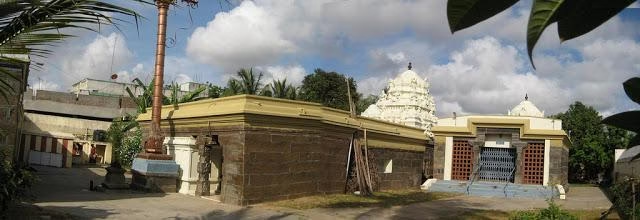
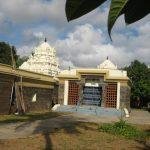
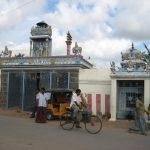
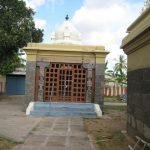
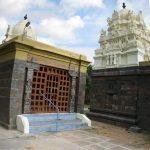
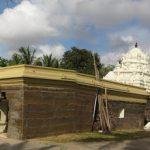
Nestled in the quiet town of Cheyyur, approximately 70 kilometers south of Chennai, lies the Kariya Manikka Perumal Temple. This ancient shrine is a vital spiritual landmark in the Kanchipuram district, revered by Vaishnava devotees. The temple is dedicated to Lord Vishnu, worshipped here in the form of Kariya Manikka Perumal. The presiding deity is a Swayambhu (self-manifested) idol, believed to have appeared naturally, enhancing its sanctity. His consort, Goddess Senkamalavalli Thayar, graces the shrine from her separate mandapa.
Phalaśruti (Spiritual Benefits): Devotees visit this temple seeking relief from pardha dosham (ancestral curses) and obstacles in marriage alliances. It is traditionally believed that offering prayers here cleanses negative karma and bestows the devotee with prosperity and spiritual peace, similar to the blessings received at the holy shrine of Tirupathi.
Historical Origins & Scriptural Legend
Antiquity: While the current structure of the temple reflects the architectural styles of the Pallava and Chola dynasties, local inscriptions and oral traditions suggest the temple dates back over 800 years. The village of Cheyyur (historically known as Sengundram) has been a center of Shaivite and Vaishnava devotion for centuries.
Scriptural & Local Legend: According to the Stala Purana, the temple is associated with the Narasimha Avatar of Lord Vishnu. Legend holds that Lord Narasimha, in his wrathful form, appeared here to protect his devoted follower, Prahlada. The Swayambhu idol of Kariya Manikka Perumal is said to embody the Gaja Vadhabhaya Narasimha form, where the Lord is depicted with a fierce expression yet blessing his devotee. Another popular local lore connects the temple to the celestial events of the Kurma Avatar (tortoise incarnation), as the geography of Cheyyur is associated with divine battles between the Devas and Asuras.
Architectural Marvels
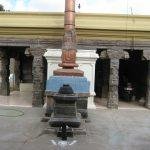
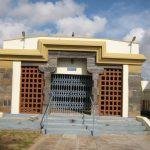
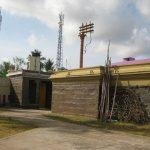
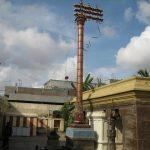
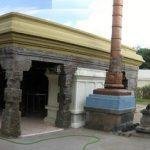
The Kariya Manikka Perumal Temple is a classic example of Dravidian Architecture. The temple faces east, conforming to Vastu Shastra principles for positive energy flow.
Structural Highlights:
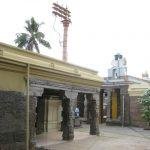
- Prakaram (Corridor): The temple features a spacious outer precinct (prakaram) allowing for the traditional Pradakshina (circumambulation).
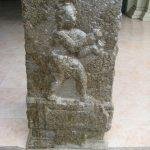
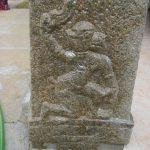
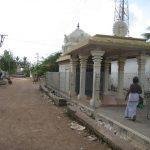
- Sculptures: The pillars of the Mandapa are adorned with intricate carvings depicting scenes from the Puranas and various avatars of Vishnu.
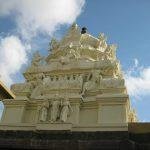
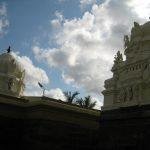
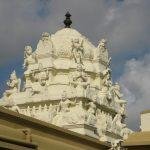
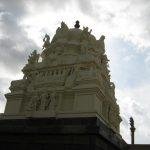
- The Sanctum: The inner sanctum (Garbhagriha) is relatively compact, housing the Swayambhu idol which is distinct in its natural formation. The elevation of the Vimana (tower over the sanctum) shows the characteristic tiered style of the Dravidian school.
- Preservation: The temple is maintained by the Hindu Religious and Charitable Endowments (HR&CE) Department of Tamil Nadu.
Darshan & Ritual Logistics
To plan your visit effectively, refer to the daily schedule below. Please note that timings may vary slightly during festival seasons.
| Session | Timing | Activity |
|---|---|---|
| Morning | 6:00 AM – 12:00 PM | Thiruvadarai, Abhishekam, General Darshan |
| Afternoon Break | 12:00 PM – 4:00 PM | Temple Closed |
| Evening | 4:00 PM – 8:00 PM | Deepa Aradhanai, Anna Thirumanjanam |
Key Sevas and Online Booking
While specific online booking portals for smaller divyadesams can vary, the HR&CE Tamil Nadu app and website (tnhrce.org) are the primary channels for checking availability and booking special pujas. Key Sevas include:
- Abhishekam: Performed during morning hours with milk, honey, and sandalwood paste.
- Archana: Recitation of Thiruvaimozhi and Purusha Suktam.
- Tirukalyana Utsavam: The annual marriage festival of the deity.
2026 Festival Calendar (Tentative)
- Vaikuntha Ekadashi: January 2026
- Ramanavami: April 2026
- Brahmotsavam: November 2026 (Dates vary by Tamil Calendar)
Practical Visitor Guidance
Dress Code: As with all ancient Hindu temples in Tamil Nadu, modest dress is mandatory. Men should wear Dhotis or full-length trousers (no shorts). Women are required to wear sarees, skirts, or salwar kameez covering the shoulders and knees.
Photography & Rules:
- Photography is strictly prohibited inside the inner sanctum (Garbhagriha).
- Mobile phones are allowed but must be silenced. Some temples may require depositing phones at the counter before entry.
- Leather items (belts, wallets) are traditionally prohibited in the inner prakaram (though enforcement varies).
Accessibility & Crowd Management:
- Best Hours: 7:00 AM – 8:30 AM (Morning) or 5:00 PM – 6:30 PM (Evening) to avoid local rush.
- Seasonal Advice: Cheyyur can get quite humid. Carry a water bottle (outside food/drink may be restricted inside the temple). Use a hat or umbrella during summer visits.
- Footwear: Designated areas for footwear are available, usually managed by temple volunteers for a nominal fee.
Pilgrimage Connectivity
The temple is strategically located near the East Coast Road (ECR), making it accessible from Chennai and Puducherry.
How to Reach
- By Air: The nearest airport is Chennai International Airport (MAA), approximately 70 km away.
- By Rail: The nearest railway junction is Chengalpattu (approx. 45 km). From there, one can hire a taxi or take a bus to Cheyyur.
- By Road: Cheyyur is located on the East Coast Road (NH 332). It is about a 1.5 to 2-hour drive from Chennai. Alternatively, one can take the Chennai – Madhurantakam route via NH 48.
Nearby Sacred Sites
To complete your spiritual circuit, consider visiting these temples in the vicinity of Cheyyur:
- Ulagalantha Perumal Temple (Kachi Manikkam): Located roughly 15 km away, this temple is associated with the Vamana Avatar of Vishnu.
- Madhurantakam Rameshwaram Temple: Situated 25 km away, known for its huge water tank and unique architecture.
- Kanchipuram Kamakshi Amman Temple: A 40 km drive towards the north, one of the holiest Shakti Peethams in South India.
Frequently Asked Questions (FAQ)
1. Is there a VIP Darshan entry available?
Yes, the temple authorities sometimes offer a special entry or express darshan during festivals or for elderly devotees. However, unlike major temples like Tirupathi, Kariya Manikka Perumal Temple is less crowded, and general darshan is usually quick and hassle-free.
2. Are there accommodation facilities in Cheyyur?
Accommodation in Cheyyur is limited. It is recommended to stay in Kanchipuram or Madhurantakam, where multiple lodges and choultries are available. For a spiritual retreat, one can also book rooms at the Melathirupathi Jeeyar Mutt in nearby Thirukkalukundram.
3. What is the history of the temple tanks?
Most temples in this region, including Kariya Manikka Perumal, feature large temple tanks (known as Kalyani Theertham). These are historically designed to collect rainwater and provide water security to the village. Bathing in these tanks is considered auspicious before entering the temple.
4. Is the temple open on Sundays?
Yes, the temple remains open on Sundays. However, timings might be consolidated (often open from morning 8 AM to evening 7 PM without a long break). It is advisable to check local updates.
5. Can we perform weddings at this temple?
Yes, the temple has a Mandapa suitable for conducting Kalyanam (weddings). You must contact the temple executive officer (via HR&CE office) at least 15 days in advance to book the hall and arrange for the priest.
Recent Posts

ओ सांवरे तूने ही मुझको संभाला – Lyrics & Meaning
ओ सांवरे तूने ही मुझको संभाला – A Prayer to Shyam Origin & Spiritual Essence Why This Bhajan Resonates Devotees chant this when overwhelmed by life’s storms—the refrain ‘तूने ही मुझको संभाला’ is the soul’s sigh of relief: “You…

कथा ये है महाराज मेरे की – Lyrics & Meaning
कथा ये है महाराज मेरे की छत्रपति संभाजी महाराज – A Prayer to Chhatrapati Sambhaji Maharaj Origin & Spiritual Essence Why This Bhajan Resonates Devotees chant this when their spirit feels tested—its powerful refrain “महाराज मेरे” is a soul’s…

Rigveda Samhita Yathartha Anuvada (ऋग्वेद संहिता यथार्थ अनुवाद) – Complete Set with Anvayartha & Hindi/English Translation
The Rigveda is the oldest surviving scripture of humanity and the foundational text of Sanātana Dharma. For serious students, scholars, UPSC aspirants studying ancient Indian history, Sanskrit learners, and spiritual seekers, a precise and grammatically structured translation is indispensable.…

आना भी अकेला है जाना भी अकेला है – Lyrics & Meaning | BharatTemples
आना भी अकेला है जाना भी अकेला है – A Prayer to the Divine Witness Origin & Spiritual Essence Why This Bhajan Resonates Devotees turn to this bhajan in moments of deep reflection—when life’s attachments begin to ache. The…

माता शेरावाली के द्वार जो भी जाता है – Lyrics & Meaning
माता शेरावाली के द्वार जो भी जाता है – A Prayer to Maa Sherawali Origin & Spiritual Essence Why This Bhajan Resonates Devotees turn to this bhajan in times of fear or uncertainty—its promise that no one leaves Maa’s…

मार लेना सपणी उबार लेणा भवरा – Lyrics & Meaning
मार लेना सपणी उबार लेणा भवरा – A Prayer to the Divine Beloved Origin & Spiritual Essence Why This Bhajan Resonates Devotees chant this in moments of deep vulnerability—its cry of “मार लेना सपणी, उबार लेणा भवरा” is the…

हमें श्याम सुंदर भरोसा तुम्हारा – Lyrics & Meaning
हमें श्याम सुंदर भरोसा तुम्हारा – A Prayer to Shyam Sundar Origin & Spiritual Essence Why This Bhajan Resonates Devotees chant this when feeling alone—its refrain ‘de do sahara’ is the soul’s cry for divine support. Lyrics in Hindi…

Mere Satguru Ne Di Thi Davai Lyrics in Hindi & Meaning
Mere Satguru Ne Di Thi Davai: Invoking the Guru’s Liberating Wisdom This soul-stirring bhajan venerates the Satguru (True Spiritual Master) as the divine physician who dispenses the only remedy for life’s deepest sufferings. Composed by Sant Karmaveer Tufani, it…

Janm Diyo Thari Maa Dukh Dekhiyo Lyrics in Hindi & Meaning
जन्म दियो थारी माँ दुख देखियो (Maa’s Grief Upon Birthing You) This soul-stirring Chetavani Bhajan (admonitory hymn) is addressed to the Divine Mother (Maa) – a call for repentance when children forget their filial duties in the dark age…

Bhadi Sabha Mein Thane Manaun Lyrics in Hindi & Meaning
Bhadi Sabha Mein Thane Manaun: Invoking the Spear-Wielding Mother Mata Bhawani (श्री ज्वाला भवानी), the fiery manifestation of Shakti worshipped as the Protector of Dharma in Her Dhaulagarh sanctum. Origin & Spiritual Essence Composed in Rajasthani folk tradition by…