
Contents
Introduction & Spiritual Essence of Karkadeswarar Temple
Nestled in the sacred soil of Manavur, located in the Thiruvallur District of Tamil Nadu, the Karkadeswarar Temple stands as a timeless testament to Shaivism. The presiding deity, Karkadeswarar (a manifestation of Lord Shiva), is revered by devotees for his ability to nullify the ill-effects of planetary alignments, specifically the Karka Rashi (Cancer zodiac sign).
Here, the Lord is worshipped as a Swayambhu (self-manifested) Lingam, and the mother goddess is known as Kamakshi. The spiritual essence of this temple is rooted in the concept of ancestral liberation.
Phalaśruti (Spiritual Benefits):
Devotees visit the Karkadeswarar Temple primarily to perform rites for their ancestors. It is deeply believed that performing rituals here helps cleanse ancestral karma, removing obstacles in one’s lineage. For those suffering from prolonged illness or delays in marital alliances, a visit to this Shiva-Kamakshi shrine is considered highly auspicious.
Historical Origins & Scriptural Legend
According to temple records and local heritage inscriptions, the temple dates back to the Chola era (approximately 9th–10th century CE). The village was historically referred to as Manavur Kottam during the Chozha period.
Scriptural Legend:
The Sthala Purana (local oral tradition) suggests that this site was a major Vedic learning center. The alignment of the temples in Manavur adheres strictly to the Aagama Sastras, an ancient treatise on temple architecture and rituals. The texts mention specific alignments: Karshanathi, Prathishtandham, Prathishtandhi, Uthsavandham, and Uthsavandhi. This precise geometric arrangement amplifies the spiritual energy of the shrine.
Architectural Marvels
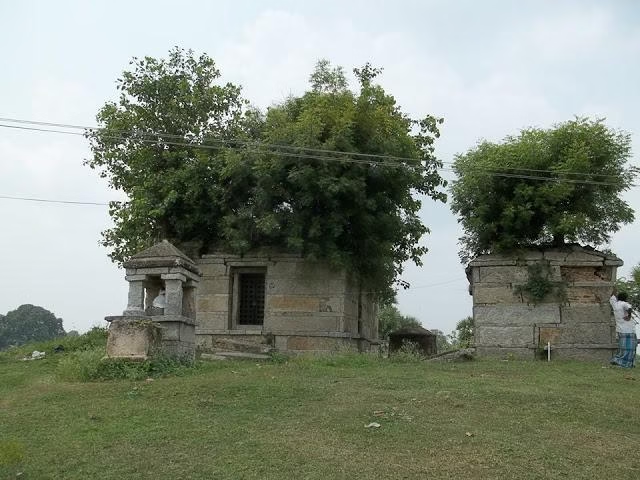
The Karkadeswarar Temple is a classic example of Dravidian Architecture. The complex is a harmonious blend of sanctity and geometry, designed to channel cosmic energy.
- Sanctum Layout: The temple complex is built in Easanya alignment. Adjacent to the main shrine is the Vijayaraghava Perumal temple situated in Nirudhi Moola.
- Sub-Shrines: A notable Sakthi Ganapathi shrine faces North, while the Kandasamy temple faces East, maintaining the Vastu Shastra principles of directional energy flow.
- Sculptures: The temple walls feature intricate carvings depicting various forms of Shiva and scenes from Puranic lore.
Darshan & Ritual Logistics
Planning your visit requires an understanding of the daily rituals. Please note that timings may vary during festivals or specific astrological days.
Daily Darshan Timings
| Session | Timings |
|---|---|
| Morning Darshan | 06:00 AM – 12:00 PM |
| Afternoon Break | 12:00 PM – 04:00 PM |
| Evening Darshan | 04:00 PM – 08:00 PM |
| Pooja Rituals | 07:30 AM (Daily Abhishekam) |
Key Sevas & Online Booking
While many rituals are performed directly at the temple, administrative oversight for larger Tamil Nadu temples is often handled by the HR&CE department. For specific Karkadeswarar Temple Manavur online seva booking, devotees are advised to check the official Tamil Nadu HR&CE portal or contact the temple administration directly using the numbers provided below.
Major Sevas:
- Abhishekam: Performed daily morning with holy waters, milk, and honey.
- Archana: Personalized prayers (archanai) can be offered to Karkadeswarar and Kamakshi.
- Special Homams: Conducted on full moon (Pournami) and new moon (Amavasya) days.
2026 Festival Calendar
Devotees planning a visit in 2026 should note these major events:
- Pradosham: Occurring twice every lunar month (13th day after Full/New Moon). Ideal for Shiva worship.
- Shivaratri (Feb 26, 2026): An all-night festival with special Abhishekam and chanting.
- Aadi Perukku (July/Aug 2026): A river bank festival honoring the Kaveri river, celebrated with great fervor at nearby water bodies.
- Kartikai Deepam (Nov/Dec 2026): Lighting of the sacred lamp.
Practical Visitor Guidance
To ensure a serene experience at Karkadeswarar Temple, Manavur:
- Dress Code: Traditional attire is mandatory. Men should wear Dhoti or pants with a shirt; women should wear Saree or Salwar Kameez.
- Photography: Strictly prohibited inside the sanctum sanctorum. Photography of the outer architecture is generally allowed, but please respect signage.
- Crowd Management: Weekends and Mondays tend to be crowded. Best time to visit: Tuesday or Friday mornings.
- Seasonal Advice: Summer (March–June) can be hot; carry water and an umbrella. Monsoon (Oct–Dec) requires caution on rural roads.
Pilgrimage Connectivity
The temple is well-connected via rail and road, making it accessible for devotees from Chennai and surrounding districts.
How to Reach Karkadeswarar Temple
- By Train: The nearest railhead is Manavur Railway Station, just 1 km from the temple. It lies on the Chennai Central–Arakkonam route. From Thiruvallur, it is 4 stations away toward Arakkonam.
- By Road:
- From Chennai: Approx. 67 km via NH75.
- From Chennai Airport (MAA): Approx. 59 km.
- Bus Service: T2 Bus operates from Thiruvallur to Thiruvalangadu via Manavur (Note: Limited trips, confirm schedule beforehand).
- Nearest Railway Stations: Pazhayanur (4 km), Thiruvalangadu (5 km), Thiruvallur (15 km).
Nearby Sacred Sites (Pilgrimage Circuit)
Expand your spiritual journey by visiting these nearby temples:
- Thiruvalangadu Vadaranyeswarar Temple: A massive temple complex located just 5 km away, housing one of the five elemental Pancha Bhoota Stalas (representing the element of Space/Ether).
- Arakkonam Sri Jalakandeswarar Temple: Located about 23 km away, known for its unique water-filled sanctum.
- Tiruvallur Veeraraghava Swamy Temple: A prominent 15 km away shrine dedicated to Lord Vishnu, balancing the Shaivite-Vaishnavite circuit.
Frequently Asked Questions (FAQ)
1. What is the significance of the name “Karkadeswarar”?
The name derives from “Karka,” meaning the Cancer zodiac sign (Karka Rashi). Lord Shiva in this form is known to alleviate the astrological afflictions caused by the positioning of the moon in one’s birth chart.
2. Is there a VIP Darshan entry available?
While the temple does not have a formal commercial VIP ticketing system like mega-temples, the trust may prioritize senior citizens and physically disabled devotees. It is best to coordinate with the temple priest upon arrival for special entry during crowded hours.
3. How do I perform rituals for my ancestors here?
The Karkadeswarar Temple is ideal for Thithi or Shraddha ceremonies. The resident priests (Archakas) can perform these rituals. It is recommended to bring the name of the ancestor (Gotram) and the specific Tithi date.
Manavur is a small village. Basic lodges are available in the nearby town of Thiruvallur (15 km) and Arakkonam (23 km). For a spiritual retreat, devotees often prefer staying in Thiruvalangadu.
5. What is the contact number for the Karkadeswarar Temple?
You can contact the temple administration at:
+91 80122 47358
+91 80987 95873
Photo Gallery

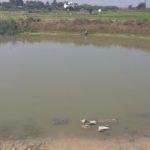
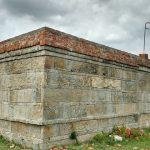
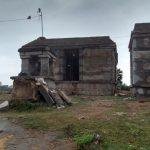
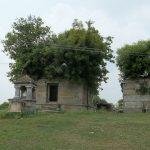
Recent Posts

Shri Kaamkoteeshwar Mandir, Varanasi – History & Significance
In the heart of Kashi, the eternal city of Lord Shiva, where the Ganges flows with celestial grace, stands the Shri Kaamkoteeshwar Mandir. This sacred Sannidhi is not merely a temple but a profound spiritual bridge between the Northern…

ओ सांवरे तूने ही मुझको संभाला – Lyrics & Meaning
ओ सांवरे तूने ही मुझको संभाला – A Prayer to Shyam Origin & Spiritual Essence Why This Bhajan Resonates Devotees chant this when overwhelmed by life’s storms—the refrain ‘तूने ही मुझको संभाला’ is the soul’s sigh of relief: “You…

कथा ये है महाराज मेरे की – Lyrics & Meaning
कथा ये है महाराज मेरे की छत्रपति संभाजी महाराज – A Prayer to Chhatrapati Sambhaji Maharaj Origin & Spiritual Essence Why This Bhajan Resonates Devotees chant this when their spirit feels tested—its powerful refrain “महाराज मेरे” is a soul’s…

Rigveda Samhita Yathartha Anuvada (ऋग्वेद संहिता यथार्थ अनुवाद) – Complete Set with Anvayartha & Hindi/English Translation
The Rigveda is the oldest surviving scripture of humanity and the foundational text of Sanātana Dharma. For serious students, scholars, UPSC aspirants studying ancient Indian history, Sanskrit learners, and spiritual seekers, a precise and grammatically structured translation is indispensable.…

आना भी अकेला है जाना भी अकेला है – Lyrics & Meaning | BharatTemples
आना भी अकेला है जाना भी अकेला है – A Prayer to the Divine Witness Origin & Spiritual Essence Why This Bhajan Resonates Devotees turn to this bhajan in moments of deep reflection—when life’s attachments begin to ache. The…

माता शेरावाली के द्वार जो भी जाता है – Lyrics & Meaning
माता शेरावाली के द्वार जो भी जाता है – A Prayer to Maa Sherawali Origin & Spiritual Essence Why This Bhajan Resonates Devotees turn to this bhajan in times of fear or uncertainty—its promise that no one leaves Maa’s…

मार लेना सपणी उबार लेणा भवरा – Lyrics & Meaning
मार लेना सपणी उबार लेणा भवरा – A Prayer to the Divine Beloved Origin & Spiritual Essence Why This Bhajan Resonates Devotees chant this in moments of deep vulnerability—its cry of “मार लेना सपणी, उबार लेणा भवरा” is the…

हमें श्याम सुंदर भरोसा तुम्हारा – Lyrics & Meaning
हमें श्याम सुंदर भरोसा तुम्हारा – A Prayer to Shyam Sundar Origin & Spiritual Essence Why This Bhajan Resonates Devotees chant this when feeling alone—its refrain ‘de do sahara’ is the soul’s cry for divine support. Lyrics in Hindi…

Mere Satguru Ne Di Thi Davai Lyrics in Hindi & Meaning
Mere Satguru Ne Di Thi Davai: Invoking the Guru’s Liberating Wisdom This soul-stirring bhajan venerates the Satguru (True Spiritual Master) as the divine physician who dispenses the only remedy for life’s deepest sufferings. Composed by Sant Karmaveer Tufani, it…

Janm Diyo Thari Maa Dukh Dekhiyo Lyrics in Hindi & Meaning
जन्म दियो थारी माँ दुख देखियो (Maa’s Grief Upon Birthing You) This soul-stirring Chetavani Bhajan (admonitory hymn) is addressed to the Divine Mother (Maa) – a call for repentance when children forget their filial duties in the dark age…