
Contents
- 1 Karuppariyalur Kutram Porutha Naathar Temple: A Definitive Pilgrimage Guide
Karuppariyalur Kutram Porutha Naathar Temple: A Definitive Pilgrimage Guide
Welcome to karuppariyalur.com, your spiritual compass to one of the 275 revered Paadal Petra Sthalams. Located in the sacred land of Thalaignaayiru in Nagapattinam district, the Karuppariyalur Kutram Porutha Naathar Temple stands as a testament to divine forgiveness and the boundless grace of Lord Shiva. This guide is engineered for the modern pilgrim of 2026, blending ancient scriptural wisdom with practical logistics for a seamless darshan experience.
1. Introduction & Spiritual Essence
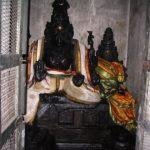
The Karuppariyalur Temple is dedicated to Lord Shiva, worshipped here as Kutram Porutha Naathar (The Lord Who Pardons Sins) and Aparadha Kshameswarar. The presiding deity is a Swayambhu (self-manifested) Lingam.
Why Devotees Visit: The Power of Pardon
Unlike other shrines that grant material boons, the primary Phalaśruti (spiritual benefit) of this temple is the cleansing of ancestral karma and past sins. It is a potent site for:
- Remediation of Past Mistakes: Devotees visit to seek forgiveness for aparadha (offenses) committed knowingly or unknowingly.
- Release from Curses: Specific rituals are performed here to alleviate the effects of Rishi Shapa (sage curses) and Pitru Shapa (ancestral curses).
- Childlessness (Putra Prapti): Couples struggling with issues related to conception or the loss of infants in infancy pray to Lord Dakshinamurthy within the complex.
- Liberation (Moksha): It is believed that worship here ensures that the devotee is not reborn (Punarjanma), leading directly to Shiva’s feet.
2. Historical Origins & Scriptural Legend
While the precise dynastic inscription regarding the initial construction date is obscured by time, temple records and local lore establish its sanctity over millennia. It is glorified in the Tevaram, the devotional hymns sung by the Nayanars—specifically Tirugnanasambandar and Sundarar—cementing its status as a Paadal Petra Sthalam.
The Sthala Purana: Myths of Mercy
Indrajit’s Atonement: Tradition holds that Indrajit (Meghanathan, son of Ravana), having won a war against Indra, attempted to fly his Pushpaka Vimanam over this shrine. Divine force impeded his flight, forcing him to land. After taking a dip in the sacred tank, he worshipped the Lingam. When he later tried to steal the Lingam, he fell unconscious. Ravana surrendered to Shiva, who pardoned Indrajit, thus bestowing the name Kutram Porutha Naathar (Lord Who Pardons Guilt).
Hanuman’s Cure: A legendary account from the Ramayana era tells of Lord Rama performing Shiva Puja in Rameswaram to cleanse the dosham of killing Ravana. Hanuman, delayed in bringing a Lingam from the Himalayas, found the ritual complete. In grief, he tried to uproot the Rameswaram Lingam with his tail, incurring a curse. Lord Rama advised him to seek Shiva’s grace at Thalaignaayiru. Hanuman worshipped here and was absolved, installing his own Anjaneyar Lingam in the north-east corner of the complex.
King Vichitraangan: Historical records cite the blessing of King Vichitraangan, who was childless until praying at this temple. Upon the birth of a son, he expanded the temple architecture.
3. Architectural Marvels
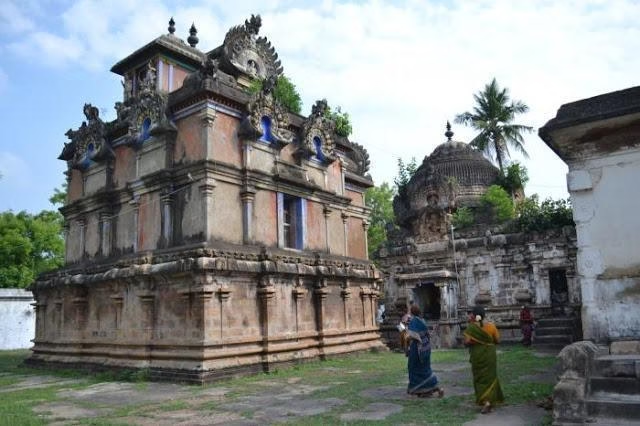
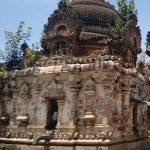
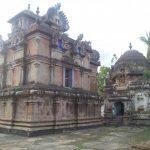
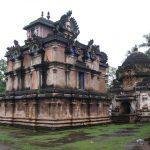
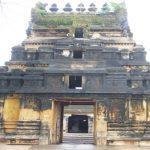
The temple exhibits the classic Dravidian architectural style. The sanctum sanctorum faces east, while the main Gopuram (gateway tower) is 3-tiered, embellished with intricate stucco work depicting stories from the Skanda Purana.
- Garbhagriha (Sanctum): Houses the Kutram Porutha Naathar Lingam, facing south.
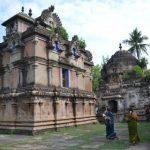
- Mandapas: The temple features a spacious Ardha Mandapa and a Maha Mandapa. The pillars feature carvings of Nataraja, Sapta Matrikas, and Dikpalakas (Guardians of the directions).
- Sub-Shrines: Notable shrines for Dakshinamurthy (Guru), Hanuman, and Kolvalai Nayaki (Amman) are present.
- The Sacred Tank: Known as Kalyani Theertham, located outside the main complex, believed to have been created by the prayers of Surya (Sun God), hence the area name Thalaignaayiru (Head of the Sun).
4. Darshan & Ritual Logistics (2026 Schedule)
Devotees are advised to check for seasonal changes in timings during festivals. The temple remains open on all days.
Daily Timings
| Session | Timing |
|---|---|
| Morning Darshan | 6:00 AM – 12:00 PM |
| Mid-day Closure | 12:00 PM – 5:00 PM |
| Evening Darshan | 5:00 PM – 8:00 PM |
Key Sevas & Online Booking
To perform sevas, devotees can visit the Tamil Nadu Tourism portal or the official temple office. For 2026, the following sevas are highly recommended:
- Abhishekam: Performed daily at 9:00 AM. Special ingredients include milk, honey, and sandalwood paste.
- Archana: Kuruvai Archana is famous here for marital harmony.
- Ayushya Homam: For longevity (requires prior booking).
- Online Booking: Visit temple.tamilnadutourism.tn.gov.in, search for “Kutram Porutha Naathar”, and select “Seva Booking”.
2026 Major Festival Dates
- Thirukarthigai: November 2026 (Exact date varies by Tamil Calendar). The temple is illuminated with thousands of lamps.
- Thiruvathirai: December 2026. Special Balitharpanam and procession of Lord Nataraja.
- Maha Shivaratri: February 26, 2026. Continuous chanting and night-long darshan.
- Pradosham: Bi-monthly (13th/28th of every month) – Highly auspicious for removing obstacles.
5. Practical Visitor Guidance
Code of Conduct & Essentials
- Dress Code: Traditional attire is mandatory. Men should wear Dhoti or formal trousers with a shirt; Women should wear Saree or Salwar Kameez. Avoid shorts and sleeveless tops.
- Photography: Strictly prohibited inside the Garbhagriha (Sanctum Sanctorum). Allowed in the outer Prakaram (corridors) for non-commercial use.
- Mobile & Lockers: Electronic devices are permitted but must be kept silent. Free locker facilities are available at the entrance counter near the shoe stand.
- Accessibility: The temple complex has stone steps at the entrance. A ramp is available for senior citizens and differently-abled devotees to access the main mandapa.
Crowd Management
- Best Hours: Early morning (6:00 AM – 7:30 AM) on weekdays ensures a serene Darshan. Avoid Tuesday and Friday evenings.
- Seasonal Advice:
- May (Summer): Nagapattinam temperatures soar. Carry a water bottle, umbrella, and wet towels. The temple provides free buttermilk during peak summer.
- Oct-Dec (Monsoon): Light rain gear is advisable. The Theertham (tank) fills up, enhancing the spiritual atmosphere.
6. Pilgrimage Connectivity
How to Reach Karuppariyalur
- By Air: The nearest airport is Trichy (Tiruchirappalli) International Airport (TIR), approximately 110 km away. Taxis are available directly to the temple.
- By Rail: The nearest major railway junction is Mayiladuthurai (approx. 15 km). From there, local autos and buses connect to Thalaignaayiru.
- By Road:
- From Nagapattinam: Take SH-64 towards Mayiladuthurai.
- From Vaitheeswaran Koil: The temple is located 10 km away. Auto-rickshaws are readily available for a round trip.
- Bus Route: TNSTC buses from Mayiladuthurai drop you at Thalaignaayiru bus stop; the temple is a 10-minute walk.
Circuit Pilgrimage (Nearby Sacred Sites)
Enhance your spiritual journey by visiting these nearby shrines:
- Vaitheeswaran Koil: Located 10 km away. Dedicated to Lord Shiva as the *Vaidyanathar* (Healer) and Thaiyalnayaki. Famous for Navagraha worship.
- Mayuranathaswamy Temple (Mayiladuthurai): 15 km away. A unique temple where Lord Shiva is worshipped as a Mayura (Peacock) symbolizing control over the ego.
- Kedareswaran Temple (Vaitheeswaran Koil vicinity): Known for its peculiar architecture and worship of the *Dakshinamurthy* aspect.
7. Frequently Asked Questions (FAQs)
Is there a VIP Darshan entry available?
Yes, the temple administration provides a special entry darshan for senior citizens, differently-abled devotees, and those who purchase the ₹100 special darshan ticket (subject to availability). VIP entry usually requires prior written authorization from the HR&CE department.
What is the significance of the name “Karuppariyalur”?
The name is derived from the belief that devotees who worship here with full faith will not be born again (*Karpu* implies binding/bondage of birth). It signifies the ultimate liberation (*Moksha*) from the cycle of life and death.
Can I perform rituals for ancestors (Pitru Dosha) here?
Yes. This temple is particularly powerful for Pitru Dosha remediation. The Lord is known as *Aparadha Kshameswarar*, capable of forgiving the sins of ancestors. Consult the temple Archakas for specific Maha Rudra Homam bookings.
Are there accommodation facilities nearby?
While the temple does not have a choultry (guest house), several private lodges and guest houses are available in Vaitheeswaran Koil and Mayiladuthurai, both within a 15-20 minute drive. It is advisable to book in advance during festival seasons.
What are the online payment options for Seva?
The Tamil Nadu government portal supports UPI, Credit/Debit cards, and Net Banking. For international devotees, international credit cards are accepted. Ensure you carry a copy of the payment receipt for claiming the ritual materials.
Contact Details
Arulmigu Kutram Porutha Naathar Tirukkovil,
Thalaignaayiru – 614 712
(Thiruk Karuppariyalur)
Nagapattinam District, Tamil Nadu
Phone: +91- 4364 – 258 833
Recent Posts

Shri Kaamkoteeshwar Mandir, Varanasi – History & Significance
In the heart of Kashi, the eternal city of Lord Shiva, where the Ganges flows with celestial grace, stands the Shri Kaamkoteeshwar Mandir. This sacred Sannidhi is not merely a temple but a profound spiritual bridge between the Northern…

ओ सांवरे तूने ही मुझको संभाला – Lyrics & Meaning
ओ सांवरे तूने ही मुझको संभाला – A Prayer to Shyam Origin & Spiritual Essence Why This Bhajan Resonates Devotees chant this when overwhelmed by life’s storms—the refrain ‘तूने ही मुझको संभाला’ is the soul’s sigh of relief: “You…

कथा ये है महाराज मेरे की – Lyrics & Meaning
कथा ये है महाराज मेरे की छत्रपति संभाजी महाराज – A Prayer to Chhatrapati Sambhaji Maharaj Origin & Spiritual Essence Why This Bhajan Resonates Devotees chant this when their spirit feels tested—its powerful refrain “महाराज मेरे” is a soul’s…

Rigveda Samhita Yathartha Anuvada (ऋग्वेद संहिता यथार्थ अनुवाद) – Complete Set with Anvayartha & Hindi/English Translation
The Rigveda is the oldest surviving scripture of humanity and the foundational text of Sanātana Dharma. For serious students, scholars, UPSC aspirants studying ancient Indian history, Sanskrit learners, and spiritual seekers, a precise and grammatically structured translation is indispensable.…

आना भी अकेला है जाना भी अकेला है – Lyrics & Meaning | BharatTemples
आना भी अकेला है जाना भी अकेला है – A Prayer to the Divine Witness Origin & Spiritual Essence Why This Bhajan Resonates Devotees turn to this bhajan in moments of deep reflection—when life’s attachments begin to ache. The…

माता शेरावाली के द्वार जो भी जाता है – Lyrics & Meaning
माता शेरावाली के द्वार जो भी जाता है – A Prayer to Maa Sherawali Origin & Spiritual Essence Why This Bhajan Resonates Devotees turn to this bhajan in times of fear or uncertainty—its promise that no one leaves Maa’s…

मार लेना सपणी उबार लेणा भवरा – Lyrics & Meaning
मार लेना सपणी उबार लेणा भवरा – A Prayer to the Divine Beloved Origin & Spiritual Essence Why This Bhajan Resonates Devotees chant this in moments of deep vulnerability—its cry of “मार लेना सपणी, उबार लेणा भवरा” is the…

हमें श्याम सुंदर भरोसा तुम्हारा – Lyrics & Meaning
हमें श्याम सुंदर भरोसा तुम्हारा – A Prayer to Shyam Sundar Origin & Spiritual Essence Why This Bhajan Resonates Devotees chant this when feeling alone—its refrain ‘de do sahara’ is the soul’s cry for divine support. Lyrics in Hindi…

Mere Satguru Ne Di Thi Davai Lyrics in Hindi & Meaning
Mere Satguru Ne Di Thi Davai: Invoking the Guru’s Liberating Wisdom This soul-stirring bhajan venerates the Satguru (True Spiritual Master) as the divine physician who dispenses the only remedy for life’s deepest sufferings. Composed by Sant Karmaveer Tufani, it…

Janm Diyo Thari Maa Dukh Dekhiyo Lyrics in Hindi & Meaning
जन्म दियो थारी माँ दुख देखियो (Maa’s Grief Upon Birthing You) This soul-stirring Chetavani Bhajan (admonitory hymn) is addressed to the Divine Mother (Maa) – a call for repentance when children forget their filial duties in the dark age…