
Contents
Kashi Vishwanath Temple, Varanasi, Uttar Pradesh
1. Introduction & Spiritual Essence
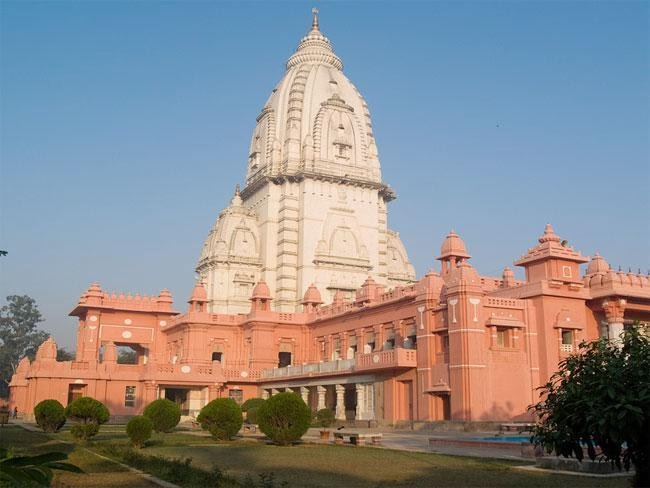
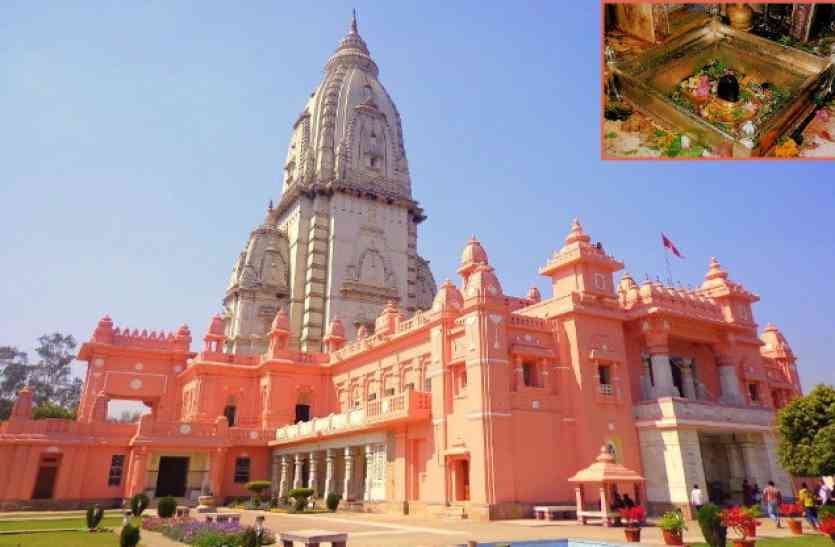
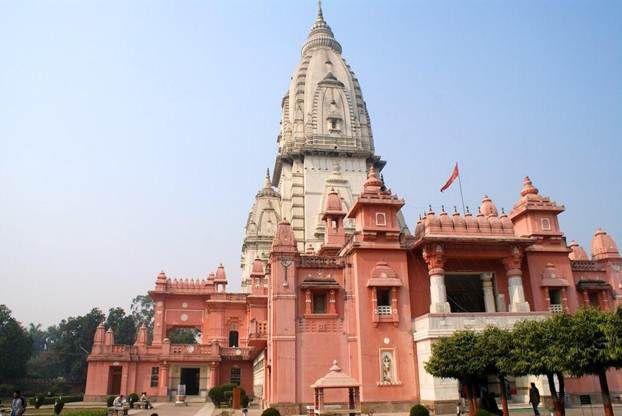
Nestled on the western bank of the sacred River Ganga, the Kashi Vishwanath Temple stands as a beacon of eternal spirituality. Dedicated to Lord Shiva, the presiding deity is revered as Vishvanatha or Vishveshvara, meaning “Ruler of The Universe.” This temple is one of the holiest Twelve Jyotirlingas, where Shiva is worshipped as a radiant pillar of light.
For the devoted soul, a pilgrimage to Kashi (Varanasi) is the ultimate Phalaśruti (spiritual reward). It is believed that death in Kashi frees one from the cycle of rebirth (Yamaloka), washing away the darkest karma of lifetimes. As the Skanda Purana declares, “Lord Shiva speaks the truth: There is no temple equal to Kashi Vishwanath on earth.”
2. Historical Origins & Scriptural Legend
The history of this temple is as turbulent as it is divine. According to temple records and ancient texts, the site has faced destruction and reconstruction multiple times.
- Ancient References: The temple is mentioned in the Puranas, specifically the Kashi Khanda of the Skanda Purana.
- Medieval Era: The original structure was destroyed by Qutb-ud-din Aibak in 1194 CE. It was rebuilt and demolished again under Sultan Iltutmish and Aurangzeb. In 1669 CE, Emperor Aurangzeb ordered the final demolition and built the Gyanvapi Mosque on the site.
- The Maratha Restoration: The current temple structure, standing adjacent to the mosque, was built in 1780 by Maratha Queen Ahilyabai Holkar of Indore.
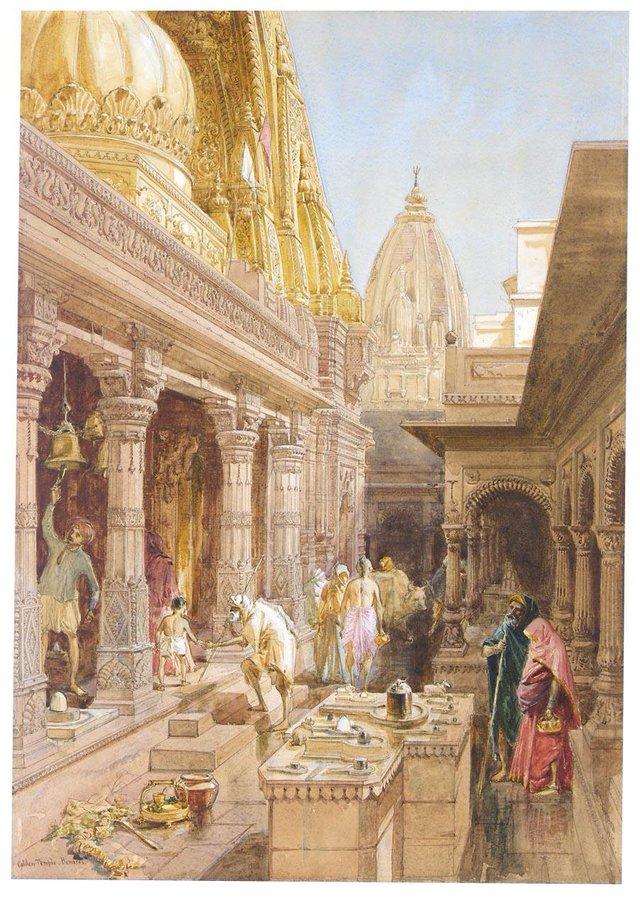
- The Gold Plating: In 1835, Maharaja Ranjit Singh of Punjab donated over one tonne of gold to plate the temple’s spire and dome, creating the iconic golden silhouette visible today.
The Legend of the Jnana Vapi
Tradition holds that during invasions, the original Jyotirlinga was submerged in the Jnana Vapi (Well of Wisdom) to protect it. It is believed the head priest at the time leapt into the well with the lingam to shield it from destruction.
3. Architectural Marvels
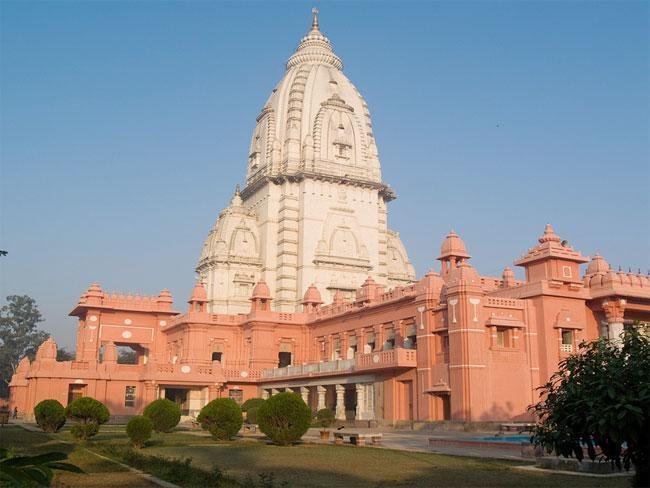
While the temple complex is a blend of successive architectural styles, the sanctum is a classic example of Nagara architecture with distinct North Indian influences.
- The Shikhara & Domes: The temple is crowned by a magnificent 15.5-meter high Shikhara (spire) clad entirely in pure gold, gifted by Maharaja Ranjit Singh. There are three distinct gold-plated domes.
- The Sanctum (Garbha Griha): Inside the main shrine lies the Jyotirlinga—a dark brown stone 60 cm tall and 90 cm in circumference—placed on a silver altar. The sanctum is reached via a Sabha Griha (Congregation Hall).
- Complex Layout: The temple complex includes the main shrine and a series of smaller shrines dedicated to Kaalbhairav, Dhandapani, Avimukteshwara, Vishnu, and Sanishwara, all located within the narrow, bustling Vishwanatha Galli.
ASI & Heritage Status
While the temple complex itself is managed by the Uttar Pradesh government, the immediate vicinity, including the Gyanvapi Well and the adjacent mosque, is a sensitive archaeological site subject to ongoing historical and archaeological study.
4. Darshan & Ritual Logistics
Visiting Kashi Vishwanath requires planning due to high footfall. Below are the tentative timings and rituals for 2026. Note that timings may change slightly during festivals.
| Session | Timings | Description |
|---|---|---|
| Morning Darshan | 03:00 AM – 11:00 AM | Includes Mangala Aarti (3:00 AM) and Bhog Aarti. |
| Afternoon Darshan | 12:00 PM – 3:00 PM | General Darshan (subject to availability). |
| Evening Darshan | 4:00 PM – 9:00 PM | Includes Sandhya Aarti (6:30 PM). |
| Shayan Aarti | 10:30 PM – 11:00 PM | The closing ritual of the day. |
Key Sevas & Online Booking
Devotees can book major Sevas online via the official Shri Kashi Vishwanath Temple website. For 2026, the following Sevas are highly sought after:
- Shringar Gauri Darshan: A special viewing of the Goddess.
- Rudrabhishek: A Vedic ritual for purification and blessings.
- Sapta Rishi Darshan: A combined darshan of seven deities within the complex.
2026 Major Festivals:
- Mahashivratri: February 26, 2026 (Heavy crowds expected).
- Sawan Somwar: July–August 2026 (Mondays).
- Kartik Purnima: November 15, 2026.
Note: Currently, the temple does not offer VIP tickets. Entry is free for all, subject to queue availability. However, special passes for certain rituals may be issued at the administrative office.
5. Practical Visitor Guidance
Visiting Kashi is an intense spiritual experience. Here is how to prepare:
- Dress Code: Traditional attire is highly recommended. Men should wear dhoti/kurta or trousers/shirt; women should wear saree/salwar kameez. Avoid shorts and sleeveless tops.
- Mobiles & Electronics: Photography is strictly prohibited inside the sanctum. Mobile phones and cameras must be deposited at the free lockers provided near the entry gates.
- Accessibility: The lanes leading to the temple (Vishwanatha Galli) are narrow and unpaved. It is not fully wheelchair accessible. Electric buggies are available from designated drop-off points, but walking is often necessary for the last few hundred meters.
- Crowd Management:
- Best Hours: 5:00 AM – 7:00 AM (Mangala Aarti is ideal but requires advance entry pass).
- Summer (May–June): Carry a water bottle; the marble floors get extremely hot.
- Winter (Dec–Jan): Carry light woolens; queues can be long in the cold.
6. Pilgrimage Connectivity
How to Reach
- By Air: Lal Bahadur Shastri International Airport (VNS) is located approximately 25 km from the temple. Taxis and E-rickshaws are easily available.
- By Rail: Varanasi Junction (BSB) and Kashi Railway Station are the main railheads. The temple is roughly 5–7 km from Varanasi Junction.
- By Road: Varanasi is well-connected via NH-19 (formerly NH-2). Buses from Lucknow (300 km) and Patna (200 km) are frequent.
Nearby Sacred Sites (Pilgrimage Circuit)
While in Kashi, devotees should visit these complementary sites to complete the spiritual circuit:
- Sankat Mochan Hanuman Temple: Located 2 km away, dedicated to Lord Hanuman.
- Durga Kund Temple: A vibrant red temple dedicated to Goddess Durga, 3 km from the main temple.
- Manikarnika Ghat: The primary cremation ghat, symbolizing liberation (Moksha).
![kashi-vishwanath-temple[1] (1), Kashi Vishwanath Temple, Varanasi, Uttar Pradesh](https://www.bharattemples.com/wp-content/uploads/bt/2018/12/kashi-vishwanath-temple1-1-1.jpg)
7. Frequently Asked Questions
Is there a VIP darshan entry available?
Currently, the Shri Kashi Vishwanath Temple Administration (SKVTA) does not offer a paid VIP darshan ticket for general devotees. However, there are separate queues for differently-abled persons, senior citizens, and for the specific Aarti passes (e.g., Mangala Aarti) which can be booked online.
What is the significance of the Gyanvapi Well?
The Gyanvapi Well is located within the temple complex. It is believed that the original Jyotirlinga was hidden here to protect it from destruction. The structure of the well is visible, and it holds immense archaeological and spiritual significance.
Can I carry my own Prasad (offering)?
Yes, devotees can carry dry Prasad like fruits, sweets, or flowers. However, liquid Prasad (milk, honey, water) must be purchased from the temple’s ‘Prasad’ counters to ensure security protocols are met.
Is mobile payment allowed in the temple premises?
While digital payments are encouraged in Varanasi, it is advisable to carry some cash inside the temple complex for small donations, as mobile network signals can be weak due to the density of the crowds.
Where is the nearest toilet facility?
Public toilets are available near the main entry gates (Gate No. 4) and near the Kashi Police Station. These are maintained by the Varanasi Municipal Corporation.
Recent Posts

ओ सांवरे तूने ही मुझको संभाला – Lyrics & Meaning
ओ सांवरे तूने ही मुझको संभाला – A Prayer to Shyam Origin & Spiritual Essence Why This Bhajan Resonates Devotees chant this when overwhelmed by life’s storms—the refrain ‘तूने ही मुझको संभाला’ is the soul’s sigh of relief: “You…

कथा ये है महाराज मेरे की – Lyrics & Meaning
कथा ये है महाराज मेरे की छत्रपति संभाजी महाराज – A Prayer to Chhatrapati Sambhaji Maharaj Origin & Spiritual Essence Why This Bhajan Resonates Devotees chant this when their spirit feels tested—its powerful refrain “महाराज मेरे” is a soul’s…

Rigveda Samhita Yathartha Anuvada (ऋग्वेद संहिता यथार्थ अनुवाद) – Complete Set with Anvayartha & Hindi/English Translation
The Rigveda is the oldest surviving scripture of humanity and the foundational text of Sanātana Dharma. For serious students, scholars, UPSC aspirants studying ancient Indian history, Sanskrit learners, and spiritual seekers, a precise and grammatically structured translation is indispensable.…

आना भी अकेला है जाना भी अकेला है – Lyrics & Meaning | BharatTemples
आना भी अकेला है जाना भी अकेला है – A Prayer to the Divine Witness Origin & Spiritual Essence Why This Bhajan Resonates Devotees turn to this bhajan in moments of deep reflection—when life’s attachments begin to ache. The…

माता शेरावाली के द्वार जो भी जाता है – Lyrics & Meaning
माता शेरावाली के द्वार जो भी जाता है – A Prayer to Maa Sherawali Origin & Spiritual Essence Why This Bhajan Resonates Devotees turn to this bhajan in times of fear or uncertainty—its promise that no one leaves Maa’s…

मार लेना सपणी उबार लेणा भवरा – Lyrics & Meaning
मार लेना सपणी उबार लेणा भवरा – A Prayer to the Divine Beloved Origin & Spiritual Essence Why This Bhajan Resonates Devotees chant this in moments of deep vulnerability—its cry of “मार लेना सपणी, उबार लेणा भवरा” is the…

हमें श्याम सुंदर भरोसा तुम्हारा – Lyrics & Meaning
हमें श्याम सुंदर भरोसा तुम्हारा – A Prayer to Shyam Sundar Origin & Spiritual Essence Why This Bhajan Resonates Devotees chant this when feeling alone—its refrain ‘de do sahara’ is the soul’s cry for divine support. Lyrics in Hindi…

Mere Satguru Ne Di Thi Davai Lyrics in Hindi & Meaning
Mere Satguru Ne Di Thi Davai: Invoking the Guru’s Liberating Wisdom This soul-stirring bhajan venerates the Satguru (True Spiritual Master) as the divine physician who dispenses the only remedy for life’s deepest sufferings. Composed by Sant Karmaveer Tufani, it…

Janm Diyo Thari Maa Dukh Dekhiyo Lyrics in Hindi & Meaning
जन्म दियो थारी माँ दुख देखियो (Maa’s Grief Upon Birthing You) This soul-stirring Chetavani Bhajan (admonitory hymn) is addressed to the Divine Mother (Maa) – a call for repentance when children forget their filial duties in the dark age…
Bhadi Sabha Mein Thane Manaun Lyrics in Hindi & Meaning
Bhadi Sabha Mein Thane Manaun: Invoking the Spear-Wielding Mother Mata Bhawani (श्री ज्वाला भवानी), the fiery manifestation of Shakti worshipped as the Protector of Dharma in Her Dhaulagarh sanctum. Origin & Spiritual Essence Composed in Rajasthani folk tradition by…