
Contents
Kasi Viswanathar Temple: A Sanctuary of Shiva in Walajapet
As the Lead Heritage Architect and SEO Strategist for bharattemples.com, I present this definitive pilgrimage guide to the Kasi Viswanathar Temple in Walajapet, Vellore. This sacred site, standing as a beacon of Dravidian architectural heritage for over 500 years, offers devotees the spiritual merit of a Kashi yatra. Here, we navigate the temple’s history, architectural splendor, and practical logistics for your visit in 2026.

Introduction & Spiritual Essence
Primary Deity: Kasi Viswanathar (Lord Shiva)
Consort: Visalakshi Amman (Goddess Parvati)
The Kasi Viswanathar Temple in Walajapet is a rare ‘Linga Jyotir’ shrine. While the current structure is celebrated for its 500-year-old roots, oral tradition suggests the presence of a far more ancient Swayambhu (self-manifested) linga.
Phalaśruti (Spiritual Benefits):
- Sani Dosha Nivarthi Sthalam: The unique positioning of Kala Bairavar facing Sani (Saturn) bestows relief from Saturn’s malefic effects and ancestral karma.
- Garuda Seva: Devotees believe worshipping here equals the sanctity of the original Kasi Vishwanath temple in Varanasi, freeing one from the fear of death.
Historical Origins & Scriptural Legend
The Legacy of the Arcot Kingdom
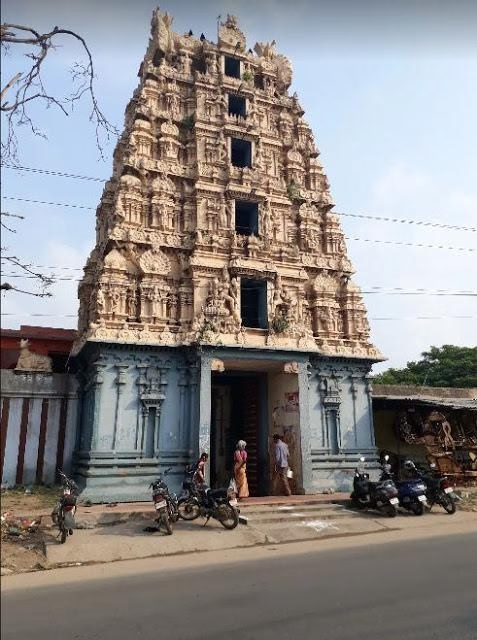
According to temple records and architectural analysis, the temple was significantly expanded during the reign of the Vijayanagara Empire and later patronized by the Thanjavur Marathas and the British Arcot administration. The towering Rajagopuram (entrance tower) stands as a testament to the Dravidian craftsmanship of the 17th century.
The Sthala Purana (Local Legend)
Tradition holds that this temple was built by a devout merchant who sought to bring the essence of Kashi to the south. Legend states that the Goddess Visalakshi performed intense penance here to reunite with Lord Shiva. The south-facing idol of Visalakshi is considered highly potent for devotees seeking resolution to marital conflicts and legal disputes.
Architectural Marvels
Dravidian Style & Vastu Shastra
The temple is a classic example of Dravidian architecture following strict Vastu principles. It is east-facing, ensuring the first rays of the sun illuminate the sanctum.
- Rajagopuram: A magnificent 5-tier gateway tower adorned with intricate stucco work depicting stories from the Puranas.
- Prakaram (Inner Courtyard): The circumambulatory path houses shrines for Nalwar (four-faced Dakshinamurthy), Naga Nathar, and a unique Navagraha shrine.
- Sculptural Significance: Note the distinct carving of Chandikeswara near the main sanctum, a guardian of the temple’s rituals.
Darshan & Ritual Logistics (2026 Update)
Devotees can participate in various sevas (offerings). For 2026, the temple administration has streamlined the process via the Tamil Nadu Hindu Religious and Charitable Endowments (HR&CE) portal.
Daily Temple Timings
| Session | Timings | Activity |
|---|---|---|
| Morning | 6:00 AM – 12:00 PM | Abhishekam, Archana |
| Afternoon | 12:00 PM – 4:00 PM | Temple Rest / Special Pujas |
| Evening | 4:00 PM – 8:00 PM | Deeparadhana, Nataraja Darshan |
Key Sevas & Online Booking
Advance booking is recommended, especially during Saturdays (Shani worship) and Pradosham.
- Abhishekam: Performed daily at 8:00 AM.
- Archana: Can be performed in the name of family members.
- Sani Nivarana Pooja: A specialized ritual for those with Saturn afflictions.
Booking Link: Official Tamil Nadu Temple Portal
Major Festivals in 2026
- Maha Shivaratri: March 7, 2026 (Special night-long vigil).
- Arudra Darshanam: January 15, 2026 (Celebration of Nataraja).
- Navaratri: September 22 – October 1, 2026 (9 nights of Goddess Visalakshi).
- Aadi Perukku: August 1, 2026 (River rituals).
Practical Visitor Guidance
Dress Code & Etiquette
Modest attire is mandatory. Men should wear dhotis or long trousers (no shorts); women should wear sarees, salwar kameez, or long skirts. The temple adheres to traditional customs where only devotees with shirts and footwear are restricted within the inner sanctum (except for the designated shoe stand).
Crowd Management & Accessibility
- Best Time to Visit: Early morning (6:00 AM – 7:30 AM) or late evening (6:30 PM – 7:30 PM) to avoid crowds.
- Accessibility: The inner prakaram is paved but has narrow passages. Wheelchair access is limited to the main mandapam.
- Photography: Strictly prohibited inside the sanctum sanctorum. Photography in the outer courtyard is generally permitted.
- Mobile Lockers: Available at the entrance for electronic devices (Mobile phones are not allowed inside the temple).
Pilgrimage Connectivity
How to Reach
- By Air: Chennai International Airport (MAA) is the nearest airport, approximately 98 km away.
- By Rail: Ranipet Railway Station (4 km) and Vellore Katpadi Junction (29 km) are the closest railheads.
- By Road: Walajapet is well-connected via NH 69 and NH 75. It is located roughly 109 km from Chennai and 29 km from Vellore. Buses from Chennai and Vellore run frequently.
Nearby Sacred Sites (Pilgrimage Circuit)
- Shri Sathya Sai Baba Temple (Vellore): Located about 30 km away, a serene center for devotion.
- Kamakshi Amman Temple (Kanchipuram): Roughly 40 km from Walajapet, one of the Shakti Peethas.
- Arcot Fort Temple: An ancient shrine located 6 km away, dedicated to Lord Venkateswara.
Frequently Asked Questions (FAQ)
Is there a VIP darshan entry available?
Yes, the temple administration facilitates a special darshan for elderly devotees, physically challenged individuals, and pregnant women. While there is no formal “VIP ticket,” donations to the temple fund can often expedite entry during peak hours. Please consult the ticket counter at the Rajagopuram.
What is the significance of Kala Bairavar and Sani being opposite each other?
This is a rare architectural arrangement. Kala Bairavar represents time (Kala), and Sani represents the consequences of time (Karma). Facing each other, they symbolize the neutralization of negative karma and protection from untimely death (Akal Mrityu).
Are there accommodation facilities nearby?
Walajapet town offers several guest houses and lodges. For devotees, the TTDC Hotel in Vellore (30 km) is a reliable option. It is advisable to book accommodation in advance during festival seasons like Maha Shivaratri.
What materials are required for Abhishekam?
Devotees can purchase Abhishekam packets at the temple counter, which include milk, curd, honey, sandalwood paste, and Vibhuti. Traditional offerings like vilva leaves and sacred threads are also available.
Contact Details
Address: Kasi Viswanathar Temple, Walajapet, Vellore District, Tamil Nadu.
Phone: Please contact the local Tamil Nadu HR&CE office for the most current contact number.
Original Source: https://tamilnadu-favtourism.blogspot.com/2018/04/kasi-viswanathar-temple-walajapet-vellore.html
Conclusion
The Kasi Viswanathar Temple in Walajapet is more than just a heritage structure; it is a spiritual powerhouse for those seeking liberation from the cycles of karma. Whether you are drawn by the architectural magnificence of the Dravidian style or the specific blessings of Lord Shiva as Kasi Viswanathar, a visit to this temple in 2026 promises peace and spiritual elevation.
Recent Posts

ओ सांवरे तूने ही मुझको संभाला – Lyrics & Meaning
ओ सांवरे तूने ही मुझको संभाला – A Prayer to Shyam Origin & Spiritual Essence Why This Bhajan Resonates Devotees chant this when overwhelmed by life’s storms—the refrain ‘तूने ही मुझको संभाला’ is the soul’s sigh of relief: “You…

कथा ये है महाराज मेरे की – Lyrics & Meaning
कथा ये है महाराज मेरे की छत्रपति संभाजी महाराज – A Prayer to Chhatrapati Sambhaji Maharaj Origin & Spiritual Essence Why This Bhajan Resonates Devotees chant this when their spirit feels tested—its powerful refrain “महाराज मेरे” is a soul’s…

Rigveda Samhita Yathartha Anuvada (ऋग्वेद संहिता यथार्थ अनुवाद) – Complete Set with Anvayartha & Hindi/English Translation
The Rigveda is the oldest surviving scripture of humanity and the foundational text of Sanātana Dharma. For serious students, scholars, UPSC aspirants studying ancient Indian history, Sanskrit learners, and spiritual seekers, a precise and grammatically structured translation is indispensable.…

आना भी अकेला है जाना भी अकेला है – Lyrics & Meaning | BharatTemples
आना भी अकेला है जाना भी अकेला है – A Prayer to the Divine Witness Origin & Spiritual Essence Why This Bhajan Resonates Devotees turn to this bhajan in moments of deep reflection—when life’s attachments begin to ache. The…

माता शेरावाली के द्वार जो भी जाता है – Lyrics & Meaning
माता शेरावाली के द्वार जो भी जाता है – A Prayer to Maa Sherawali Origin & Spiritual Essence Why This Bhajan Resonates Devotees turn to this bhajan in times of fear or uncertainty—its promise that no one leaves Maa’s…

मार लेना सपणी उबार लेणा भवरा – Lyrics & Meaning
मार लेना सपणी उबार लेणा भवरा – A Prayer to the Divine Beloved Origin & Spiritual Essence Why This Bhajan Resonates Devotees chant this in moments of deep vulnerability—its cry of “मार लेना सपणी, उबार लेणा भवरा” is the…

हमें श्याम सुंदर भरोसा तुम्हारा – Lyrics & Meaning
हमें श्याम सुंदर भरोसा तुम्हारा – A Prayer to Shyam Sundar Origin & Spiritual Essence Why This Bhajan Resonates Devotees chant this when feeling alone—its refrain ‘de do sahara’ is the soul’s cry for divine support. Lyrics in Hindi…

Mere Satguru Ne Di Thi Davai Lyrics in Hindi & Meaning
Mere Satguru Ne Di Thi Davai: Invoking the Guru’s Liberating Wisdom This soul-stirring bhajan venerates the Satguru (True Spiritual Master) as the divine physician who dispenses the only remedy for life’s deepest sufferings. Composed by Sant Karmaveer Tufani, it…

Janm Diyo Thari Maa Dukh Dekhiyo Lyrics in Hindi & Meaning
जन्म दियो थारी माँ दुख देखियो (Maa’s Grief Upon Birthing You) This soul-stirring Chetavani Bhajan (admonitory hymn) is addressed to the Divine Mother (Maa) – a call for repentance when children forget their filial duties in the dark age…
Bhadi Sabha Mein Thane Manaun Lyrics in Hindi & Meaning
Bhadi Sabha Mein Thane Manaun: Invoking the Spear-Wielding Mother Mata Bhawani (श्री ज्वाला भवानी), the fiery manifestation of Shakti worshipped as the Protector of Dharma in Her Dhaulagarh sanctum. Origin & Spiritual Essence Composed in Rajasthani folk tradition by…