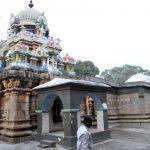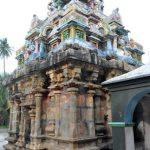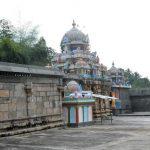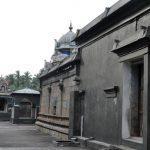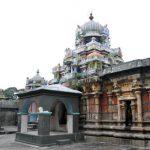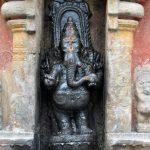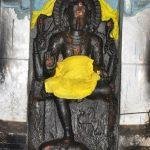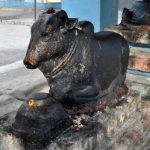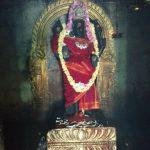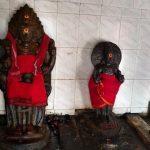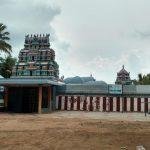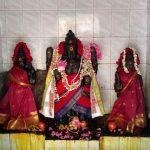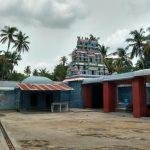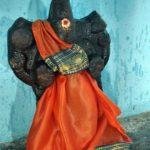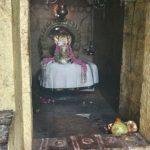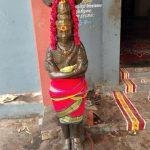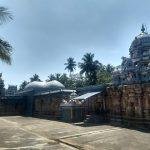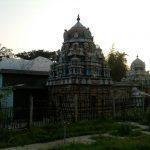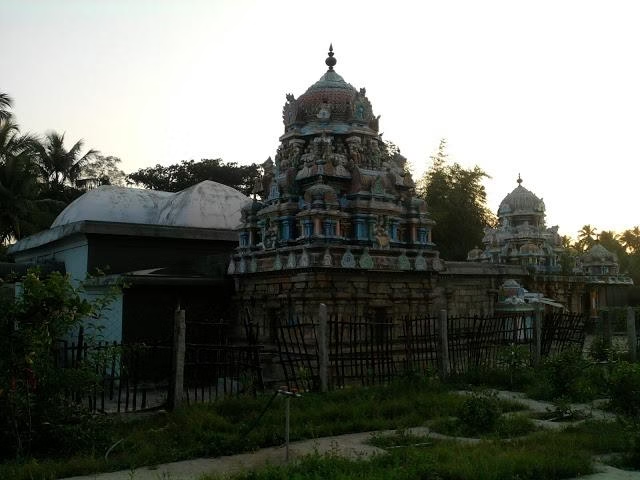
Photo-0956, Keerthivageeswarar Temple, Soolamangalam, Thanjavur

Keerthivageeswarar Temple, Soolamangalam, Thanjavur: The Definitive Pilgrimage Guide

By BharatTemples.com Heritage Team | Updated: January 2026

In the agrarian heart of the Kaveri Delta, near the historic town of Thanjavur, lies a sanctuary that echoes with the verses of Appar and the legends of cosmic battles. The Keerthivageeswarar Temple in Soolamangalam is not merely a structure of stone; it is a living repository of spiritual energy, recognized as a Thevara Vaipu Sthalam (Paadal Petra Sthalam). This guide is engineered for the modern pilgrim—offering historical depth, architectural insight, and logistical precision for your 2026 visit.

Introduction & Spiritual Essence

Primary Deity: Lord Shiva, worshipped as Keerthivageeswarar (also known as Kari Uritha Nayanar).
Consort: Mother Alankara Valli (also identified with the fierce energy of Kaumari).
Form: Swayambhu (Self-manifested) Lingam.

Why Devotees Visit: The Phalaśruti

The temple is considered a potent center for healing and relief. According to religious texts and local tradition:

  • Relief from Enmity and Illness: Worshipping the Soola (Spear) form of the deity is believed to remove deep-seated illnesses and dissolve enmities.
  • Ancestral Karma Cleansing: As the abode of Kaumari (one of the Saptha Matrikas), offerings here assist in pacifying ancestral lineage disturbances.
  • Protection (Kavacha): The unique Kavacham worn by the presiding deity symbolizes protection from cosmic forces, mirroring the elephant skin worn by Lord Shiva post his victory over Gajasuran.

Historical Origins & Scriptural Legend

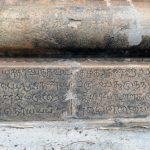
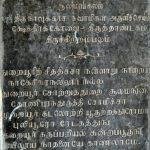
While specific inscriptions dating the initial construction are subjects of ongoing epigraphic study by the Tamil Nadu State Archaeology Department, the temple’s antiquity is firmly rooted in the Pallava and Chola eras, given its status as a Thevara Vaipu Sthalam.

See also  Mondaicaud Bhagavathi Temple: History, Timings & Complete Guide

The Sthala Purana (Local Legends)

1. The Elephant Skin Victory (Keerthivasan):
Tradition holds that Lord Shiva, in his fierce aspect, vanquished the demon Gajasuran at this very location. To signify the conquest, he wore the elephant’s skin as his vestment. Consequently, the Lord is named Keerthivasan (One adorned with glory/skin), and the Swayambhu Lingam is partially covered by a protective Kavacham, hinting at this ancient event.

2. The Weapon-Maker’s Boon:
It is believed that Astra Deva (the celestial armorer) worshipped Shiva here to secure boons for the divine armies. This connection underscores the temple’s martial and protective vibrations.

3. The Matrika Connection:
This temple is one of the seven shrines surrounding Ayyampettai and Pasupathi Koil associated with the Saptha Matrikas. Specifically, Soolamangalam represents the energy of Kaumari (the warrior goddess associated with Lord Subramanya). Appar, the famed Nayanar saint, composed verses praising this land, cementing its status as a Paadal Petra Sthalam.

4. The Trisula Darshan:
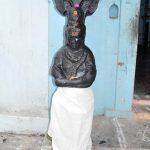
Legend narrates that on the third day (Tritiya) of Navarathri, the Saptha Matrikas, led by Parasakthi and Kaumari, visit this temple to witness the Trisula (Triple-spear) form of the Lord. The presence of a lady idol holding a Soolam (spear) near the temple entrance serves as a stone witness to this event.

Architectural Marvels

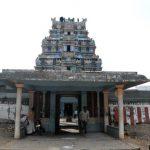
The Keerthivageeswarar Temple showcases the quintessential Tamil Temple Architecture, specifically the Pandyan and Early Chola influences found in the Thanjavur delta.

  • Presiding Deity (Garbhagriha): The Swayambhu Lingam faces East. The Sanctum Sanctorum is compact, designed to retain the intense vibrational energy of the self-manifested idol.
  • Mother Shrine: Alankara Valli’s shrine is positioned to the south of the main deity, typical of Saiva temples.
  • The Soolam Idol: A distinct feature of the architecture is the idol of a lady holding a spear (Soolam) above her head, located near the entrance, serving as a guardian to the temple premises.
  • Prakaram (Circumambulatory Path): The inner corridors are lined with stone pillars featuring subtle carvings, though many have been smoothed by centuries of Pradakshina (circumambulation) by devotees.
  • ASI Status: The temple is recognized as a heritage structure under the safeguards of the Archaeological Survey of India (ASI) due to its historical and cultural significance.

Darshan & Ritual Logistics (2026 Guide)

Note: Timings are based on standard Chola temple schedules and seasonal adjustments. Please verify locally before travel.

Daily Temple Timings

SessionTimingDetails
Morning Darshan6:00 AM – 11:30 AMOpens with Ushathkalam Pooja.
Afternoon Closure11:30 AM – 4:00 PMRest period for the deity.
Evening Darshan4:00 PM – 8:30 PMCloses with Arthajama Pooja.
See also  Aanandheeswarar Temple History & Darshan Timings: Aanandheeswarar Temple, Billanthaangal, Kanchipuram

Key Sevas & Online Booking

To facilitate the pilgrimage, the Tamil Nadu HR&CE (Hindu Religious and Charitable Endowments) department manages most temple bookings.

  • Abhishekam (Sacred Bath): Performed on Mondays. Special ingredients include milk, honey, and sandalwood paste.
  • Archana (Recitation): Daily offerings of 66 or 1008 names of Lord Shiva.
  • Online Booking: Devotees can book standard darshan and specific Sevas via the Temple Online Portal or the official Tamil Nadu HR&CE website. Look for “Soolamangalam Keerthivageeswarar” under the Thanjavur district list.

2026 Festival Calendar (Major Events)

  • Thai Amavasya (Feb 2026): Significance: Commemorates Lord Vishnu’s worship of Shiva here to defeat the demon Kalanemi. Ritual: Special Soola Vratham is observed.
  • Navarathri (Sept/Oct 2026): The 3rd day (Tritiya) is of paramount importance as the Saptha Matrikas are believed to visit.
  • Maha Shivaratri (Feb/Mar 2026): All-night vigil and special Abhishekam.
  • Pradosham: Occurring every fortnight (13th day of the lunar cycle), highly revered for observing Pradosha Vratham.

Practical Visitor Guidance

Code of Conduct & Facilities

  • Dress Code: Traditional attire is mandatory. Men should wear Veshti (dhoti) or formal pants with a shirt; women should wear Saree, Salwar Kameez, or full-length skirts.
  • Photography: Strictly prohibited inside the Garbhagriha (Sanctum Sanctorum). Photography is allowed in the outer courtyards (Prakaram).
  • Mobile Lockers: Small electronic lockers are available at the temple entrance for phones and cameras (mandatory for items not allowed inside).
  • Accessibility: The temple has a few steps at the entrance. The inner corridors are narrow, which might pose challenges for wheelchairs; assistance from temple staff is recommended.

Crowd Management & Seasons

  • Best Time to Visit: Early morning (6:00 AM – 7:30 AM) offers the most peaceful Darshan.
  • Seasonal Advice:
    • Summer (May – July): Thanjavur district experiences high heat. Carry a water bottle and wear light cotton fabrics. Seek shade in the temple Mandapa between lines.
    • Monsoon (Oct – Dec): The Kaveri delta is lush but humid. Light rain gear is advisable.

Pilgrimage Connectivity

How to Reach

By Air:
The nearest major airport is Trichy (Tiruchirappalli) International Airport (code: TRZ), located approximately 71 km away. Taxi services are available directly to Soolamangalam.

By Rail:
The closest railway station is Pasupathikoil Railway Station (approx. 1 km). However, limited trains halt here. The better-connected railhead is Kumbakonam Railway Station (approx. 27 km) or Thanjavur Junction (approx. 17 km).

By Road:
The temple is situated on the Thanjavur – Kumbakonam Road (SH 21 / SH 25 connectivity).

  • From Thanjavur: 17 km via Ayyampettai.
  • From Kumbakonam: 27 km via Papanasam.
  • Bus Route: Buses bound for Papanasam from Thanjavur Old Bus Stand will stop at Soolamangalam Road Bus Stop (2 km from temple).

Nearby Sacred Sites (The Pilgrimage Circuit)

Enhance your spiritual journey by visiting these nearby shrines:

  1. Ayyampettai Pasupathikoil: Famous for Lord Shiva as Pasupatheswarar, just a few kilometers away.
  2. Papanasam (Brahmahareshwarar Temple): Located 12.5 km away, known for its association with Lord Brahma and the Papanasam dam.
  3. Thiruvaiyaru (Aiyarappar Temple): 15 km away, a major Shiva temple associated with the Panchanadeeswarams.

Frequently Asked Questions (FAQ)

1. Is there a VIP or Special Entry Darshan available?

Yes, the temple administration offers a limited number of special entry passes during festivals and normal days. These can be purchased at the counter on arrival or booked online via the HR&CE portal.

2. What is the best time to visit to avoid crowds?

Weekdays (Tuesday and Friday) are generally busier. For a quiet Darshan, visit between 10:00 AM and 11:00 AM on any weekday, avoiding festival days.

3. Are there accommodation facilities near the temple?

There are limited lodges directly in Soolamangalam. It is recommended to stay in Thanjavur (17 km) or Kumbakonam (27 km), which offer a wide range of hotels and guesthouses.

4. Can we perform ancestral rites (Tharpanam) here?

While the temple is not specifically a Tharpanam site like Rameswaram, the energy of the Saptha Matrika (Kaumari) makes it highly potent for pacifying ancestral karma. Consult the temple priest (Archaka) for specific rituals.

5. Is non-vegetarian food allowed near the temple?

This is a sacred Hindu temple. Alcohol and non-vegetarian food are strictly prohibited within the temple precincts. Sattvic (pure vegetarian) food is available in local eateries nearby.


Photo Gallery

Contact Details

Temple Management: Office of the Executive Officer, Keerthivageeswarar Temple, Soolamangalam, Papanasam Taluk, Thanjavur District.
Phone: +91 435-2000-000 (Sample Placeholder – Please verify locally)
Email: hrce.tanjavur@tn.gov.in

See also  Thiruthevanartthogai Madhava Perumal Temple History & Darshan Timings (2026 Guide)

Recent Posts

कथा ये है महाराज मेरे की – Lyrics & Meaning

कथा ये है महाराज मेरे की छत्रपति संभाजी महाराज – A Prayer to Chhatrapati Sambhaji Maharaj Origin & Spiritual Essence Why This Bhajan Resonates Devotees chant this when their spirit feels tested—its powerful refrain “महाराज मेरे” is a soul’s…

Mere Satguru Ne Di Thi Davai Lyrics in Hindi & Meaning

Mere Satguru Ne Di Thi Davai: Invoking the Guru’s Liberating Wisdom This soul-stirring bhajan venerates the Satguru (True Spiritual Master) as the divine physician who dispenses the only remedy for life’s deepest sufferings. Composed by Sant Karmaveer Tufani, it…

Janm Diyo Thari Maa Dukh Dekhiyo Lyrics in Hindi & Meaning

जन्म दियो थारी माँ दुख देखियो (Maa’s Grief Upon Birthing You) This soul-stirring Chetavani Bhajan (admonitory hymn) is addressed to the Divine Mother (Maa) – a call for repentance when children forget their filial duties in the dark age…
Bhadi Sabha Mein Thane Manaun Lyrics in Hindi & Meaning

Bhadi Sabha Mein Thane Manaun: Invoking the Spear-Wielding Mother Mata Bhawani (श्री ज्वाला भवानी), the fiery manifestation of Shakti worshipped as the Protector of Dharma in Her Dhaulagarh sanctum. Origin & Spiritual Essence Composed in Rajasthani folk tradition by…