
Contents
- 1 The Definitive Pilgrimage Guide: Kharva Vinayak Temple, Varanasi
The Definitive Pilgrimage Guide: Kharva Vinayak Temple, Varanasi
As the Lead Heritage Architect and SEO Strategist for bharattemples.com, I present this comprehensive guide to Shri Kharva Vinayak Temple. Located in the spiritual heart of India, Varanasi (Kashi), this temple is dedicated to Lord Ganesha, the remover of obstacles. This guide is engineered for clarity, devotion, and practical utility for the modern pilgrim visiting in 2026.
1. Introduction & Spiritual Essence
The Kharva Vinayak Temple is a significant yet secluded shrine nestled within the ancient fortifications of Rajghat, Varanasi. It is a place of immense spiritual potency, revered by locals and dedicated pilgrims seeking the blessings of Lord Ganesha.
- Primary Deity: Lord Ganesha (remover of obstacles, Vighnaharta).
- Alternate Names: Shri Kharva Vinayak, Rajghat Ganesha Temple.
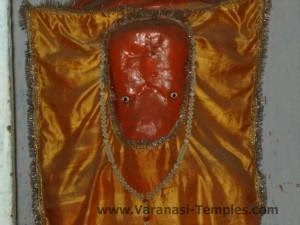
- Form: The deity is enshrined as a Swayambhu (self-manifested) idol or an ancient sculpted stone image, characteristic of the sacred soil of Kashi.
Phalaśruti: Why Visit?
According to Sanatana Dharma, offering prayers to Ganesha is the first step in any auspicious undertaking. The Phalaśruti (benefits of worship) of visiting Kharva Vinayak is deeply rooted in the belief that this specific form of Ganesha guards the eastern gateway of Kashi.
Devotees visit to:
- Remove Obstacles: Seeking resolution for legal, financial, or personal hurdles.
- Ancestral Karma: Performing rites to alleviate ancestral debt (Pitra Dosha).
- Sanctification: Bathing in the proximity of the Ganges near Rajghat while worshipping here amplifies the purity of the pilgrimage.
2. Historical Origins & Scriptural Legend
While the exact date of construction is not documented in publicly available records, the architectural style and the placement of the temple suggest antiquity consistent with the Rajghat archaeological site (an ancient trading center dating back centuries).
The Legend of the Protector
Tradition holds that this temple was established to guard the eastern entrance to the holy city. In local lore, Kharva Vinayak is regarded as the sentinel who wards off negative energies entering the sacred geography of Varanasi. The term “Kharva” is often associated with a defensive structure or fortification, linking the deity to the protection of the Rajghat Fort area.
According to temple records and local priests: The shrine has survived the test of time, maintaining its sanctity through centuries of renovations and the natural flow of the Ganges.
3. Architectural Marvels
The temple is a beautiful example of the Nagara style of Hindu architecture, adapted to the spatial constraints of the Rajghat fortification area.
- Structure: The sanctum (Garbhagriha) houses the deity, topped by a spire (Shikhara) that curves upward, symbolizing the cosmic mountain.
- Mandapa: A pillared hall allows devotees to gather for Aarti and prayers.
- Vastu Shastra: The temple is oriented traditionally, ensuring the deity faces the northeast (Ishanya) direction, the zone of prosperity and divine energy.
- Sculptures: While modest in scale, the stone carvings display traditional motifs common in North Indian temple art.
| Date built: | – |
|---|---|
| Deity: | Kharva Vinayak |
| Architectural style: | Hindu Temple architecture |
| Major festivals | – |
| Locale: | Varanasi |
| District:: | Varanasi |
| Address: | – |
| Phone | – |
4. Darshan & Ritual Logistics (2026 Guide)
The temple follows the standard rituals of the Ganesha tradition. The atmosphere is one of intense devotion, especially during the twilight hours.
Daily Timings
While the temple is generally accessible, specific timings for the main Aartis are as follows:
| Ritual | Timing |
|---|---|
| Morning Darshan | 06:00 AM – 12:00 PM |
| Morning Aarti | 07:30 AM |
| Evening Darshan | 05:00 PM – 09:00 PM |
| Evening Aarti | 07:00 PM |
Note: The temple is open practically throughout the day. Devotees can perform pooja by themselves.
Key Sevas & Online Booking
- Abhishekam: Ritual bathing of the deity (typically with water, milk, and honey).
- Archana: Recitation of names (Sankalpam).
- Modak Offering: A favorite of Lord Ganesha.
Booking Status: While the temple management in Varanasi is increasingly digitized, specific online portals for this heritage shrine are managed through the Kashi Vishwanath Temple Trust or local temple committees. Visitors are advised to inquire at the temple counter or check the official Varanasi tourism portal for the latest online seva integration in 2026.
Major 2026 Festivals
- Varanasi Ganesh Chaturthi: Wednesday, September 2, 2026. This is the most auspicious day here, celebrated with special Modak offerings.
- Magh Ganesh Chaturthi: Friday, January 24, 2026. A significant winter festival in Kashi.
- Sankashti Chaturthi: Observed monthly (check local lunar calendar).
5. Practical Visitor Guidance
Because the Kharva Vinayak Temple is located inside the Rajghat Fort complex near Adi Keshav Temple, logistics require some attention.
- Dress Code: Traditional attire is recommended (Dhoti/Kurta for men, Saree/Salwar Kameez for women). Maintain modesty.
- Photography: Generally permitted in the outer courtyards, but prohibited inside the Garbhagriha (sanctum). Please respect the sanctity of the space.
- Mobile Lockers: Not available on-site at this specific shrine. It is advisable to carry minimal belongings.
- Accessibility: The terrain of Rajghat can be uneven. Sturdy footwear is required. The temple has steps leading to the sanctum.
Crowd Management & Seasonal Advice
- Best Hours: Visit early morning (6:00 AM – 8:00 AM) for a peaceful darshan. Evening Aarti is less crowded but spiritually intense.
- Summer (April-June): Varanasi can be very hot. Carry a water bottle and umbrella. Seek darshan before 10:00 AM.
- Monsoon (July-Sept): Roads near the ghats can be slippery. Wear non-slippery footwear.
6. Pilgrimage Connectivity
Kharva Vinayak is located at Rajghat Fort, near the Adi Keshav Temple.
How to Reach
- Nearest Airport: Varanasi Lal Bahadur Shastri International Airport (VNS) – Approx. 30 km (1 hour drive).
- Nearest Railway Station: Varanasi Junction (BSB) – Approx. 8 km.
- By Road: The site is accessible via the Varanasi-Lahartara Road leading to Rajghat. Devotees can travel by auto-rickshaw or cycle rickshaw.
Nearby Sacred Sites (Circuit)
- Adi Keshav Temple: Located right next to Kharva Vinayak, one of the oldest temples in Varanasi.
- Shri Kaal Bhairav Temple: The guardian deity of Kashi (approx. 4 km away).
- Kashi Vishwanath Temple: The primary Jyotirlinga (approx. 5 km away).
7. Frequently Asked Questions (FAQ)
Is there a VIP darshan entry at Kharva Vinayak Temple?
As this is a heritage shrine managed largely by local custodians rather than a large trust, there is no formal VIP entry system. The crowd is generally manageable, allowing for a direct darshan experience.
What is the significance of the name “Kharva”?
The name is rooted in local dialect. “Kharva” is often linked to the protective fortification of Rajghat. It signifies the Ganesha form that protects the boundaries of the spiritual geography of Kashi.
Can we offer Prasad ourselves?
Yes. Unlike some larger temples where only temple-provided Prasad is allowed, here devotees can bring fruits, flowers, and especially Modaks to offer to the deity personally.
Is the temple accessible by car?
Auto-rickshaws and cycle rickshaws are the most convenient way to navigate the narrow lanes leading to Rajghat. Private cars may face parking constraints near the fort area.
What is the contact number?
Specific contact details for this standalone shrine are often shared through local guides. For general tourism assistance in Varanasi, contact the UP Tourism helpline.
Photo Gallery
Official Address
Recent Posts

ओ सांवरे तूने ही मुझको संभाला – Lyrics & Meaning
ओ सांवरे तूने ही मुझको संभाला – A Prayer to Shyam Origin & Spiritual Essence Why This Bhajan Resonates Devotees chant this when overwhelmed by life’s storms—the refrain ‘तूने ही मुझको संभाला’ is the soul’s sigh of relief: “You…

कथा ये है महाराज मेरे की – Lyrics & Meaning
कथा ये है महाराज मेरे की छत्रपति संभाजी महाराज – A Prayer to Chhatrapati Sambhaji Maharaj Origin & Spiritual Essence Why This Bhajan Resonates Devotees chant this when their spirit feels tested—its powerful refrain “महाराज मेरे” is a soul’s…

Rigveda Samhita Yathartha Anuvada (ऋग्वेद संहिता यथार्थ अनुवाद) – Complete Set with Anvayartha & Hindi/English Translation
The Rigveda is the oldest surviving scripture of humanity and the foundational text of Sanātana Dharma. For serious students, scholars, UPSC aspirants studying ancient Indian history, Sanskrit learners, and spiritual seekers, a precise and grammatically structured translation is indispensable.…

आना भी अकेला है जाना भी अकेला है – Lyrics & Meaning | BharatTemples
आना भी अकेला है जाना भी अकेला है – A Prayer to the Divine Witness Origin & Spiritual Essence Why This Bhajan Resonates Devotees turn to this bhajan in moments of deep reflection—when life’s attachments begin to ache. The…

माता शेरावाली के द्वार जो भी जाता है – Lyrics & Meaning
माता शेरावाली के द्वार जो भी जाता है – A Prayer to Maa Sherawali Origin & Spiritual Essence Why This Bhajan Resonates Devotees turn to this bhajan in times of fear or uncertainty—its promise that no one leaves Maa’s…

मार लेना सपणी उबार लेणा भवरा – Lyrics & Meaning
मार लेना सपणी उबार लेणा भवरा – A Prayer to the Divine Beloved Origin & Spiritual Essence Why This Bhajan Resonates Devotees chant this in moments of deep vulnerability—its cry of “मार लेना सपणी, उबार लेणा भवरा” is the…

हमें श्याम सुंदर भरोसा तुम्हारा – Lyrics & Meaning
हमें श्याम सुंदर भरोसा तुम्हारा – A Prayer to Shyam Sundar Origin & Spiritual Essence Why This Bhajan Resonates Devotees chant this when feeling alone—its refrain ‘de do sahara’ is the soul’s cry for divine support. Lyrics in Hindi…

Mere Satguru Ne Di Thi Davai Lyrics in Hindi & Meaning
Mere Satguru Ne Di Thi Davai: Invoking the Guru’s Liberating Wisdom This soul-stirring bhajan venerates the Satguru (True Spiritual Master) as the divine physician who dispenses the only remedy for life’s deepest sufferings. Composed by Sant Karmaveer Tufani, it…

Janm Diyo Thari Maa Dukh Dekhiyo Lyrics in Hindi & Meaning
जन्म दियो थारी माँ दुख देखियो (Maa’s Grief Upon Birthing You) This soul-stirring Chetavani Bhajan (admonitory hymn) is addressed to the Divine Mother (Maa) – a call for repentance when children forget their filial duties in the dark age…
Bhadi Sabha Mein Thane Manaun Lyrics in Hindi & Meaning
Bhadi Sabha Mein Thane Manaun: Invoking the Spear-Wielding Mother Mata Bhawani (श्री ज्वाला भवानी), the fiery manifestation of Shakti worshipped as the Protector of Dharma in Her Dhaulagarh sanctum. Origin & Spiritual Essence Composed in Rajasthani folk tradition by…