Kooshmanda Vinayak Temple, Varanasi: History, Darshan Timings & Guide
Receive daily temple updates, divine darshan, and morning bhajans directly on WhatsApp.
Contents
- 1 Kooshmanda Vinayak Temple, Varanasi: A Definitive Pilgrimage Guide
Kooshmanda Vinayak Temple, Varanasi: A Definitive Pilgrimage Guide
Nestled in the spiritual tapestry of Kashi, the Kooshmanda Vinayak Temple stands as a beacon of divine grace and architectural heritage. For pilgrims traversing the ancient lanes of Varanasi, this shrine is not merely a stop but a profound spiritual destination. As we look toward 2026, the temple continues to attract devotees seeking the blessings of Lord Ganesha in his specific manifestation as Kooshmanda Vinayak. This guide, crafted by the heritage architects of BharatTemples.com, serves as your comprehensive manual for history, darshan, and devotion.
1. Introduction & Spiritual Essence
At the heart of Varanasi lies the Kooshmanda Vinayak Temple, dedicated to Lord Ganesha in his form as Kooshmanda (the cosmic egg or the universe itself). In the pantheon of Hindu deities, this form of Ganesha is revered for bestowing health, prosperity, and the dissolution of past sins.
Why Visit Kooshmanda Vinayak?
According to devotional texts, worshipping Kooshmanda Vinayak brings immense Phalaśruti (spiritual benefits):
- Cleansing Ancestral Karma: It is believed that prayers here cleanse the lineage (Vamsa) of any ancestral sins.
- Health and Vitality: As the deity associated with the Anahata (Heart) Chakra, devotees visit to seek relief from chronic illnesses and to boost physical energy.
- Success in Ventures: For those beginning new business ventures or educational pursuits, a darshan here is said to remove obstacles (Vighna).
📖 Related: Tribhuwan Keshav Temple Varanasi: History, Darshan Timings & Complete Guide
2. Historical Origins & Scriptural Legend
While the precise date of construction is difficult to pinpoint due to the antiquity of Varanasi’s temples, tradition holds that the Kooshmanda Vinayak Temple dates back several centuries, deeply rooted in the Skanda Purana.
The Sthala Purana (Local Legend)
The Sthala Purana of this temple recounts a time when the demon Gajasura performed severe penance to please Lord Shiva. Upon receiving a boon, Gajasura requested that Lord Shiva reside within his body. Later, when Parvati (Shiva’s consort) sought her husband’s return, she prayed to Lord Ganesha. It is believed that at this specific spot in Varanasi, Lord Ganesha manifested as the Kooshmanda—the cosmic egg from which the universe was born—to resolve the cosmic imbalance.
Renovations and Records
Though simple in outward appearance, the temple structure has undergone several renovations over the last century to preserve the sanctity of the inner sanctum. According to temple records, the current architectural layout maintains the traditional Kaashi style, adapted for the dense urban fabric of Varanasi.
3. Architectural Marvels
The Kooshmanda Vinayak Temple is a quintessential example of the Nagara style of temple architecture, prevalent in North India, adapted with local variances.
Vastu Shastra and Design
The temple is oriented according to Vastu Shastra principles, ensuring that the energy flow aligns with cosmic rhythms. The Garbhagriha (sanctum sanctorum) is positioned to allow the first rays of the sun to touch the deity during specific equinoxes.
Notable Features
- The Shikhara: The temple features a curvilinear tower (shikhara) that rises above the sanctum, symbolizing the Meru mountain.
- Sculptures: Unlike grand facades, the carvings here are intimate, depicting stories from the Ganesha Purana and scenes of the Varanasi riverbank.
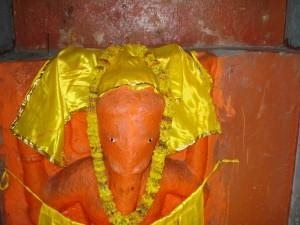
- The Murti: The idol of Kooshmanda Vinayak is unique, often depicted with a red hue and seated in a meditative posture, distinct from the more common modaka-bearing forms.
4. Darshan & Ritual Logistics
Visiting Kooshmanda Vinayak requires an understanding of the daily rituals. While timings are subject to local festivals and seasonal adjustments (especially during Shravan or Ganesha Chaturthi), the following schedule serves as a reliable guide for 2026 planning.
📖 Related: Atyugra Narsimha Temple Varanasi: History, Timings & Darshan Guide
Daily Darshan Timings
| Session | Timing | Activity |
|---|---|---|
| Morning | 05:30 AM – 12:00 PM | Mangala Aarti, Abhishekam, General Darshan |
| Afternoon | 12:00 PM – 04:00 PM | Temple cleaning & Mid-day rest |
| Evening | 04:00 PM – 09:00 PM | Shayan Aarti, Bhog, General Darshan |
Key Sevas & Online Booking
Devotees can book specific Sevas to enhance their spiritual experience. Online seva booking is generally available through the official Varanasi temple commission portals or third-party authorized services.
- Abhishekam: Ritual bathing of the deity with milk, honey, and curd (Book 24 hours in advance).
- Archana: Recitation of the 108 names of Ganesha.
- Modaka Offering: A specific offering believed to be dear to the deity.
2026 Festival Dates
Plan your visit around these major festivals for a heightened spiritual atmosphere:
- Varanasi Ganesha Chaturthi: September 5, 2026 (Expect large crowds; special mid-night darshan may be organized).
- Magh Ganesha Mela: February 10 – March 10, 2026 (A month-long fair held in the surrounding locality).
- Diwali: November 2026 (Special Deep Daan offerings).
5. Practical Visitor Guidance
To ensure a smooth pilgrimage, adherence to local customs and logistical planning is essential.
Dress Code & Etiquette
The temple follows a conservative dress code. Men and women should wear clothes that cover shoulders and knees. Traditional Indian attire (Saree, Kurta-Pajama) is preferred but not mandatory.
Crowd Management
- Best Hours to Visit: Early morning (6:00 AM) or late evening (7:30 PM) to avoid peak footfall.
- Seasonal Advice: Varanasi summers (April-June) are harsh; carry a water bottle and a handheld fan. During the monsoon (July-September), waterproof footwear is recommended as the temple lanes can get waterlogged.
- Photography: Strictly prohibited inside the Garbhagriha. Photography may be allowed in the outer courtyard, but seek permission from the trust managing the shrine.
- Mobile Lockers: Due to space constraints inside the sanctum, it is advisable to keep valuables in your vehicle or use designated cloakrooms outside the temple complex.
Accessibility
The temple is located in the Phoolwaria area. Due to the narrow lanes typical of Varanasi, access for wheelchairs is restricted near the sanctum, though assistance can be arranged from the entrance.
6. Pilgrimage Connectivity
How to Reach Kooshmanda Vinayak Temple
- By Air: Lal Bahadur Shastri International Airport (VNS) is the nearest airport, approximately 25 km away. Taxis and auto-rickshaws are readily available.
- By Rail: The Varanasi Junction (BSB) is the main railway station, about 5 km from the temple. The Kashi Vishwanath Express terminal is also nearby.
- By Road: The temple is connected via NH 19 and State Highway 5. From the Varanasi Cantt bus stand, it is a 20-minute auto-rickshaw ride. The nearest drop-off point for vehicles is at Godaulia crossing, from where one must walk.
📖 Related: Durmukh Vinayak Temple, Varanasi: History, Darshan Timings & Guide
Nearby Sacred Sites (Pilgrimage Circuit)
To maximize your visit to Kashi, consider adding these nearby sites to your itinerary:
- Kashi Vishwanath Temple (Jyotirlinga): Located just 1.5 km away. The central shrine of Varanasi.
- Sankat Mochan Hanuman Temple: Situated near the Assi Ghat (approx. 3 km). Famous for the Tuesday ritual of offering oil.
- Shri Durga Temple (Durga Kund): A vibrant red temple dedicated to Goddess Durga, located 2 km from the temple.
7. Frequently Asked Questions (FAQ)
1. Is there a VIP Darshan entry available at Kooshmanda Vinayak Temple?
Unlike the massive Kashi Vishwanath Corridor, this is a more intimate shrine. However, devotees who book specific Sevas (like Abhishekam) generally receive priority entry or designated slots. There is no formal VIP ticket system, but a donation to the temple trust can expedite entry during peak hours.
2. Can I carry food and water inside the temple?
Carrying water is permitted, but food is not allowed inside the sanctum. However, many small eateries surround the temple area serving authentic Varanasi street food (e.g., Kachori-Sabzi).
3. What is the significance of the name “Kooshmanda”?
Kooshmanda refers to the cosmic egg or the center of the universe. It is believed that Lord Ganesha created the universe from this point in Varanasi, making it a site of immense creative energy.
4. Are there accommodations near the temple?
Yes, the Phoolwaria and Dashashwamedh areas offer a range of accommodations from budget guesthouses to luxury heritage hotels. It is advisable to book in advance, especially during festival seasons.
5. Is the temple open year-round?
Yes, the temple remains open for most of the year. It only closes for a few hours during extreme weather conditions or specific local processions.