Krithi Vaseshwar Temple Varanasi: History, Darshan Timings & Guide
Receive daily temple updates, divine darshan, and morning bhajans directly on WhatsApp.
Contents
- 1 Krithi Vaseshwar Temple: The Definitive Pilgrimage Guide to Varanasi’s Abode of Liberation
Krithi Vaseshwar Temple: The Definitive Pilgrimage Guide to Varanasi’s Abode of Liberation
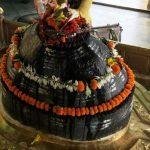
krithi-vaseshwar-768×678, Krithi Vaseshwar Temple, Varanasi
1. Introduction & Spiritual Essence
In the spiritual tapestry of Kashi (Varanasi), where every stone resonates with divine energy, the Krithi Vaseshwar Temple stands as a monumental beacon of Moksha (liberation). Dedicated to Lord Shiva, this ancient shrine is not merely a place of worship but a Punya Kshetra—a field of merit where the boundaries of time and karma dissolve.
The presiding deity, Krithi Vaseshwar, manifests as a colossal Swayambhu (self-existent) Lingam. Unlike other shrines, the spiritual potency here is described as unparalleled; it is believed that a single Darshan of this Lingam equates to the spiritual merit of reciting seven crore Rudra Jap mantras.
Phalaśruti: The Benefits of Pilgrimage
According to the sacred Kashi Khand of the Skanda Purana, the spiritual benefits of visiting Krithi Vaseshwar are profound:
- Ancestral Cleansing: It is believed that performing rites here washes away sins accumulated over thousands of previous births, liberating not just the devotee but their ancestral lineage.
- Moksha Grantor: The Brahma Vaivart Puran states that Krithi Vaseshwar makes the life of a Kashi Vas (resident of Varanasi) fruitful and grants ultimate liberation to visiting devotees.
- Protection from Karmic Tremors: The temple is historically linked to the slaying of the demon Gajasur, symbolizing the destruction of ego and earthly attachments that cause karmic tremors.
2. Historical Origins & Scriptural Legend
The history of Krithi Vaseshwar is a blend of celestial mythology and medieval resilience. While the exact date of the original construction is obscured by antiquity, the temple’s narrative is deeply rooted in the Kashi Khand.
The Legend of Gajasur and the Swayambhu Ling
Tradition holds that during a cosmic era, the demon Gajasur (the elephant demon) unleashed havoc, causing earthquake-like tremors with every step. Seeking to protect the sanctity of Kashi, Lord Shiva pierced the demon with his trishul and lifted him into the sky.
📖 Related: Prem Mandir, Mathura: History, Timings & Complete Pilgrimage Guide
Before his final breath, Gajasur requested that his death in the Avimukta Kshetra (liberated zone of Kashi) be a boon to all beings. He also asked for his skin to forever adorn Shiva. Lord Shiva granted this wish and declared that Gajasur’s body would transform into a massive Shiv Ling at that very spot—this is the Krithi Vaseshwar Lingam. The word “Krithi” implies a work of art or creation, and “Vaseshwar” means the Lord who dwells within.
Destruction and Reconstruction
According to temple records and oral histories, the original temple was situated north of the Kal Bhairav temple, near the historic Hans Teerth (a sacred pond now known as Har Tirath). During the medieval era, the temple faced destruction under the Mughal ruler Aurangzeb. For centuries, the Lingam remained submerged or obscured.
The current structure was meticulously reconstructed by the benevolent philanthropist Raja Patnimal in the 19th century. The new temple was built to the south of the original site to preserve the sanctity of the land while ensuring the continuity of worship.
3. Architectural Marvels
The Krithi Vaseshwar Temple exemplifies the Dravidian architectural style, a rarity in the predominantly Nagara-style temple landscape of Varanasi. This distinct architectural choice reflects the historical influence of Southern Indian traditions that migrated to Kashi.
Key Structural Elements
- The Shikhara (Tower): Unlike the towering spires of North India, the temple features a pyramidal roof structure typical of Dravidian style, designed to house the colossal Lingam within a sanctum that feels earthy and grounded.
- The Sanctum Sanctorum: The inner sanctum houses the massive Krithi Vaseshwar Lingam. The layout adheres to Vastu Shastra, ensuring that the energy flow (Vastu Purusha) directs the devotee’s focus inward toward the deity.
- Sculptural Details: The exterior walls feature intricate carvings depicting scenes from the Kashi Khand, including the battle with Gajasur and various forms of Shiva.
Note: While specific ASI/UNESCO status for this individual temple is not listed, it is a protected heritage site under the Varanasi Heritage Zone guidelines.
4. Darshan & Ritual Logistics (2026 Schedule)
Visiting Krithi Vaseshwar requires understanding the ritualistic flow of Varanasi. The temple follows traditional timings, with specific emphasis on Pradosh Kaal (twilight).
📖 Related: Dwi Mukh Vinayak Temple Varanasi: History, Darshan Timings & Guide
Daily Timings
| Session | Timing | Activity |
|---|---|---|
| Morning | 05:00 AM – 12:00 PM | Mangala Aarti, Abhishekam |
| Afternoon | 12:00 PM – 04:00 PM | Closed for Shayan (Rest) |
| Evening | 04:00 PM – 09:00 PM | Shringar Darshan, Aarti |
Key Sevas & Online Booking
Devotees can perform various Sevas (services) to deepen their spiritual connection:
- Abhishekam: Ritual bathing of the Lingam with water, milk, and honey.
- Archana: Personalized chanting of mantras for the devotee and their family.
- Maha Rudra Jap: For cleansing deep karmic imprints.
Online Booking: As of 2026, bookings for Sevas at major Kashi temples are managed through the Kashi Vishwanath Temple Trust portal. However, for Krithi Vaseshwar, local arrangements are often facilitated directly at the temple counter or through authorized local priests.
2026 Festival Calendar
Visiting during festivals offers amplified spiritual energy:
- Monday, February 23, 2026: Maha Shivratri (The Great Night of Shiva). Special night-long vigil and unique offerings.
- Magha Chaturdasi (Jan/Feb): According to Kashi Khand, this day is highly auspicious for Krithi Vaseshwar.
- Shravan Mondays (July-August): Exclusive morning timings and special Jalabhishekam.
5. Practical Visitor Guidance
To ensure a smooth pilgrimage experience in Varanasi, visitors should adhere to the following guidelines:
- Dress Code: Traditional Indian attire is recommended. Men should wear Dhoti or Kurta-Pajama; Women should wear Saree or Salwar Kameez. Modesty is strictly respected in the sanctum.
- Photography: Photography is generally prohibited inside the inner sanctum. Use of mobile devices should be minimal and silent.
- Mobile Lockers: Shoe storage and mobile holding facilities are available near the temple entrance, usually for a nominal fee.
- Accessibility: The temple has narrow entryways typical of Varanasi’s old city. It is not wheelchair accessible. Visitors with mobility issues are advised to visit during early morning hours when crowds are lighter.
Crowd Management
Varanasi can be overwhelming, especially during festivals.
- Best Hours: 5:00 AM – 7:00 AM (Morning Darshan) or 7:00 PM – 9:00 PM (Evening Aarti).
- Seasonal Advice: Summers (May-June) in Varanasi are intense; carry a water bottle and a head covering. Winters (Dec-Jan) are pleasant but foggy; start your day by 7:00 AM.
6. Pilgrimage Connectivity
How to Reach Krithi Vaseshwar Temple
The temple is located in the heart of the old city of Varanasi.
- Address: K-46/23, Mrityunjay Mahadev Road (West of Har Tirath Pond), Varanasi, Uttar Pradesh 221001.
- Nearest Airport: Lal Bahadur Shastri International Airport (LBS) (approx. 25 km). Taxis and E-rickshaws are available to Godaulia / Vishwanath Gali.
- Nearest Railway Station: Varanasi Junction (approx. 5 km). Auto-rickshaws to Godaulia are easily available.
- Road Access: The temple is approachable from Manduadih or Godaulia. The nearest arterial road is the Lahartara – Manduadih Road. Since the area is a narrow lane system, cycle rickshaws are the most convenient mode of transport from the main road.
📖 Related: Eeshaneshwar Temple Varanasi: History, Darshan Timings & Guide
Nearby Sacred Sites
Complete your pilgrimage circuit by visiting these nearby shrines:
- Mrityunjay Mahadev Temple: Located almost adjacent, sharing historical significance with Krithi Vaseshwar.
- Kal Bhairav Temple: The guardian deity of Varanasi, located roughly 1-2 km away.
- Vishwanath Gali / Kashi Vishwanath Temple: The epicenter of Varanasi spirituality, accessible via a short rickshaw ride.
7. Frequently Asked Questions (FAQ)
1. What is the significance of the name “Krithi Vaseshwar”?
The name is derived from Sanskrit. “Krithi” refers to the act of creation or a work of art, and “Vaseshwar” translates to the Lord who dwells. It signifies the Shiva Lingam formed from the body of Gajasur, representing a unique divine creation.
2. Is there a VIP Darshan entry available?
Krithi Vaseshwar is a smaller, intimate temple compared to the main Kashi Vishwanath complex. While there is no formal “VIP Ticket” system like the major shrines, priority is often given to locals and those conducting specific Sevas (like Abhishekam). It is best to consult the local priest or temple administrator upon arrival.
3. What is the best time to offer prayers at Krithi Vaseshwar?
Specifically, the Kashi Khand recommends the Chaturdasi day after Amavasya (14th day of the dark fortnight) and the Magha month (January–February) for maximum benefit. However, any time is auspicious in Kashi.
4. Can I perform Rudra Jap at this temple?
Yes. The temple is considered highly potent for Rudra Jap. It is believed that performing a single Jap here yields the fruit of seven crore Japs elsewhere. Priests at the temple can be engaged to perform this ritual on your behalf.
5. Is the original Lingam still present?
The temple was destroyed in the medieval era. The current temple houses a reconstructed Lingam. However, it is believed that the energy of the original Swayambhu Lingam remains, and many devotees still offer prayers at the nearby spot associated with the original site.