
Contents
Introduction & Spiritual Essence
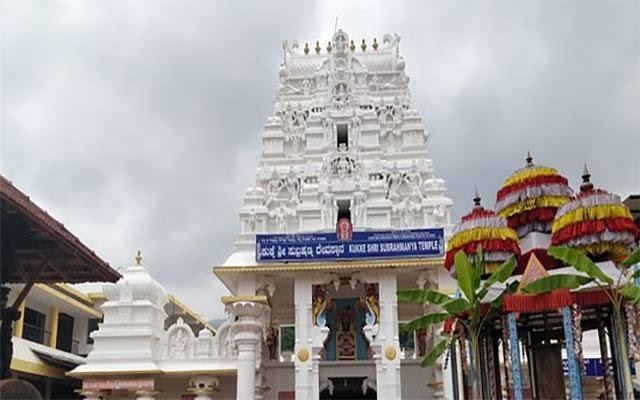
Kukke Subramanya Temple, nestled amidst the lush Western Ghats of Karnataka, stands as a celestial abode where divinity and nature converge. The primary deity here is Lord Subramanya (also known as Kartikeya or Murugan), worshipped as Subrahmanya, the Lord of all Serpents (Nagaraja).
In this holy sanctum, the divine serpent Vasuki and other nagas found refuge under Lord Subramanya when threatened by Garuda, the eagle. This form of the deity is unique; the idol is depicted as a four-armed Shivalinga, adorned with a silver mask and a five-headed serpent hood, enveloping the sanctum in eternal protection.
Phalaśruti: Why Devotees Visit
The significance of a pilgrimage to Kukke Subramanya lies in the spiritual relief it offers from malefic planetary influences and serpentine curses (Naga Dosha). Devotees flock here seeking:
- Remedial Measures: Performing Sarpa Samskara/Puja to pacify ancestral karmas related to serpents.
- Healing: Lord Subramanya is revered as the Dhanvantari of Kali Yuga (a divine healer).
- Mental Peace: The rhythmic flow of the Kumaradhara River and the dense forests create an atmosphere conducive to meditation and inner calm.
Historical Origins & Scriptural Legend
According to temple records and local tradition, the history of Kukke Subramanya is deeply rooted in the Skanda Purana and the oral traditions of the Tuluva region. While the temple’s structure has been renovated over centuries, its spiritual lineage dates back approximately 5,000 years.
The Legend of Vasuki
Tradition holds that Vasuki, the king of serpents, was performing intense penance (Tapas) in the Biladwara caves of Kukke to escape the wrath of Garuda. Seeking Lord Shiva’s assurance, Vasuki found refuge under Lord Subramanya, who blessed the serpent king to remain in this sacred spot forever. Consequently, the Sthala Purana dictates that worshiping Vasuki here is equivalent to worshiping Lord Subramanya himself.
Historical Patronage
In the Shankara Vijaya, Anandagiri notes that Adi Shankaracharya camped here during his Digvijaya (spiritual conquest). He referred to the site as “Bhaje Kukke Lingam” in his Subrahmanya Bhujangaprayata Stotram. The temple falls under the administration of the Matha system of Karnataka, preserving Vedic traditions.
Architectural Marvels
The temple showcases a blend of Karnataka Dravida and Nagara architectural styles, adapted to the hilly terrain of Dakshina Kannada. The complex is designed according to Vastu Shastra, with the river flowing to the west.
Key Structural Elements
- Garuda Stambha: Before entering the sanctum, devotees circumambulate a silver-clad pillar. Legend says this enchanted pillar shields devotees from the poisonous fumes of Vasuki.
- Sanctum Sanctorum (Garbhagriha): The central pedestal houses the idol of Lord Subramanya. Below this level, the idol of Shesha is visible, and Vasuki is enshrined alongside.
- Kumaradhara River: The temple architecture integrates the natural water flow. Devotees perform a holy dip (Snana) in the river before entering the temple.
While not a UNESCO site, the temple is a protected heritage monument under the Endowments Department of Karnataka.
Darshan & Ritual Logistics
Standard timings are provided below. Please note that timings may vary during festivals. The current year is 2026.
| Session | Timings | Description |
|---|---|---|
| Morning Darshan | 06:00 AM – 01:30 PM | Includes Morning Seva slots. |
| Afternoon Break | 01:30 PM – 03:00 PM | Temple closed for Maha Puja. |
| Evening Darshan | 03:00 PM – 09:00 PM | Includes Evening Deepotsava. |
Key Sevas & Booking
Online booking is mandatory for specific sevas. The Kukke Subramanya Temple Online Services portal allows devotees to book sevas in advance.
- Suprabhata Seva (VIP): 4:30 AM
- Abhishekam: Performed with milk, honey, and turmeric.
- Archana: Offering of flowers and sacred threads (Carlai).
- Sarpa Samskara: A special 3-day ritual for the pacification of serpent deities.
2026 Festival Calendar (Major Events)
- Karthika Purnima: November 15, 2026
- Nagaradhane (Snake Festival): Follows the lunar calendar; major events during Nagara Panchami (August 2026) and Shashti throughout the year.
- Mass Bathing Ritual (Kumaradhara Snana): Conducted during specific Amavasya and Purnima days.
Practical Visitor Guidance
Etiquette & Dress Code
As a high-altitude temple in the Western Ghats, the climate is cool but humid. Traditional attire is mandatory.
- Men: Dhoti or trousers (shirts are permitted but removed inside sanctum).
- Women: Saree, Salwar Kameez, or traditional skirt and blouse.
- Photography: Strictly prohibited inside the sanctum and sanctity zones.
- Mobile Phones: Electronic devices must be switched off or deposited at the free locker facility near the entrance.
Crowd Management & Best Hours
- Best Time: October to February (Winter) offers pleasant weather for the Padayatra (trek) to the temple.
- Avoid: May (Summer) brings intense heat; carry plenty of water if visiting then.
- Weekends: Expect heavy crowds on Saturdays and Sundays due to devotees from Bengaluru and Mangaluru.
- Accessibility: The temple complex has ramps for wheelchairs, though the inner sanctum involves stone steps.
Pilgrimage Connectivity
How to Reach
Kukke Subramanya is located in the Subrahmanya village of Sullia Taluk.
- By Rail: The nearest railway station is Subramanya Road (4 km from the temple). However, major trains stop at Mangalore Junction (MAJN) (approx. 105 km). From Mangalore, frequent KSRTC buses connect to Subramanya.
- By Air: Mangaluru International Airport (IXE) is the closest airport (approx. 115 km).
- By Road: The temple is on the Mangalore-Bekal Road. From Bengaluru, take NH 75 (approx. 250 km). From Mangaluru, take NH 66 towards Ujire.
Nearby Sacred Sites
Extend your pilgrimage circuit to include these nearby destinations:
- Kumara Parvatha (7500 ft): The second highest peak in Coorg/Karnataka. A strenuous trek (12 km) starting from the temple premises to the peak, which houses the Paadukeshwara Temple.
- Mallikarjuna Temple (Sullia): Located about 25 km away, dedicated to Lord Shiva.
- Mundaje Temple: Known for Lord Mahabaleshwara and its pristine location near the river.
Photo Gallery
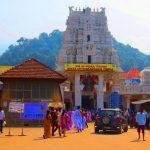
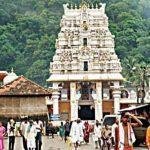
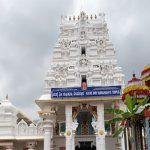
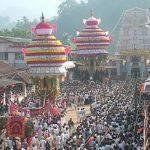
How to Reach:
Bus Services: Private and KSRTC buses operate daily from Mangalore, Bengaluru, and Mysore.
Contact Details
Official Address: Subrahmanya, Karnataka 574238
Phone: 08257-281400
Frequently Asked Questions (FAQs)
1. Is there a VIP Darshan entry at Kukke Subramanya?
Yes. The Suprabhata Seva (early morning ritual) allows devotees to enter the sanctum for a close darshan before the general public. Tickets for this can be booked online via the official temple portal. Otherwise, standard darshan is available to all.
2. Can I perform Sarpa Samskara without an appointment?
No. Sarpa Samskara is a complex ritual requiring prior booking (usually 1-3 months in advance due to high demand). However, for immediate requirements, devotees can perform Puja for Vasuki inside the temple without prior booking. Please contact the temple office for rates.
3. Where can I stay near the temple?
The temple administration maintains guest houses (Niwasam) like the Shri Subrahmanya Mutt Guest House. There are also private lodges and homestays in Subramanya village. During festivals, advance booking is essential.
4. Is the trek to Kumara Parvatha safe?
The trek is moderately difficult. The route is forested and prone to leeches during the monsoon (June-September). It is recommended to start early in the morning (6 AM) with a guide. The temple administration restricts entry after 2 PM for safety reasons.
5. What is the significance of the Garuda Pillar?
The Garuda Pillar represents Garuda, the mount of Lord Vishnu. Devotees circumambulate this pillar to protect themselves from the negative energies that may arise from the powerful serpent deities residing within the sanctum.
Recent Posts

ओ सांवरे तूने ही मुझको संभाला – Lyrics & Meaning
ओ सांवरे तूने ही मुझको संभाला – A Prayer to Shyam Origin & Spiritual Essence Why This Bhajan Resonates Devotees chant this when overwhelmed by life’s storms—the refrain ‘तूने ही मुझको संभाला’ is the soul’s sigh of relief: “You…

कथा ये है महाराज मेरे की – Lyrics & Meaning
कथा ये है महाराज मेरे की छत्रपति संभाजी महाराज – A Prayer to Chhatrapati Sambhaji Maharaj Origin & Spiritual Essence Why This Bhajan Resonates Devotees chant this when their spirit feels tested—its powerful refrain “महाराज मेरे” is a soul’s…

Rigveda Samhita Yathartha Anuvada (ऋग्वेद संहिता यथार्थ अनुवाद) – Complete Set with Anvayartha & Hindi/English Translation
The Rigveda is the oldest surviving scripture of humanity and the foundational text of Sanātana Dharma. For serious students, scholars, UPSC aspirants studying ancient Indian history, Sanskrit learners, and spiritual seekers, a precise and grammatically structured translation is indispensable.…

आना भी अकेला है जाना भी अकेला है – Lyrics & Meaning | BharatTemples
आना भी अकेला है जाना भी अकेला है – A Prayer to the Divine Witness Origin & Spiritual Essence Why This Bhajan Resonates Devotees turn to this bhajan in moments of deep reflection—when life’s attachments begin to ache. The…

माता शेरावाली के द्वार जो भी जाता है – Lyrics & Meaning
माता शेरावाली के द्वार जो भी जाता है – A Prayer to Maa Sherawali Origin & Spiritual Essence Why This Bhajan Resonates Devotees turn to this bhajan in times of fear or uncertainty—its promise that no one leaves Maa’s…

मार लेना सपणी उबार लेणा भवरा – Lyrics & Meaning
मार लेना सपणी उबार लेणा भवरा – A Prayer to the Divine Beloved Origin & Spiritual Essence Why This Bhajan Resonates Devotees chant this in moments of deep vulnerability—its cry of “मार लेना सपणी, उबार लेणा भवरा” is the…

हमें श्याम सुंदर भरोसा तुम्हारा – Lyrics & Meaning
हमें श्याम सुंदर भरोसा तुम्हारा – A Prayer to Shyam Sundar Origin & Spiritual Essence Why This Bhajan Resonates Devotees chant this when feeling alone—its refrain ‘de do sahara’ is the soul’s cry for divine support. Lyrics in Hindi…

Mere Satguru Ne Di Thi Davai Lyrics in Hindi & Meaning
Mere Satguru Ne Di Thi Davai: Invoking the Guru’s Liberating Wisdom This soul-stirring bhajan venerates the Satguru (True Spiritual Master) as the divine physician who dispenses the only remedy for life’s deepest sufferings. Composed by Sant Karmaveer Tufani, it…

Janm Diyo Thari Maa Dukh Dekhiyo Lyrics in Hindi & Meaning
जन्म दियो थारी माँ दुख देखियो (Maa’s Grief Upon Birthing You) This soul-stirring Chetavani Bhajan (admonitory hymn) is addressed to the Divine Mother (Maa) – a call for repentance when children forget their filial duties in the dark age…
Bhadi Sabha Mein Thane Manaun Lyrics in Hindi & Meaning
Bhadi Sabha Mein Thane Manaun: Invoking the Spear-Wielding Mother Mata Bhawani (श्री ज्वाला भवानी), the fiery manifestation of Shakti worshipped as the Protector of Dharma in Her Dhaulagarh sanctum. Origin & Spiritual Essence Composed in Rajasthani folk tradition by…