Kurinji Andavar Temple History & Darshan Timings Guide
Receive daily temple updates, divine darshan, and morning bhajans directly on WhatsApp.
Contents
- 1 Introduction & Spiritual Essence
- 2 Historical Origins & Scriptural Legend
- 3 Architectural Marvels
- 4 Darshan & Ritual Logistics (2026)
- 5 Practical Visitor Guidance
- 6 Pilgrimage Connectivity
- 7 Photo Gallery
- 8 Frequently Asked Questions (FAQ)
Introduction & Spiritual Essence
Nestled high amidst the misty peaks of the Palani Hills, the Kurinji Andavar Temple stands as a divine sentinel over Kodaikanal. Dedicated to Kurinji Andavar (the Lord of the Mountains), this sacred abode is intimately associated with Lord Murugan (Kartikeya).
The temple derives its name from the Kurinji flower (Strobilanthes kunthiana), which blooms spectacularly in blue-violet hues only once every 12 years. This rare flowering symbolizes the eternal bond between the divine and the devotee. According to scriptural belief, a darshan of Kurinji Andavar cleanses ancestral karma and grants spiritual liberation (Moksha). The deity here is revered as the protector of the hills, embodying the vibrant, red-complexioned form of Lord Murugan, mirroring the color of the blooming Kurinji flower.
Historical Origins & Scriptural Legend
The Australian Connection
Unlike ancient rock-cut temples, the Kurinji Andavar Temple possesses a unique modern history intertwined with colonial legacy. According to temple records, the shrine was constructed in 1936 by Lady Rammath, an Australian woman married to Sir Ponnambalam, a distinguished politician from Ceylon (modern-day Sri Lanka).
Originally built as a Christian chapel, the structure was later consecrated as a Hindu temple after Lady Rammath embraced Sanatana Dharma. In 1971, the temple was formally taken over by the Palani Devasthanam (Arulmigu Dhandayuthapani Swamy Temple), bringing it under the administration of one of the six abodes of Lord Murugan.
📖 Related: Kaholeshwar Temple Varanasi: History, Darshan Timings & Complete Guide
The Stala Purana
Tradition holds that Lord Muruga chose this hill as his hermitage to escape the heat of the plains. The local legend speaks of the Kurinji Malar (flower) which blooms only for the Lord. The hill tribes believe that the blue mist that envelopes the temple during the flowering season is the very breath of Lord Murugan, blessing the land with fertility and love.
Architectural Marvels
While the base structure reflects a modest colonial-era bungalow style, the temple has evolved to incorporate elements of Dravidian Architecture.
- The Sanctum (Garbhagriha): The inner sanctum houses the main deity of Kurinji Andavar. Notably, the temple lacks the towering Gopuram (gateway tower) typical of larger Tamil temples, preserving the serene, low-profile aesthetic of the hill station.
- Mandapas: The temple features a small Peacock Mandapa (Mayura Mandapa) in front of the sanctum. A central pillar topped with a bell stands tall in the hall, serving as a focal point for ritual offerings.
- Compound Deities: Besides the main deity, the temple complex houses shrines for Lord Vinayagar (Ganesha) and the Navagrahas (nine planetary deities). There is also a separate idol depicting Muruga with his consorts, Valli and Devasena.
- Arsanarathu Tree: In the south street adjacent to the temple stands the sacred Arasa Marathu (Peepal tree), which is considered a divine witness to the vows offered by devotees.
Darshan & Ritual Logistics (2026)
The temple is managed by the Palani Devasthanam, ensuring strict adherence to Vedic rituals. The serene mountain location makes the darshan experience distinct from the bustling main Palani temple.
Daily Timings
| Session | Timing |
|---|---|
| Morning Opening | 07:00 AM |
| Afternoon Break | 12:00 PM – 01:30 PM |
| Evening Closing | 06:00 PM |
*Timings may vary slightly during extreme weather conditions in Kodaikanal.
Sevas and Online Booking
Devotees can perform various Sevas to seek blessings. While Kodaikanal is a hill station, all offerings are linked to the central Palani administration.
- Abhishekam: Ritual bathing of the deity (usually performed with special permission).
- Archana: Chanting of divine names.
- Kurinji Archana: A special offering associated with the blooming flower.
📖 Related: Belon Temple Bulandshehar: History, Darshan Timings & Sarva Mangala Devi Guide
Booking is available via the official Palani Devasthanam Portal or the Arulmigu Dhandayuthapani Swamy Temple App.
Major 2026 Festivals
- Thaipusam (January 13, 2026): A major festival celebrated with immense fervor across the Palani hills. Special abhishekams are performed at Kurinji Andavar.
- Kurinji Flower Season (July – August 2026): While the grand 12-year bloom cycle is a rare event, the surrounding hills exhibit vibrant flora during this period, making it ideal for nature-loving pilgrims.
- Kartikai Deepam (November 2026): Lighting of lamps across the temple premises.
Practical Visitor Guidance
Dress Code & Etiquette
As with all Hindu temples in Tamil Nadu, traditional attire is required. Men should wear Dhotis or Pants with shirts; women should wear Saree, Salwar Kameez, or traditional skirts. Western attire (shorts, miniskirts) is strictly prohibited.
Photography & Mobiles
Photography is prohibited inside the sanctum sanctorum. Electronic devices must be switched off or left in lockers before entering the inner shrine to maintain the sanctity of the space.
Crowd Management & Seasonal Advice
Kodaikanal is a peak tourist destination. For a peaceful darshan:
- Best Time to Visit: 7:00 AM – 8:30 AM is ideal before the tourist rush begins.
- Weather: The temple is at 7,000 ft. Mornings can be chilly even in summer. Carry a light jacket.
- Essentials: Carry water and light snacks; food options near the temple are limited.
Pilgrimage Connectivity
How to Reach
The Kurinji Andavar Temple is located 5 km from the Kodaikanal Lake on the way to Moir Point.
- By Air: The nearest airport is Coimbatore International Airport (approx. 120 km). From there, hire a taxi via the NH 85 (Coimbatore – Munnar Highway).
- By Rail: The nearest major railway head is Coimbatore Junction (100 km). Palani Railway Station is closer (approx. 60 km to the foothills), but connecting transport to Kodaikanal is required.
- By Road: From Palani town, take the ghat road via Palanipuram (Annavatti) to reach Kodaikanal. The route winds through dense shola forests.
📖 Related: Bharabhooteshwar Temple, Varanasi: History, Darshan Timings & Legends
Nearby Sacred Sites (Pilgrimage Circuit)
While in the region, devotees often visit the following nearby shrines:
- Palani Dhandayuthapani Swamy Temple: The primary Murugan temple of the region, located at the foothills (approx. 60 km from Kodaikanal).
- Sri Sakthi Vinayagar Temple, Palani: Located near the main temple, known for removing obstacles.
- Murugan Temple, Poombarai: A picturesque village temple located near Kodaikanal, offering a rustic spiritual experience.
Photo Gallery
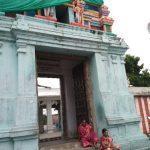
IMG_20160409_143702, Kurinji Andavar Temple, Palani
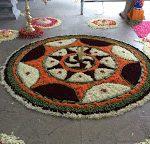
Kurinji Temple, Kurinji Andavar Temple, Palani

images (12), Kurinji Andavar Temple, Palani
images (11), Kurinji Andavar Temple, Palani
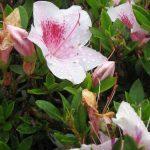
kurinji, Kurinji Andavar Temple, Palani
images (10), Kurinji Andavar Temple, Palani
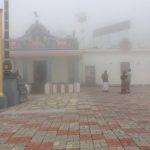
maxresdefault (11), Kurinji Andavar Temple, Palani
maxresdefault (10), Kurinji Andavar Temple, Palani
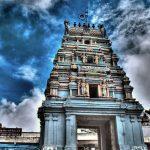
417249941-1024×685, Kurinji Andavar Temple, Palani
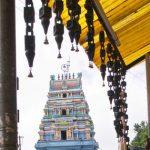
Kodaikanal-Kodai_Lake-Kurinji_Andavar_Temple
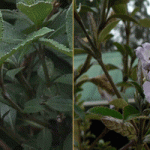
kurinji_flower, Kurinji Andavar Temple, Palani
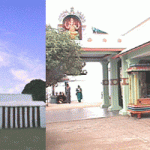
kurinji_temple, Kurinji Andavar Temple, Palani
Frequently Asked Questions (FAQ)
1. Is there a VIP Darshan entry at Kurinji Andavar Temple?
While special entry tickets are available at the main Palani Temple, Kurinji Andavar is a smaller shrine. However, priority is often given to senior citizens and those booking online sevas through the official Palani app.
2. When is the next Kurinji Flower bloom?
The legendary Kurinji flower (Strobilanthes kunthiana) blooms once every 12 years. The last bloom was in 2018; the next grand bloom is expected in 2030. However, small patches of flowers can be seen in the surrounding hills occasionally.
3. Is the temple accessible for wheelchairs?
The temple is located on a hill with steep approaches. While the main road leads up to the parking area, the steps to the sanctum may pose challenges for those with mobility issues. It is advisable to visit during early morning hours when foot traffic is low.
4. Can I stay overnight near the temple?
There is no accommodation within the temple complex. However, Kodaikanal town (5 km away) offers numerous guest houses, hotels, and the TNSTC lodge. It is recommended to book accommodation in advance due to high tourist season demand.
5. Is mobile network coverage available?
Kodaikanal has good network coverage for major providers (Airtel, Jio, VI), though signals can be intermittent near the temple premises due to the dense tree cover and hill terrain.