
Contents
Welcome to the holy land of Srikakulam, a region steeped in sacred geography and spiritual significance. As the Lead Heritage Architect for BharatTemples.com, I invite you to explore the Kurmanathaswamy Temple, a unique architectural marvel that stands as a testament to India’s syncretic religious history. Here, the reverence for the Kurma Avatar of Vishnu intertwines with ancient Shaivite traditions.
1. Introduction & Spiritual Essence
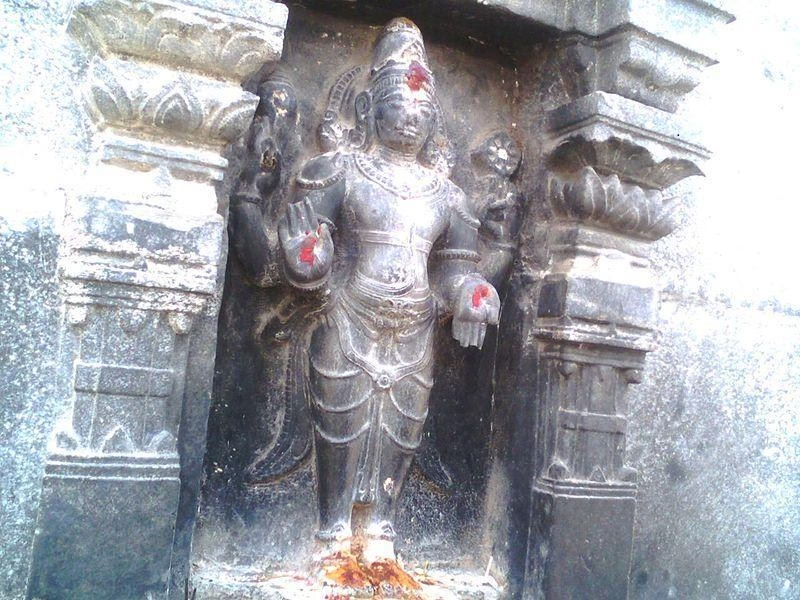
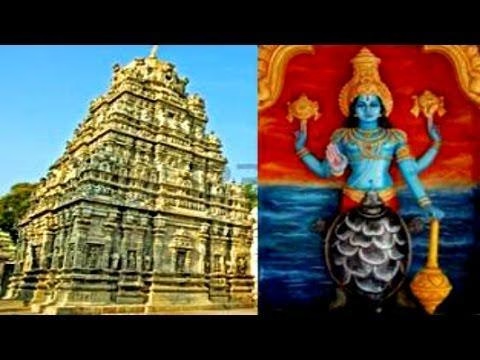
Located in the serene village of Srikurmam, Gara Mandal, the temple is dedicated to Lord Kurmanathaswamy, the tortoise incarnation (Avatar) of Lord Vishnu. While Vishnu is broadly worshipped across India, this is the only temple in India where the Kurma Avatar is enshrined as the primary deity. The consort here is revered as Goddess Kurmanayaki (an form of Lakshmi).
Phalaśruti: The Fruits of Visiting
Devotees undertake this pilgrimage for profound spiritual cleansing. According to local tradition, a darshan of Lord Kurmanathaswamy brings:
- Ancestral Karmic Relief: It is widely believed that performing rituals here liberates ancestors (Pitrus) from cycles of rebirth. The temple is a powerful center for Pinda Pradana (ancestral offerings).
- Removal of Doshas: Particularly those related to Rahu-Ketu and planetary afflictions.
- Longevity and Stability: As the Kurma Avatar supported the churning of the ocean (Samudra Manthan), devotees believe worshipping him provides a stable foundation for life and longevity.
2. Historical Origins & Scriptural Legend
The history of Srikurmam is a fascinating narrative of religious transition and ancient continuity.
The Legend of Swetha Chakravarthi
According to the Sthala Purana, a local king named Swetha Chakravarthi performed severe penance to Lord Brahma, seeking a vision of Lord Vishnu. Pleased by his devotion, Lord Brahma instructed him to install a Gopala Yantra on a tortoise-shaped hillock. It is believed that the presiding deity manifested here in the form of a tortoise idol upon the king’s wishes.
Scriptural References & Evolution
While the original structure dates back significantly, historical records suggest the temple was initially dedicated to Lord Shiva and known as Kurmeswara. The pivotal moment in the temple’s history occurred in the 11th Century AD.
- The Vaishnavite Transition: The great philosopher-saint Sri Ramanujacharya visited Srikurmam and converted the temple into a Vaishnavite site. He installed the Gopala Yantra which remains the core energy center of the shrine.
- Royal Patronage: The Eastern Ganga dynasty, specifically King Anantavarman Chodaganga, supported this transition, helping establish the strong Vaishnavite traditions seen today.
Notably, the temple is managed by the Gajapathi Rajus of Vizianagaram, maintaining a lineage of trustee-ship that preserves the temple’s sanctity.
3. Architectural Marvels
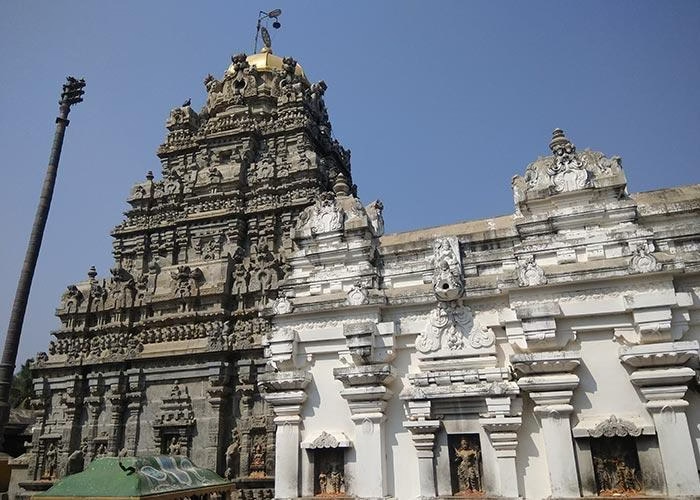
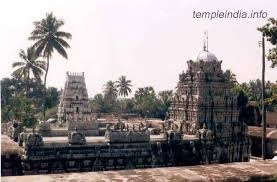
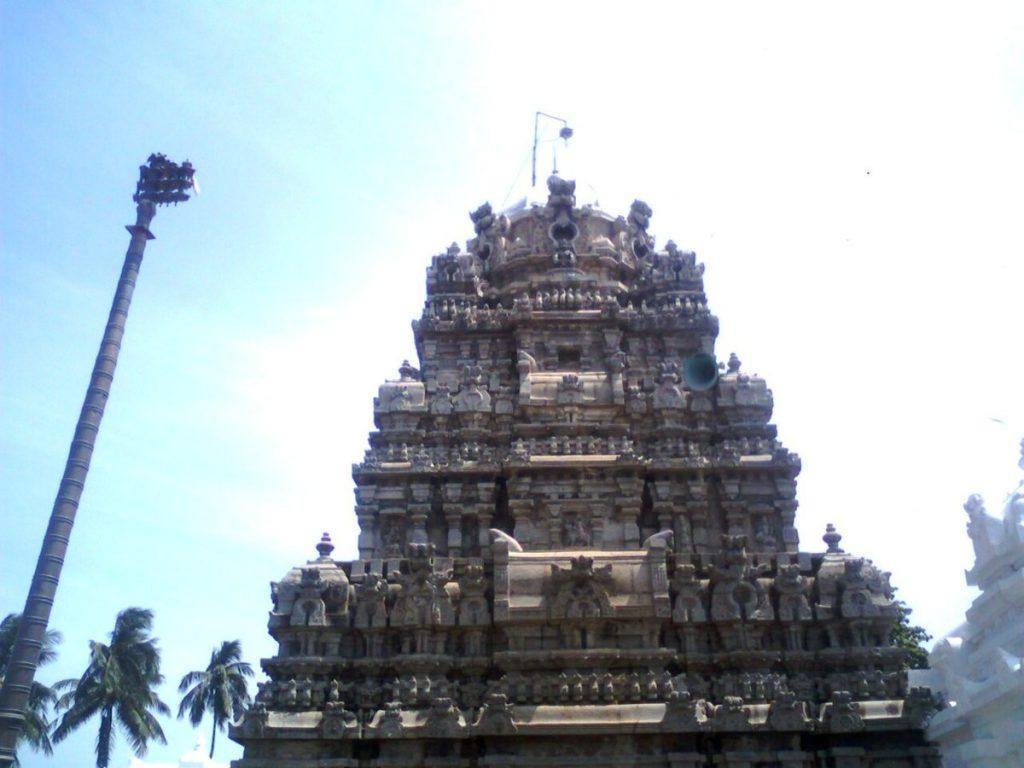
The architecture of Kurmanathaswamy Temple is a sublime blend of Dravidian and distinct Eastern Ganga styles.
Structural Highlights
- Two Dhvajasthambas: A rare feature for a Vaishnavite temple, the presence of two flagstaffs indicates the temple’s dual heritage (originally Shaivite).
- 108 Single-Stone Pillars: The Mandapa (hall) features 108 pillars carved from single stones. Each pillar is unique in design and craftsmanship, displaying intricate scrollwork and mythological motifs.
- Eastern Gateway: The temple faces east, allowing the rising sun to illuminate the sanctum.
The Tortoise Park (Conservation Heritage)
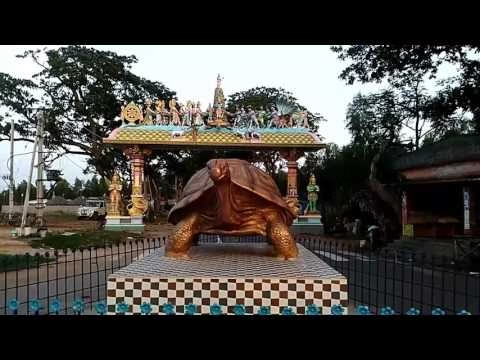
As an architect dedicated to sustainable heritage, I highlight the Tortoise Conservation Park located within the temple complex. This is not merely a zoo but a sacred grove protecting the Star Tortoise species. The temple and the ecosystem are deeply intertwined, symbolizing Lord Kurma himself.
4. Darshan & Ritual Logistics (2026 Update)
To facilitate a smooth pilgrimage, the temple administration follows a strict schedule. Please note the following timings for your visit in 2026.
Daily Timings
| Session | Time | Activity |
|---|---|---|
| Morning | 6:00 AM – 12:30 PM | Opening, Suprabhatam, Abhishekam |
| Afternoon | 12:30 PM – 3:00 PM | Rajabhogam (Rest) |
| Evening | 3:00 PM – 8:00 PM | Darshan, Deepa Alankaram |
Key Sevas & Online Booking
Devotees can book specific Sevas (ritual services) online through the official Andhra Pradesh Endowments Department portal. Key Sevas include:
- Suprabhatam: Daily morning waking ritual of the deity.
- Abhishekam: Ritual bathing of the idol (performed on Ekadashi days).
- Archana: Chanting of names.
- Tulabhara: Offering items equal to the weight of the devotee.
2026 Festival Calendar
Mark these dates for the most vibrant darshan experience:
- Brahmotsavam (Vaishakha Maasam): April/May 2026. The annual chariot festival.
- Rathasapthami: February 2026. A major event dedicated to Surya (Sun) and Vishnu.
- Kurma Jayanti: May 2026. Celebrating the birth of the Kurma Avatar.
5. Practical Visitor Guidance
Ensure your visit is comfortable and respectful of the sacred space.
- Dress Code: Traditional Indian attire is recommended (Dhoti/Kurta for men; Saree/Salwar Kameez for women). Avoid shorts and sleeveless tops.
- Photography: Photography is restricted inside the inner sanctum (Garbhagriha). Permitted in the outer courtyards.
- Mobile Lockers: Shoe and luggage deposits are available at the entrance. Mobile phones should be switched to silent mode.
- Accessibility: The complex is flat but old. Elderly visitors can request a wheelchair from the information desk.
Crowd Management Tips
- Best Hours: Weekdays between 10:00 AM and 11:30 AM are ideal. Avoid weekends and full moon days (Pournami) if possible.
- Seasonal Advice: Summers (April-June) in Andhra Pradesh are harsh. Carry a water bottle, wear a hat, and utilize the free water dispensers provided by the temple trust.
6. Pilgrimage Connectivity
How to Reach
- Nearest Airport: Visakhapatnam International Airport (VTZ) – 140 km (approx. 3.5 hours drive).
- Nearest Railway: Srikakulam Road Station (CHE) – 18 km. Taxis and local buses are available.
- By Road: The temple is located on Srikurmam Road. It is 15 km from Srikakulam town. Buses frequently ply from Srikakulam Bus Stand.
Nearby Sacred Sites (The Circuit)
Extend your pilgrimage to these nearby spiritual power centers:
- Sri Suryanarayana Swamy Temple (Arasavalli): Located just 3.5 km away. One of the rare temples dedicated to the Sun God (Surya).
- Salihundam Buddhist Site: 15 km away. A significant archaeological site showcasing the history of Buddhism in Andhra Pradesh.
- Srikakulam Matham (Lord Venkateswara Swamy): 12 km away. A major hill temple overlooking the Nagavalli river.
Photo Gallery
Frequently Asked Questions (FAQ)
Yes, the temple offers a special darshan ticket (paid entry) for devotees wishing to avoid the general queue. This can be purchased at the counter or booked online.
The 108 pillars are not just architectural supports; they represent the number of Vedic mantras and the cosmic cycles. They are carved from single stones, showcasing the skill of ancient artisans.
Yes, Kurmanathaswamy temple is specifically renowned for Shradh ceremonies. It is believed that offering prayers here helps ancestors attain Moksha (liberation).
While the temple does not have a guesthouse, the tourism department has guesthouses in Srikakulam town (15 km). There are also private lodges near the Srikakulam Road Railway Station.
Following traditional scriptural rules, the inner sanctum remains closed during solar and lunar eclipses for purification rituals. The outer gates may remain open.
Official Contact Details
Executive Officer
Sri Kurmanathaswamy Temple, Srikurmam
Gara Mandal, Srikakulam District
Andhra Pradesh – 532404
Phone: 08942283555
Recent Posts

Shri Kaamkoteeshwar Mandir, Varanasi – History & Significance
In the heart of Kashi, the eternal city of Lord Shiva, where the Ganges flows with celestial grace, stands the Shri Kaamkoteeshwar Mandir. This sacred Sannidhi is not merely a temple but a profound spiritual bridge between the Northern…

ओ सांवरे तूने ही मुझको संभाला – Lyrics & Meaning
ओ सांवरे तूने ही मुझको संभाला – A Prayer to Shyam Origin & Spiritual Essence Why This Bhajan Resonates Devotees chant this when overwhelmed by life’s storms—the refrain ‘तूने ही मुझको संभाला’ is the soul’s sigh of relief: “You…

कथा ये है महाराज मेरे की – Lyrics & Meaning
कथा ये है महाराज मेरे की छत्रपति संभाजी महाराज – A Prayer to Chhatrapati Sambhaji Maharaj Origin & Spiritual Essence Why This Bhajan Resonates Devotees chant this when their spirit feels tested—its powerful refrain “महाराज मेरे” is a soul’s…

Rigveda Samhita Yathartha Anuvada (ऋग्वेद संहिता यथार्थ अनुवाद) – Complete Set with Anvayartha & Hindi/English Translation
The Rigveda is the oldest surviving scripture of humanity and the foundational text of Sanātana Dharma. For serious students, scholars, UPSC aspirants studying ancient Indian history, Sanskrit learners, and spiritual seekers, a precise and grammatically structured translation is indispensable.…

आना भी अकेला है जाना भी अकेला है – Lyrics & Meaning | BharatTemples
आना भी अकेला है जाना भी अकेला है – A Prayer to the Divine Witness Origin & Spiritual Essence Why This Bhajan Resonates Devotees turn to this bhajan in moments of deep reflection—when life’s attachments begin to ache. The…

माता शेरावाली के द्वार जो भी जाता है – Lyrics & Meaning
माता शेरावाली के द्वार जो भी जाता है – A Prayer to Maa Sherawali Origin & Spiritual Essence Why This Bhajan Resonates Devotees turn to this bhajan in times of fear or uncertainty—its promise that no one leaves Maa’s…

मार लेना सपणी उबार लेणा भवरा – Lyrics & Meaning
मार लेना सपणी उबार लेणा भवरा – A Prayer to the Divine Beloved Origin & Spiritual Essence Why This Bhajan Resonates Devotees chant this in moments of deep vulnerability—its cry of “मार लेना सपणी, उबार लेणा भवरा” is the…

हमें श्याम सुंदर भरोसा तुम्हारा – Lyrics & Meaning
हमें श्याम सुंदर भरोसा तुम्हारा – A Prayer to Shyam Sundar Origin & Spiritual Essence Why This Bhajan Resonates Devotees chant this when feeling alone—its refrain ‘de do sahara’ is the soul’s cry for divine support. Lyrics in Hindi…

Mere Satguru Ne Di Thi Davai Lyrics in Hindi & Meaning
Mere Satguru Ne Di Thi Davai: Invoking the Guru’s Liberating Wisdom This soul-stirring bhajan venerates the Satguru (True Spiritual Master) as the divine physician who dispenses the only remedy for life’s deepest sufferings. Composed by Sant Karmaveer Tufani, it…

Janm Diyo Thari Maa Dukh Dekhiyo Lyrics in Hindi & Meaning
जन्म दियो थारी माँ दुख देखियो (Maa’s Grief Upon Birthing You) This soul-stirring Chetavani Bhajan (admonitory hymn) is addressed to the Divine Mother (Maa) – a call for repentance when children forget their filial duties in the dark age…