

Contents
- 1 Architecture
- 2 Legend / Local stories
- 3 Photo Gallery
- 4 How to Reach:
- 5 Contact Details
- 6 Introduction & Spiritual Essence
- 7 Historical Origins & Scriptural Legend
- 8 Architectural Marvels
- 9 Darshan & Ritual Logistics
- 10 Practical Visitor Guidance
- 11 Pilgrimage Connectivity
- 12 Frequently Asked Questions (FAQ)
| Date built: | 15th-16th century |
|---|---|
| Deity: | – |
| Architectural style: | Dravidian architecture |
| Major festivals | Bheeshma Ekadasi, Ratha Saptami, Kartika Pournami, Vaikunta Ekadasi |
| Locale: | – |
| District:: | East Godavri |
| Address: | Sakinetipalli Mandal, East Godavari District., Antervedi, Andhra Pradesh 533252 |
| Phone | 08862259313 |
Architecture
Legend / Local stories
Photo Gallery
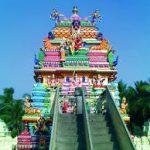
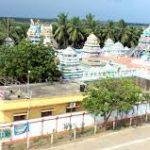
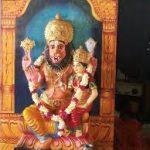
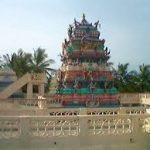
How to Reach:
There are three ways that one can travel to Antarvedi. Steam launches are available. Alternatively, one can ride on the ferry, upon reaching Sakhinetipalli and from there start for Antarvedi by road. The third option is to cross the Chinchinada using the newly built bridge, and travel the rest of the way by road.
Contact Details
Official Address
Introduction & Spiritual Essence
The Lakshmi Narasimha Temple in Antarvedi stands as a timeless beacon of devotion in the East Godavari district of Andhra Pradesh. Located at the sacred confluence (Sangam) where the Vashista Godavari tributary meets the Bay of Bengal, this temple offers a unique spiritual resonance. Known locally as the “Gaja-Vahana” Narasimha Swamy Temple, it is a premier pilgrimage destination for devotees seeking relief from suffering and the blessings of prosperity.
The Presiding Deity: Ugra and Lakshmi
The primary deity is Lakshmi Narasimha Swamy. Unlike many temples where Lord Narasimha is depicted solely in a fierce form, here he is worshipped in a composite form. He represents the Ugra Narasimha (the fierce protector) holding the demon Hiranyakashipu, yet is serene in the presence of Goddess Lakshmi, who stands by his side. This form signifies the balance of cosmic ferocity and benevolent grace.
Phalaśruti: The Benefits of Darshan
According to ancient Vedic scriptures and local tradition, visiting this temple carries profound benefits:
- Ancestral Liberation: Devotees believe that performing rituals here assists in liberating ancestors’ souls from the cycle of birth and death, specifically resolving “Pitra Dosha.”
- Mental Peace: The rhythmic sounds of the ocean waves combined with temple bells create a unique sonic frequency that alleviates anxiety and stress.
- Removal of Obstacles: Lord Narasimha is worshipped as the destroyer of internal demons (Kama, Krodha, Lobha). Offering prayers here is believed to clear financial and professional hurdles.
Historical Origins & Scriptural Legend
Scriptural Legend and Sthala Purana
The history of Antarvedi is deeply rooted in the Skanda Purana. Legend holds that the sage Vashista Muni performed intense penance at this location. Pleased by his devotion, Lord Narasimha manifested here to bless the sage and vanquish evil forces. The term “Antarvedi” itself translates to “island in the middle of the river,” emphasizing the geographical isolation that makes this spot ideal for meditation.
Builder and Renovation
The original temple structure was built during the 15th and 16th centuries, likely under the patronage of the local chieftains and the Vijayanagara Empire influence, which promoted Dravidian architecture throughout Andhra. The temple was later renovated by the Madhwa Swamijis (Hosanatha Swamiji) in the 16th century, who established the idol installation rituals still followed today. The inscriptions on the temple walls, though eroded by the coastal climate, point to the patronage of the Eastern Ganga dynasty and later the Qutb Shahis who respected the temple’s sanctity.
Architectural Marvels
Dravidian Style and Vastu
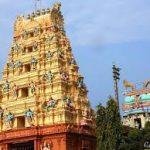
The temple is a masterpiece of Dravidian architecture. It is designed according to Vastu Shastra, facing the East to welcome the first rays of the sun. The complex consists of the Mukha Mandapa (front hall), Artha MandapaGarbhagriha (sanctum sanctorum).
The Shikhara and Sculptures
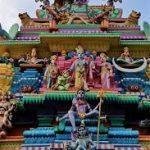
The Shikhara (tower) above the sanctum is ornate with intricate carvings of deities and floral motifs. The pillars in the Ranga Mandapa are monolithic columns featuring detailed sculptures of various avatars of Vishnu and scenes from the Ramayana and Mahabharata. The flooring of the temple, made of polished black stone, remains cool even during the hot Andhra summers.
Currently, the temple does not hold a UNESCO World Heritage status, but it is listed under the protection of the Andhra Pradesh Archaeology and Museums Department (ASI) as a protected monument of state heritage.
Darshan & Ritual Logistics
Daily Temple Timings (2026 Schedule)
The temple follows a strict schedule to allow for cleaning and rituals. Devotees are advised to check the official website for holiday closures, though the temple remains open for most festivals.
| Session | Timings | Description |
|---|---|---|
| Morning Darshan | 05:00 AM – 12:30 PM | Opens with Suprabhatam at 5:00 AM. Abhishekam takes place between 7:00 AM and 9:00 AM. |
| Afternoon Break | 12:30 PM – 3:00 PM | Temple is closed for re-installing the deity and rest. |
| Evening Darshan | 3:00 PM – 8:00 PM | Reopens. Sahasranama Archana and special sevas are conducted. |
| Closing Rites | 8:00 PM – 9:00 PM | Pavalahoma and Ekantha Seva. |
Key Sevas and Online Booking
Devotees can book specific rituals either at the temple counter or through the official Andhra Pradesh Endowments Department portal. Popular Sevas include:
- Abhishekam: Performed with water, milk, and sandalwood paste. Best time: 7:00 AM – 8:00 AM.
- Archana: Recitation of the 108 names of Narasimha. Can be performed individually or for the family.
- Kalyanam (Celestial Wedding): Performed on special Tuesdays and Thursdays.
2026 Festival Dates to Note:
- Vaikunta Ekadasi: January 11, 2026 (Passage to Vaikuntham opens).
- Ratha Saptami: February 4, 2026 (Procession of Lord on the Chariot).
- Narasimha Jayanti: May 13, 2026 (Birthday of Lord Narasimha).
- Kartika Pournami: November 5, 2026 (Full Moon of Kartika month).
Practical Visitor Guidance
Code of Conduct and Dress Code
As a protected heritage site, strict discipline is maintained. Traditional Indian attire is recommended for all visitors.
- Men: Dhoti or Pants with a formal shirt.
- Women: Saree, Salwar Kameez, or traditional skirts and blouses. Western casuals like shorts or t-shirts are discouraged.
Crowd Management and Best Time to Visit
Antarvedi sees heavy crowds during weekends and festivals. The sanctuary is humid due to the coastal climate.
- Best Hours: 5:30 AM (morning) or 4:00 PM (evening) to avoid peak crowds.
- Hydration: Carry water bottles. May and June temperatures can reach 40°C.
- Photography: Strictly prohibited inside the Sanctum Sanctorum. Camera phones must be switched off near the inner ring.
Pilgrimage Connectivity
How to Reach Antarvedi
Antarvedi is located about 30 km from the district headquarters of Amalapuram.
- By Road: From Amalapuram, take the road towards Kothapeta/Narsapur. NH-216 connects Kakinada to Ravulapalem. From there, local roads lead to Sakinetipalli and then to Antarvedi. State-run APSRTC buses run frequently from Amalapuram and Kothapeta.
- By Train: The nearest railway station is Kakinada Town (CCT) or Rajanagaram (RJY) (approx 70-80 km). From there, taxis are available.
- By River/Sea: Unique to this pilgrimage, steam launches and motorboats operate from Sakhinetipalli (the ghat near the Bay of Bengal connection). This boat ride offers a scenic view of the delta and the confluence.
Nearby Sacred Sites
Expand your pilgrimage by visiting these nearby spiritual spots:
- Chinna Avantika Temple: Located just a kilometer away on the banks of the Vashista Godavari.
- Sakhinetipalli Village: Famous for its temples and boat rides. The boat jetty here offers a view of the mangrove forests.
- Kakinada Beach (Uppada): About 50 km away, known for its serene beaches and Uppada sarees.
Frequently Asked Questions (FAQ)
Is there a VIP darshan entry at Lakshmi Narasimha Temple?
Yes, the temple administration offers a special entry darshan ticket for ₹50 (subject to change by 2026). This allows devotees to skip the general queue and have a closer view of the deity, though the waiting time remains significant during peak seasons.
Can I book online seva for my family from outside India?
Yes. The Andhra Pradesh Endowments Department portal allows international devotees to book archana and abhishekam. However, for physical rituals like kalyanam, a local representative or physical presence is usually required.
Is there parking available near the temple?
Yes, a designated parking lot exists for cars and buses near the entrance of the Sakinetipalli road. However, during Ratha Saptami and Ekadasi, parking fills up by 6:00 AM. Auto-rickshaws are the best mode of transport from the boat jetty to the temple.
What are the safety precautions for the boat ride?
While the boat ride is generally safe, it is advisable to travel during daylight hours. Life jackets are mandatory on all government-operated ferries. During the monsoon (October-December), boat services may be suspended due to high tides.
Are there accommodation facilities available?
There are limited guest houses and private lodges in Sakinetipalli and Amalapuram. For better amenities, staying in Amalapuram (40 mins drive) is recommended. The temple trust does not run a large guest house but offers basic resting areas for pilgrims during the day.
Recent Posts

Shri Kaamkoteeshwar Mandir, Varanasi – History & Significance
In the heart of Kashi, the eternal city of Lord Shiva, where the Ganges flows with celestial grace, stands the Shri Kaamkoteeshwar Mandir. This sacred Sannidhi is not merely a temple but a profound spiritual bridge between the Northern…

ओ सांवरे तूने ही मुझको संभाला – Lyrics & Meaning
ओ सांवरे तूने ही मुझको संभाला – A Prayer to Shyam Origin & Spiritual Essence Why This Bhajan Resonates Devotees chant this when overwhelmed by life’s storms—the refrain ‘तूने ही मुझको संभाला’ is the soul’s sigh of relief: “You…

कथा ये है महाराज मेरे की – Lyrics & Meaning
कथा ये है महाराज मेरे की छत्रपति संभाजी महाराज – A Prayer to Chhatrapati Sambhaji Maharaj Origin & Spiritual Essence Why This Bhajan Resonates Devotees chant this when their spirit feels tested—its powerful refrain “महाराज मेरे” is a soul’s…

Rigveda Samhita Yathartha Anuvada (ऋग्वेद संहिता यथार्थ अनुवाद) – Complete Set with Anvayartha & Hindi/English Translation
The Rigveda is the oldest surviving scripture of humanity and the foundational text of Sanātana Dharma. For serious students, scholars, UPSC aspirants studying ancient Indian history, Sanskrit learners, and spiritual seekers, a precise and grammatically structured translation is indispensable.…

आना भी अकेला है जाना भी अकेला है – Lyrics & Meaning | BharatTemples
आना भी अकेला है जाना भी अकेला है – A Prayer to the Divine Witness Origin & Spiritual Essence Why This Bhajan Resonates Devotees turn to this bhajan in moments of deep reflection—when life’s attachments begin to ache. The…

माता शेरावाली के द्वार जो भी जाता है – Lyrics & Meaning
माता शेरावाली के द्वार जो भी जाता है – A Prayer to Maa Sherawali Origin & Spiritual Essence Why This Bhajan Resonates Devotees turn to this bhajan in times of fear or uncertainty—its promise that no one leaves Maa’s…

मार लेना सपणी उबार लेणा भवरा – Lyrics & Meaning
मार लेना सपणी उबार लेणा भवरा – A Prayer to the Divine Beloved Origin & Spiritual Essence Why This Bhajan Resonates Devotees chant this in moments of deep vulnerability—its cry of “मार लेना सपणी, उबार लेणा भवरा” is the…

हमें श्याम सुंदर भरोसा तुम्हारा – Lyrics & Meaning
हमें श्याम सुंदर भरोसा तुम्हारा – A Prayer to Shyam Sundar Origin & Spiritual Essence Why This Bhajan Resonates Devotees chant this when feeling alone—its refrain ‘de do sahara’ is the soul’s cry for divine support. Lyrics in Hindi…

Mere Satguru Ne Di Thi Davai Lyrics in Hindi & Meaning
Mere Satguru Ne Di Thi Davai: Invoking the Guru’s Liberating Wisdom This soul-stirring bhajan venerates the Satguru (True Spiritual Master) as the divine physician who dispenses the only remedy for life’s deepest sufferings. Composed by Sant Karmaveer Tufani, it…

Janm Diyo Thari Maa Dukh Dekhiyo Lyrics in Hindi & Meaning
जन्म दियो थारी माँ दुख देखियो (Maa’s Grief Upon Birthing You) This soul-stirring Chetavani Bhajan (admonitory hymn) is addressed to the Divine Mother (Maa) – a call for repentance when children forget their filial duties in the dark age…