

Contents
Introduction & Spiritual Essence
The Lakshmi Narasimhaswamy Temple, situated in the tranquil village of Sevilimedu (just 2 km from the historic town of Kanchipuram), is a profound spiritual sanctuary dedicated to Lord Vishnu in his fierce yet compassionate avatar as Narasimha (the Lion-Man). Here, the formidable deity is pacified by Goddess Lakshmi, seated peacefully on his lap as Lakshmi Narasimhaswamy. This form represents the union of the power to destroy evil and the grace to grant prosperity.
Phalaśruti: The Spiritual Benefits
Devotees flock to this temple seeking protection from malefic planetary influences (specifically Rahu and Ketu) and liberation from ancestral karma. Rituals performed here are believed to dissolve the “Rahu-Ketu Dosha” and shield devotees from negative energies. The temple is particularly powerful for those facing legal disputes or unfounded accusations, as the Moolavar (main deity) is revered as a dispenser of swift justice.
Historical Origins & Scriptural Legend
According to temple records and epigraphic evidence, the origins of the Lakshmi Narasimhaswamy Temple trace back over 1,200 years to the Pallava Dynasty. Raja Parameswara Pallava is credited with performing the Samprokshanam (consecration ritual), establishing the temple’s ancient roots.
The Great Migration of Varadaraja Perumal: A unique historical chapter of this temple involves the Kanchi Varadaraja Perumal. During the Mughal invasions, when the main Varadaraja Temple was under threat, the holy idols were secretly transported to Sevilimedu via underground tunnels to preserve them. It is believed these tunnels are still visible today. Consequently, the Utsavamurthis (processional deities) of Varadaraja Perumal resided here for a year, imparting the temple a secondary association with the *Divya Desam* sanctity.
Architectural Marvels
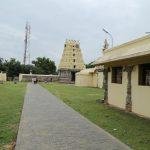
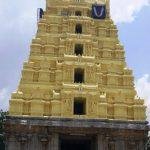
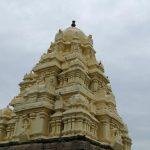
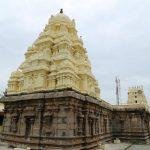
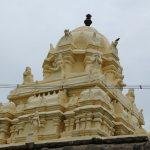
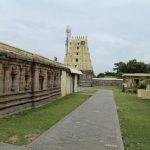
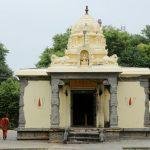
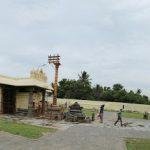
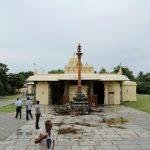
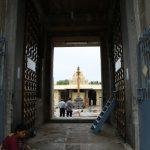
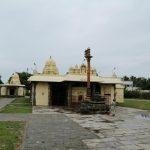
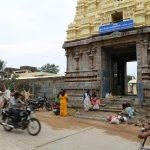
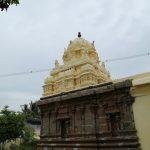
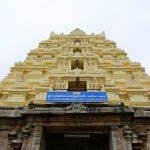
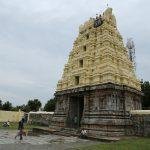
The temple showcases the quintessential Dravidian style of architecture, characterized by towering gateways and intricate stonework. The main Rajagopuram (entrance tower) stands majestically at 65 feet, serving as a beacon for pilgrims.
Within the complex, the Moolavar (main deity) of Narasimhar is a striking 7-foot height and 5-foot breadth, while the Uthsavar is known as Soundarya Varadhar. The sanctum faces east, with the deity seated in a posture of grace, holding the conch and discus while his left hand encircles Goddess Lakshmi.
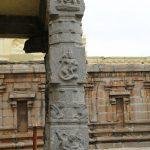
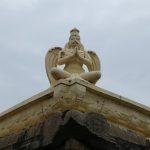
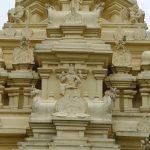
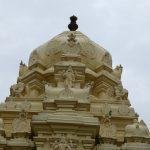
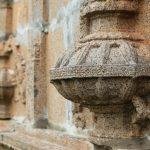
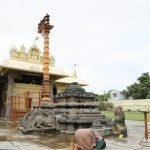
The Mandapas (pillared halls) are architectural highlights, dating back to the Vijayanagara era (15th–16th century). These halls are studded with sculptures depicting various avatars of Vishnu and mythological guardians. Notably, the temple complex houses a separate shrine for Soundaravalli Thayar (the consort), Anjaneya Swamy, and Garuda. While the temple has undergone renovations (notably the Rajagopuram Samprokshanam in 2008 and Maha Samprokshanam in 2011), the vestiges of ancient Pallava and Vijayanagara artistry remain preserved.
Darshan & Ritual Logistics
The temple follows the codes of the Vaikhanasa Agama. For the convenience of devotees, the daily schedule is divided into Morning and Evening sessions.
Daily Timings (2026 Schedule)
| Session | Timings |
|---|---|
| Morning Darshan | 6:00 AM – 12:00 PM |
| Afternoon Closure | 12:00 PM – 4:00 PM |
| Evening Darshan | 4:00 PM – 8:00 PM |
Sevas & Online Booking
Devotees can perform various sevas to seek the blessings of Soundarya Varadhar:
- Abhishekam: Performed daily during early morning hours. Special ingredients include milk, honey, and turmeric.
- Archana: Can be performed for personal well-being or family prosperity.
- Thirumanjanam: Specifically conducted on every Swati Nakshatram (star).
Note: While physical bookings are accepted at the temple counter, the Tamil Nadu HR&CE department is increasingly digitizing services. For 2026, devotees are advised to check the official ttd.tnhrce.org portal for online seva availability.
2026 Major Festival Dates
- Narasimha Jayanthi: Expected May 2026 (Based on the Sravana Nakshatram in Vaishakha month).
- Brahmotsavam: Check local panchangam for specific dates, typically spanning 10 days in the Tamil month of Panguni (March-April).
- Chitra Pournami: April/May 2026. This is a unique event where Sri Varadaraja Perumal from Kanchipuram visits this temple.
Practical Visitor Guidance
Dress Code & Etiquette
As with all Vishnu temples in Tamil Nadu, modest attire is mandatory. Men should wear dhotis or trousers with shirts (no vests). Women should wear sarees, salwar kameez, or full-length skirts. Shorts and sleeveless tops are not permitted.
Photography & Lockers
Photography is strictly prohibited inside the inner sanctum (Garbhagriha). Mobile phones are allowed, but usage is discouraged during active Darshan. Free cloakrooms are available near the entrance to store luggage and footwear.
Crowd Management
- Best Time to Visit: Weekday mornings (6:00 AM – 7:30 AM) see the least crowds.
- Seasonal Advice: Kanchipuram summers (May) are scorching. Carry a water bottle and an umbrella. The temple pond offers a cool respite, but check water levels before visiting.
Pilgrimage Connectivity
How to Reach
- By Air: The nearest airport is Chennai International Airport (MAA), approximately 70 km away.
- By Rail: The nearest railway junction is Kanchipuram Railway Station (3 km). Alternatively, Chengalpattu Junction (35 km) offers more frequent trains.
- By Road: Sevilimedu is accessible via the Chennai – Bangalore Highway (NH 48). From Kanchipuram town, take the road toward Ayyangarkulam. Local buses and auto-rickshaws are readily available.
Nearby Sacred Sites
Enhance your pilgrimage circuit by visiting these locations within a 10 km radius:
- Varadaraja Perumal Temple (Kanchipuram): The source deity of the Sevilimedu sanctuary.
- Ayyangarkulam Sri Anjaneya Temple: A historic village temple dedicated to Hanuman, located 4 km away.
- Ekambareswarar Temple: One of the Pancha Bhoota Stalas (Shiva) in Kanchipuram.
Photo Gallery

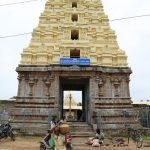
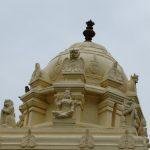
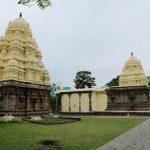
Frequently Asked Questions (FAQ)
1. Is there a VIP or Special Entry Darshan available?
While the temple does not have a formal online VIP portal like Tirupati, devotees can often request priority darshan by contacting the temple executive officer directly or by contributing to the temple funds (Hundi donation) at the office. This is subject to the priest’s availability and ongoing rituals.
2. What is the significance of the Nadavavi Kinaru?
The Nadavavi Kinaru is a historic well located about 6 km from Sevilimedu. It is a structural marvel from the Pallava period featuring a mandapam beneath the water level. During Chitra Pournami, the water is drained, allowing devotees to descend and view the underground hall. It is believed that Lord Narasimha gives darshan here in a divine vision on this night.
3. Can I perform rituals for my ancestors?
Yes, this is a powerful temple for Tharpanam and resolving ancestral issues. The presiding deity, Narasimha, is believed to cleanse deep-rooted karmic blockages passed down through generations.
4. Are there accommodation facilities nearby?
Sevilimedu is a small village, so there are no major hotels immediately adjacent. However, Kanchipuram town (2 km away) offers numerous budget lodges, choultry accommodation, and heritage hotels managed by Tamil Nadu Tourism.
5. Why is the temple associated with Varadaraja Perumal?
Historically, when invaders threatened the main Varadaraja Temple, the idols were moved to this safe haven. This temporary relocation has endowed the temple with a unique sanctity, making it an integral part of the Kanchipuram pilgrimage circuit.
Contact Details
Official Address: Lakshmi Narasimhaswamy Temple, Sevilimedu, Kanchipuram, Tamil Nadu 631502.
Recent Posts

ओ सांवरे तूने ही मुझको संभाला – Lyrics & Meaning
ओ सांवरे तूने ही मुझको संभाला – A Prayer to Shyam Origin & Spiritual Essence Why This Bhajan Resonates Devotees chant this when overwhelmed by life’s storms—the refrain ‘तूने ही मुझको संभाला’ is the soul’s sigh of relief: “You…

कथा ये है महाराज मेरे की – Lyrics & Meaning
कथा ये है महाराज मेरे की छत्रपति संभाजी महाराज – A Prayer to Chhatrapati Sambhaji Maharaj Origin & Spiritual Essence Why This Bhajan Resonates Devotees chant this when their spirit feels tested—its powerful refrain “महाराज मेरे” is a soul’s…

Rigveda Samhita Yathartha Anuvada (ऋग्वेद संहिता यथार्थ अनुवाद) – Complete Set with Anvayartha & Hindi/English Translation
The Rigveda is the oldest surviving scripture of humanity and the foundational text of Sanātana Dharma. For serious students, scholars, UPSC aspirants studying ancient Indian history, Sanskrit learners, and spiritual seekers, a precise and grammatically structured translation is indispensable.…

आना भी अकेला है जाना भी अकेला है – Lyrics & Meaning | BharatTemples
आना भी अकेला है जाना भी अकेला है – A Prayer to the Divine Witness Origin & Spiritual Essence Why This Bhajan Resonates Devotees turn to this bhajan in moments of deep reflection—when life’s attachments begin to ache. The…

माता शेरावाली के द्वार जो भी जाता है – Lyrics & Meaning
माता शेरावाली के द्वार जो भी जाता है – A Prayer to Maa Sherawali Origin & Spiritual Essence Why This Bhajan Resonates Devotees turn to this bhajan in times of fear or uncertainty—its promise that no one leaves Maa’s…

मार लेना सपणी उबार लेणा भवरा – Lyrics & Meaning
मार लेना सपणी उबार लेणा भवरा – A Prayer to the Divine Beloved Origin & Spiritual Essence Why This Bhajan Resonates Devotees chant this in moments of deep vulnerability—its cry of “मार लेना सपणी, उबार लेणा भवरा” is the…

हमें श्याम सुंदर भरोसा तुम्हारा – Lyrics & Meaning
हमें श्याम सुंदर भरोसा तुम्हारा – A Prayer to Shyam Sundar Origin & Spiritual Essence Why This Bhajan Resonates Devotees chant this when feeling alone—its refrain ‘de do sahara’ is the soul’s cry for divine support. Lyrics in Hindi…

Mere Satguru Ne Di Thi Davai Lyrics in Hindi & Meaning
Mere Satguru Ne Di Thi Davai: Invoking the Guru’s Liberating Wisdom This soul-stirring bhajan venerates the Satguru (True Spiritual Master) as the divine physician who dispenses the only remedy for life’s deepest sufferings. Composed by Sant Karmaveer Tufani, it…

Janm Diyo Thari Maa Dukh Dekhiyo Lyrics in Hindi & Meaning
जन्म दियो थारी माँ दुख देखियो (Maa’s Grief Upon Birthing You) This soul-stirring Chetavani Bhajan (admonitory hymn) is addressed to the Divine Mother (Maa) – a call for repentance when children forget their filial duties in the dark age…

Bhadi Sabha Mein Thane Manaun Lyrics in Hindi & Meaning
Bhadi Sabha Mein Thane Manaun: Invoking the Spear-Wielding Mother Mata Bhawani (श्री ज्वाला भवानी), the fiery manifestation of Shakti worshipped as the Protector of Dharma in Her Dhaulagarh sanctum. Origin & Spiritual Essence Composed in Rajasthani folk tradition by…