
Contents
- 1 Maa Mangala Temple Kakatpur: A Definitive Pilgrimage Guide (2026)
- 1.1 Introduction & Spiritual Essence
- 1.2 Historical Origins & Scriptural Legend
- 1.3 Architectural Marvels
- 1.4 Darshan & Ritual Logistics (2026 Guide)
- 1.5 Practical Visitor Guidance
- 1.6 Pilgrimage Connectivity
- 1.7 Frequently Asked Questions (FAQ)
- 1.7.1 1. What is the historical significance of Maa Mangala Temple?
- 1.7.2 2. Is there a VIP Darshan entry available?
- 1.7.3 3. How do I perform online Seva booking?
- 1.7.4 4. Are there accommodation facilities near the temple?
- 1.7.5 5. What is the best time to visit Kakatpur?
- 1.7.6 6. Is non-vegetarian food allowed?
Maa Mangala Temple Kakatpur: A Definitive Pilgrimage Guide (2026)
By Lead Heritage Architect, bharattemples.com
Welcome to the sacred banks of the Prachi River. Nestled in the serene landscapes of Kakatpur, Odisha, the Maa Mangala Temple stands as a timeless beacon of the Shakti cult. This guide is engineered for the modern pilgrim, blending ancient scriptural lore with the logistical precision required for a seamless spiritual journey in 2026.
Introduction & Spiritual Essence
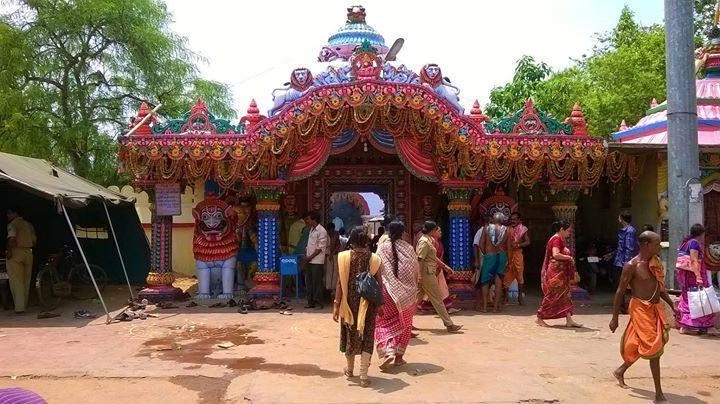
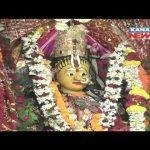
The Deity: The presiding deity is Maa Mangala, a potent manifestation of Shakti (Divine Feminine Energy). She is worshipped here in a unique Utkaliya Vimana style, representing the synthesis of Buddhist Tara and Hindu Durga traditions. The murti is carved in typical Odiya style with distinct Khilana and Prava carvings, seated in a serene posture.
Phalaśruti (Spiritual Benefits):
Devotees flock to this temple for Moksha (liberation) and Santati (progeny). According to temple records and local oral tradition, worshipping Maa Mangala bestows:
- Removal of Doshas: Cleansing of ancestral karma and planetary afflictions.
- Success in Enterprise: Blessings for new ventures and educational pursuits.
- Health & Harmony: The goddess embodies peace (Shanti) and well-being.
Historical Origins & Scriptural Legend
Timeline & Construction:
The temple traces its roots to the 15th century (circa 1548 AD). Historical accounts attribute the initial construction to Panchanan Mitra (Roychudamoni), a local Jamindar. The structure has been renovated over centuries while retaining its ancient granite foundations and sanctum architecture.
The Sthala Purana (Local Legend):
Tradition holds that Maa Mangala originally resided in the depths of the River Prachi (historically known as the Swaraswati River). A boatman, struggling against a flood, received a divine dream instructing him to retrieve the deity from the riverbed and install her in Mangalapur.
Upon recovering the idol, the boatman witnessed a black crow diving into the river at the exact spot and not returning for days. In Odiya, Kaka (crow) and Atka (detained/immersed) combined to form Kakatpur. Thus, the village and the temple derived their names from this divine omen.
Architectural Marvels
The temple is a classic example of Kalinga Architecture, specifically the Rekha Deul style dominant in Odisha. Key features include:
- The Sanctum (Garbhagriha): Housing the ancient stone murti of Maa Mangala, adorned with traditional gold and cloth ornaments.
- Bed of Stone: A notable artifact within the temple is a solid stone bed. Legend says Maa Mangala rests here after her nightly cosmic tours. The wear and tear on the stone suggest centuries of use.
- Vastu Orientation: The temple faces East, capturing the first rays of the sun, consistent with Vastu Shastra principles for energy alignment.
- Riverfront Setting: Situated on the eastern bank of the Prachi River, the temple complex offers a panoramic view of the river’s flow, enhancing the meditative atmosphere.
Darshan & Ritual Logistics (2026 Guide)
Planning your visit requires attention to the specific schedules and rituals dedicated to the Goddess.
Daily Darshan Timings
| Session | Timing | Activity |
|---|---|---|
| Morning | 06:00 AM – 12:00 PM | Mangala Alati, Abhishekam, Morning Puja |
| Midday Break | 12:00 PM – 04:00 PM | Sanctum Cleaning (Dwarabeda) |
| Evening | 04:00 PM – 09:00 PM | Sandhya Alati, Badasinghar Besha, Aarti |
Key Sevas & Online Booking
While many rituals are performed directly at the temple, online bookings for specific pujas are facilitated through the Shree Jagannatha Temple Administration (SJTA) portal or state-associated platforms.
- Abhishekam: Ritual bathing of the deity (usually morning).
- Chandana Yatra: Smearing the deity with sandalwood paste (popular during summer).
- Archana: Offering flowers and mantras (can be done individually).
Major Festivals in 2026
The temple calendar is vibrant with celebrations:
- Jhamu Yatra: (April 2026) Unique ritual where devotees walk on fresh tamarind spread, walking through water, symbolizing purification.
- Basanti Durga Puja: (March/April) Spring festival dedicated to Goddess Durga.
- Debasnana Purnima: (June 10, 2026) Holy bathing festival (Snana Yatra), where the deity is bathed with 108 pots of water.
- Saradiya Durga Puja: (October) Autumnal worship coinciding with Navaratri.
Practical Visitor Guidance
To ensure a respectful and comfortable visit, adhere to the following guidelines:
Code of Conduct
- Dress Code: Traditional attire is mandatory. Men: Dhoti or Kurta-Pajama. Women: Saree, Salwar Kameez, or traditional Odiya dress.
- Electronics: Mobile phones are strictly prohibited inside the inner sanctum (Garbhagriha). Free lockers are available near the entrance.
- Photography: Permitted in the outer courtyards but restricted inside the sanctum. Drones are banned without prior government permission.
Crowd Management & Seasonal Advice
- Best Hours: Early morning (6:00 AM – 8:00 AM) or late evening (7:00 PM – 8:00 PM) to avoid crowds.
- Accessibility: The temple premises have stone steps. A ramp is available near the eastern entrance for wheelchair access, though the inner sanctum requires climbing.
- Summer (April-June): Odisha is hot and humid. Carry a reusable water bottle, wear cotton clothing, and use sun protection. The temple provides free water stations.
- Monsoon (July-September): The Prachi River may swell. Check local weather advisories before travel.
Pilgrimage Connectivity
How to Reach Maa Mangala Temple
The temple is strategically located in the Puri district, well-connected by road, rail, and air.
- By Air: The nearest airport is Biju Patnaik International Airport, Bhubaneswar (approx. 60 km).
- By Rail: The nearest major railway station is Bhubaneswar. Puri Railway Station is also a viable hub (approx. 55 km).
- By Road: Kakatpur lies on the Kakatpur-Konark Road. It connects to NH 16 (formerly NH 5).
- From Bhubaneswar: ~60 km (1.5 hours)
- From Puri: ~55 km (1.5 hours)
- From Cuttack: ~69 km (2 hours)
- From Paradeep: ~83 km
Nearby Sacred Sites (Pilgrimage Circuit)
Extend your spiritual journey by visiting these nearby landmarks:
- Baladevjew Temple, Kendrapara: Dedicated to Lord Balabhadra, a major deity in Odisha, located about 25 km from Kakatpur.
- Chandbali (Bhitarkanika): A gateway to the mangrove forests and the Dakshin Kashi Temple, roughly 40 km away.
- Lord Jagannath Temple, Puri: The ultimate destination for Vishnu devotees, 55 km south.

Frequently Asked Questions (FAQ)
1. What is the historical significance of Maa Mangala Temple?
Established in the 15th century (circa 1548 AD), the temple is a historic center of the Shakti cult in Odisha. It reflects the transition from Buddhist Tara worship to Hindu Shakta traditions, preserving the unique Kalinga architectural style.
2. Is there a VIP Darshan entry available?
The temple management maintains equality for all devotees. However, for elderly pilgrims or those with medical conditions, assistance is provided by temple volunteers (Sebayats) to bypass long queues. Advance booking is not required for general darshan.
3. How do I perform online Seva booking?
Currently, specific seva bookings are managed through the Shree Jagannatha Temple Administration (SJTA) portal or the official Odisha government temple database. Users should search for “Maa Mangala Kakatpur Seva” on the Odisha government tourism portal for 2026 updates.
4. Are there accommodation facilities near the temple?
Yes, the Porche Sebayat house and nearby guest houses in Kakatpur offer basic accommodation. For luxury stays, Puri (55 km) and Bhubaneswar (60 km) offer extensive hotel options.
5. What is the best time to visit Kakatpur?
The ideal time is from October to March when the weather is pleasant. Visiting during festivals like Jhamu Yatra or Debasnana Purnima offers a unique cultural experience, though crowds are significantly higher.
6. Is non-vegetarian food allowed?
No, the temple and its immediate vicinity are strictly vegetarian zones. Alcohol and non-vegetarian food are prohibited within the temple premises and nearby markets.
Recent Posts

ओ सांवरे तूने ही मुझको संभाला – Lyrics & Meaning
ओ सांवरे तूने ही मुझको संभाला – A Prayer to Shyam Origin & Spiritual Essence Why This Bhajan Resonates Devotees chant this when overwhelmed by life’s storms—the refrain ‘तूने ही मुझको संभाला’ is the soul’s sigh of relief: “You…

कथा ये है महाराज मेरे की – Lyrics & Meaning
कथा ये है महाराज मेरे की छत्रपति संभाजी महाराज – A Prayer to Chhatrapati Sambhaji Maharaj Origin & Spiritual Essence Why This Bhajan Resonates Devotees chant this when their spirit feels tested—its powerful refrain “महाराज मेरे” is a soul’s…

Rigveda Samhita Yathartha Anuvada (ऋग्वेद संहिता यथार्थ अनुवाद) – Complete Set with Anvayartha & Hindi/English Translation
The Rigveda is the oldest surviving scripture of humanity and the foundational text of Sanātana Dharma. For serious students, scholars, UPSC aspirants studying ancient Indian history, Sanskrit learners, and spiritual seekers, a precise and grammatically structured translation is indispensable.…

आना भी अकेला है जाना भी अकेला है – Lyrics & Meaning | BharatTemples
आना भी अकेला है जाना भी अकेला है – A Prayer to the Divine Witness Origin & Spiritual Essence Why This Bhajan Resonates Devotees turn to this bhajan in moments of deep reflection—when life’s attachments begin to ache. The…

माता शेरावाली के द्वार जो भी जाता है – Lyrics & Meaning
माता शेरावाली के द्वार जो भी जाता है – A Prayer to Maa Sherawali Origin & Spiritual Essence Why This Bhajan Resonates Devotees turn to this bhajan in times of fear or uncertainty—its promise that no one leaves Maa’s…

मार लेना सपणी उबार लेणा भवरा – Lyrics & Meaning
मार लेना सपणी उबार लेणा भवरा – A Prayer to the Divine Beloved Origin & Spiritual Essence Why This Bhajan Resonates Devotees chant this in moments of deep vulnerability—its cry of “मार लेना सपणी, उबार लेणा भवरा” is the…

हमें श्याम सुंदर भरोसा तुम्हारा – Lyrics & Meaning
हमें श्याम सुंदर भरोसा तुम्हारा – A Prayer to Shyam Sundar Origin & Spiritual Essence Why This Bhajan Resonates Devotees chant this when feeling alone—its refrain ‘de do sahara’ is the soul’s cry for divine support. Lyrics in Hindi…

Mere Satguru Ne Di Thi Davai Lyrics in Hindi & Meaning
Mere Satguru Ne Di Thi Davai: Invoking the Guru’s Liberating Wisdom This soul-stirring bhajan venerates the Satguru (True Spiritual Master) as the divine physician who dispenses the only remedy for life’s deepest sufferings. Composed by Sant Karmaveer Tufani, it…

Janm Diyo Thari Maa Dukh Dekhiyo Lyrics in Hindi & Meaning
जन्म दियो थारी माँ दुख देखियो (Maa’s Grief Upon Birthing You) This soul-stirring Chetavani Bhajan (admonitory hymn) is addressed to the Divine Mother (Maa) – a call for repentance when children forget their filial duties in the dark age…
Bhadi Sabha Mein Thane Manaun Lyrics in Hindi & Meaning
Bhadi Sabha Mein Thane Manaun: Invoking the Spear-Wielding Mother Mata Bhawani (श्री ज्वाला भवानी), the fiery manifestation of Shakti worshipped as the Protector of Dharma in Her Dhaulagarh sanctum. Origin & Spiritual Essence Composed in Rajasthani folk tradition by…