
Contents
- 1 Madhava Perumal Temple, Mylapore: The Definitive Pilgrimage Guide
Madhava Perumal Temple, Mylapore: The Definitive Pilgrimage Guide
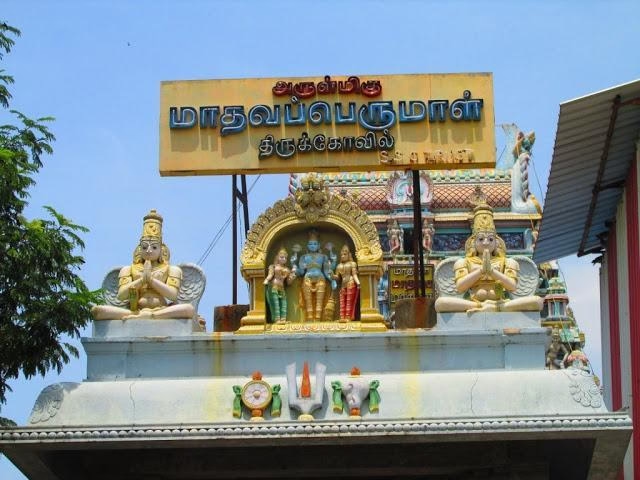
Namaskaram. Welcome to bharattemples.com, your spiritual compass. This comprehensive guide is dedicated to the ancient Madhava Perumal Temple located in the heart of Mylapore, Chennai. Revered as the birthplace of the saint Peyazhwar and the celestial site where Lord Vishnu wedded Amirthavalli Thaayar, this shrine holds a unique place in the Pan-Indian landscape of Vaishnavism.
Introduction & Spiritual Essence
The Madhava Perumal Temple (also known as Mylapore Perumal Kovil) is a Divya Desam—one of the 108 holy abodes of Lord Vishnu extolled by the Azhwars. While often associated with the broader divinity of the Mylapore region, the moolavar (primary deity) here is Madhava Perumal (a form of Lord Vishnu), and the consort is Amirthavalli Thaayar (Goddess Lakshmi).
Phalaśruti: Why Devotees Visit
Devotees flock to this temple not merely for sightseeing, but for profound spiritual benefits. According to the Mayurapuri Mahatmiyam, the temple is a powerful Prarthana Sthalam (place of prayer).
- Removal of Kali Dosham: It is believed to be the most effective place in this Kali Yuga to liberate oneself from negative afflictions.
- Marriage & Progeny: Worshipping Lord Madhava (Kalyana Perumal) here is believed to remove obstacles in marriage. Bathing in the Santhaana Pushkarini is specifically recommended for couples seeking progeny.
- Remedial for Ancestral Karma: Performing rites and taking a dip in the temple tank during auspicious periods is said to cleanse ancestral sins.
Historical Origins & Scriptural Legend
The history of the Madhava Perumal Temple is a blend of scriptural grandeur and local heritage.
Scriptural References
The temple finds mention in the Brahmanda Puranam within the Mayurapuri Mahatmiyam. Sage Veda Vyasa is said to have received a vision from Lord Vishnu indicating that this site, established by Sage Bhrigu, was the holiest place for penance.
The Sthala Purana (Local Legends)
Tradition holds that the temple is the birthplace of Peyazhwar, one of the first three Azhwar saints (6th–9th century AD). The legend states that Peyazhwar descended from Manikairavam, the 60-foot well located to the southeast of the temple (near Arundale Street), which still exists today.
The Wedding of Madhava: The temple derives its name from the event where Lord Vishnu (as Madhava) came from Vaikuntam to marry Amirthavalli (manifested as Milk Ocean churnings) in this sacred land. Thus, the locale is called Madhavapuram.
Architectural Marvels
Style & Vastu
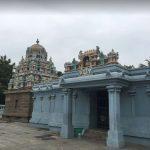
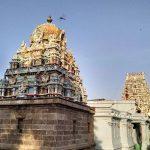
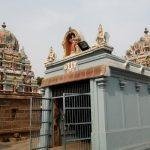
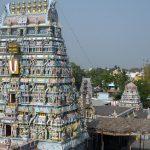
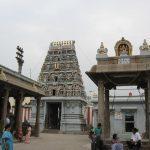
The temple showcases the quintessential Dravidian Architecture. The layout follows Vastu Shastra principles, facing East. The sanctum houses the Moolavar in a standing posture.
Key Features
- The Sanctum: Lord Madhava Perumal is depicted with Sankha (conch) and Chakra (discus). The Utsavar (procession deity) is Kalyana Perumal (the one who performed the wedding).
- Mandapas: The temple features a main Mandapa (hall) supported by stone pillars, often adorned with intricate carvings depicting scenes from the Puranas.
- The Sanctity of the Well: The Manikairavam well is a unique architectural element, set within a Subramanya mandapa style structure.
Note: This temple is not a listed UNESCO site, but it is a protected monument under the state archaeological department.
Darshan & Ritual Logistics
Plan your visit carefully. The temple follows a strict schedule of four daily pujas.
Daily Timings
| Session | Timing | Special Notes |
|---|---|---|
| Morning (Ushathkalam) | 7:00 AM – 11:30 AM | Includes Kalasanthi Pooja (8:00 AM – 8:30 AM) |
| Afternoon (Saayarakshai) | Closed | Midday interval for temple cleaning |
| Evening (Ardha Jamam) | 4:30 PM – 9:00 PM | Includes Sayaratchai Pooja (6:00 PM – 6:30 PM) |
Seasonal Variations: During the Margazhi month (Mid-Dec to Mid-Jan), timings shift slightly earlier (5:00 AM – 11:00 AM).
Key Sevas & Online Booking
The temple administration is largely handled by the HR&CE board, which allows for digital access to services.
| Seva / Pooja | Description | Booking Method |
|---|---|---|
| Thirumanjanam (Abhishekam) | Ceremonial bathing of the deity with milk, honey, and sandalwood. | Online via HR&CE Portal / At Counter |
| Archana (Santhana Pushkarini) | Special archana performed for fertility and marriage blessings. | Directly at the temple (Morning/Evening) |
| Kalyana Utsavam | Commemorates the celestial wedding of Lord and Goddess. | Advance booking (Seasonal) |
To book online, visit the official Tamil Nadu HR&CE website. The temple does not have a dedicated standalone booking portal, so search for “Mylapore Madhava Perumal Temple” under the Chennai district listings.
2026 Festival Calendar (Tentative)
- Maasi Magam: March 4, 2026. The most significant day where the divine water (Sapta Theertham) is believed to congregate in the tank.
- Chithirai Brahmotsavam: April 14 – April 24, 2026. The annual temple car festival.
- Vaikunda Ekadasi: December 3, 2026. Procession of the Lord through the Sorga Vaasal (Heavenly Gate).
- Deepavali: October 20, 2026.
- Pongal: January 14, 2026.
Practical Visitor Guidance
- Dress Code: Traditional Indian attire is mandatory. Men should wear Dhoti or formal trousers with a shirt; women should wear Saree or Salwar Kameez. Avoid shorts and sleeveless tops.
- Photography: Photography is strictly prohibited inside the inner sanctum (Garbhagriha). General photography in the outer prakarams is allowed, but please be respectful of ongoing rituals.
- Mobile Lockers: There is no advanced locker system. It is advisable to carry minimal electronic equipment.
- Crowd Management:
- Best Time: Weekdays between 9:00 AM and 11:00 AM offer the quietest Darshan.
- Avoid: Saturdays and Festival days (unless participating in rituals).
- Weather: Chennai is humid. From April to June, carry a water bottle and cover your head with a scarf/cloth upon exiting the vehicle.
Pilgrimage Connectivity
How to Reach
Address: Madhava Perumal Koil Street, Mylapore, Chennai – 600004.
By Metro / Local Train
- Nearest MRTS Station: Thirumayilai (Mylapore). From there, it is a short auto-rickshaw ride (approx. 2 km) or a 15-minute walk through the historic streets.
- Chennai Central: 6 km away.
By Bus
The temple is near the Mylapore Tank and Sanskrit College bus stops. Key MTC bus routes:
- Route 1 / 1A / 1C (Thiruvottriyur ↔ Thiruvanmiyur)
- Route 12B (Foreshore Estate ↔ Vadapalani)
- Route 21G (Broadway ↔ Tambaram)
By Air
- Chennai International Airport (MAA): Approximately 17 km via GST Road / Anna Salai. Travel time: 45–60 mins depending on traffic.
Nearby Sacred Sites (Circuit)
Extend your pilgrimage by visiting these nearby temples within 3 km:
- Kapaleeshwarar Temple: Dedicated to Lord Shiva, located just 2 km away. A stunning example of Dravidian architecture and the spiritual counter-part to Mylapore.
- Mundakkanniamman Temple: Located very close (literally near the turn to Madhava Perumal Koil Street), dedicated to the fierce form of Goddess Parvati.
- Sri Ramana Maharshi Ashram: For those seeking Jnana (knowledge), located 2.5 km away in Ramanashramam.
Temple Gallery


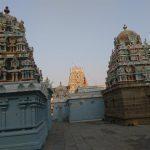
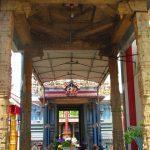
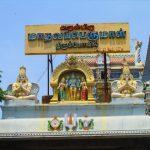
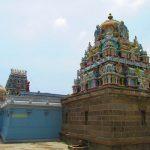
Frequently Asked Questions (FAQ)
1. Is there a VIP or Special Entry Darshan available?
The temple does not have a formalized VIP ticket system like Tirupati. However, due to the smaller crowds, general darshan is usually swift. For special rituals (like Kalyana Utsavam), advance coordination with the temple administrative office is required.
2. Can I perform the Marriage Ceremony here?
Yes, the Kalyana Perumal idol is specifically worshipped for marital harmony. The temple allows for conducting weddings and Reception Utsavams (marriage anniversaries). Contact the temple secretary via phone (+91 44 24985112) for dates and hall availability.
3. What is the best way to book Seva online?
Visit the official Tamil Nadu HR&CE website (tnhrce.org). Search for “Madhava Perumal Temple Mylapore.” Note that for specific services like Sandalwood Abhishekam, booking may need to be done in person due to the limited availability of materials.
4. Is the temple accessible for elderly visitors?
Yes, vehicles can get very close to the temple entrance on Madhava Perumal Koil Street. However, the inner sanctum requires climbing a few steps. There is no ramp, so wheelchair assistance may require manual help.
5. What is the significance of the “Santhana Pushkarini”?
It is the temple tank located to the south. Legend says Goddess Amirthavalli was born here. Bathing in this tank on Maasi Magam (when all holy rivers are believed to merge here) is said to bless couples with children (Santhanam).
Recent Posts

Shri Kaamkoteeshwar Mandir, Varanasi – History & Significance
In the heart of Kashi, the eternal city of Lord Shiva, where the Ganges flows with celestial grace, stands the Shri Kaamkoteeshwar Mandir. This sacred Sannidhi is not merely a temple but a profound spiritual bridge between the Northern…

ओ सांवरे तूने ही मुझको संभाला – Lyrics & Meaning
ओ सांवरे तूने ही मुझको संभाला – A Prayer to Shyam Origin & Spiritual Essence Why This Bhajan Resonates Devotees chant this when overwhelmed by life’s storms—the refrain ‘तूने ही मुझको संभाला’ is the soul’s sigh of relief: “You…

कथा ये है महाराज मेरे की – Lyrics & Meaning
कथा ये है महाराज मेरे की छत्रपति संभाजी महाराज – A Prayer to Chhatrapati Sambhaji Maharaj Origin & Spiritual Essence Why This Bhajan Resonates Devotees chant this when their spirit feels tested—its powerful refrain “महाराज मेरे” is a soul’s…

Rigveda Samhita Yathartha Anuvada (ऋग्वेद संहिता यथार्थ अनुवाद) – Complete Set with Anvayartha & Hindi/English Translation
The Rigveda is the oldest surviving scripture of humanity and the foundational text of Sanātana Dharma. For serious students, scholars, UPSC aspirants studying ancient Indian history, Sanskrit learners, and spiritual seekers, a precise and grammatically structured translation is indispensable.…

आना भी अकेला है जाना भी अकेला है – Lyrics & Meaning | BharatTemples
आना भी अकेला है जाना भी अकेला है – A Prayer to the Divine Witness Origin & Spiritual Essence Why This Bhajan Resonates Devotees turn to this bhajan in moments of deep reflection—when life’s attachments begin to ache. The…

माता शेरावाली के द्वार जो भी जाता है – Lyrics & Meaning
माता शेरावाली के द्वार जो भी जाता है – A Prayer to Maa Sherawali Origin & Spiritual Essence Why This Bhajan Resonates Devotees turn to this bhajan in times of fear or uncertainty—its promise that no one leaves Maa’s…

मार लेना सपणी उबार लेणा भवरा – Lyrics & Meaning
मार लेना सपणी उबार लेणा भवरा – A Prayer to the Divine Beloved Origin & Spiritual Essence Why This Bhajan Resonates Devotees chant this in moments of deep vulnerability—its cry of “मार लेना सपणी, उबार लेणा भवरा” is the…

हमें श्याम सुंदर भरोसा तुम्हारा – Lyrics & Meaning
हमें श्याम सुंदर भरोसा तुम्हारा – A Prayer to Shyam Sundar Origin & Spiritual Essence Why This Bhajan Resonates Devotees chant this when feeling alone—its refrain ‘de do sahara’ is the soul’s cry for divine support. Lyrics in Hindi…

Mere Satguru Ne Di Thi Davai Lyrics in Hindi & Meaning
Mere Satguru Ne Di Thi Davai: Invoking the Guru’s Liberating Wisdom This soul-stirring bhajan venerates the Satguru (True Spiritual Master) as the divine physician who dispenses the only remedy for life’s deepest sufferings. Composed by Sant Karmaveer Tufani, it…

Janm Diyo Thari Maa Dukh Dekhiyo Lyrics in Hindi & Meaning
जन्म दियो थारी माँ दुख देखियो (Maa’s Grief Upon Birthing You) This soul-stirring Chetavani Bhajan (admonitory hymn) is addressed to the Divine Mother (Maa) – a call for repentance when children forget their filial duties in the dark age…