
Contents
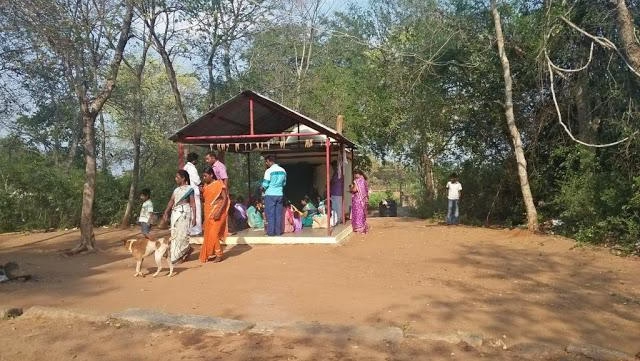
Mahalingeswarar Temple, Thavasi Medai, Dindigul
| Date built: | |
|---|---|
| Deity: | Mahalingeswarar |
| Architectural style: | Dravidian architecture |
| Major festivals | |
| Locale: | Thavasi Medai |
| District:: | Dindigul |
| Address: | Mahalingeswarar Temple,Odukkam Thavasi Medai, Viralipatti, Via Natham-624 304, Dindigul District. |
| Phone | +91 93624 05382 / 95782 11659 |
1. Introduction & Spiritual Essence
Located in the serene village of Thavasi Medai, the Mahalingeswarar Temple is a sacred abode of Lord Shiva (Mahalingeswarar) in the Dindigul district of Tamil Nadu. The presiding deity, a Swayambhu Lingam (self-manifested), radiates profound spiritual energy, drawing devotees seeking liberation from karmic cycles.
The temple is renowned as a Bhairava Sthala and is considered one of the “Star Temples” specifically for natives born under the Magam Nakshatra. Unlike many other shrines, this temple houses two manifestations of the Goddess—Maragathavalli and Manikkavalli—offering devotees a unique duality of grace.
Phalaśruti: The Benefits of Visiting
According to temple lore and devotee experiences, visiting Mahalingeswarar offers specific spiritual benefits:
- Magam Nakshatra Resolution: For those born under the Magam star, this temple is a Moksha Sthala. It is believed that worshipping Lord Shiva here along with Sage Bharadhwaja (the guardian of this site) neutralizes adverse planetary effects.
- Cleansing Ancestral Karma: Performing rituals here is said to alleviate Pitra Dosha (ancestral debt), ensuring peace for forefathers.
- Remedy for Vasthu Defects: Devotees facing architectural or spatial imbalances in their homes (Vasthu problems) find solace here by performing specific Abhishekams and offering Vastras (clothes) to the deities.
2. Historical Origins & Scriptural Legend
The temple’s history is deeply intertwined with the Vedic era, primarily revolving around the great sage Maharishi Bharadhwaja.
The Legend of Odukkam Thavasi Medai
Tradition holds that Sage Bharadhwaja performed intense penance on a stone platform (Medai) in this forested region. The term “Odukkam” refers to the complete control of the senses (Indriya Nigraham). Because the sage established his hermitage here, the location was named Odukkam Thavasi Medai. The stone peetas (seats) found at the temple entrance are believed to be the very spots where the sage sat in meditation.
The Divine Connection: Sage Bharadhwaja and Lord Rama
According to the Ramayana, Lord Rama, Mother Sita, and Lakshmana visited Sage Bharadhwaja’s ashram while returning from Lanka. The sage offered them hospitality. During the meal, Lord Rama drew a line across the traditional plantain leaf serving to share it with Lord Hanuman, acknowledging his unwavering service. It is said that this divine act caused plantain leaves in the region to naturally grow with a partition line—a botanical miracle still associated with the temple’s offerings.
Installation of Lord Shiva
As one of the five great sages who installed Meenakshi Amman in Madurai, Sage Bharadhwaja remained a humble devotee despite his immense spiritual powers. He installed the Mahalingeswarar Lingam here to honor Lord Shiva’s sovereignty over all senses.
3. Architectural Marvels
The temple reflects the classic Dravidian architectural style, characterized by towering gateways (Gopurams) and a concentric layout.
Vastu Shastra Elements
The temple complex is designed according to Vastu principles, utilizing the Panchaboota (five elements) concept. The central sanctum (Garbhagriha) represents the element of Water, typical of Shiva Lingams, where the energy flows continuously.
Notable Features
- Unique Sanctum: The temple is distinct for housing two Ambikas (Maragathavalli and Manikkavalli) in separate shrines within the complex.
- The Star Connection: The temple architecture accommodates special spaces for Magam Nakshatra worship, featuring intricate carvings depicting Sage Bharadhwaja.
- Bhairava Shrines: As a Bhairava Sthala, the outer prakaram (corridor) houses powerful Bhairava idols, known as the protectors of the temple grounds.
4. Darshan & Ritual Logistics (2026 Update)
To ensure a smooth spiritual experience, devotees should plan their visit according to the daily schedule and major festivals. Below are the current operational timings for 2026.
Daily Darshan Timings
| Session | Timings |
|---|---|
| Morning Darshan | 07:00 AM – 12:00 PM |
| Afternoon Break | 12:00 PM – 01:00 PM |
| Evening Darshan | 01:00 PM – 06:00 PM |
Key Sevas & Online Booking
While traditional in-person bookings are available at the temple counter, the Tamil Nadu Hindu Religious & Charitable Endowments (HR&CE) department facilitates online booking for major Sevas.
- Abhishekam (Ritual Bathing): Performed daily between 8:00 AM and 11:00 AM. Devotees can request special Abhishekam for specific needs (health, prosperity).
- Archana (Chanting of Names): Available in the morning and evening sessions.
- Vastram Offering: To the deities Maragathavalli and Manikkavalli.
2026 Major Festival Dates
The temple follows the Tamil calendar. Special pujas are conducted on:
- Masi Magam (Feb 2026): The most significant festival, attracting thousands of Magam-born devotees.
- Pradosham (Monthly): 11th and 26th of every month (approx).
- Shivaratri (March 2026): All-night vigil and special Abhishekams.
- Navarathri (Sept/Oct 2026): Special decorations for Maragathavalli and Manikkavalli.
5. Practical Visitor Guidance
To maintain the sanctity of the temple and ensure a comfortable visit, please adhere to the following guidelines.
Dress Code & Etiquette
- Attire: Traditional dress is highly recommended. Men should wear dhotis or formal trousers with shirts; women should wear sarees, churidars, or long skirts. Avoid shorts and sleeveless tops.
- Photography: Photography is permitted in the outer corridors but strictly prohibited inside the sanctum sanctorum (Garbhagriha). Mobile phones should be silenced before entering.
- Lockers: Small locker facilities are available near the entrance for storing footwear and bags. It is advisable to travel light.
- Best Time to Visit: Early mornings (7:00 AM – 9:00 AM) are ideal for a peaceful Darshan, avoiding the mid-morning rush.
- Seasonal Advice:
- Summer (April – June): Dindigul can get very hot; carry a water bottle and an umbrella.
- Monsoon (Oct – Dec): The temple surroundings are lush, but carry rain gear.
- Accessibility: The temple entrance is accessible for senior citizens, though there are steps leading to the main sanctum.
Crowd Management & Seasonal Tips
6. Pilgrimage Connectivity
How to Reach Mahalingeswarar Temple
The temple is located in Odukkam Thavasi Medai, near Viralipatti. It is approximately 14 km from Dindigul.
- By Air: The nearest airport is Madurai International Airport (IXM), located approximately 73 km away. Taxis are readily available.
- By Rail: The nearest major railway junction is Dindigul Junction (12 km away). From there, local autos and buses connect to Viralipatti.
- By Road:
- Located on the Dindigul-Natham Road (SH-34).
- From Viralipatti (2.5 km from the temple), a branch road leads to the shrine. Mini-buses and autos are available from Viralipatti.
- Buses operated by TNSTC frequently run between Dindigul and Natham.
Nearby Sacred Sites (Pilgrimage Circuit)
Enhance your spiritual journey by visiting these nearby temples:
- Sri Kasi Viswanathar Temple, Natham: Located about 25 km away, famous for its impressive Rajagopuram and Navagraha shrines.
- Kundri Sundareswarar Temple, Kundalakurichi: An ancient temple located roughly 20 km away, known for its unique pond and historical inscriptions.
- Dindigul Rock Fort: While not a temple, this historical fort offers panoramic views and houses small shrines dedicated to Lord Murugan.
7. Frequently Asked Questions (FAQ)
1. Is there a VIP Darshan entry at Mahalingeswarar Temple?
Currently, the temple does not have a dedicated VIP entry lane. However, senior citizens and physically challenged devotees are given priority access through the main gate upon request.
2. Can we book Sevas online for this temple?
Yes, standard Sevas like Archana and Abhishekam can often be booked through the official Tamil Nadu HR&CE portal. However, for specific festival days like Masi Magam, it is recommended to check the portal closer to the date.
3. What is the significance of the two Ambikas (Mothers) here?
The presence of both Maragathavalli (Emerald Goddess) and Manikkavalli (Ruby Goddess) represents the dual aspects of divine grace—spiritual purity and material abundance. Worshipping both is believed to bring holistic well-being.
4. Are non-Hindus allowed inside the temple?
As is customary in ancient Shiva temples, entry is generally restricted to Hindus. The temple authorities maintain the sanctity of the rituals and the environment.
5. Is mobile connectivity available at the temple?
Mobile signal strength can be weak inside the sanctum due to the rock formations. However, connectivity is decent in the outer courtyard and parking areas.
Photo Gallery
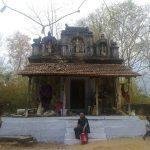
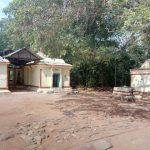
Recent Posts

ओ सांवरे तूने ही मुझको संभाला – Lyrics & Meaning
ओ सांवरे तूने ही मुझको संभाला – A Prayer to Shyam Origin & Spiritual Essence Why This Bhajan Resonates Devotees chant this when overwhelmed by life’s storms—the refrain ‘तूने ही मुझको संभाला’ is the soul’s sigh of relief: “You…

कथा ये है महाराज मेरे की – Lyrics & Meaning
कथा ये है महाराज मेरे की छत्रपति संभाजी महाराज – A Prayer to Chhatrapati Sambhaji Maharaj Origin & Spiritual Essence Why This Bhajan Resonates Devotees chant this when their spirit feels tested—its powerful refrain “महाराज मेरे” is a soul’s…

Rigveda Samhita Yathartha Anuvada (ऋग्वेद संहिता यथार्थ अनुवाद) – Complete Set with Anvayartha & Hindi/English Translation
The Rigveda is the oldest surviving scripture of humanity and the foundational text of Sanātana Dharma. For serious students, scholars, UPSC aspirants studying ancient Indian history, Sanskrit learners, and spiritual seekers, a precise and grammatically structured translation is indispensable.…

आना भी अकेला है जाना भी अकेला है – Lyrics & Meaning | BharatTemples
आना भी अकेला है जाना भी अकेला है – A Prayer to the Divine Witness Origin & Spiritual Essence Why This Bhajan Resonates Devotees turn to this bhajan in moments of deep reflection—when life’s attachments begin to ache. The…

माता शेरावाली के द्वार जो भी जाता है – Lyrics & Meaning
माता शेरावाली के द्वार जो भी जाता है – A Prayer to Maa Sherawali Origin & Spiritual Essence Why This Bhajan Resonates Devotees turn to this bhajan in times of fear or uncertainty—its promise that no one leaves Maa’s…

मार लेना सपणी उबार लेणा भवरा – Lyrics & Meaning
मार लेना सपणी उबार लेणा भवरा – A Prayer to the Divine Beloved Origin & Spiritual Essence Why This Bhajan Resonates Devotees chant this in moments of deep vulnerability—its cry of “मार लेना सपणी, उबार लेणा भवरा” is the…

हमें श्याम सुंदर भरोसा तुम्हारा – Lyrics & Meaning
हमें श्याम सुंदर भरोसा तुम्हारा – A Prayer to Shyam Sundar Origin & Spiritual Essence Why This Bhajan Resonates Devotees chant this when feeling alone—its refrain ‘de do sahara’ is the soul’s cry for divine support. Lyrics in Hindi…

Mere Satguru Ne Di Thi Davai Lyrics in Hindi & Meaning
Mere Satguru Ne Di Thi Davai: Invoking the Guru’s Liberating Wisdom This soul-stirring bhajan venerates the Satguru (True Spiritual Master) as the divine physician who dispenses the only remedy for life’s deepest sufferings. Composed by Sant Karmaveer Tufani, it…

Janm Diyo Thari Maa Dukh Dekhiyo Lyrics in Hindi & Meaning
जन्म दियो थारी माँ दुख देखियो (Maa’s Grief Upon Birthing You) This soul-stirring Chetavani Bhajan (admonitory hymn) is addressed to the Divine Mother (Maa) – a call for repentance when children forget their filial duties in the dark age…
Bhadi Sabha Mein Thane Manaun Lyrics in Hindi & Meaning
Bhadi Sabha Mein Thane Manaun: Invoking the Spear-Wielding Mother Mata Bhawani (श्री ज्वाला भवानी), the fiery manifestation of Shakti worshipped as the Protector of Dharma in Her Dhaulagarh sanctum. Origin & Spiritual Essence Composed in Rajasthani folk tradition by…