
Contents
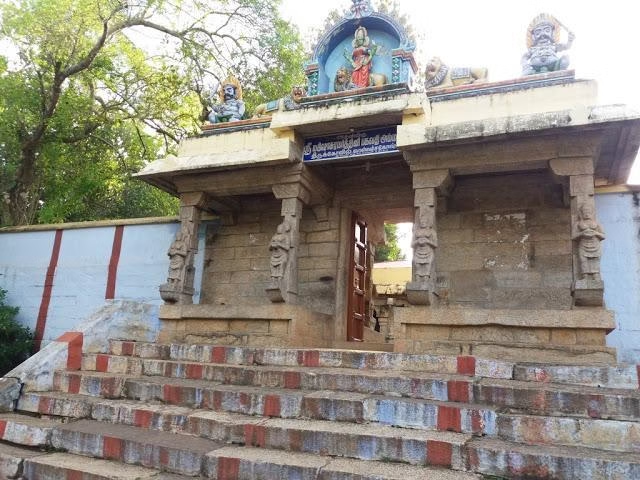
Mahishasura Mardhini Temple, Valvachagostam, Kanyakumari
Authoritative Source: Based on temple records and local sthala puranas of the Kanyakumari district.
| Date built: | Estimated 9th Century AD (Chera Period) |
|---|---|
| Deity: | Mahishasura Mardhini (Bhagavathi) |
| Architectural style: | Dravidian architecture |
| Major festivals | Annual Navarathri, Vaikasi Visakam, Thiruvonam |
| Locale: | Valvachagostam |
| District:: | Kanyakumari |
| Address: | Valvachagostam, Palliyadi, Kanyakumari Dist, Tamil Nadu |
| Phone | Available upon request (Contact Temple Office) |
1. Introduction & Spiritual Essence
The Mahishasura Mardhini Temple in Valvachagostam is a unique spiritual sanctuary dedicated entirely to the divine feminine energy (Shakti). Unlike most Tamil Nadu temples where Lord Shiva or Vishnu are central, this shrine reveres Mahishasura Mardhini—the powerful slayer of the buffalo demon Mahishasura—as the primary deity.
Phalaśruti (Spiritual Benefits):
Devotees flock to this temple seeking liberation from ancestral karma and the removal of planetary afflictions, particularly those related to Rahu and Ketu. As a Swayambhu (self-manifested) form of energy, the deity is believed to grant immense protection (Raksha) and remove obstacles in the path of spiritual progress.
2. Historical Origins & Scriptural Legend
The temple’s history is deeply intertwined with the legendary history of the Kanyakumari region.
The Legend of Valvachagostam:
According to local tradition, the name “Valvachagostam” derives from the Sanskrit/Tamil roots Val (Sword), Vacha (Keeping), and Goshtam (Place). Legend holds that Parasurama, the sixth avatar of Vishnu, visited this area to atone for the sin of matricide. He is said to have buried his divine axe (Parashu) here before creating the land of Kerala. This act of penance sanctified the ground, making it a powerful tirtha (pilgrimage site).
The Construction Narrative:
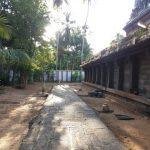
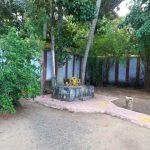
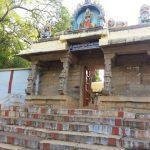
The visible temple structure is attributed to the Chera Kings and later the Venadu rulers. According to temple records, the sanctity of the shrine was rediscovered by Kalisankara Variyar, a tantric and devotee. He encountered two divine beings beneath a Marutha tree and vowed to build a temple. Consequently, the main shrine (Srikoil) was constructed for Mahishasura Mardhini, while her companion, Yakshi, was enshrined in the Northeast corner within the Nalambalam (outer corridor).
3. Architectural Marvels
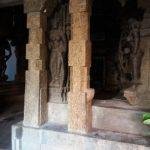
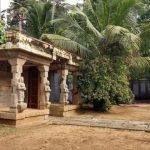
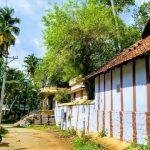
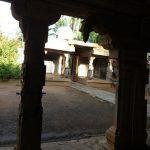
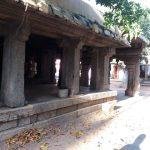
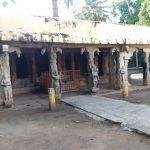
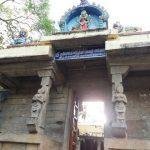
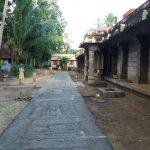
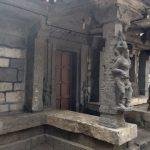
The temple follows the classic Dravidian architectural style, characterized by its pyramidal towers and intricate carvings.
Notable Features:
While the temple is not a protected ASI or UNESCO site, its architectural integrity represents a pristine example of medieval Dravidian temple art preserved by the local community.
4. Darshan & Ritual Logistics (2026 Guide)
The temple operates on a traditional schedule maintained by a single Mel Shanti (Head Priest), ensuring intimate and authentic rituals.
Daily Opening Times
| Session | Timings | Activity |
|---|---|---|
| Morning | 5:30 AM – 10:00 AM | Ushathkalam, Abhishekam, Nataraja Puja |
| Afternoon | 10:00 AM – 5:00 PM | Temple Closed (Sanctum Sanctorum) |
| Evening | 5:00 PM – 8:00 PM | Deeparadhana, Sayaratchai Puja |
Key Sevas & Booking
Online Seva Booking: As of 2026, the temple primarily facilitates in-person bookings for sevas due to its traditional management style. However, for specific festivals, inquiries can be made via the temple office or authorized regional portals.
- Abhishekam: Performed with coconut water and holy herbs.
- Archana: Personalized prayers to the Devi.
- Thulabaram: A ritual of weighing oneself against rice or grains at the Marudha Mandapam.
- Nava Kalasa Puja: Offering of nine pots.
2026 Festival Calendar
- Navarathri: Oct 2 – Oct 11, 2026 (Major 9-day celebration).
- Thiruvonam: Aug 2026 (Specific date depends on the Malayalam calendar).
- Tirukarthika: Nov 2026 (Special procession for Yakshi).
- Pongal: Jan 14, 2026 (Community Pongala offering).
5. Practical Visitor Guidance
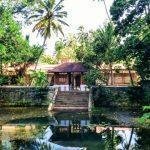
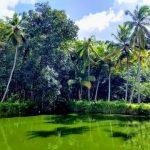
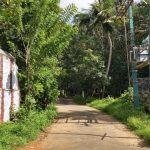
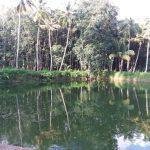
The temple is nestled in a rural setting surrounded by rubber estates and coconut groves.
- Dress Code: Traditional attire is mandatory. Men should wear dhoti or pants with a shirt; women should wear saree or salwar kameez. Western attire is strictly prohibited within the sanctum.
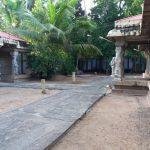
- Photography: Photography is allowed in the outer courtyards (Mandapas) but strictly prohibited inside the Sanctum Sanctorum.
- Crowd Management: Unlike commercial temples in Kanyakumari, this location remains peaceful. However, the best time to visit is early morning (6:00 AM) or during weekday evenings to avoid local festival crowds.
- Facilities: There are mobile lockers available outside. Drinking water is essential as the temple is located in a tropical climate.
6. Pilgrimage Connectivity
Valvachagostam is well-connected by road, lying on the Nagercoil–Trivandrum route.
How to Reach
By Road:
The temple is situated on the NH 47 (National Highway 47). From Nagercoil towards Marthandam, take a left at Eravipudhurkadai towards Palliyadi. Travel 3 km, take a left before the railway bridge, and drive 1 km to reach the temple.
Nearest Transit Points:
Nearby Sacred Sites
- Thiruvattaru Adikesava Perumal Temple: Located 8 km away, a historic Vishnu temple on the seashore.
- Kulasekharam: A hill station 14 km away with ancient Shiva temples.
- Marthandam Sastha Temple: A prominent shrine for Lord Ayyappa.
7. Frequently Asked Questions (FAQ)
Is there a VIP darshan entry?
Given the temple’s traditional and intimate scale, there is no commercial VIP ticket system. However, elderly devotees and those requiring special assistance may request priority entry at the office.
What is the significance of the Marudha Mandapam?
The Marudha Mandapam is historically significant as the spot where the Goddess first appeared to the tantric. It houses the Yakshi shrine and is the location for specific tantric rituals like the 48-day Vratham observed by young girls.
Can we perform wedding ceremonies here?
Yes, the temple conducts marriages and lower-grade ceremonies. It is recommended to contact the Mel Shanti two months in advance due to the single-priest system.
Is non-vegetarian food allowed near the temple?
No. The temple is a strict vegetarian zone. Alcohol and non-vegetarian food are prohibited in the entire vicinity.
How is this temple different from the Kanyakumari Devi temple?
The Kanyakumari temple is dedicated to Goddess Kanya (a form of Parvati) suppressing the demon Banasura. This Valvachagostam temple is specifically dedicated to Mahishasura Mardhini (the slayer of the buffalo demon) and includes the unique cult deity Yakshi, making its rituals distinct.

Contact Details
Address: Mahishasura Mardhini Temple, Valvachagostam, Near Palliyadi, Kanyakumari District, Tamil Nadu, India.
Phone: Please contact the local Panchayat or the Temple Office at Palliyadi for the most current landline numbers.
Recent Posts

ओ सांवरे तूने ही मुझको संभाला – Lyrics & Meaning
ओ सांवरे तूने ही मुझको संभाला – A Prayer to Shyam Origin & Spiritual Essence Why This Bhajan Resonates Devotees chant this when overwhelmed by life’s storms—the refrain ‘तूने ही मुझको संभाला’ is the soul’s sigh of relief: “You…

कथा ये है महाराज मेरे की – Lyrics & Meaning
कथा ये है महाराज मेरे की छत्रपति संभाजी महाराज – A Prayer to Chhatrapati Sambhaji Maharaj Origin & Spiritual Essence Why This Bhajan Resonates Devotees chant this when their spirit feels tested—its powerful refrain “महाराज मेरे” is a soul’s…

Rigveda Samhita Yathartha Anuvada (ऋग्वेद संहिता यथार्थ अनुवाद) – Complete Set with Anvayartha & Hindi/English Translation
The Rigveda is the oldest surviving scripture of humanity and the foundational text of Sanātana Dharma. For serious students, scholars, UPSC aspirants studying ancient Indian history, Sanskrit learners, and spiritual seekers, a precise and grammatically structured translation is indispensable.…

आना भी अकेला है जाना भी अकेला है – Lyrics & Meaning | BharatTemples
आना भी अकेला है जाना भी अकेला है – A Prayer to the Divine Witness Origin & Spiritual Essence Why This Bhajan Resonates Devotees turn to this bhajan in moments of deep reflection—when life’s attachments begin to ache. The…

माता शेरावाली के द्वार जो भी जाता है – Lyrics & Meaning
माता शेरावाली के द्वार जो भी जाता है – A Prayer to Maa Sherawali Origin & Spiritual Essence Why This Bhajan Resonates Devotees turn to this bhajan in times of fear or uncertainty—its promise that no one leaves Maa’s…

मार लेना सपणी उबार लेणा भवरा – Lyrics & Meaning
मार लेना सपणी उबार लेणा भवरा – A Prayer to the Divine Beloved Origin & Spiritual Essence Why This Bhajan Resonates Devotees chant this in moments of deep vulnerability—its cry of “मार लेना सपणी, उबार लेणा भवरा” is the…

हमें श्याम सुंदर भरोसा तुम्हारा – Lyrics & Meaning
हमें श्याम सुंदर भरोसा तुम्हारा – A Prayer to Shyam Sundar Origin & Spiritual Essence Why This Bhajan Resonates Devotees chant this when feeling alone—its refrain ‘de do sahara’ is the soul’s cry for divine support. Lyrics in Hindi…

Mere Satguru Ne Di Thi Davai Lyrics in Hindi & Meaning
Mere Satguru Ne Di Thi Davai: Invoking the Guru’s Liberating Wisdom This soul-stirring bhajan venerates the Satguru (True Spiritual Master) as the divine physician who dispenses the only remedy for life’s deepest sufferings. Composed by Sant Karmaveer Tufani, it…

Janm Diyo Thari Maa Dukh Dekhiyo Lyrics in Hindi & Meaning
जन्म दियो थारी माँ दुख देखियो (Maa’s Grief Upon Birthing You) This soul-stirring Chetavani Bhajan (admonitory hymn) is addressed to the Divine Mother (Maa) – a call for repentance when children forget their filial duties in the dark age…
Bhadi Sabha Mein Thane Manaun Lyrics in Hindi & Meaning
Bhadi Sabha Mein Thane Manaun: Invoking the Spear-Wielding Mother Mata Bhawani (श्री ज्वाला भवानी), the fiery manifestation of Shakti worshipped as the Protector of Dharma in Her Dhaulagarh sanctum. Origin & Spiritual Essence Composed in Rajasthani folk tradition by…