
Contents
Introduction & Spiritual Essence
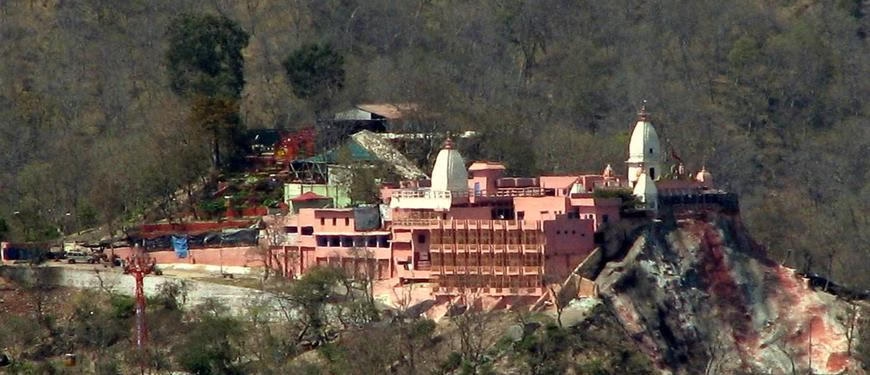
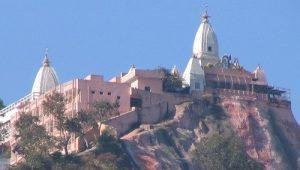
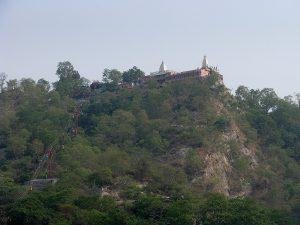
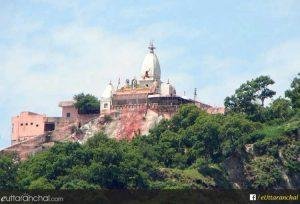
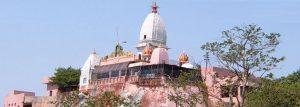
Perched atop the lush Bilwa Parvat in the Sivalik Hills, the Mansa Devi Temple stands as a sentinel of faith overlooking the ancient city of Haridwar. This sacred shrine is dedicated to Goddess Mansa, a manifestation of Shakti who is believed to have emerged from the mind of Lord Shiva. Revered as the sister of the celestial serpent Vasuki, Mansa Devi is the granter of wishes—’Mansa‘ literally translates to ‘wish’ or ‘desire’.
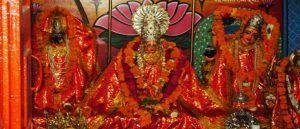
The temple is a vital part of the Panch Tirth (Five Pilgrimages) within Haridwar and is classified as a Siddh Peeth—a place of worship where sincere devotees have their deepest desires fulfilled. The inner sanctum houses two deities: one with eight arms and another with three heads and five arms, radiating divine grace. Devotees traditionally tie threads around the branches of a sacred tree within the temple premises, returning to untie them once their prayers are answered, creating a tangible tapestry of gratitude and faith.
Phalaśruti (Spiritual Benefits)
According to temple records and Vedic tradition, praying to Mansa Devi grants specific boons:
- Wish Fulfillment: Sincere prayers are said to manifest material and spiritual desires.
- Protection from Negativity: As a form of Shakti, she wards off evil influences and ailments.
- Ancestral Liberation: Performing rituals here is believed to cleanse ancestral karma and grant Moksha (liberation) to forefathers.
Historical Origins & Scriptural Legend
The Legend of the Wish-Granter
Tradition holds that Mansa Devi originated from the mind of Rishi Kashyapa (in some texts, Lord Shiva). The name ‘Mansa’ also connects to the mythological context of a common girl who performed intense Sadhana (spiritual discipline) to meet Lord Shiva and discover her true identity. Upon realizing her divine nature, she attained the power to shower welfare upon the world. A popular folk tale narrates that she is the sister of Vasuki, the king of Nagas.
Historical Context & Renovations
While the exact date of the original structure’s construction is lost to oral tradition, the current temple architecture reflects the devotion of the Maharaja of Patiala, who renovated and rebuilt the inner shrines in the early 19th century. The temple complex was further developed under the supervision of the Mansa Devi Shrine Board. The site is often referred to as Bilwa Tirth, sanctified by the presence of the Bilva tree, which is dear to Lord Shiva.
“The temple stands as a testament to the syncretic culture of Haridwar, blending Vedic mythology with local folk traditions that have thrived for centuries.”
Architectural Marvels
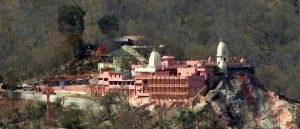
The Mansa Devi Temple complex is a masterpiece of traditional North Indian (Nagara) style architecture, blended with modern utility for pilgrims. The temple is situated at an elevation of approximately 178 meters (584 ft) above sea level, offering panoramic views of the Ganges flowing through Haridwar.
- The Sanctum (Garbhagriha): The inner shrine houses the main deity carved in black stone, depicting eight arms holding various sacred objects, while a secondary deity has three heads and five arms.
- Vastu Alignment: The temple faces east, aligning with Vastu Shastra principles to allow the first rays of the sun to illuminate the sanctum, symbolizing the dispelling of ignorance.
- The Mandapas: The pillared halls allow devotees to gather for prayers and offer Prasad (offerings) of coconuts, fruits, and incense.
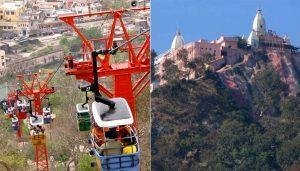
- The Ropeway (Udankhatola): Modern engineering meets heritage in the cable car system, which transports pilgrims from the base station to the temple summit, traversing 540 meters over the verdant hill.
Although the temple itself is a state-protected monument under the Uttarakhand Tourism Development Board, it is deeply integrated into the cultural fabric of Haridwar, which is a UNESCO tentative site for its ‘Ganga Cultural Heritage’.
Darshan & Ritual Logistics
To ensure a seamless spiritual experience, devotees should adhere to the following schedules and rituals. Note that timings may vary during major festivals like Kumbh Mela or Navaratri.
Daily Timings
| Session | Opening Time | Closing Time |
|---|---|---|
| Morning Darshan | 05:00 AM | 12:00 PM |
| Lunch Break | 12:00 PM | 02:00 PM |
| Evening Darshan | 02:00 PM | 09:00 PM |
Key Sevas & Online Booking
Devotees can perform several Sevas to invoke the blessings of Mansa Devi:
- Abhishekam: Ritual bathing of the deity with milk, honey, and ghee. (Timing: 6:00 AM – 7:00 AM).
- Chandi Path/Akhand Deepam: Recitation of hymns and lighting of eternal lamps.
- Thread Offering (Sutri): Tie a thread around the temple tree to make a wish; return to untie it upon fulfillment.
Online Booking: While tickets for the ropeway can be booked via the official Mansa Devi Udankhatola website, ritual bookings are typically managed on-site by the temple committee. However, for the 2026 pilgrimage season, check the Uttarakhand Char Dham Devasthanam Board portal for unified ticketing options.
2026 Major Festival Dates
- Navaratri (Chaitra): March 30 – April 7, 2026
- Nag Panchami: July 24, 2026 (High significance at Mansa Devi)
- Navaratri (Sharad): October 2 – October 11, 2026
- Maha Shivaratri: February 26, 2026
Practical Visitor Guidance
Haridwar is a sacred Tirtha, and maintaining its sanctity is paramount.
Code of Conduct
- Dress Code: Traditional modest attire is recommended. Men should wear Dhoti or trousers, and women should wear Saree or Salwar Kameez. Avoid shorts and sleeveless tops.
- Photography: Photography is strictly prohibited inside the inner sanctum (Garbhagriha). External photography is permitted.
- Mobile Lockers: Due to security protocols, electronic items and large bags are not allowed inside. Free lockers are available at the ropeway base station.
- Accessibility: The Udankhatola (Ropeway) provides excellent accessibility for the elderly and disabled. For those trekking on foot, the path is paved but steep.
Crowd Management & Seasonal Advice
Best Hours: To avoid long queues, visit between 5:00 AM and 7:00 AM or after 7:00 PM. Tuesdays and Saturdays are particularly crowded as they are dedicated to Lord Shiva and Goddess Shakti.
Seasonal Tips:
- Summer (April–June): Carry a water bottle and cover your head; the metal queue rails can get very hot. The ropeway offers air-conditioned relief.
- Monsoon (July–September): The hill can become slippery. Wear rubber-soled sandals with good grip.
Pilgrimage Connectivity
How to Reach Mansa Devi Temple
The temple is located 3 km from Haridwar Railway Station and is well-connected by road.
- By Air: The nearest airport is Jolly Grant Airport, Dehradun (approx. 35 km). Taxis are readily available.
- By Rail: Haridwar Junction (HW) is the major railway station, well-connected to Delhi, Mumbai, and Kolkata. From the station, an auto-rickshaw or e-rickshaw to Manaskhanda (Ropeway Station) takes about 15 minutes.
- By Road: Haridwar is connected via NH 7 and NH 334. Regular buses run from ISBT Kashmere Gate (Delhi) to Haridwar.
Nearby Sacred Sites (Pilgrimage Circuit)
Complete your spiritual journey by visiting these sites within close proximity to Mansa Devi:
- Chandi Devi Temple: Located on the Neel Parvat, accessible via the same ropeway line or a steep trek. Dedicated to Goddess Chandi (the warrior form of Shakti).
- Maya Devi Temple: One of the three ancient Siddh Peeths in Haridwar, dating back to the 11th century, located near the Har Ki Pauri.
- Bilwa Parvat & Sapt Rishi Ashram: The hill itself is a retreat for meditation, and the nearby ashram is a site of ancient Vedic learning.
Photo Gallery
Frequently Asked Questions (FAQ)
1. Is there a VIP Darshan entry at Mansa Devi Temple?
While there is no formal VIP ticket like in South Indian temples, the ropeway ticket allows you to bypass the strenuous trek and reach the temple entrance directly, effectively providing a faster entry. Special Abhishekam tickets also allow closer access during rituals.
2. What is the cost of the Ropeway ticket in 2026?
Approximate rates are expected to remain similar to previous years, costing roughly ₹100–₹150 for a round trip per person. Prices may vary slightly during the Kumbh Mela. It is advisable to book online to avoid queues.
3. Can I visit both Mansa Devi and Chandi Devi in one trip?
Yes, the ‘Udankhatola’ cable car connects the base station to Mansa Devi, and from the top, there is a connecting road or a separate cable car line that facilitates travel to Chandi Devi. A combined ticket is often available.
4. What are the specific things to offer to Mansa Devi?
Mansa Devi is pleased with offerings of Coconuts, Fruits, Garlands of Red Hibiscus, and Incense sticks. Green chilies and lemons are also traditionally offered by some devotees to ward off negative energies.
5. Is the temple open during the Kumbh Mela?
Yes, the temple remains open, but security is heightened. During the Kumbh Mela (next in 2028), the city sees millions of pilgrims. While Mansa Devi is open, it is recommended to check the specific route diversions issued by the district administration.
Recent Posts

Shri Kaamkoteeshwar Mandir, Varanasi – History & Significance
In the heart of Kashi, the eternal city of Lord Shiva, where the Ganges flows with celestial grace, stands the Shri Kaamkoteeshwar Mandir. This sacred Sannidhi is not merely a temple but a profound spiritual bridge between the Northern…

ओ सांवरे तूने ही मुझको संभाला – Lyrics & Meaning
ओ सांवरे तूने ही मुझको संभाला – A Prayer to Shyam Origin & Spiritual Essence Why This Bhajan Resonates Devotees chant this when overwhelmed by life’s storms—the refrain ‘तूने ही मुझको संभाला’ is the soul’s sigh of relief: “You…

कथा ये है महाराज मेरे की – Lyrics & Meaning
कथा ये है महाराज मेरे की छत्रपति संभाजी महाराज – A Prayer to Chhatrapati Sambhaji Maharaj Origin & Spiritual Essence Why This Bhajan Resonates Devotees chant this when their spirit feels tested—its powerful refrain “महाराज मेरे” is a soul’s…

Rigveda Samhita Yathartha Anuvada (ऋग्वेद संहिता यथार्थ अनुवाद) – Complete Set with Anvayartha & Hindi/English Translation
The Rigveda is the oldest surviving scripture of humanity and the foundational text of Sanātana Dharma. For serious students, scholars, UPSC aspirants studying ancient Indian history, Sanskrit learners, and spiritual seekers, a precise and grammatically structured translation is indispensable.…

आना भी अकेला है जाना भी अकेला है – Lyrics & Meaning | BharatTemples
आना भी अकेला है जाना भी अकेला है – A Prayer to the Divine Witness Origin & Spiritual Essence Why This Bhajan Resonates Devotees turn to this bhajan in moments of deep reflection—when life’s attachments begin to ache. The…

माता शेरावाली के द्वार जो भी जाता है – Lyrics & Meaning
माता शेरावाली के द्वार जो भी जाता है – A Prayer to Maa Sherawali Origin & Spiritual Essence Why This Bhajan Resonates Devotees turn to this bhajan in times of fear or uncertainty—its promise that no one leaves Maa’s…

मार लेना सपणी उबार लेणा भवरा – Lyrics & Meaning
मार लेना सपणी उबार लेणा भवरा – A Prayer to the Divine Beloved Origin & Spiritual Essence Why This Bhajan Resonates Devotees chant this in moments of deep vulnerability—its cry of “मार लेना सपणी, उबार लेणा भवरा” is the…

हमें श्याम सुंदर भरोसा तुम्हारा – Lyrics & Meaning
हमें श्याम सुंदर भरोसा तुम्हारा – A Prayer to Shyam Sundar Origin & Spiritual Essence Why This Bhajan Resonates Devotees chant this when feeling alone—its refrain ‘de do sahara’ is the soul’s cry for divine support. Lyrics in Hindi…

Mere Satguru Ne Di Thi Davai Lyrics in Hindi & Meaning
Mere Satguru Ne Di Thi Davai: Invoking the Guru’s Liberating Wisdom This soul-stirring bhajan venerates the Satguru (True Spiritual Master) as the divine physician who dispenses the only remedy for life’s deepest sufferings. Composed by Sant Karmaveer Tufani, it…

Janm Diyo Thari Maa Dukh Dekhiyo Lyrics in Hindi & Meaning
जन्म दियो थारी माँ दुख देखियो (Maa’s Grief Upon Birthing You) This soul-stirring Chetavani Bhajan (admonitory hymn) is addressed to the Divine Mother (Maa) – a call for repentance when children forget their filial duties in the dark age…