
Contents
- 1 The Definitive Pilgrimage Guide to Mookambika Temple Kollur, Udupi
- 1.1 1. Introduction & Spiritual Essence
- 1.2 2. Historical Origins & Scriptural Legend
- 1.3 3. Architectural Marvels
- 1.4 4. Darshan & Ritual Logistics (2026 Update)
- 1.5 5. Practical Visitor Guidance
- 1.6 6. Pilgrimage Connectivity
- 1.7 7. Frequently Asked Questions (FAQ)
- 1.8 Photo Gallery
- 1.9 How to Reach:
- 1.10 Contact Details
The Definitive Pilgrimage Guide to Mookambika Temple Kollur, Udupi
| Date built: | – |
|---|---|
| Deity: | – |
| Architectural style: | – |
| Major festivals | – |
| Locale: | – |
| District:: | Udupi |
| Address: | Main Road Kollur, Kundapur Taluk Udupi District Karnataka-576220 |
| Phone | – |
1. Introduction & Spiritual Essence
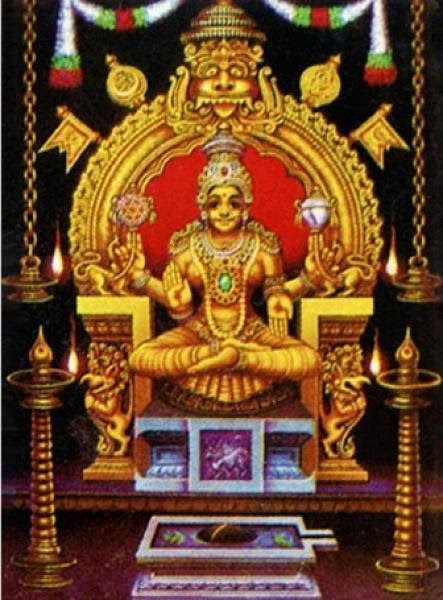
Deep within the lush folds of the Western Ghats in Udupi District, Karnataka, lies Mookambika Temple, a sanctuary where the energy of the cosmos manifests as Adi Parashakti. This temple is not merely a structure of stone but a living abode of the Divine Mother, worshipped in the unique form of Sri Mookambika.
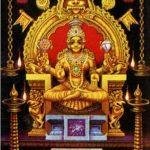
The deity represents the holy confluence of the three primary powers of the universe: Maha Lakshmi (Wealth), Maha Saraswathi (Knowledge), and Maha Kali (Power). She stands with four arms holding the divine discus (Chakra) and conch (Shankha).
Phalaśruti (Spiritual Benefits):
Devotees visit Kollur seeking specific blessings. It is believed that:
– Education & Arts: As Maha Saraswathi, she is the patron deity of fine arts and learning. Great artists like Ravi Varma and Swathi Thirunal were ardent devotees.
– Wealth & Profession: As Maha Lakshmi, she grants progress in business and prosperity.
– Health & Protection: As Maha Kali, she eliminates enemies and cures chronic ailments.
– Ancestral Karma: Rituals performed here are believed to cleanse ancestral lineage debts (Pitru Dosha).
2. Historical Origins & Scriptural Legend
The Legend of Mookasura
According to the Sthala Purana, a demon named Mookasura (The Dumb Demon) performed severe penance to obtain a boon that would make him invincible. Fearing his growing power, the celestial beings prayed to Goddess Parvathi. To prevent the demon from speaking his boon, the Goddess made him mute (Mooka). Frustrated and unable to ask for boons, the demon began tormenting the sage Kola Maharishi who resided in the forest.
Appeased by the sage’s prayers, Goddess Parvathi descended in a fiery form, vanquished the demon, and remained at Kollur to bless devotees. Hence, she came to be known as Mookambika (The Mother who conquered the Mookasura).
Scriptural References
The temple finds references in the Skanda Purana. It is stated that the Udbhava Linga (self-manifested lingam) in the sanctum represents the unification of Purusha (Male energy/Shiva) and Prakruthi (Female energy/Shakti). Tradition holds that Sri Krishna along with Rukmini and Satyabhama performed Sambhavrutham at this very site.
3. Architectural Marvels
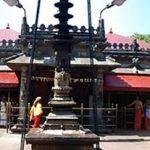
The Mookambika Temple in Kollur is a masterpiece of temple architecture, blending elements of Dravidian and Hoysala styles, though predominantly reflecting the traditional Karnataka temple style.
Key Features
- The Garbhagriha (Sanctum): The heart of the temple houses the Udbhava Linga, a naturally formed Swayambhu linga. This linga is unique as it is divided by a golden line into three portions, representing Brahma, Vishnu, and Shiva, embodying the Tridevi as well.
- Sri Chakra: Behind the sanctum lies the Sri Chakra, installed by the great saint Adi Shankaracharya. It is believed that Adi Shankaracharya stayed here and consecrated the Sri Chakra, infusing the temple with intense spiritual energy.
- Mandapas: The temple features pillared halls (Mandapas) with intricate carvings depicting scenes from Hindu epics. The outer walls display fine craftsmanship typical of ancient Karnataka temples.
4. Darshan & Ritual Logistics (2026 Update)
To ensure a seamless spiritual experience, devotees should plan their visit according to the temple schedules. As of 2026, the following timings are observed (subject to seasonal variations).
Daily Darshan Timings
| Session | Timing |
|---|---|
| Morning Darshan | 05:00 AM – 01:30 PM |
| Afternoon Break | 01:30 PM – 03:00 PM |
| Evening Darshan | 03:00 PM – 09:00 PM |
| Special Pooja | 09:00 PM – 09:30 PM |
Key Sevas and Booking
- Laksha Archana: Offering of 100,000 flowers (Requires prior notice).
- Udbhava Linga Abhishekam: Ritual bath of the self-manifested linga.
- Deeparadhana: The waving of lamps.
Online Booking: Devotees can book Sevas and Accommodation via the official Karnataka Temple Management System or the temple’s dedicated website. It is highly recommended to book at least 2 weeks in advance for festival days.
2026 Festival Calendar
- Navaratri (Shardiya Navaratri): September 22 – October 1, 2026. (Grand procession of Goddess Vijayadashami).
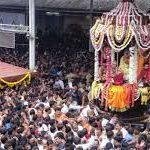
- Phalguna Mahotsav (Teppotsava): March 2026 (Dates subject to lunar calendar). A chariot festival held on the banks of the Souparnika River.
- Deepavali: October 21, 2026. Special early morning Abhishekam.
- Shivaratri: February 26, 2026. Night-long vigil and special Poojas.
5. Practical Visitor Guidance
Dress Code & Etiquette
Strict adherence to traditional attire is expected. Men should wear Dhoti/Pants and upper cloth; women should wear Saree, Salwar Kameez, or traditional skirt/blouse. Modern western attire (jeans, shorts) is strictly prohibited inside the temple premises.
Facilities
- Mobile Lockers: Free digital lockers are available near the entrance for electronic devices. Photography is strictly prohibited inside the sanctum.
- Accessibility: The temple complex has stone steps. While efforts have been made to provide ramps, the inner sanctum may be difficult for wheelchair users due to age-old architecture.
- Crowd Management: Avoid weekends and Mondays if possible. Best time for a peaceful darshan is between 7:00 AM and 9:00 AM or during the afternoon break (1:30 PM – 3:00 PM).
6. Pilgrimage Connectivity
How to Reach Mookambika Temple
By Air: The nearest airport is Mangalore International Airport (IXE), located approximately 75 km away (a 2-hour drive). Taxi services are readily available.
By Rail: The nearest major railway junction is Udupi (40 km) or Kundapura (35 km). From there, local buses and taxis connect to Kollur.
By Road: Kollur is well-connected via National Highway 66 (formerly NH 17). It is a scenic drive through the Western Ghats.
Nearby Sacred Sites
- Souparnika River: Located just behind the temple, this river is considered holy. Devotees take a dip here before entering the temple to cleanse themselves spiritually.
- Mookambika Wildlife Sanctuary: Surrounding the temple, offering a serene natural backdrop and opportunities for light trekking.
- Udupi Sri Krishna Matha: Located 40 km away, this is the home of the famous Lord Krishna temple and the birthplace of the Dasa Sahitya tradition.
7. Frequently Asked Questions (FAQ)
1. Is there a VIP darshan entry at Mookambika Temple?
Yes, the temple management provides special entry darshan tickets (VIP) which can be purchased at the counter or booked online. This allows devotees to bypass the general queue during peak hours.
2. What is the significance of the Udbhava Linga?
The Udbhava Linga is a self-manifested (Swayambhu) limestone linga. It is unique because it naturally possesses a crescent moon shape on top and a broad base, symbolizing the eternal unity of Shiva and Shakti.
3. Is accommodation available at the temple?
Yes, the temple runs guest houses (Chatras) for devotees. Booking is mandatory and can be done online via the official temple portal. Private hotels are also available in Kollur village.
4. Can we perform child naming ceremonies or Mundana (head shaving) at the temple?
Yes, Kollur Mookambika is a prime location for Mundana Sanskar (first hair removal). Separate halls and facilities are provided for this ritual. It is advisable to book the slot in advance.
5. What is the best season to visit?
October to March offers pleasant weather. Summers (April-May) can be hot and humid, though it is a peak time for pilgrims due to school holidays. Monsoons (June-September) are lush but may see heavy rainfall.
Photo Gallery
How to Reach:
The Mookambika Temple is located in Kollur, a small village in the Kundapur Taluk of Udupi District. It is situated on the foothills of the Western Ghats. The nearest major town is Kundapura (35 km). Travelers can hire an auto-rickshaw or take a local bus from Kundapura bus stand to reach Kollur.
Contact Details
Official Address: Main Road Kollur, Kundapur Taluk, Udupi District, Karnataka-576220
Recent Posts

Shri Kaamkoteeshwar Mandir, Varanasi – History & Significance
In the heart of Kashi, the eternal city of Lord Shiva, where the Ganges flows with celestial grace, stands the Shri Kaamkoteeshwar Mandir. This sacred Sannidhi is not merely a temple but a profound spiritual bridge between the Northern…

ओ सांवरे तूने ही मुझको संभाला – Lyrics & Meaning
ओ सांवरे तूने ही मुझको संभाला – A Prayer to Shyam Origin & Spiritual Essence Why This Bhajan Resonates Devotees chant this when overwhelmed by life’s storms—the refrain ‘तूने ही मुझको संभाला’ is the soul’s sigh of relief: “You…

कथा ये है महाराज मेरे की – Lyrics & Meaning
कथा ये है महाराज मेरे की छत्रपति संभाजी महाराज – A Prayer to Chhatrapati Sambhaji Maharaj Origin & Spiritual Essence Why This Bhajan Resonates Devotees chant this when their spirit feels tested—its powerful refrain “महाराज मेरे” is a soul’s…

Rigveda Samhita Yathartha Anuvada (ऋग्वेद संहिता यथार्थ अनुवाद) – Complete Set with Anvayartha & Hindi/English Translation
The Rigveda is the oldest surviving scripture of humanity and the foundational text of Sanātana Dharma. For serious students, scholars, UPSC aspirants studying ancient Indian history, Sanskrit learners, and spiritual seekers, a precise and grammatically structured translation is indispensable.…

आना भी अकेला है जाना भी अकेला है – Lyrics & Meaning | BharatTemples
आना भी अकेला है जाना भी अकेला है – A Prayer to the Divine Witness Origin & Spiritual Essence Why This Bhajan Resonates Devotees turn to this bhajan in moments of deep reflection—when life’s attachments begin to ache. The…

माता शेरावाली के द्वार जो भी जाता है – Lyrics & Meaning
माता शेरावाली के द्वार जो भी जाता है – A Prayer to Maa Sherawali Origin & Spiritual Essence Why This Bhajan Resonates Devotees turn to this bhajan in times of fear or uncertainty—its promise that no one leaves Maa’s…

मार लेना सपणी उबार लेणा भवरा – Lyrics & Meaning
मार लेना सपणी उबार लेणा भवरा – A Prayer to the Divine Beloved Origin & Spiritual Essence Why This Bhajan Resonates Devotees chant this in moments of deep vulnerability—its cry of “मार लेना सपणी, उबार लेणा भवरा” is the…

हमें श्याम सुंदर भरोसा तुम्हारा – Lyrics & Meaning
हमें श्याम सुंदर भरोसा तुम्हारा – A Prayer to Shyam Sundar Origin & Spiritual Essence Why This Bhajan Resonates Devotees chant this when feeling alone—its refrain ‘de do sahara’ is the soul’s cry for divine support. Lyrics in Hindi…

Mere Satguru Ne Di Thi Davai Lyrics in Hindi & Meaning
Mere Satguru Ne Di Thi Davai: Invoking the Guru’s Liberating Wisdom This soul-stirring bhajan venerates the Satguru (True Spiritual Master) as the divine physician who dispenses the only remedy for life’s deepest sufferings. Composed by Sant Karmaveer Tufani, it…

Janm Diyo Thari Maa Dukh Dekhiyo Lyrics in Hindi & Meaning
जन्म दियो थारी माँ दुख देखियो (Maa’s Grief Upon Birthing You) This soul-stirring Chetavani Bhajan (admonitory hymn) is addressed to the Divine Mother (Maa) – a call for repentance when children forget their filial duties in the dark age…