
Contents
Introduction & Spiritual Essence
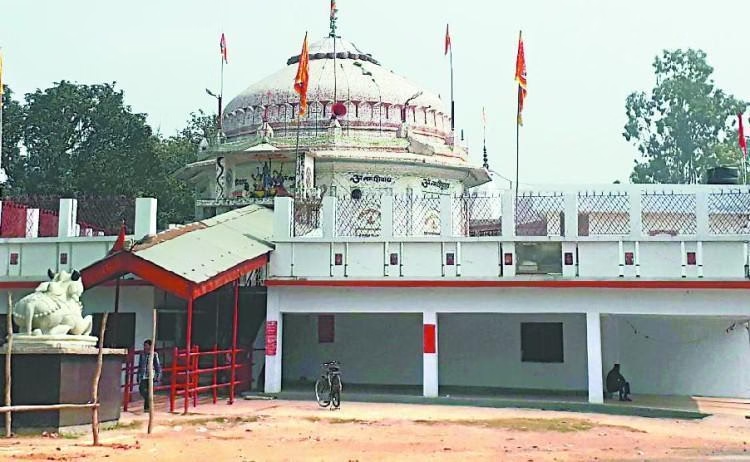
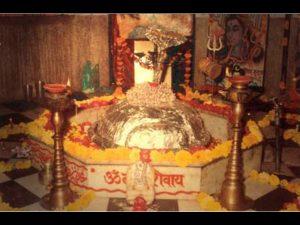
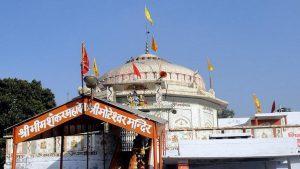
Moteshwar Mahadev, nestled in the historic city of Kashipur (Udham Singh Nagar district, Uttarakhand), stands as a beacon of devotion for Shiva followers. While distinct from the 12 traditional Jyotirlingas, scriptural traditions and local folklore deeply associate this site with the Bheem Shankar Jyotirlinga. It is revered as a Swayambhu (self-manifested) shrine where the lingam is believed to be ever-expanding.
Phalaśruti (Spiritual Benefits): Devotees visit this shrine to cleanse ancestral karma and attain Moksha (liberation). According to the Shiv Puran, worshipping the Bheem Shankar manifestation here is said to bestow strength (Bala) and remove the fear of death. The temple is particularly potent for those seeking resolution to prolonged legal disputes or planetary afflictions in their astrological charts.
Deity & Patronage
The primary deity is Lord Shiva in the form of a massive, oval-shaped Lingam. The secondary deities housed within the complex include Parvati, Kartikeya, Ganesha, Hanuman, Kali, and Bhairo.
Historical Origins & Scriptural Legend
The history of Moteshwar Mahadev weaves together ancient mythology and verifiable medieval history.
Mythological Roots
According to the Skanda Purana, this region corresponds to Kamroop (ancient Assam). Tradition holds that the temple is linked to the Mahabharata. The area was historically known as Dakini. Adi Shankaracharya is historically attributed to consecrating the Jyotirlinga here, famously referring to it as “Dakiniyam Bhimashankaram“. Legend suggests that Guru Dronacharya taught the Kauravas and Pandavas near the adjacent Dronasagar tank, and that Bheemsen was instrumental in reconstructing the temple.
Historical Evidence & Renovations
Historical records indicate that Kashipur (then known as Govishana or Govisana) was visited by the Chinese traveler Xuanzang between 631–641 AD during the reign of King Harsha. The town was later named after Kashinath Adhikari, a governor of the Chand Dynasty in the 16th–17th century. While the original construction date is lost to antiquity, the current structure features medieval architectural elements, with continuous renovations preserving its sanctity.
Architectural Marvels
The temple showcases a blend of Nagara and regional Kumaoni architectural styles, adhering to the principles of Vastu Shastra.
- The Lingam: The most striking feature is the Shivling, described as unusually large (fat), which inspired the name “Moteshwar” (Big Shiva). It is believed to touch the roof of the sanctum.
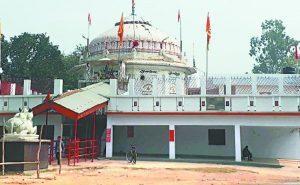
- Structure: The temple features a tiered Shikhara (tower) and a spacious Mandapa (pillared hall) for congregational worship. The sanctum is relatively dark, enhancing the spiritual atmosphere.
- Surroundings: To the east lies the Shiv Ganga Kund, a sacred water tank, and to the west, the Dronasagar tank, believed to have been built by the Pandavas.
Darshan & Ritual Logistics
To facilitate a smooth pilgrimage, below are the daily timings and seva schedules. Note that timings may vary slightly during festivals.
Daily Darshan Timings (2026)
| Session | Timings | Activity |
|---|---|---|
| Morning | 05:00 AM – 12:00 PM | Mangala Aarti & General Darshan |
| Afternoon | 12:00 PM – 04:00 PM | Midday Puja (Temple may close briefly) |
| Evening | 04:00 PM – 08:30 PM | Sandhya Aarti & Shayan Darshan |
Key Sevas & Online Booking
Devotees can perform specific rituals to enhance their spiritual journey.
- Abhishekam: Ritual bathing of the Shiva Lingam with milk, honey, and water.
- Rudrabhishek: A detailed Vedic ceremony for removing obstacles.
- Archana: Personalized name-based prayers.
Booking Process: While on-site booking is available, many popular sevas now offer online booking via the Uttarakhand Tourism portal or the specific temple committee website (check the official board at the temple entrance for the 2026 link).
Festival Dates (2026)
- Maha Shivaratri: February 26, 2026 (Major celebrations, night-long vigil).
- Shravan Month: July – August 2026 (Peak footfall on Mondays).
- Chaiti Mela: April 2026 (A historic fair held annually in the month of Chaitra).
Practical Visitor Guidance
Rules & Etiquette
- Dress Code: Traditional attire is recommended (Dhoti/Kurta for men, Saree/Salwar for women). Avoid shorts and sleeveless tops.
- Photography: Strictly prohibited inside the inner sanctum (Garbhagriha). General photography in the courtyard may be permitted with permission.
- Mobile/Electronics: Lockers are generally available near the entrance. It is advised to deposit mobile phones before entering the sanctum.
- Accessibility: The temple has steps at the entrance. Please contact the temple priest or volunteer for assistance if required.
Crowd Management Tips
Best Hours: For a peaceful darshan, visit between 9:00 AM and 11:00 AM on weekdays.
Seasonal Advice: Kashipur can be humid in summer (May-June). Carry a water bottle and head covering. During the monsoon (July-August), carry an umbrella.
Pilgrimage Connectivity
How to Reach
Moteshwar Mahadev is located approximately 1 km from the Kashipur Railway Station and 3 km from the Kashipur Bus Stand.
- By Air: The nearest airport is Pantnagar Airport (PGH), located about 60 km away. Taxis are readily available.
- By Rail: Kashipur Junction (KPE) is the nearest railhead, well connected to Delhi, Moradabad, and Lucknow.
- By Road: Kashipur lies on NH 734 (formerly NH 74). It is a 4-5 hour drive from Delhi via Moradabad and Rampur.
Nearby Sacred Sites (Pilgrimage Circuit)
- Gurudwara Sri Nanak Mata Sahib: Located in nearby Pantnagar, a site of immense inter-faith significance.
- Barahi Devi Temple: Situated on the banks of the Gula river, 25 km from Kashipur.
- Nainital (Bhairongarh): Approximately 65 km away, offering the Naina Devi shrine and ancient Bhairon Nath temple.
Frequently Asked Questions (FAQ)
1. Is there a VIP Darshan entry at Moteshwar Mahadev?
Yes, the temple committee facilitates a priority queue for elderly devotees and those requiring special assistance. During peak festivals like Maha Shivaratri, a paid VIP pass may be issued by the local administration to manage crowds.
2. Why is the lingam called “Moteshwar”?
The word “Moteshwar” translates to “Big Lord.” The Shiva Lingam here is naturally massive (fat) and is believed to be growing. Unlike polished stones in some temples, this lingam is rough and touches the temple ceiling.
3. What is the significance of the nearby Dronasagar?
Dronasagar is a historic tank located west of the temple. Legend states it was excavated by the Pandavas for their Guru, Dronacharya, as a mark of respect. It is a serene spot for meditation.
4. Are there accommodation facilities nearby?
Kashipur offers a range of hotels, guest houses, and Dharamshalas. It is advisable to book accommodation in advance during the festival season.
5. What is the distance from Kathgodam to Moteshwar Mahadev?
The distance is approximately 70 km, taking about 2 hours by car via the Udham Singh Nagar highway.
Recent Posts

ओ सांवरे तूने ही मुझको संभाला – Lyrics & Meaning
ओ सांवरे तूने ही मुझको संभाला – A Prayer to Shyam Origin & Spiritual Essence Why This Bhajan Resonates Devotees chant this when overwhelmed by life’s storms—the refrain ‘तूने ही मुझको संभाला’ is the soul’s sigh of relief: “You…

कथा ये है महाराज मेरे की – Lyrics & Meaning
कथा ये है महाराज मेरे की छत्रपति संभाजी महाराज – A Prayer to Chhatrapati Sambhaji Maharaj Origin & Spiritual Essence Why This Bhajan Resonates Devotees chant this when their spirit feels tested—its powerful refrain “महाराज मेरे” is a soul’s…

Rigveda Samhita Yathartha Anuvada (ऋग्वेद संहिता यथार्थ अनुवाद) – Complete Set with Anvayartha & Hindi/English Translation
The Rigveda is the oldest surviving scripture of humanity and the foundational text of Sanātana Dharma. For serious students, scholars, UPSC aspirants studying ancient Indian history, Sanskrit learners, and spiritual seekers, a precise and grammatically structured translation is indispensable.…

आना भी अकेला है जाना भी अकेला है – Lyrics & Meaning | BharatTemples
आना भी अकेला है जाना भी अकेला है – A Prayer to the Divine Witness Origin & Spiritual Essence Why This Bhajan Resonates Devotees turn to this bhajan in moments of deep reflection—when life’s attachments begin to ache. The…

माता शेरावाली के द्वार जो भी जाता है – Lyrics & Meaning
माता शेरावाली के द्वार जो भी जाता है – A Prayer to Maa Sherawali Origin & Spiritual Essence Why This Bhajan Resonates Devotees turn to this bhajan in times of fear or uncertainty—its promise that no one leaves Maa’s…

मार लेना सपणी उबार लेणा भवरा – Lyrics & Meaning
मार लेना सपणी उबार लेणा भवरा – A Prayer to the Divine Beloved Origin & Spiritual Essence Why This Bhajan Resonates Devotees chant this in moments of deep vulnerability—its cry of “मार लेना सपणी, उबार लेणा भवरा” is the…

हमें श्याम सुंदर भरोसा तुम्हारा – Lyrics & Meaning
हमें श्याम सुंदर भरोसा तुम्हारा – A Prayer to Shyam Sundar Origin & Spiritual Essence Why This Bhajan Resonates Devotees chant this when feeling alone—its refrain ‘de do sahara’ is the soul’s cry for divine support. Lyrics in Hindi…

Mere Satguru Ne Di Thi Davai Lyrics in Hindi & Meaning
Mere Satguru Ne Di Thi Davai: Invoking the Guru’s Liberating Wisdom This soul-stirring bhajan venerates the Satguru (True Spiritual Master) as the divine physician who dispenses the only remedy for life’s deepest sufferings. Composed by Sant Karmaveer Tufani, it…

Janm Diyo Thari Maa Dukh Dekhiyo Lyrics in Hindi & Meaning
जन्म दियो थारी माँ दुख देखियो (Maa’s Grief Upon Birthing You) This soul-stirring Chetavani Bhajan (admonitory hymn) is addressed to the Divine Mother (Maa) – a call for repentance when children forget their filial duties in the dark age…
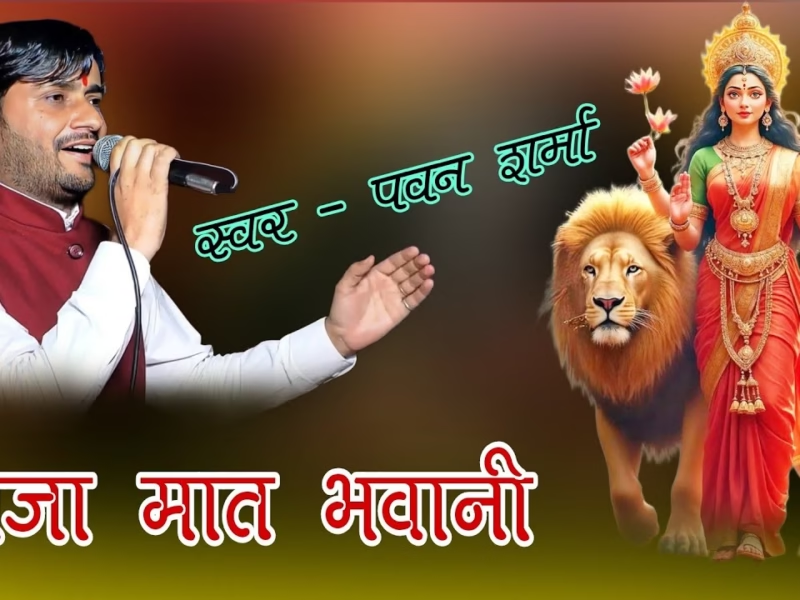
Bhadi Sabha Mein Thane Manaun Lyrics in Hindi & Meaning
Bhadi Sabha Mein Thane Manaun: Invoking the Spear-Wielding Mother Mata Bhawani (श्री ज्वाला भवानी), the fiery manifestation of Shakti worshipped as the Protector of Dharma in Her Dhaulagarh sanctum. Origin & Spiritual Essence Composed in Rajasthani folk tradition by…