
Contents
1. Introduction & Spiritual Essence
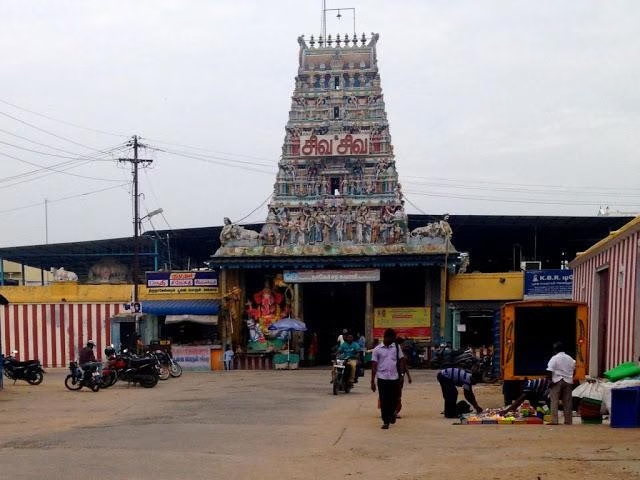
The Nageswarar Temple in Kundrathur, Chennai, stands as a venerable sanctuary dedicated to Lord Shiva. Known locally as Vada Thirunageswaram (The Northern Thirunageswaram), the presiding deity is worshipped as Nageswarar (The Lord of Serpents), while the consort is Kamakshi Amman.
Unlike typical Shiva temples, the primary spiritual draw here is the unique manifestation of the Nagabaranam (serpent enclosure) around the Lingam. This specific formation is deeply associated with the shadow planet Rahu in Vedic astrology. Consequently, the temple is considered a potent solution for those suffering from Rahu Kala doshas or malefic planetary influences.
Phalaśruti (Spiritual Benefits): According to temple tradition and devotee testimonials, worshipping Nageswarar here is particularly effective for:
- Cleansing Ancestral Karma: Especially those afflictions passed down through serpent genealogy.
- Planetary Relief: Pacifying the adverse aspects of Rahu and Ketu.
- Relief from Phobias: Removing deep-seated fears, including ophidiophobia (fear of snakes).
2. Historical Origins & Scriptural Legend
The history of the Nageswarar Temple is intertwined with the literary brilliance of the 12th century. Tradition holds that the temple was constructed by the celebrated Saivite saint and poet, Sekkizhar. He is renowned for compiling the Periya Puranam, a hagiographical account of the 63 Nayanars.
The Legend of Sekkizhar: Local lore suggests that Sekkizhar had a divine vision to build a temple mirroring the holy town of Thirunageswaram (near Kumbakonam). Hence, this site in Chennai earned the name Vada Thirunageswaram (Northern Thirunageswaram). The architectural layout and the energy of the sanctum are believed to mirror the southern original.
Scriptural Context: While the temple follows general Saivite Agama principles, the specific Sthala Purana (local legend) highlights the importance of the Naga (serpent) imagery. In the sanctum, the serpent (Rahu) is depicted hooded over the Lingam, a visual representation of the planetary deity seeking penance and protection before Lord Shiva.
3. Architectural Marvels
The temple is a classic example of the Dravidian style of architecture, characterized by its towering Gopurams (gateway towers) and intricate sculptural work. The structure is designed according to Vastu Shastra, ensuring the flow of positive energy toward the central sanctum (Garbhagriha).
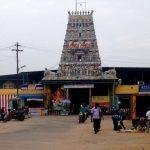
- Shikhara (Tower): The temple features a modest but elegant Rajagopuram (main entrance tower) that welcomes devotees into the courtyard.
- Mandapas: A pillared hall facilitates the conduct of rituals and festivals. The Nandi Mandapa houses the monolithic bull statue facing the main deity.
- Sanctum Sanctorum: The inner sanctum is unique; the Nageswarar Lingam is enveloped by a permanent stone serpent structure, a rare architectural feature dedicated to Rahu.
Note: As of current records, this temple is a protected heritage site managed by local authorities, maintaining its traditional sanctity against modern urban encroachment.
4. Darshan & Ritual Logistics
To facilitate a smooth darshan, the temple management has established a fixed schedule. Please note that timings may vary slightly during festival seasons or extreme weather conditions.
Daily Darshan Timings
| Session | Time | Details |
|---|---|---|
| Morning | 06:00 AM – 12:00 Noon | Includes Morning Abhishekam and Archana |
| Evening | 05:00 PM – 08:30 PM | Includes Deepa Aradhana and Pooja |
Key Sevas & Online Booking
The temple offers various Sevas (ritual offerings) dedicated to pleasing Lord Nageswarar and Goddess Kamakshi.
- Rahu Graha Shanti Pooja: Specialized ritual for pacifying the planet Rahu. Best performed on Tuesdays or Saturdays.
- Abhishekam: Ritual bathing of the deity with milk, honey, and sandalwood paste.
- Archana: Recitation of names (e.g., Ashtothram) for personal well-being.
Online Booking: While the temple has a local administration, devotees can often book general darshan or specific Sevas through the official Tamil Nadu Temples portal or by contacting the temple office directly via the phone numbers listed in the footer. It is recommended to call ahead for 2026 festival bookings.
2026 Major Festivals
- Brahmmotsavam (April – May 2026): A 10-day grand festival culminating on Chitra Poornima. The 8th day features a grand procession of the Nalvar (four Saivite saints) alongside Sekkizhar.
- Guru Puja (May – June 2026): Celebrated for 10 days in the month of Vaikasi. A unique highlight is the procession where Sekkizhar enters the sanctum to worship Lord Shiva, symbolizing the poet’s devotion.
- Masi Magam (February 2026): A significant celestial event celebrated with the float festival in the temple tank.
5. Practical Visitor Guidance
Ensuring a respectful and comfortable visit is paramount for devotees.
- Dress Code: Traditional attire is encouraged. Men should wear dhotis or formal trousers with shirts; women should wear sarees, salwar kameez, or formal skirts. Avoid shorts and sleeveless tops.
- Photography & Mobiles: Photography is generally restricted inside the sanctum. Mobile phones should be kept on silent mode or deposited at the counter if required.
- Crowd Management:
- Best Hours: Early mornings (6:00 AM – 7:00 AM) or late evenings (7:00 PM onwards) offer a quieter darshan.
- Weekends: Kundrathur attracts local crowds on Sundays; plan accordingly.
- Seasonal Advice: During May (summer), the granite floors heat up—carrying water and footwear is essential. During Margazhi (Dec-Jan), morning crowds are dense.
- Accessibility: The temple complex is grounded; ramps are available for wheelchair access in the main courtyard, though steps lead to the inner sanctum.
6. Pilgrimage Connectivity
How to Reach
The Nageswarar Temple is centrally located in Kundrathur, a suburb of Chennai.
- By Road: Located right behind the Kundrathur bus depot. Accessible via GST Road (NH 48) via the Pallavaram koot road, or via Porur Junction. Frequent town buses (88 series, M89, 60A) ply from Vadapalani, Tambaram, and Broadway.
- Nearest Railway Station: Guindy Railway Station (approx. 16 km) or Chennai Central (approx. 26 km).
- Nearest Metro: Alandur Metro Station (approx. 15 km) on the Blue Line.
- Nearest Airport: Chennai International Airport (Meenambakkam) is approximately 15 km away, roughly a 30-45 minute drive via Poonamallee High Road.
Nearby Sacred Sites (Circuit)
For devotees planning a full day of pilgrimage, consider visiting these nearby temples:
- Mangadu Kamakshi Amman Temple: (Approx. 4 km) A historic temple dedicated to Goddess Kamakshi in her penance form.
- Kundrathur Murugan Temple: (Approx. 2 km) Located on the hillock, offering panoramic views of Chennai city.
- Sri Vedanthangal Temple: (Accessible via GST Road) A unique temple where the primary deity is the Presiding Goddess as a child, seated in a mortar.
7. Frequently Asked Questions (FAQ)
1. Is there a VIP or Special Entry Darshan available?
The temple administration prioritizes accessibility for all devotees. While there isn’t a commercially branded “VIP” ticket, donating to the temple Hundi (offering box) may allow for expedited viewing during crowded periods. Contact the office for specific rituals that allow direct entry to the sanctum.
2. Can I perform the Rahu Pooja for my horoscope?
Yes, this is the primary specialty of the temple. The Rahu Pooja is highly recommended for those undergoing Rahu Mahadasha or Rahu Antardasha. It is best performed on Tuesdays or Fridays. Booking in advance is advised as it requires a specific priest and materials.
3. Are there accommodation facilities nearby?
While the Nageswarar Temple itself does not have guesthouses, the Kundrathur area offers numerous lodges and guest houses. For a more comfortable stay, devotees often prefer hotels in Porur or Guindy, which are just a 15-20 minute drive away.
4. Is the temple open on Pournami (Full Moon)?
Yes, the temple remains open. In fact, full moon days, particularly Chitra Pournami, are significant here due to the Brahmotsavam festival. Expect larger crowds on these days.
5. What is the history of the four poet saints mentioned here?
Gnanasambandhar, Thirunavukkarasar, Sundarar, and Manickavasagar are the four primary Appars (Saints) of Saivism. Sekkizhar, the builder of this temple, revered them. During the Brahmotsavam, their idols are taken in procession alongside Sekkizhar, honoring the literary heritage of Tamil Shaivism.
Photo Gallery
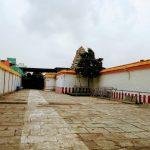
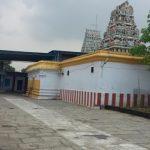
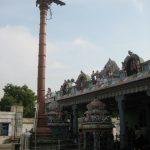
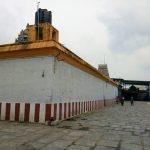
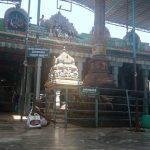
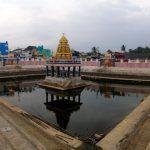
Visuals of the temple architecture, the Nagaraja shrine, and festival processions.
Recent Posts

Shri Kaamkoteeshwar Mandir, Varanasi – History & Significance
In the heart of Kashi, the eternal city of Lord Shiva, where the Ganges flows with celestial grace, stands the Shri Kaamkoteeshwar Mandir. This sacred Sannidhi is not merely a temple but a profound spiritual bridge between the Northern…

ओ सांवरे तूने ही मुझको संभाला – Lyrics & Meaning
ओ सांवरे तूने ही मुझको संभाला – A Prayer to Shyam Origin & Spiritual Essence Why This Bhajan Resonates Devotees chant this when overwhelmed by life’s storms—the refrain ‘तूने ही मुझको संभाला’ is the soul’s sigh of relief: “You…

कथा ये है महाराज मेरे की – Lyrics & Meaning
कथा ये है महाराज मेरे की छत्रपति संभाजी महाराज – A Prayer to Chhatrapati Sambhaji Maharaj Origin & Spiritual Essence Why This Bhajan Resonates Devotees chant this when their spirit feels tested—its powerful refrain “महाराज मेरे” is a soul’s…

Rigveda Samhita Yathartha Anuvada (ऋग्वेद संहिता यथार्थ अनुवाद) – Complete Set with Anvayartha & Hindi/English Translation
The Rigveda is the oldest surviving scripture of humanity and the foundational text of Sanātana Dharma. For serious students, scholars, UPSC aspirants studying ancient Indian history, Sanskrit learners, and spiritual seekers, a precise and grammatically structured translation is indispensable.…

आना भी अकेला है जाना भी अकेला है – Lyrics & Meaning | BharatTemples
आना भी अकेला है जाना भी अकेला है – A Prayer to the Divine Witness Origin & Spiritual Essence Why This Bhajan Resonates Devotees turn to this bhajan in moments of deep reflection—when life’s attachments begin to ache. The…

माता शेरावाली के द्वार जो भी जाता है – Lyrics & Meaning
माता शेरावाली के द्वार जो भी जाता है – A Prayer to Maa Sherawali Origin & Spiritual Essence Why This Bhajan Resonates Devotees turn to this bhajan in times of fear or uncertainty—its promise that no one leaves Maa’s…

मार लेना सपणी उबार लेणा भवरा – Lyrics & Meaning
मार लेना सपणी उबार लेणा भवरा – A Prayer to the Divine Beloved Origin & Spiritual Essence Why This Bhajan Resonates Devotees chant this in moments of deep vulnerability—its cry of “मार लेना सपणी, उबार लेणा भवरा” is the…

हमें श्याम सुंदर भरोसा तुम्हारा – Lyrics & Meaning
हमें श्याम सुंदर भरोसा तुम्हारा – A Prayer to Shyam Sundar Origin & Spiritual Essence Why This Bhajan Resonates Devotees chant this when feeling alone—its refrain ‘de do sahara’ is the soul’s cry for divine support. Lyrics in Hindi…

Mere Satguru Ne Di Thi Davai Lyrics in Hindi & Meaning
Mere Satguru Ne Di Thi Davai: Invoking the Guru’s Liberating Wisdom This soul-stirring bhajan venerates the Satguru (True Spiritual Master) as the divine physician who dispenses the only remedy for life’s deepest sufferings. Composed by Sant Karmaveer Tufani, it…

Janm Diyo Thari Maa Dukh Dekhiyo Lyrics in Hindi & Meaning
जन्म दियो थारी माँ दुख देखियो (Maa’s Grief Upon Birthing You) This soul-stirring Chetavani Bhajan (admonitory hymn) is addressed to the Divine Mother (Maa) – a call for repentance when children forget their filial duties in the dark age…