
Contents
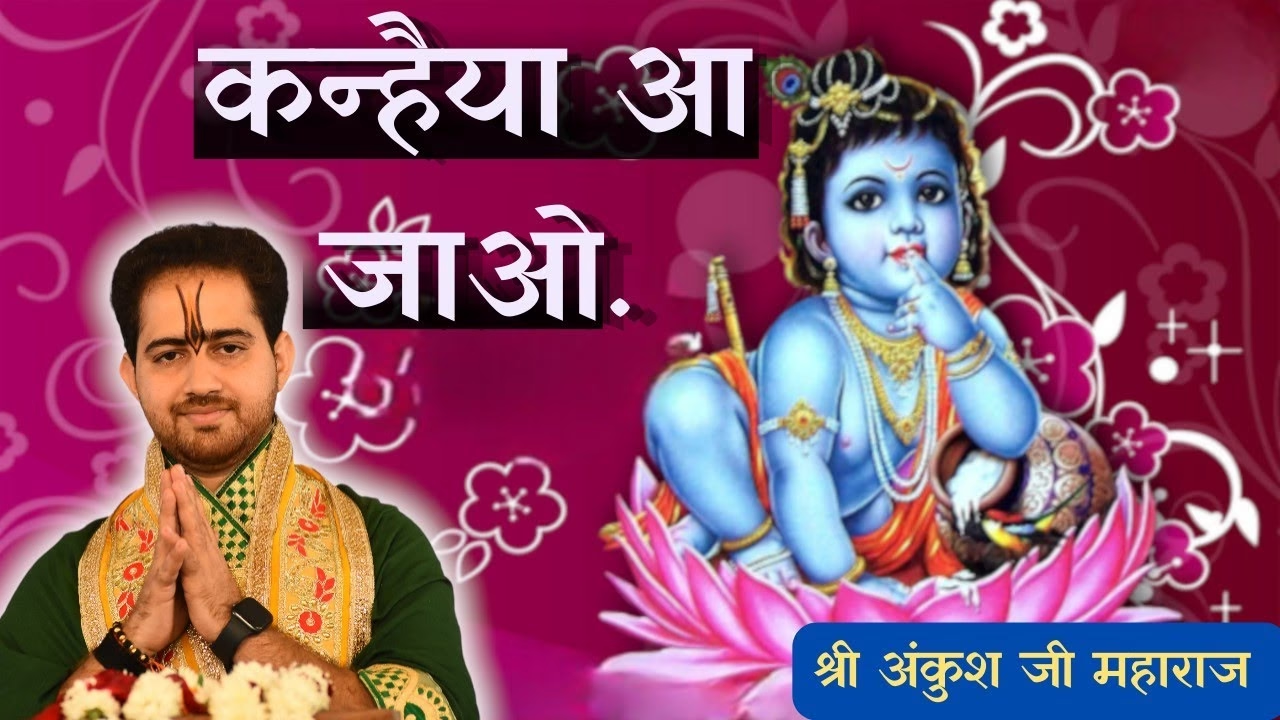
This bhajan is composed by Shri Ankush Ji Maharaj and is a part of the Pushti Marg tradition. The phalaśruti of this bhajan is to attain divine union and spiritual bliss. Devotees chant this bhajan to express their longing for Lord Krishna’s presence in their lives.
Why Devotees Love This Bhajan
Devotees love this bhajan because it brings them comfort in separation and helps them to focus on their spiritual journey. The bhajan’s soothing melody and heartfelt lyrics make it a favorite among Krishna devotees.
Lyrics in Hindi (Devanagari)
नैना पलक बिछाए है,
कन्हैया आ जाओ,
आ जाओ कन्हैया आ जाओ,
आ जाओ कन्हैया आ जाओ।।

कब से निहारे बाट तुम्हारी,
कब से निहारे बाट तुम्हारी,
आ जाओ अब कृष्ण मुरारी,
आ जाओ अब कृष्ण मुरारी,
तुम्हें भक्त बुलाए है,
कन्हैया आ जाओ।।

सांवरी सलोनी सूरत तुम्हारी,
सांवरी सलोनी सूरत तुम्हारी,
मन में बसी है हे गिरधारी,
मन में बसी है हे गिरधारी,
हम आस लगाए है,
कन्हैया आ जाओ।।

गिद्ध अजामिल कि टेर सुनि प्रभु,
गिद्ध अजामिल की टेर सुनि प्रभु,
शबरी के खाए है बैर सुनि प्रभु,
शबरी के खाए है बैर सुनि प्रभु,
‘अंकुश’ बिलमाए है,
कन्हैया आ जाओ।।

नैना पलक बिछाए है,
कन्हैया आ जाओ,
आ जाओ कन्हैया आ जाओ,
आ जाओ कन्हैया आ जाओ।।
English Transliteration
Nainaa palak bichhaaye hai,
Kanhaiyaa aa jao,
Aa jao Kanhaiyaa aa jao,
Aa jao Kanhaiyaa aa jao।।

Kab se nihare baat tumhaari,
Kab se nihare baat tumhaari,
Aa jao ab Krishn Muraari,
Aa jao ab Krishn Muraari,
Tumhein bhakt bulaye hai,
Kanhaiyaa aa jao।।

Saawari saloni soorat tumhaari,
Saawari saloni soorat tumhaari,
Man mein basi hai he Giridhaari,
Man mein basi hai he Giridhaari,
Ham aas lagaye hai,
Kanhaiyaa aa jao।।

Giddh Ajamil ki ter suni Prabhu,
Giddh Ajamil ki ter suni Prabhu,
Shabari ke khaaye hai bair suni Prabhu,
Shabari ke khaaye hai bair suni Prabhu,
‘Ankush’ bilaamaye hai,
Kanhaiyaa aa jao।।

Nainaa palak bichhaaye hai,
Kanhaiyaa aa jao,
Aa jao Kanhaiyaa aa jao,
Aa jao Kanhaiyaa aa jao।।
Simple English Meaning
This bhajan is a heartfelt prayer to Lord Krishna, where the devotee expresses their longing for His presence. The lyrics describe the devotee’s eagerness to see Krishna and be with Him. The bhajan also mentions the stories of Giddh Ajamil and Shabari, who were blessed by Krishna’s mercy.
When & How to Chant
This bhajan can be chanted at any time, but it is most effective during the early morning or evening hours. Devotees can chant this bhajan while performing their daily aarti or during their meditation sessions.
Cultural Notes
This bhajan is a popular Krishna bhajan in the Rajasthani style, and it is often sung by devotees during the festival of Janmashtami. The bhajan’s soothing melody and heartfelt lyrics make it a favorite among Krishna devotees.
Recent Posts

ओ सांवरे तूने ही मुझको संभाला – Lyrics & Meaning
ओ सांवरे तूने ही मुझको संभाला – A Prayer to Shyam Origin & Spiritual Essence Why This Bhajan Resonates Devotees chant this when overwhelmed by life’s storms—the refrain ‘तूने ही मुझको संभाला’ is the soul’s sigh of relief: “You…

कथा ये है महाराज मेरे की – Lyrics & Meaning
कथा ये है महाराज मेरे की छत्रपति संभाजी महाराज – A Prayer to Chhatrapati Sambhaji Maharaj Origin & Spiritual Essence Why This Bhajan Resonates Devotees chant this when their spirit feels tested—its powerful refrain “महाराज मेरे” is a soul’s…

Rigveda Samhita Yathartha Anuvada (ऋग्वेद संहिता यथार्थ अनुवाद) – Complete Set with Anvayartha & Hindi/English Translation
The Rigveda is the oldest surviving scripture of humanity and the foundational text of Sanātana Dharma. For serious students, scholars, UPSC aspirants studying ancient Indian history, Sanskrit learners, and spiritual seekers, a precise and grammatically structured translation is indispensable.…

आना भी अकेला है जाना भी अकेला है – Lyrics & Meaning | BharatTemples
आना भी अकेला है जाना भी अकेला है – A Prayer to the Divine Witness Origin & Spiritual Essence Why This Bhajan Resonates Devotees turn to this bhajan in moments of deep reflection—when life’s attachments begin to ache. The…

माता शेरावाली के द्वार जो भी जाता है – Lyrics & Meaning
माता शेरावाली के द्वार जो भी जाता है – A Prayer to Maa Sherawali Origin & Spiritual Essence Why This Bhajan Resonates Devotees turn to this bhajan in times of fear or uncertainty—its promise that no one leaves Maa’s…

मार लेना सपणी उबार लेणा भवरा – Lyrics & Meaning
मार लेना सपणी उबार लेणा भवरा – A Prayer to the Divine Beloved Origin & Spiritual Essence Why This Bhajan Resonates Devotees chant this in moments of deep vulnerability—its cry of “मार लेना सपणी, उबार लेणा भवरा” is the…

हमें श्याम सुंदर भरोसा तुम्हारा – Lyrics & Meaning
हमें श्याम सुंदर भरोसा तुम्हारा – A Prayer to Shyam Sundar Origin & Spiritual Essence Why This Bhajan Resonates Devotees chant this when feeling alone—its refrain ‘de do sahara’ is the soul’s cry for divine support. Lyrics in Hindi…

Mere Satguru Ne Di Thi Davai Lyrics in Hindi & Meaning
Mere Satguru Ne Di Thi Davai: Invoking the Guru’s Liberating Wisdom This soul-stirring bhajan venerates the Satguru (True Spiritual Master) as the divine physician who dispenses the only remedy for life’s deepest sufferings. Composed by Sant Karmaveer Tufani, it…

Janm Diyo Thari Maa Dukh Dekhiyo Lyrics in Hindi & Meaning
जन्म दियो थारी माँ दुख देखियो (Maa’s Grief Upon Birthing You) This soul-stirring Chetavani Bhajan (admonitory hymn) is addressed to the Divine Mother (Maa) – a call for repentance when children forget their filial duties in the dark age…
Bhadi Sabha Mein Thane Manaun Lyrics in Hindi & Meaning
Bhadi Sabha Mein Thane Manaun: Invoking the Spear-Wielding Mother Mata Bhawani (श्री ज्वाला भवानी), the fiery manifestation of Shakti worshipped as the Protector of Dharma in Her Dhaulagarh sanctum. Origin & Spiritual Essence Composed in Rajasthani folk tradition by…