

Contents
Introduction & Spiritual Essence
The Neelkanth Mahadev Temple is one of the most revered holy shrines dedicated to Lord Shiva, situated amidst the dense forests and mountain ranges of Nar-Narayan in the Pauri Garhwal district of Uttarakhand. Standing at an altitude of 1,330 meters, this temple is a beacon for devotees seeking spiritual cleansing and the blessings of the “Blue-Throated Lord.”
Phalaśruti: The Spiritual Benefit
Devotees visit the Neelkanth Mahadev Temple not only for its architectural beauty but for its profound spiritual energy. According to legend, worshipping here grants immense merit. The primary benefit cited in scriptural traditions is the cleansing of ancestral karma and the removal of sins that obstruct spiritual progress (Moksha). It is believed that offering sincere prayers here brings mental peace, prosperity, and protection from negative planetary influences.
Historical Origins & Scriptural Legend
While the temple’s architectural origins are traced to the post-medieval era, its spiritual roots are anchored in the depths of ancient mythology.
The Legend of Samudramanthan
According to Hindu mythology, the temple stands on the very ground where Lord Shiva consumed the poison (Halahala) that originated from the Samudramanthan (churning of the cosmic ocean). This poison was so potent it threatened to destroy the universe. To save creation, Lord Shiva drank it, holding it in his throat. This act turned his throat blue, earning him the name Neelkanth (The Blue-Throated One).
Local Tradition & Renovations
Tradition holds that the site has been a place of worship for centuries, though the current structure underwent significant renovation in the 12th century. Historical accounts and temple records suggest that the temple complex was further expanded by the rulers of the Garhwal dynasty to facilitate pilgrimage in the Himalayas. The natural spring found within the complex is considered a divine manifestation of this event, where pilgrims traditionally bathe before darshan.
Architectural Marvels
The Neelkanth Mahadev Temple is a stunning example of the Nagara style of temple architecture, prevalent in Northern India. The structure is designed in accordance with Vastu Shastra principles, ensuring a flow of positive energy.
The Shikhara and Mandapas
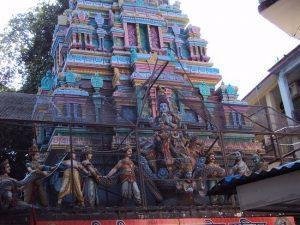
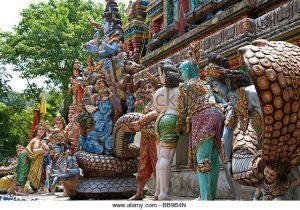
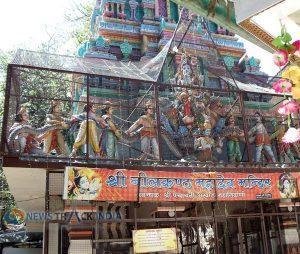
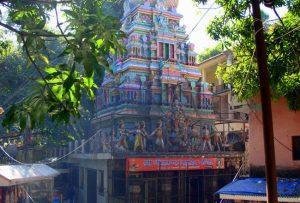
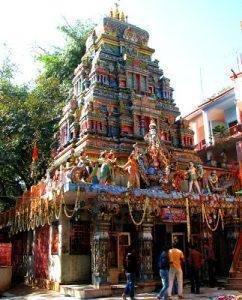
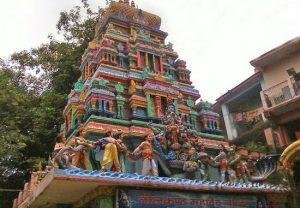
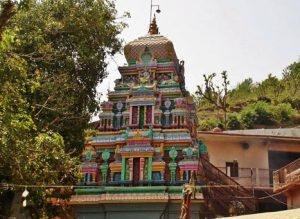
The temple features a towering Shikhara (spire) that rises elegantly against the Himalayan skyline. The exterior walls are adorned with intricate sculptures depicting scenes from Hindu mythology, most notably the Samudramanthan, showcasing Devas (gods) and Asuras (demons) churning the ocean.
The Sanctum and Natural Spring
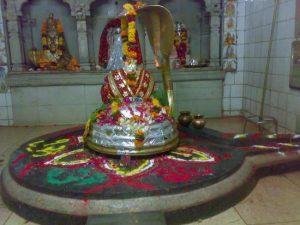
The inner sanctum houses the Shivalinga, which is believed to be Swayambhu (self-manifested). The complex is unique for its natural spring, where cool, crystal-clear water flows continuously. While the temple is not a UNESCO site, it is maintained with high reverence and is an architectural gem of the Garhwal region.
Photo Gallery

Darshan & Ritual Logistics
Planning your visit requires understanding the daily rituals. Note: The timings below are standard and should be verified with local authorities as they may vary seasonally.
Daily Timings
| Session | Timing | Activity |
|---|---|---|
| Morning | 06:00 AM – 12:00 PM | Morning Abhishekam & General Darshan |
| Afternoon | 12:00 PM – 01:00 PM | Temple Rest Period |
| Evening | 03:00 PM – 06:00 PM | Evening Aarti & Darshan |
| Night | 07:00 PM | Shayan Aarti (Closing) |
Key Sevas & Online Booking
Devotees can perform various Sevas at the temple. While online booking availability can fluctuate, the following are the most sought-after rituals:
- Rudrabhishekam: A powerful Vedic ritual for purification and blessings.
- Shiva Mahimna Stotra Archana: Chanting of specific hymns dedicated to Lord Shiva.
- Bilva Patra Abhishekam: Offering sacred leaves to the Shivalinga.
Note: For online booking, check the official Uttarakhand Tourism website or the specific temple trust portal (if available) closer to your travel date.
2026 Festival Dates
- Maha Shivaratri: February 26, 2026 (Major pilgrimage day).
- Shravan Month: July 14 – August 11, 2026 (Peak season for Kanwar Yatra).
- Maha Mrityunjaya Jaap: During Kartik Purnima (November 5, 2026).
Practical Visitor Guidance
Code of Conduct & Rules
- Dress Code: Traditional attire is recommended. Men should wear dhotis or trousers (no shorts), and women should wear sarees or full-length dresses.
- Photography: Strictly prohibited inside the inner sanctum. Photography in the outer complex is allowed but should be respectful.
- Electronics: Mobile phones are allowed, but silence is maintained in the sanctum. Some areas may require phones to be switched to silent mode.
Crowd Management & Seasonal Advice
The temple attracts huge crowds during Shivratri and the month of Shravan.
- Best Hours: Early morning (before 7:00 AM) or late evening (after 5:00 PM) to avoid long queues.
- Summer (May-June): Days are warm, but the high altitude keeps nights cool. Carry sufficient water as hydration is key.
- Winter (Nov-Feb): Temperatures drop significantly. Carry heavy woolens and woolen socks.
- Monsoon (July-Sept): The region is prone to landslides. Check road status before traveling.
Pilgrimage Connectivity
How to Reach
Neelkanth Mahadev is located about 32 km from Rishikesh.
- By Air: The nearest airport is Jolly Grant Airport, Dehradun (approx. 50 km from Rishikesh).
- By Rail: The nearest railway station is Rishikesh (32 km away). From Rishikesh, taxis and buses are available to Neelkanth.
- By Road: The temple is connected via the Chandbad-Narendra Nagar-Neelkanth Road. It is a scenic drive through the hills. Private taxis are available from Rishikesh taxi stand.
Nearby Sacred Sites
To extend your spiritual journey, consider visiting these nearby locations:
- Parmarth Niketan Ashram (Rishikesh): Famous for its evening Ganga Aarti.
- Trimbakeshwar Temple (Rishikesh): A multi-story temple complex dedicated to Lord Shiva.
- Vashishta Gufa (Cave): An ancient cave where Sage Vashishta meditated, located en route to Neelkanth.
Frequently Asked Questions (FAQ)
Is there a VIP darshan entry?
Yes, the temple management often provides a separate line for quick darshan, usually at a nominal fee. However, during peak hours (Shivratri, Mondays in Shravan), VIP entry may be closed due to heavy crowds.
Is there a facility for shoe storage?
Yes, there is a designated shoe-keeping counter outside the temple premises where you can deposit your footwear for a minimal fee. It is recommended to avoid carrying expensive footwear.
Can we carry our own Puja items?
While you can carry flowers and Bilva leaves, abhishekam items (milk, honey, curd) are generally purchased from authorized vendors near the temple to maintain purity standards. Outside items are sometimes restricted.
Is the temple accessible for elderly people?
The temple is situated at a height and requires walking up stairs. However, the path is paved. For those unable to climb, a doli (palanquin) service is available from the parking area for an extra charge.
Are there accommodation options near the temple?
Basic guest houses and Dharamshalas are available near Neelkanth. However, most pilgrims prefer staying in Rishikesh or Swargashram due to better amenities and variety of hotels.
Recent Posts

Shri Kaamkoteeshwar Mandir, Varanasi – History & Significance
In the heart of Kashi, the eternal city of Lord Shiva, where the Ganges flows with celestial grace, stands the Shri Kaamkoteeshwar Mandir. This sacred Sannidhi is not merely a temple but a profound spiritual bridge between the Northern…

ओ सांवरे तूने ही मुझको संभाला – Lyrics & Meaning
ओ सांवरे तूने ही मुझको संभाला – A Prayer to Shyam Origin & Spiritual Essence Why This Bhajan Resonates Devotees chant this when overwhelmed by life’s storms—the refrain ‘तूने ही मुझको संभाला’ is the soul’s sigh of relief: “You…

कथा ये है महाराज मेरे की – Lyrics & Meaning
कथा ये है महाराज मेरे की छत्रपति संभाजी महाराज – A Prayer to Chhatrapati Sambhaji Maharaj Origin & Spiritual Essence Why This Bhajan Resonates Devotees chant this when their spirit feels tested—its powerful refrain “महाराज मेरे” is a soul’s…

Rigveda Samhita Yathartha Anuvada (ऋग्वेद संहिता यथार्थ अनुवाद) – Complete Set with Anvayartha & Hindi/English Translation
The Rigveda is the oldest surviving scripture of humanity and the foundational text of Sanātana Dharma. For serious students, scholars, UPSC aspirants studying ancient Indian history, Sanskrit learners, and spiritual seekers, a precise and grammatically structured translation is indispensable.…

आना भी अकेला है जाना भी अकेला है – Lyrics & Meaning | BharatTemples
आना भी अकेला है जाना भी अकेला है – A Prayer to the Divine Witness Origin & Spiritual Essence Why This Bhajan Resonates Devotees turn to this bhajan in moments of deep reflection—when life’s attachments begin to ache. The…

माता शेरावाली के द्वार जो भी जाता है – Lyrics & Meaning
माता शेरावाली के द्वार जो भी जाता है – A Prayer to Maa Sherawali Origin & Spiritual Essence Why This Bhajan Resonates Devotees turn to this bhajan in times of fear or uncertainty—its promise that no one leaves Maa’s…

मार लेना सपणी उबार लेणा भवरा – Lyrics & Meaning
मार लेना सपणी उबार लेणा भवरा – A Prayer to the Divine Beloved Origin & Spiritual Essence Why This Bhajan Resonates Devotees chant this in moments of deep vulnerability—its cry of “मार लेना सपणी, उबार लेणा भवरा” is the…

हमें श्याम सुंदर भरोसा तुम्हारा – Lyrics & Meaning
हमें श्याम सुंदर भरोसा तुम्हारा – A Prayer to Shyam Sundar Origin & Spiritual Essence Why This Bhajan Resonates Devotees chant this when feeling alone—its refrain ‘de do sahara’ is the soul’s cry for divine support. Lyrics in Hindi…

Mere Satguru Ne Di Thi Davai Lyrics in Hindi & Meaning
Mere Satguru Ne Di Thi Davai: Invoking the Guru’s Liberating Wisdom This soul-stirring bhajan venerates the Satguru (True Spiritual Master) as the divine physician who dispenses the only remedy for life’s deepest sufferings. Composed by Sant Karmaveer Tufani, it…

Janm Diyo Thari Maa Dukh Dekhiyo Lyrics in Hindi & Meaning
जन्म दियो थारी माँ दुख देखियो (Maa’s Grief Upon Birthing You) This soul-stirring Chetavani Bhajan (admonitory hymn) is addressed to the Divine Mother (Maa) – a call for repentance when children forget their filial duties in the dark age…