
Contents
1. Introduction & Spiritual Essence: The Song of the Ancient Poet
Nestled in the spiritual geography of Kanchipuram, the Ona Kantheeswarar Temple (also known as Onakanthali) stands as a timeless beacon of Shaivism. Dedicated to Lord Shiva in the form of Ona Kantheeswarar and his consort Kamakshi, this temple is not merely a structure of stone but a living vessel of divine energy.
As a revered Paadal Petra Sthalam, it is one of the 275 temples glorified in the Tevaram, the 7th-century Tamil Saiva canonical work composed by the legendary Nayanar saints.
Phalaśruti: The Spiritual Benefits
Why do pilgrims traverse to this corner of Panjupettai? Tradition holds that:
- Restoration of Vision and Word: The temple is intrinsically linked to the legend of Saint Sundarar, who is believed to have regained his lost eye and honored his word through the grace of Ona Kantheeswarar.
- Ancestral Liberation: Performing rituals here is believed to cleanse ancestral karma, offering spiritual liberation (Moksha) to forefathers.
- Golden Blessings: Devotees seek the grace of the Lord who turned tamarind leaves to gold for his devotee, symbolizing the transformation of hardship into prosperity.
2. Historical Origins & Scriptural Legend
The history of Ona Kantheeswarar is a tapestry of scriptural grandeur and folkloric mysticism.
The Legend of Onan and Kanthan
According to the Sthala Purana, the temple derives its name from two Asuras (demons) named Onan and Kanthan. Once, these demons acquired a Lingam from a nearby forest and, driven by sudden devotion, erected a shrine for it. Pleased by their intense Tapas (penance), Lord Shiva granted them boons. The temple is believed to house the self-manifested (Swayambhu) Lingam established by these beings. Later, a third demon, Jalandeeswaran, also joined them, leading to the establishment of the three shrines found within the complex today.
The Tevaram Connection
In the 7th century, the Nayanar saint Sundarar visited this temple and composed a verse in the Seventh Thirumurai. Tradition states that after visiting the Ekambaranathar Temple, Sundarar faced consequences for breaking a promise; it was at this temple that Lord Shiva, testing his devotion, turned the leaves of a tamarind tree into golden leaves and showered them upon the saint, restoring his sight and dignity.
3. Architectural Marvels
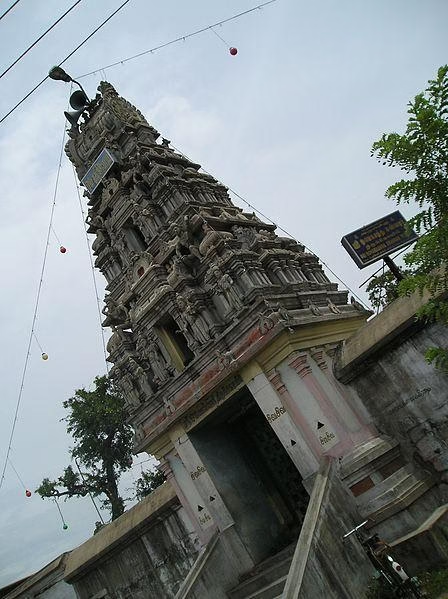
The architecture of Ona Kantheeswarar Temple is a classic example of the Dravidian style, characterized by precision and symbolism.
Structure and Layout
- Rajagopuram: The temple features a modest yet elegant three-tiered Rajagopuram (gateway tower) facing the East, welcoming devotees into the sacred precinct.
- The Sanctum: The central shrine houses the granite Lingam of Ona Kantheeswarar. As a Swayambhu Murthy, the deity is considered self-manifested.
- Presiding Deity: The Lingam faces east, bathed in natural light.
Notable Shrines and Sculptures
Within the single Prakaram (outer courtyard), devotees will find:
- Consort Shrine: Unlike many standalone Shiva temples, there is no separate shrine for Parvathi here. Devotees worship the universal Kamakshi of Kanchipuram as the consort for all Shiva temples in the region.
- Sub-Shrines: Dedicated shrines for Salantheeswarar and Jalandeeswarar (associates of the main deity).
- Unique Feature: A shrine for Vaiyurunthi Pillayar (Vinayagar). A notable attraction is the Vinayagar deity at the Thiruvonakandan mandapam; if devotees place their ear near the deity, they reportedly hear a resonant Omkhara sound (the sound of ‘Om’).
- Vaahanam: The Nandi (bull) statue, facing the Lingam, stands tall on a granite pedestal.
ASI and Preservation
The temple is maintained by the Hindu Religious and Endowment Board of the Government of Tamilnadu. While it may not have a specific UNESCO listing, its classification as a Paadal Petra Sthalam places it under high cultural heritage protection.
Visual Experience: Temple Gallery
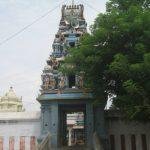
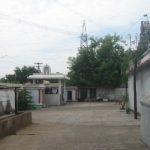
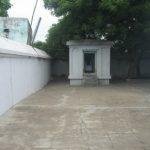
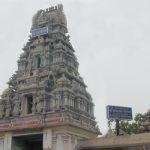
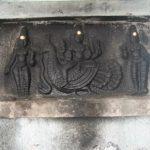
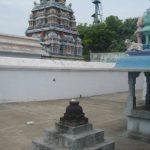

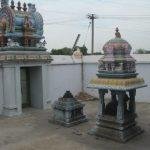
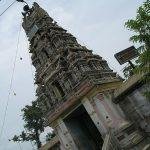
(Note: Images depict the Dravidian architecture and sanctity of Ona Kantheeswarar Temple)
4. Darshan & Ritual Logistics
The temple follows a strict schedule of rituals, ensuring that the vibrancy of worship is maintained throughout the day.
Daily Timings
The temple remains open continuously from morning until evening. Below is the detailed schedule for 2026:
| Session | Timings | Activity |
|---|---|---|
| Morning | 7:00 AM – 12:00 PM | Abhishekam & General Darshan |
| Afternoon | 12:00 PM – 4:00 PM | Temple Rest / Deepa Aradhana |
| Evening | 4:00 PM – 8:00 PM | Darshan & Arthajama Pooja |
Key Sevas and Booking
While standard darshan is free, devotees often opt for special Sevas to enhance their spiritual connection.
- Abhishekam: Ritual bathing of the deity. Best performed on Mondays and Pradosham.
- Archana: Recitation of names. The most popular is the Ekadasa Rudram.
- Online Booking: While the temple administration handles local inquiries, special sevas for major festivals can be coordinated via the HR&CE Department of Tamil Nadu (Check official Tamil Nadu temples portal for 2026 updates).
2026 Festival Calendar
The temple observes three major annual festivals. Plan your visit around these auspicious dates:
- Pradosham: Occurring every 13th/28th lunar day (twice a month).
- Margazhi Thiruvathirai: (Mid-December 2025 to Mid-January 2026). Special abhishekam and procession.
- Aippasi Full Moon (Karthigai Deepam): November 14, 2026. The most prominent festival, celebrated with deepa aradhana (lamp lighting) and special Vedic recitations.
5. Practical Visitor Guidance
Dress Code & Etiquette
Traditional attire is recommended. Men should wear dhotis or trousers with a shirt; women should wear sarees or salwar kameez. Avoid shorts or sleeveless tops to maintain the sanctity of the temple.
Photography & Electronic Devices
Photography inside the sanctum sanctorum is strictly prohibited. Mobile phones should be silenced during darshan. There are lockers available near the entrance for a minimal fee.
Accessibility
The temple has an elevated structure but is generally accessible for elderly devotees. However, the corridors are narrow, so wheelchairs may have difficulty navigating the inner prakaram.
Crowd Management & Seasonal Advice
- Best Time to Visit: Weekday mornings (7:00 AM – 9:00 AM) are least crowded.
- Summer (May – June): Kanchipuram can get hot. Carry water bottles and an umbrella. The temple trust often provides buttermilk during this season.
- Monsoon: Carry a raincoat, as Panjupettai roads can get waterlogged.
6. Pilgrimage Connectivity
Ona Kantheeswarar Temple is located in the heart of Kanchipuram, making it accessible via multiple modes of transport.
How to Reach
- By Air: The nearest airport is Chennai International Airport (MAA), approximately 70 km away (1.5–2 hours drive).
- By Rail: Kanchipuram Railway Station is the nearest railhead (approx. 3 km). Auto-rickshaws are readily available.
- By Road: Kanchipuram is well-connected via NH-48 (Chennai-Bangalore Highway). From the bus stand, take an auto to Panjupettai (1 km southwest of Ekambareswarar Temple).
Nearby Sacred Sites (Pilgrimage Circuit)
To maximize your spiritual journey, include these nearby temples in your itinerary:
- Ekambareswarar Temple: Located just 1 km away. One of the Pancha Bhoota Stalas (representing the element of Earth).
- Kamakshi Amman Temple: The seat of the Goddess in Kanchipuram (approx. 2 km).
- Ulagalandha Perumal Temple: A significant Vishnu temple located in the same vicinity.
7. Frequently Asked Questions (FAQ)
Is there a VIP darshan entry available?
Yes, the temple administration provides a special entry line for elderly devotees and those requiring assistance. While specific ‘VIP’ quotas are generally reserved for large temples, donations for special abhishekam allow for closer access to the deity.
What is the significance of the ‘Om’ sound near Vinayagar?
Devotees believe that placing the ear near the Vinayagar deity in the Thiruvonakandan mandapam allows one to hear the primordial sound of creation, ‘Om’. It is considered a sign of auspiciousness.
Is non-vegetarian food allowed near the temple?
No. As this is a sacred Agama site, strictly vegetarian food should be consumed before entering. The temple precincts and Panjupettai area are traditional zones where non-vegetarian food is discouraged.
What are the accommodation options in Kanchipuram?
Kanchipuram offers various options, from Tamil Nadu Tourism Development Corporation (TTDC) lodges to private hotels. Staying near the Ekambareswarar temple area provides the closest proximity to Ona Kantheeswarar.
Who administers the temple?
The temple is maintained by the Hindu Religious and Endowment (HR&CE) Board of the Government of Tamil Nadu.
Recent Posts

ओ सांवरे तूने ही मुझको संभाला – Lyrics & Meaning
ओ सांवरे तूने ही मुझको संभाला – A Prayer to Shyam Origin & Spiritual Essence Why This Bhajan Resonates Devotees chant this when overwhelmed by life’s storms—the refrain ‘तूने ही मुझको संभाला’ is the soul’s sigh of relief: “You…

कथा ये है महाराज मेरे की – Lyrics & Meaning
कथा ये है महाराज मेरे की छत्रपति संभाजी महाराज – A Prayer to Chhatrapati Sambhaji Maharaj Origin & Spiritual Essence Why This Bhajan Resonates Devotees chant this when their spirit feels tested—its powerful refrain “महाराज मेरे” is a soul’s…

Rigveda Samhita Yathartha Anuvada (ऋग्वेद संहिता यथार्थ अनुवाद) – Complete Set with Anvayartha & Hindi/English Translation
The Rigveda is the oldest surviving scripture of humanity and the foundational text of Sanātana Dharma. For serious students, scholars, UPSC aspirants studying ancient Indian history, Sanskrit learners, and spiritual seekers, a precise and grammatically structured translation is indispensable.…

आना भी अकेला है जाना भी अकेला है – Lyrics & Meaning | BharatTemples
आना भी अकेला है जाना भी अकेला है – A Prayer to the Divine Witness Origin & Spiritual Essence Why This Bhajan Resonates Devotees turn to this bhajan in moments of deep reflection—when life’s attachments begin to ache. The…

माता शेरावाली के द्वार जो भी जाता है – Lyrics & Meaning
माता शेरावाली के द्वार जो भी जाता है – A Prayer to Maa Sherawali Origin & Spiritual Essence Why This Bhajan Resonates Devotees turn to this bhajan in times of fear or uncertainty—its promise that no one leaves Maa’s…

मार लेना सपणी उबार लेणा भवरा – Lyrics & Meaning
मार लेना सपणी उबार लेणा भवरा – A Prayer to the Divine Beloved Origin & Spiritual Essence Why This Bhajan Resonates Devotees chant this in moments of deep vulnerability—its cry of “मार लेना सपणी, उबार लेणा भवरा” is the…

हमें श्याम सुंदर भरोसा तुम्हारा – Lyrics & Meaning
हमें श्याम सुंदर भरोसा तुम्हारा – A Prayer to Shyam Sundar Origin & Spiritual Essence Why This Bhajan Resonates Devotees chant this when feeling alone—its refrain ‘de do sahara’ is the soul’s cry for divine support. Lyrics in Hindi…

Mere Satguru Ne Di Thi Davai Lyrics in Hindi & Meaning
Mere Satguru Ne Di Thi Davai: Invoking the Guru’s Liberating Wisdom This soul-stirring bhajan venerates the Satguru (True Spiritual Master) as the divine physician who dispenses the only remedy for life’s deepest sufferings. Composed by Sant Karmaveer Tufani, it…

Janm Diyo Thari Maa Dukh Dekhiyo Lyrics in Hindi & Meaning
जन्म दियो थारी माँ दुख देखियो (Maa’s Grief Upon Birthing You) This soul-stirring Chetavani Bhajan (admonitory hymn) is addressed to the Divine Mother (Maa) – a call for repentance when children forget their filial duties in the dark age…
Bhadi Sabha Mein Thane Manaun Lyrics in Hindi & Meaning
Bhadi Sabha Mein Thane Manaun: Invoking the Spear-Wielding Mother Mata Bhawani (श्री ज्वाला भवानी), the fiery manifestation of Shakti worshipped as the Protector of Dharma in Her Dhaulagarh sanctum. Origin & Spiritual Essence Composed in Rajasthani folk tradition by…