Othandeeswarar Temple, Thirumazhisai: History, Darshan Timings & Guide
Receive daily temple updates, divine darshan, and morning bhajans directly on WhatsApp.
Contents
- 1 Introduction & Spiritual Essence
- 2 Historical Origins & Scriptural Legend
- 3 Architectural Marvels
- 4 Darshan & Ritual Logistics
- 5 Practical Visitor Guidance
- 6 Pilgrimage Connectivity
- 7 Frequently Asked Questions (FAQ)
Introduction & Spiritual Essence
Deep in the heart of Thirumazhisai (Thiruvallur District), nestled on the bustling highway to Tirupati, stands the ancient Othandeeswarar Temple. This sacred abode of Lord Shiva is a testament to unwavering devotion and miraculous legends. Unlike typical temples, the primary deity here is a Swayambhu (self-manifested) Lingam, radiating immense spiritual energy that draws thousands of devotees annually.
Known locally as the “Kai Thandha Piran” (The Lord who gave back the hand), the deity Othandeeswarar is worshipped alongside his consort, Kulirvithanayaki (Parvathi, who cools the minds of devotees). The spiritual essence here is palpable; it is believed that offering prayers here helps unite couples, bring mental peace, and wash away the sins of the past.
Phalaśruti: Why Devotees Visit
According to local tradition and scriptural records, the benefits of visiting this temple are profound:
- Restoration of Strength: Those facing physical weakness or loss of vitality find solace here.
- Marital Harmony: Lord Shiva and Goddess Parvathi are worshipped in their Kalyana Kolam (wedding posture) behind the main shrine, making this a potent site for resolving conflicts in marriage.
- Ancestral Karma: Performing rituals here is believed to cleanse ancestral debts and assist departed souls in attaining peace.
Historical Origins & Scriptural Legend
The history of the Othandeeswarar Temple is a layered tapestry of Chola grandeur and Vijayanagar patronage.
The Chola Legacy
Historical records and temple inscriptions date the current structure to the 11th century, attributed to the great Chola King Kulothunga Chola II. However, archaeological evidence suggests the shrine existed even earlier, possibly during the Pallava period, evidenced by the distinct style of the Somaskandar idol.
📖 Related: Vaikunda Perumal Temple History and Darshan Timings: Vayalanallur Guide
Local Legends & The Sacred Name
The Miracle of the Severed Hand:
Tradition holds that a Chola monarch, King Karikal Peruvalathan, was on his way to worship Shiva when his royal elephant’s leg was trapped in a thorny bush. Drawing his sword to clear the obstruction, the king inadvertently struck the earth, causing the bush to bleed. He discovered a hidden Shiva Lingam beneath it. Realizing his grave error of striking a sacred object, the king severed his own hand in penance. Lord Shiva immediately appeared, mercifully reattached the king’s hand. Thus, the Lord became known as Kai Thandha Piran (The Lord who gave the hand).
The Azhinjal Forest:
The name Thirumazhisai itself has an etymological root. The area was once a dense forest of Azhinjal trees. Sage Agasthiyar, while traveling south to balance the earth during Shiva-Parvathi’s wedding, worshipped a Lingam here. It is one of three temples in the region on a straight line where the Sage worshipped under an Azhinjal tree.
Architectural Marvels
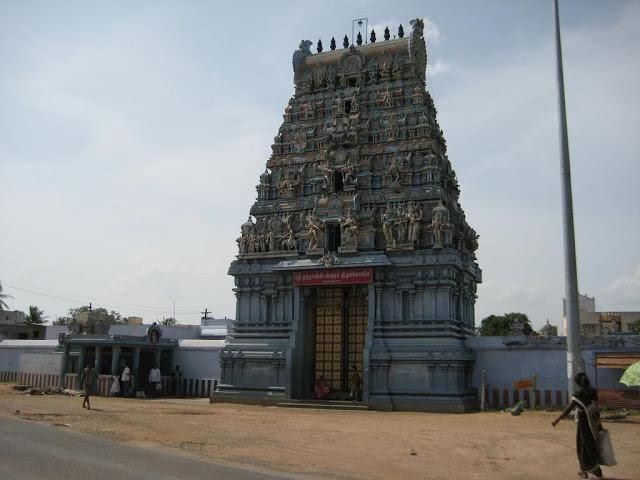
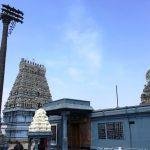
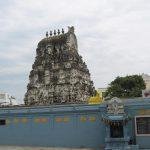
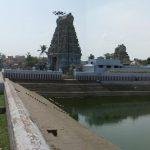
The temple is a prime example of the Dravidian style of architecture. Enclosed by a fortified granite wall, the structure balances the solemnity of a shrine with the grandeur of a palace.
Structural Highlights:
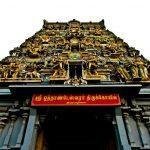
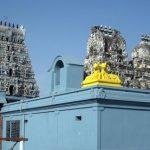
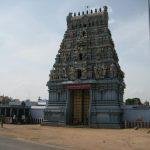
- Rajagopuram: A five-tiered gateway tower welcomes devotees, adorned with intricate sculptures depicting scenes from Hindu mythology.
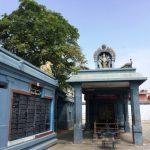
- Mandapas: The temple features spacious pillared halls (Mandapas) that facilitate rituals and processions.
- Vijayanagar Influence: During the 16th century, Nayak and Vijayanagar kings expanded the temple, adding the sub-shrines and pillared corridors seen today.
- Sanctum Sanctorum: The main Lingam is small but powerful. Uniquely, the Somaskandar idol (Shiva, Parvathi, and Skanda) is located directly behind the main deity, visible through an opening (Prakaram).
Darshan & Ritual Logistics
The temple follows the standard Agamic rituals. It is maintained by the Hindu Religious and Endowment (HR&CE) Board of the Government of Tamil Nadu.
📖 Related: Ekambareswarar Temple Kanchipuram: History, Timings & Complete Guide
Daily Temple Timings
Please note: Temple timings are subject to change during festival seasons.
| Session | Timing |
|---|---|
| Morning | 6:30 AM – 11:30 AM |
| Afternoon Break | 11:30 AM – 4:30 PM |
| Evening | 4:30 PM – 9:00 PM |
Key Sevas & Online Booking
While online booking for this specific temple is currently managed directly or via the TN Tourism Department, the following rituals are performed daily:
- Ushakkalam (Morning Abhishekam): 8:30 AM
- Uchikalam (Midday Pooja): 11:30 AM
- Sayarakshai (Evening Pooja): 6:00 PM
- Ardha Jamam (Night Pooja): 8:00 PM
2026 Festival Calendar
Mark your calendars for these significant Saivite celebrations in 2026:
- January 10 (2026): Arudra Darshanam (Special Abhishekam for Lord Nataraja).
- January 25: Thai Pournami (Full Moon Day).
- February 26: Maha Shivaratri (The Great Night of Shiva – all-night vigil).
- March 15 – March 22: Brahmotsavam (The Annual Festival featuring the chariot procession – Rathotsavam).
- June 5: Skanda Sashti (Lord Murugan festival).
- November 15: Kedara Gowri Vratam.
*Dates are calculated based on the Hindu calendar; exact dates may vary by one day depending on local moon sightings.
Practical Visitor Guidance
To ensure a serene darshan experience, please adhere to the following guidelines:
Dress Code:
Traditional attire is encouraged. Men should wear dhotis or formal trousers with shirts; women should wear sarees, salwar kameez, or long skirts. Avoid shorts and sleeveless tops.
Photography & Electronics:
Photography is generally allowed in the outer precincts (prakaram) but prohibited within the inner sanctum. Mobile phones are permitted, but please maintain silence during prayer.
Crowd Management & Best Time to Visit:
- Weekdays: Tuesday and Friday mornings are ideal for a peaceful darshan.
- Weekends: Expect significant crowds after 8:00 AM.
- Seasonal Tip: Summers (April–June) in Thiruvallur can be intense. Carry a reusable water bottle and a head cover. The temple hall offers respite from the heat.
Pilgrimage Connectivity
The Othandeeswarar Temple is a strategic stop for pilgrims traveling from Chennai to Tirupati.
How to Reach
Location: Poonamallee – Thiruvallur – Tirupati Highway (National Highway 75).
- By Road: Located 500 meters from the Thirumazhisai Bus Stand. Buses numbered 596, 597, and 153 frequent the route from Chennai (Koyambedu, T. Nagar). If driving from Chennai, take the Poonamallee High Road and turn right immediately after Motel Highway towards Tirupati.
- By Train: The nearest railway stations are Pattabiram (10 km) and Avadi (14 km). From there, local autos are readily available.
- By Air: Chennai International Airport (MAA) is approximately 24 km away (45–60 mins drive).
📖 Related: Sundara Raja Perumal Temple: History, Darshan Timings & Guide
Nearby Sacred Sites
Extend your pilgrimage to these nearby temples:
- Thiruverkadu Karumariamman Temple: 11 km away (renowned for Shakti worship).
- Poonamallee Parthasarathy Temple: 6 km away (historic Vaishnavite temple).
- Narasingapuram: 6 km away (famous for Vishnu temples).
Frequently Asked Questions (FAQ)
1. Is there a VIP darshan entry?
As per HRE Board guidelines, special darshan tickets are not typically issued at the counter. However, priority entry is often granted to senior citizens and differently-abled devotees. It is best to contact the temple office at +91 98415 57775 prior to your visit.
2. Can we perform special Abhishekam on Mondays?
Yes, Mondays are highly auspicious for Lord Shiva. While regular Abhishekam occurs daily, you can request a special milk/panchamrit Abhishekam directly at the counter upon arrival (subject to availability).
3. Is the temple wheelchair accessible?
The outer corridors are accessible, but the inner sanctum (Garbhagriha) has narrow entry steps. The temple priests are usually very helpful in assisting devotees with mobility issues.
4. Are there accommodation facilities near the temple?
There are no guesthouses within the temple premises. However, numerous hotels and lodges are available in Avadi and Poonamallee (3–5 km radius). For a spiritual retreat, devotees often travel to Sriperumbudur (15 km).
5. What is the significance of the Shiva Lingam scar?
It is believed that the scar from King Karikal Peruvalathan’s sword strike is still visible on the surface of the Othandeeswarar Lingam, serving as a tangible reminder of the Lord’s grace and the power of penance.
2017-12-28 (4), Othandeeswarar Temple, Thirumazhisai, Thiruvallur
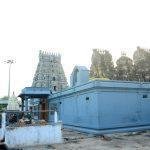
2017-11-02 (1), Othandeeswarar Temple, Thirumazhisai, Thiruvallur
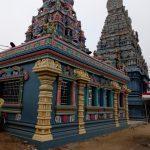
IMG_20171013_112913816, Othandeeswarar Temple, Thirumazhisai, Thiruvallur
IMG_1692, Othandeeswarar Temple, Thirumazhisai, Thiruvallur
IMG_1691, Othandeeswarar Temple, Thirumazhisai, Thiruvallur
6381292557_803ddc354d_b, Othandeeswarar Temple, Thirumazhisai, Thiruvallur
Thirumazhisai_Nagar_Othandeswarar_Temple2
Tirumazhisai-Othandeeswarar-Temple, Othandeeswarar Temple, Thirumazhisai, Thiruvallur
3809657711_14381d967b_b, Othandeeswarar Temple, Thirumazhisai, Thiruvallur
3810472738_ac14f4e6e8_b, Othandeeswarar Temple, Thirumazhisai, Thiruvallur