Jagannatha Perumal Temple Thirumazhisai: History, Timings & Darshan Guide
Receive daily temple updates, divine darshan, and morning bhajans directly on WhatsApp.
Contents
- 1 Introduction & Spiritual Essence
- 2 Historical Origins & Scriptural Legend
- 3 Architectural Marvels
- 4 Darshan & Ritual Logistics
- 5 Practical Visitor Guidance
- 6 Pilgrimage Connectivity
- 6.1 How to Reach
- 6.2 Nearby Sacred Sites (Pilgrimage Circuit)
- 6.3 FAQs
- 6.3.1 1. Is there a VIP darshan entry?
- 6.3.2 2. Is this temple part of the 108 Divya Desams?
- 6.3.3 3. Are non-Hindus allowed inside?
- 6.3.4 4. Is the temple wheelchair accessible? The inner sanctum and older sections have steps, which may be difficult for wheelchair users. However, the outer corridors and the shrine of Thirumalisai Alvar are accessible. 5. What is the contact number for the temple?
Introduction & Spiritual Essence
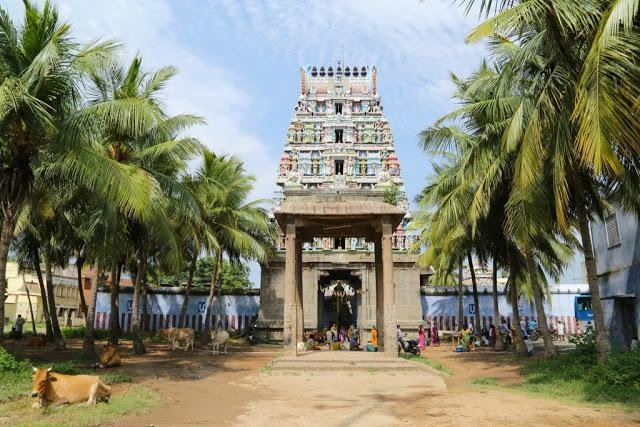
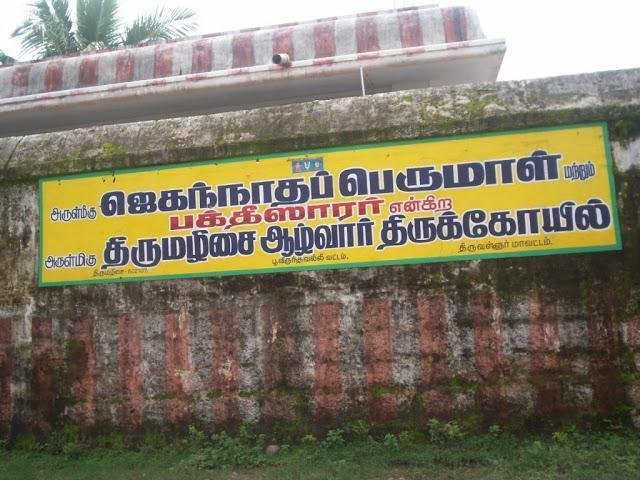
Located in the serene town of Thirumazhisai, a suburb of Chennai, the Jagannatha Perumal Temple stands as a beacon of Vaishnavite devotion and ancient heritage. Known locally as the Tirumazhisai Temple, this sacred abode is dedicated to Lord Vishnu, worshipped here as Jagannatha Perumal (the Lord of the Universe). His consort, Goddess Lakshmi, is revered as Thirumangaivalli (also known as Sengamalavalli Thayar).
This temple holds a unique spiritual significance as it is the birthplace of Thirumalisai Alvar, one of the twelve revered Azhwar saints whose compositions form the Divya Prabandha. While technically listed as Madhya Jagannatha Kshetram (the middle pilgrimage site of three Jagannatha centers—Puri being the Uthra and Thirupullani the Dakshina), it is celebrated as an Abhimana Sthalam for devotees.
Phalaśruti: The Benefits of Darshan
Devotees flock to this temple for various spiritual benefits:
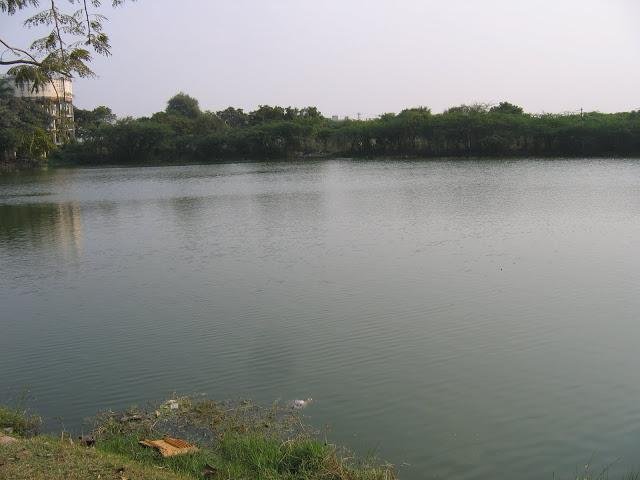
- Cleansing Sins: A holy dip in the temple’s Bhrigu Theertham is believed to cleanse sins and purify the soul.
- Child Boon & Prosperity: Prayers to Goddess Thirumangaivalli are specifically potent for seeking child blessings and household prosperity.
- Removal of Obstacles: Worshipping Mother Vaishnavi (holding the discus and conch) with garlands is a specific ritual to remove hurdles in marriage negotiations and career progression.
- Ancestral Karma: Performing Thirumanjanam (abhishekam) here is traditionally associated with alleviating ancestral karma.
📖 Related: Veera Raghava Swami Temple: History, Darshan Timings & Guide
Historical Origins & Scriptural Legend
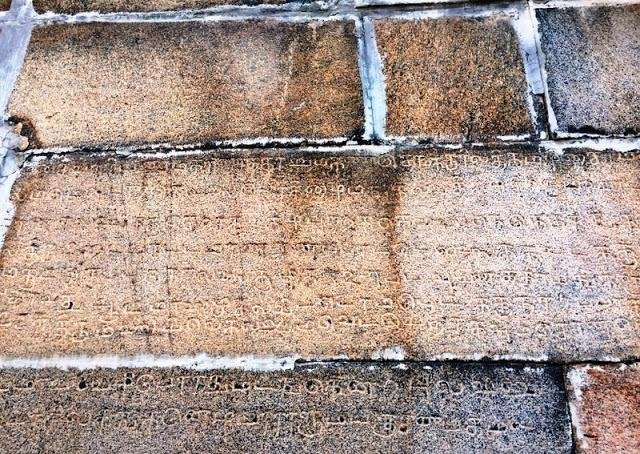
The temple’s roots are deeply embedded in the 12th century, as revealed by epigraphic inscriptions found on the temple walls. Constructed primarily in the Dravidian style, the structure has been preserved over centuries, now administered by the Hindu Religious and Endowment Board of the Government of Tamil Nadu.
The Legend of the Divine Trio
According to local Sthala Purana (oral tradition), this site is where Sage Bhrigu was redeemed after offending Lord Vishnu in Vaikuntham. It is also deeply tied to the Azhwar tradition. Thirumalisai Alvar, born in this very soil, is said to have sung the Thiruchanda Virutham here. His presence adds a layer of Mantra Siddhi (spiritual power) to the location.
Scriptural references link this temple to the concept of the Jagannatha Kshetrams. While Puri (Odisha) represents the northern (Uthra) manifestation and Thirupullani (Ramanathapuram) the southern (Dakshina), Thirumazhisai represents the central (Madhya) heart-center of this spiritual axis.
Architectural Marvels
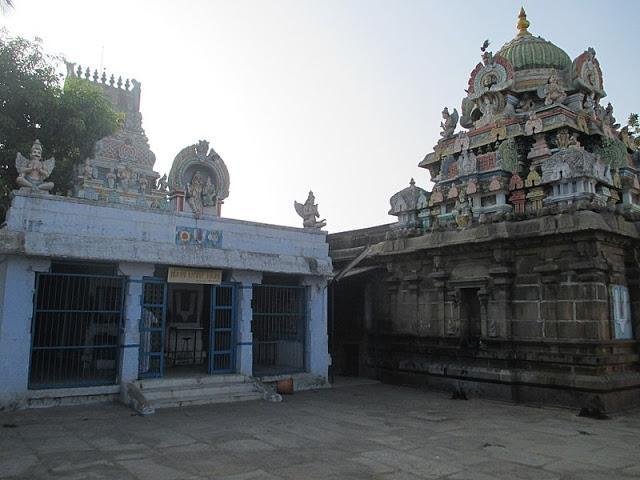
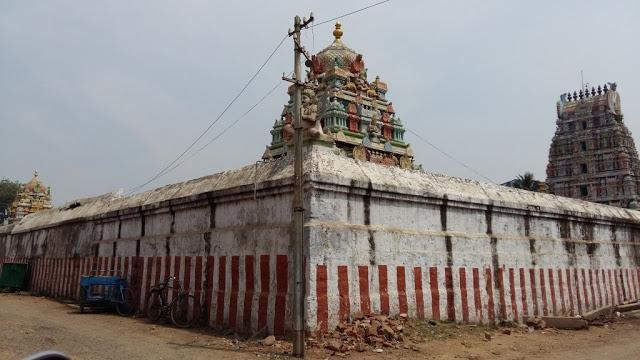
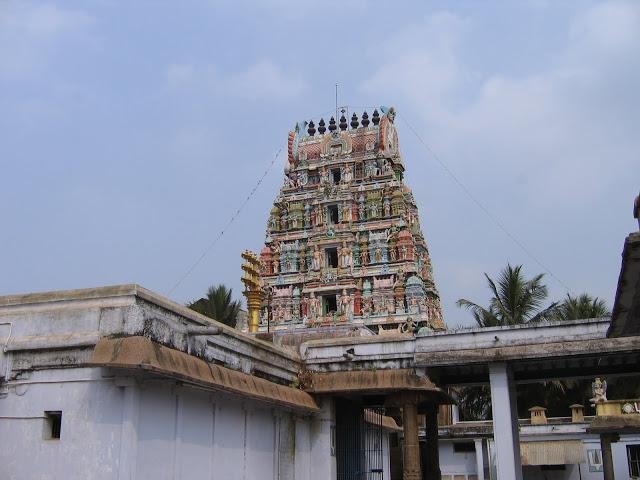
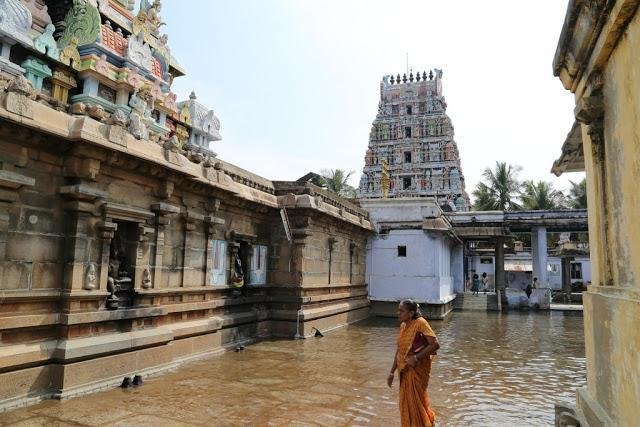
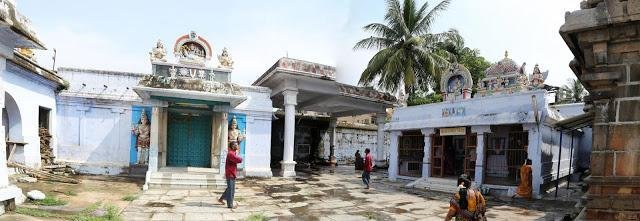
The temple is a classic example of Dravidian Architecture. It follows the strict tenets of Vastu Shastra with a rectangular layout oriented east-west.
Key Architectural Features:
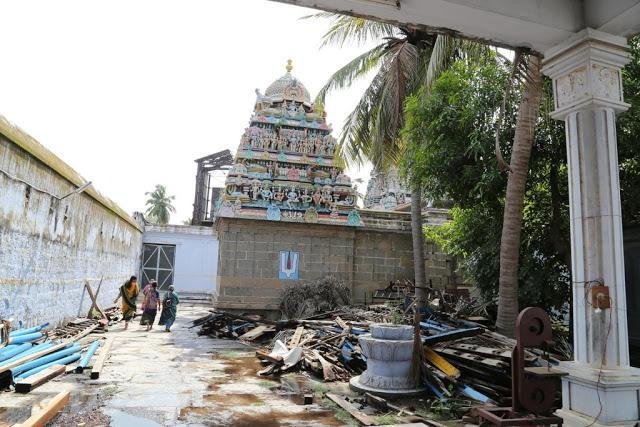
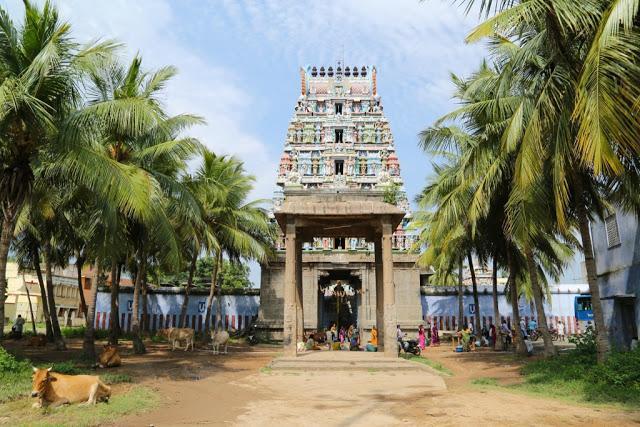
- Rajagopuram: The towering entrance gateway, though modest compared to later Chola expansions, features intricate stucco work depicting avatars of Vishnu.
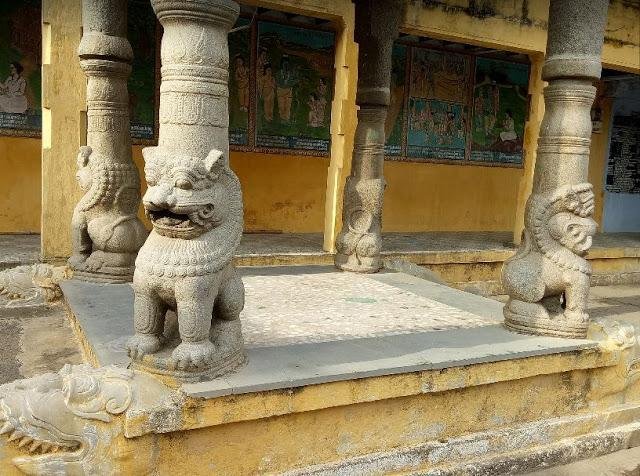
- Mandapas: The temple houses a series of pillared mandapas (halls). The frontend Mandapa contains pillars carved with mythical animals (yalis) and deities.
- Sanctum & Shikhara: The Garbhagriha (inner sanctum) is approached through a Arnaka (circumambulatory path). The Shikhara (tower) over the sanctum reflects the classic Tamil style, though simpler in profile compared to the massive gopurams of the region.
- Sculptures: Notable is the separate shrine for Thirumalisai Alvar, depicted in a standing posture with folded hands. The pillars in the Asthana Mandapa feature detailed carvings of Dashavatara.

Darshan & Ritual Logistics
The temple follows the Thenkalai tradition of Vaishnavism. The rituals are performed four times a day according to the Vaikasana Agamic tradition. The priests belong to the Vaishnavite Brahmin community.
📖 Related: Vaikunda Perumal Temple History and Darshan Timings: Vayalanallur Guide
Daily Timings (2026 Schedule)
Current timings for devotees planning their visit:
| Pooja Name | Tamil Time | English Time |
|---|---|---|
| Ushathkalam | 8:00 AM – 9:00 AM | Morning Rites |
| Kalasanthi | 10:00 AM – 11:00 AM | Mid-day Rites |
| Sayarakshai | 5:00 PM – 6:00 PM | Evening Rites |
| Ardha Jamam | 8:00 PM – 9:00 PM | Closing Rites |
Key Sevas & Online Booking
While many rituals are performed inside the sanctum, devotees can participate in specific offerings:
- Abhishekam: Performed with milk, honey, and sandalwood paste. Timing: 8:30 AM.
- Archana: Recitation of 108 names using Tulsi leaves.
- Thirumanjanam: Special purification ceremony for devotees (usually after making a wish).
Booking: As of 2026, this temple is managed by the HR&CE board. Online bookings for specific Sevas can be made via the official Tamil Nadu HR&CE portal (temple.tn.gov.in). However, for specific Archana tickets, physical purchase is available at the counter.
2026 Festival Calendar
- Aani Brahmotsavam: June – July 2026 (Includes the Rathotsavam/Cart festival drawn around Thirumazhisai streets).
- Aipasi Manavala Mamuni Festival: October – November 2026.
- Azhwar Tirunakshatram (Thai Magam): January 2026 (Dedicated to Thirumalisai Alvar).
- Maasi Float Festival: February – March 2026 (Deities drawn on floats in the temple tank).
Practical Visitor Guidance
Thirumazhisai is a bustling suburb. Planning your visit ensures a peaceful darshan.
Code of Conduct
- Dress Code: Traditional attire is mandatory. Men should wear Dhotis or Pants with shirts; Women should wear Saree, Salwar Kameez, or Chudithar.
- Photography: Photography is generally permitted in the outer precincts (Prakaram) but strictly prohibited inside the inner sanctum (Garbhagriha).
- Electronic Items: Mobile phones are allowed but must be kept on silent mode. Tripods are not permitted.
- Footwear: There is a designated paid footwear counter near the temple entrance.
Crowd Management & Best Times
- Best Time to Visit: Weekday mornings (6:30 AM – 7:30 AM) offer the most serene experience.
- Avoid: Sunday afternoons and festival days if you prefer a quick darshan.
- Seasonal Advice: April to June (Tamil Month of Chithirai to Aani) is very hot; carry water and an umbrella. Monsoon (October-December) is pleasant but roads leading to the temple can be busy.
📖 Related: Vinayagar Temple, Medhur: History, Darshan Timings & Guide
Pilgrimage Connectivity
The temple is strategically located on the western corridor of Chennai, making it easily accessible.
How to Reach
Address: Jagannatha Perumal Temple, Thirumazhisai, Thiruvallur District, Tamil Nadu.
- By Road: Thirumazhisai is situated on the Poonamallee – Thiruvallur – Tirupathi Highway (SH-55). It is approximately 25 km from Chennai Central. Buses (Route 253, 54B from Parrys; 153 from Koyambedu) frequently stop at the Thirumazhisai Koil Bus Stop.
- By Train: The nearest railway stations are Pattabiram (10 km) and Avadi (14 km). From there, local auto-rickshaws are readily available.
- By Air: Chennai International Airport (MAA) is roughly 24 km away (approx. 45-60 mins drive via Poonamallee High Road).
Nearby Sacred Sites (Pilgrimage Circuit)
Extend your spiritual journey by visiting these nearby temples:
- Kotai Thirupathi (Periya Thirupathi): Located in Thirumazhisai itself, a hill temple dedicated to Lord Venkateswara.
- Thiruverkadu Devi Temple: A powerful Murugan and Durga temple located 10 km away.
- Mangadu Kamakshi Amman Temple: A significant Shakti temple associated with Adi Shankaracharya, located 8 km away.
FAQs
1. Is there a VIP darshan entry?
The temple follows a general darshan system. However, there is a separate queue for senior citizens and specially-abled devotees. For VIP recommendations, one must coordinate with the Executive Officer (EO) at the temple office.
2. Is this temple part of the 108 Divya Desams?
No, strictly speaking, this temple is not listed in the traditional 108 Divya Desams. However, it is an Abhimana Sthalam (highly revered personal site) for Sri Vaishnavas due to the birthplace of Thirumalisai Alvar.
3. Are non-Hindus allowed inside?
Like most traditional Vishnu temples in Tamil Nadu, entry is generally restricted to Hindus only.
4. Is the temple wheelchair accessible?
The inner sanctum and older sections have steps, which may be difficult for wheelchair users. However, the outer corridors and the shrine of Thirumalisai Alvar are accessible.
5. What is the contact number for the temple?
You can contact the temple office at +91 44 2681 0542 or the mobile number +91 96001 81449 for inquiries regarding rituals and timings.